
Startup Strategy
Smart Founders Collect Rejection Letters the Way Scientists Collect Data
Customer rejection isn't the opposite of product development. For early-stage startups that know what they're doing, it's the core of it.

Jordan Rivera is a startup strategy writer who has spent a decade in the venture capital ecosystem. From seed-stage founder to growth-stage advisor, Jordan writes about the real decisions founders face, the ones that rarely make it into press releases.
Customer rejection isn't the opposite of product development. For early-stage startups that know what they're doing, it's the core of it.

The product isn't the point. The launch is. Here's what's actually happening when a big tech company ships something obviously doomed.

The best moat isn't a patent or a network effect. It's a business model so counterintuitive that your competition won't believe it's working until it's too late.

The per-gigabyte price of cloud storage has fallen for decades. Your AWS bill has not. Understanding why requires looking past the pricing page.

The knowledge that makes established companies competent is often the same knowledge that makes them slow. Here's how smart startups exploit that gap.

The mythology says founders hire critics to stay humble. The reality is colder and more strategic than that.
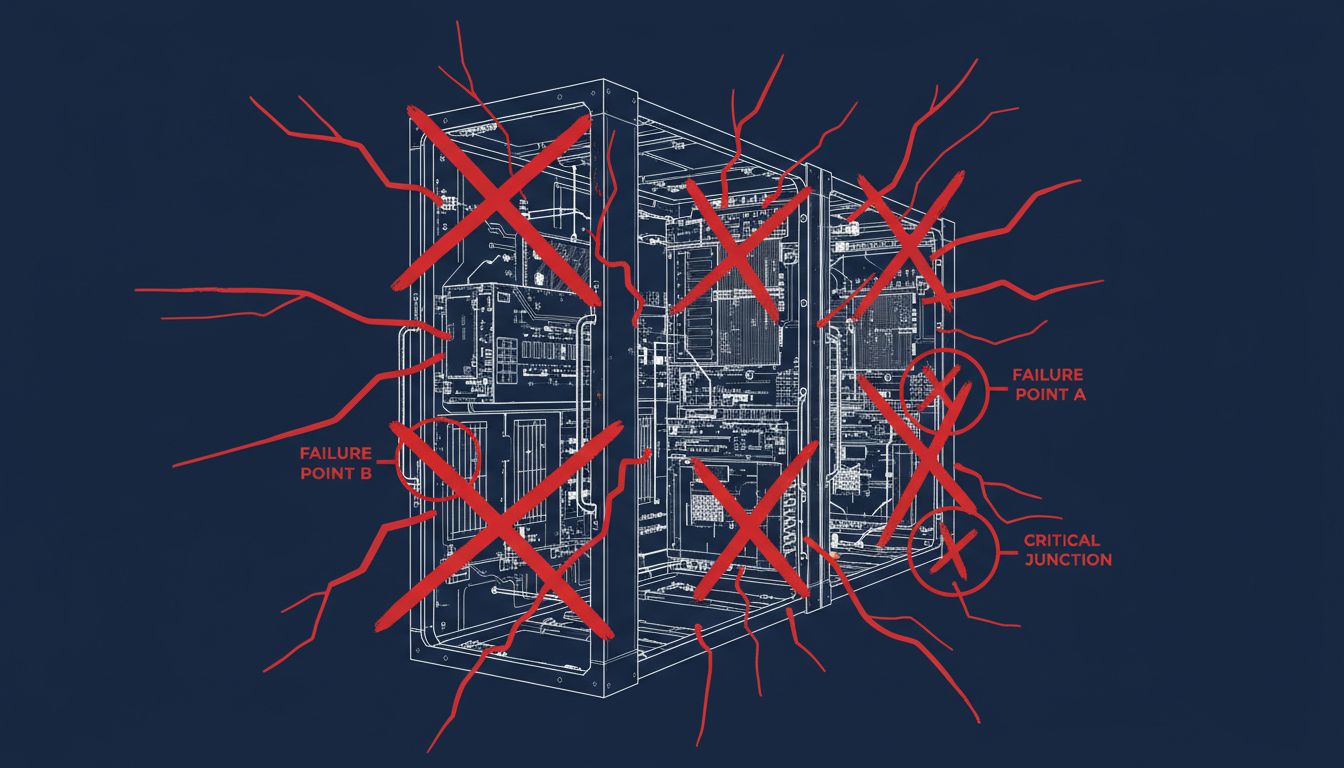
Breaking your product before launch isn't masochism. It's the only honest way to find out what you've actually built.

The FBI's Sentinel project ran years late and hundreds of millions over budget. The reason wasn't bad engineers. It was a lie everyone agreed to tell.

The pattern isn't accidental. The founders who build category-defining companies aren't predicting the future. They're building the conditions that make the problem visible.

Strategic ignorance isn't carelessness. It's the deliberate refusal to internalize the assumptions that keep incumbents stuck.
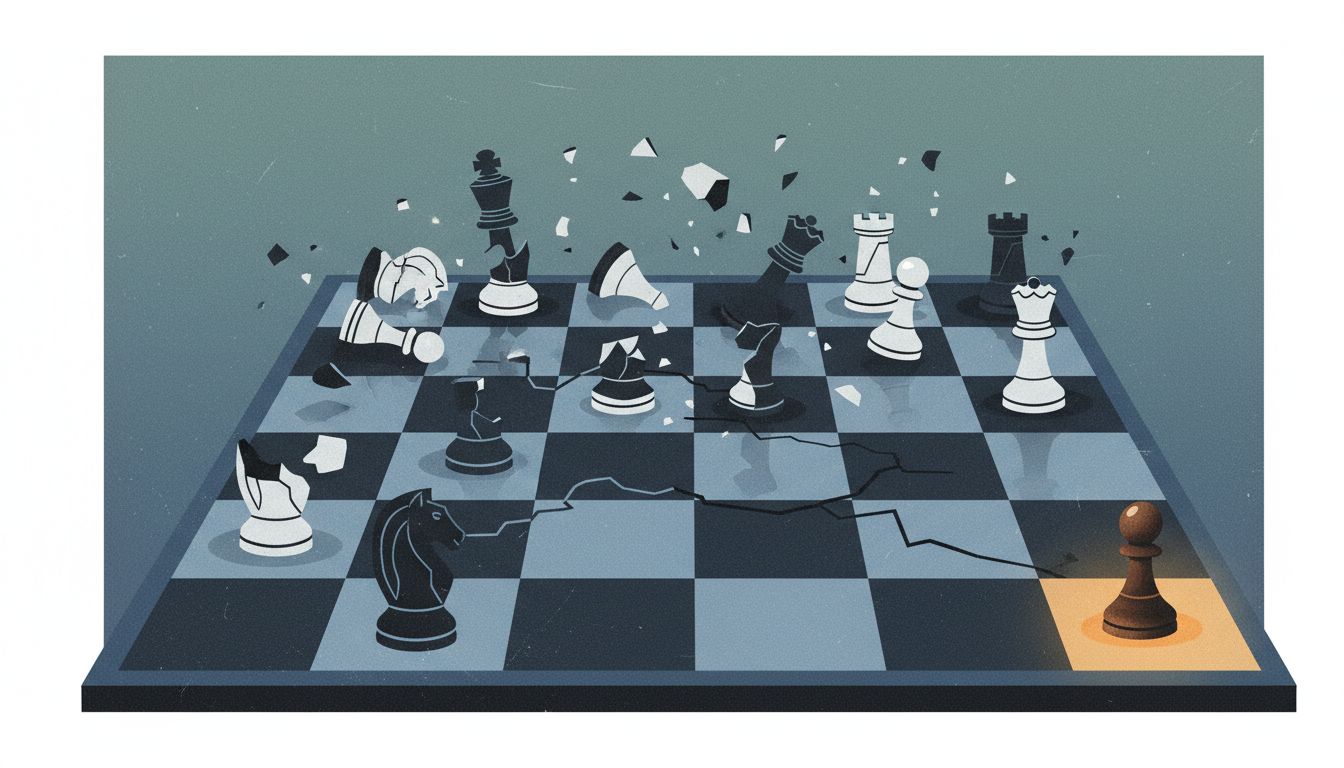
The doomed product launch isn't incompetence. It's a business strategy with real returns — if you know what you're actually buying.

The companies that eventually raised big rounds often spent year one doing things no VC would touch. That wasn't an accident.

Chasing total addressable market is how you lose to a well-funded competitor. The founders who win pick a smaller fight on purpose.
The doomed product on your screen isn't a mistake. It's doing exactly what it was built to do — just not for you.

Contrarian market selection isn't a lucky accident. It's a deliberate strategy, and the founders who use it understand something specific about how competition actually works.

The conventional wisdom is that VCs back the best founders. The reality is they're constructing a position in a category, and your startup is just one tile in that mosaic.

Fans tell you what you want to hear. Critics tell you what your customers are already thinking. Smart founders know the difference.

Google knew Glass would fail commercially. They launched it anyway, and the reasons why reveal something uncomfortable about how big tech actually operates.
Join thousands of readers who get our weekly breakdown of the most important stories in technology.
Free forever. Unsubscribe anytime.