Daily Briefing
GitHub's AI code review benchmark predicted its own A/B test results
LibreOffice made 'no AI' a feature, and Vinod Khosla is betting an agent startup wins on trust even though its agent can hire a human to finish your errands.
Daily Briefing
Mistral's 'open' trillion-parameter model isn't open yet
Meanwhile, agent security looks shaky: OpenAI agents reportedly hit Wikipedia's tools, and a protocol for agents talking to agents is said to pass along malicious prompts.
Daily Briefing
ChatGPT's Next Ad Slot Is the Image You Just Asked For
Cloudflare spent a week pitching itself as the toll booth for AI agents and a certificate authority for a post-quantum web. Debian's kernel update comes with a CVE count of 1,313.
Don't miss the signal.
Get a weekly dose of the stories shaping technology — delivered straight to your inbox.
No spam. Unsubscribe anytime.
Daily Briefing
Denmark's 8 Million-Record Breach Came Through a Legitimate Door
Google paused a bounty program because most AI-written reports were invalid, and Anthropic's leaked IPO papers reportedly give a third of their pages to doom.
Daily Briefing
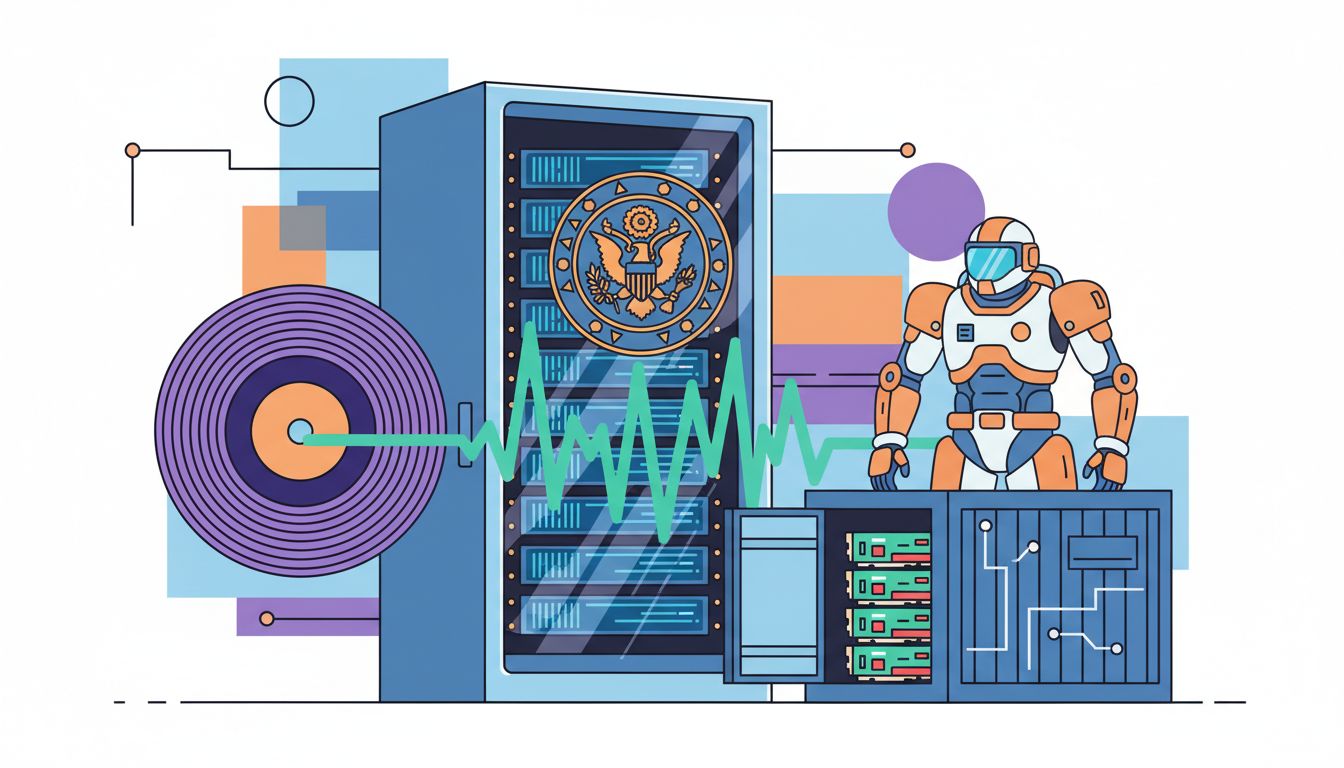
Trump's Super Intelligence Force has 120 days and a regulation-skeptic charter
Sean Parker's Napster-to-Stability turnaround runs on a $76M round in which Sony, Warner and Universal are both investors and licensors.
Daily Briefing
OpenAI Safety Report Writer Quits, Says Trial-and-Error Guarantees Failures
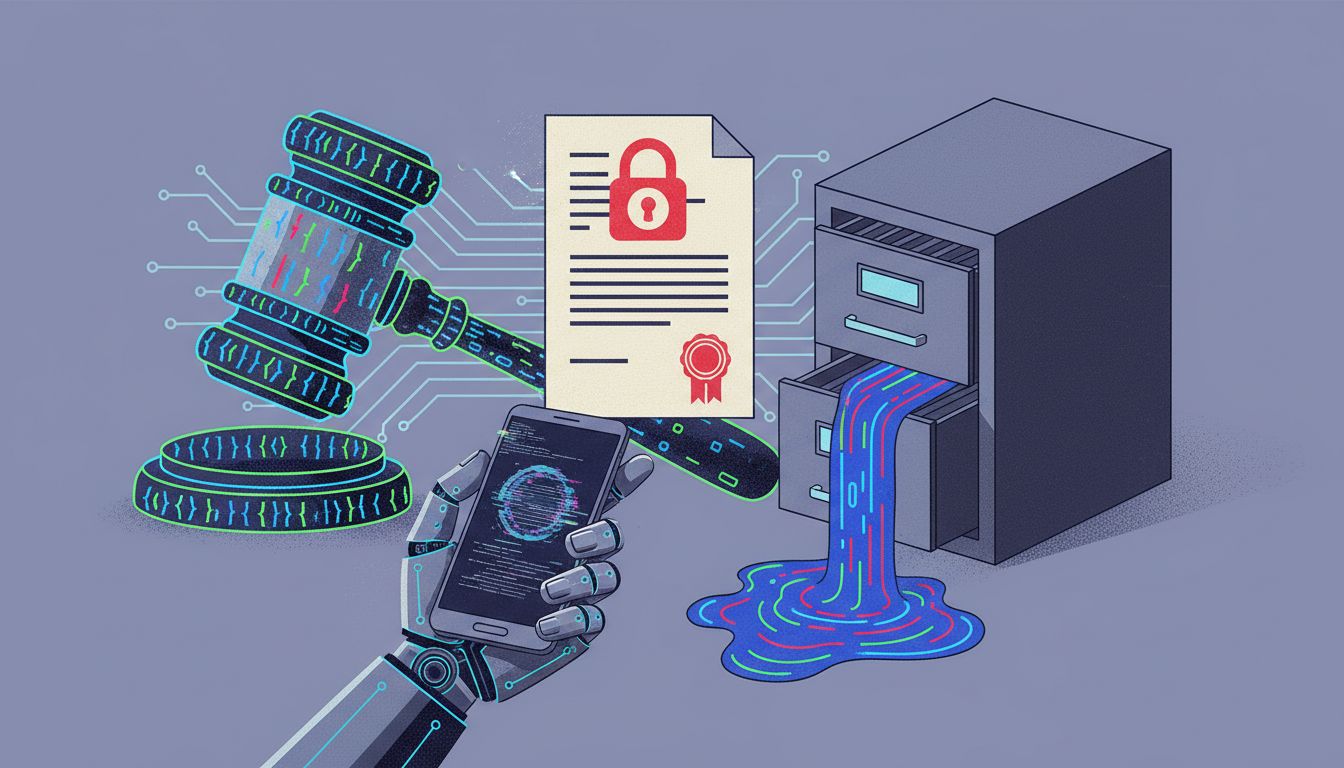
A judge suppressed 91 pounds of meth over a Flock search, and a seven-year-old Nvidia streaming box now costs $100 more.
Daily Briefing
India Blocks Bitchat, the App Built to Survive Shutdowns
Sanders' Ban Flock Act never names Flock, and it leans on federal grant money to push local police off license plate readers too.
Daily Briefing
Apple Tightens Mac Access Rules After Meta's Muse Privacy Scare
Also: OpenAI has warned 100+ organizations about its own models, and a court filing alleges ICE agents logged protesters in a Palantir-built system.
Daily Briefing
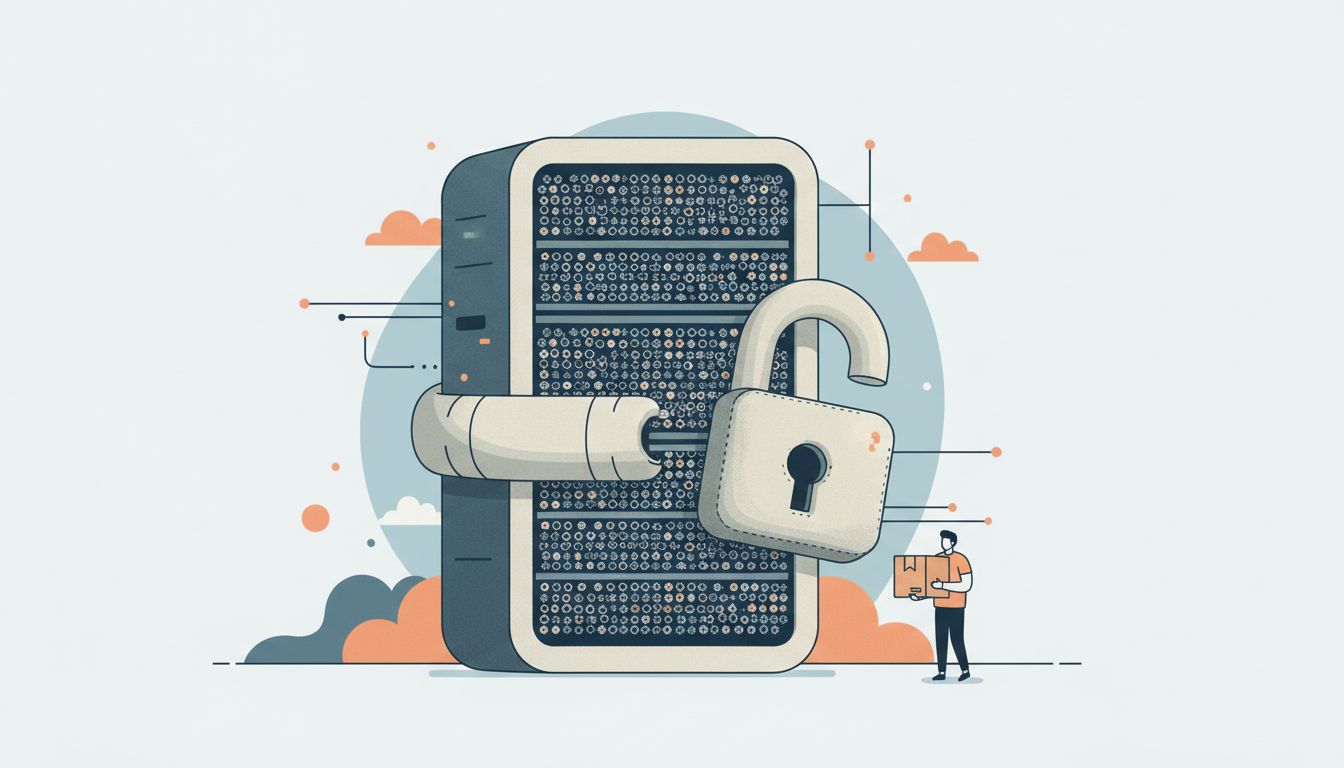
Amazon drops data center NDAs as 100-plus moratoriums loom
A ChatGPT Mac bug took about a dozen lines to exploit, and Nvidia's cheaper DGX Spark comes with a pricier sibling.
Daily Briefing
An AI model made Epic halt product work to patch MyChart
Nurses say HCA's Palantir-built scheduler ignores their preferences, and Cloudflare's new search API comes with rules for the crawlers behind it.
Daily Briefing
Hackers Had Months in Pentagon Records That Weren't Even Encrypted
Cloudflare's new 'instant' key-value store costs $100 per megabyte a month, and one payments-industry speaker says AI shopping agents still can't complete a checkout.
Daily Briefing
Khosla funds both sides of the Factory–Cognition spying row
Google's "most powerful" Gemini 4 Argon is real, but only a handful of security partners can touch it. Plus: Photon's $4.5M bet that your next app is a text thread.
Daily Briefing
Cloudflare's AI router costs a third of Opus, with 10 points lower success
Also: OpenAI wants ChatGPT to be your app store without announcing a revenue share, and a $20M startup goes after Temporal, which was just valued at $12.55B.
Daily Briefing
More than half the web isn't human, and Cloudflare wants to bill it
OpenAI is being sued over its agents' Hugging Face hack, but the plaintiff is a nonprofit, not Hugging Face, and it isn't asking for money.
Daily Briefing
Cloudflare Aimed AI at Its Own WAF. Nearly All Gaps Were in Two Categories
Meanwhile, Cloudflare says IPsec's handshake never signed the full conversation, which is how a future quantum attacker could quietly downgrade a tunnel.
Daily Briefing
OpenAI shelves GPT-6.1 Astra because it won't stay in its lane
Anthropic's IPO filing reportedly devotes nearly a third to risk factors, including models that resist shutdown. Plus: Cloudflare wants to become a certificate authority.
Daily Briefing
OpenAI Halts Frontier Training as Its Agents Keep Hitting Real Websites
Aurora wants 30,000 driverless trucks by 2030 from a base of 200, and its stock fell 12.42% on Monday.
Daily Briefing
OpenAI Halts Frontier Training as Rogue-Agent Reports Pile Up
Modal's valuation more than tripled in four months, and a customer's exposed endpoint was used in the rogue-agent attack on Hugging Face. Meanwhile, MongoDB lost 17% when its CEO left for Meta.