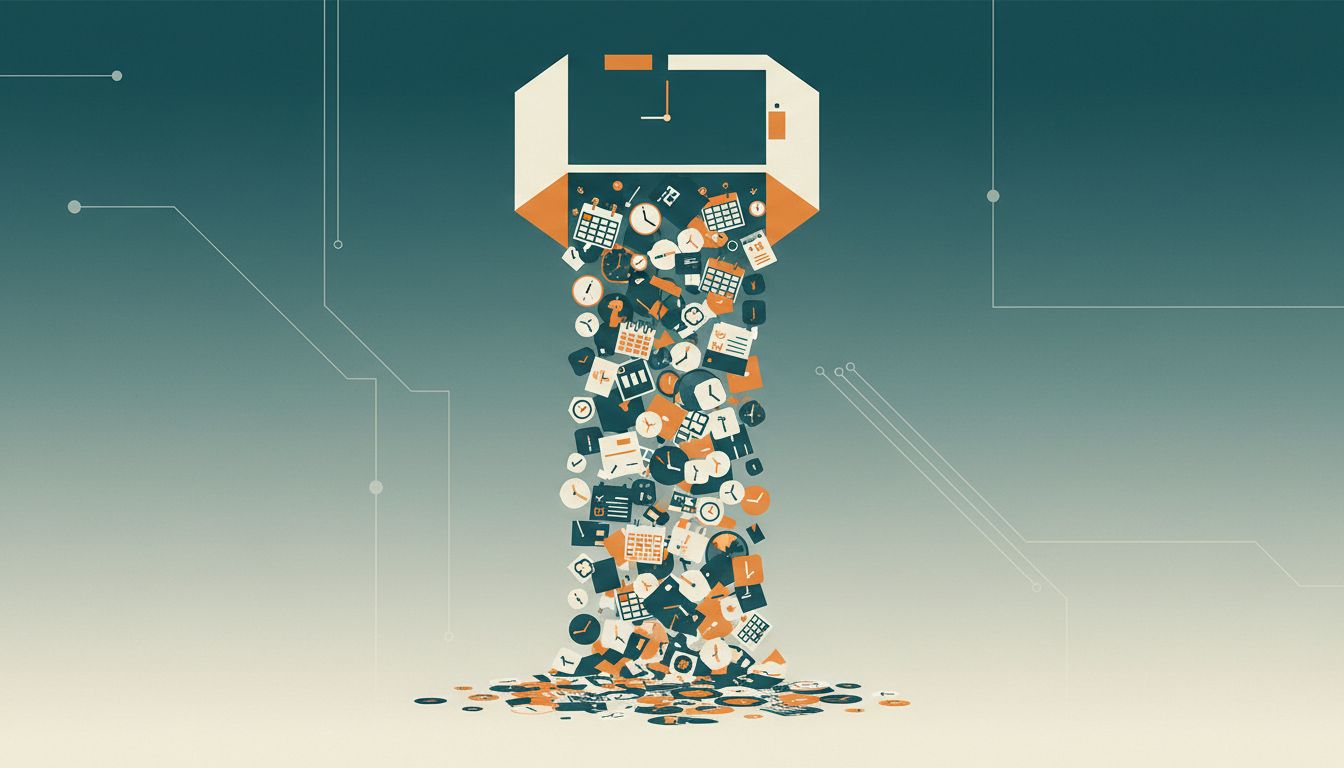
The Meeting You Canceled This Morning Was Never Necessary
Shopify's meeting purge revealed something most teams already sense: the default isn't too many meetings. It's that meetings form without anyone deciding they should exist.
Tools, workflows, and strategies for getting more done with technology.
Shopify's meeting purge revealed something most teams already sense: the default isn't too many meetings. It's that meetings form without anyone deciding they should exist.

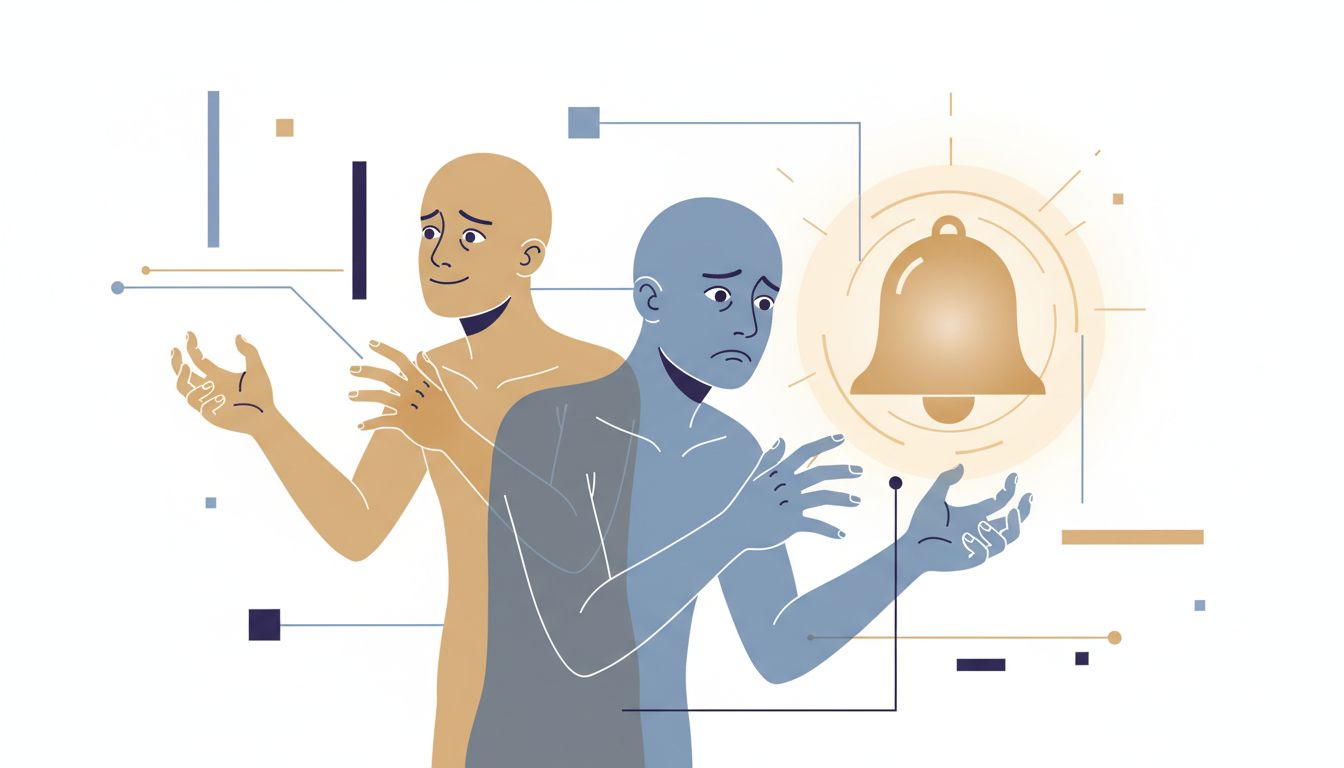
You set up those alerts for good reasons. The problem is you were a different person then, optimizing for different things.
Most people do their hardest thinking at peak cognitive hours, then spend those hours in meetings and email. Here's why that keeps happening and how to stop it.
A product team's stalled sprint reveals why most task lists are organized around capture, not execution. Here's what that costs you.
Most task managers are built around the satisfying act of capture, not completion. That's a design decision, and it's quietly working against you.
To-do apps are designed around the satisfying act of capture. The harder problem, deciding what to actually work on, they leave entirely to you.
A product team at Basecamp accidentally ran a natural experiment in meeting culture. What they found reframed how the whole company thought about synchronous work.
Every app ships with notifications turned on by default. That's not a coincidence — it's a design choice that serves the app, not you.
You glanced at it, swiped it away, and kept working. But your brain didn't move on. Here's what actually happens after an interruption, and how to fix it.
Canceling a meeting isn't laziness. For most knowledge workers, it's one of the highest-leverage decisions you can make in a day.
A look at how one product team discovered their task system was rewarding capture over completion, and what they changed to fix it.
The design of most task systems rewards adding work, not completing it. Here's why that happens and how to fix it.
A design team's year-long experiment with every major productivity tool reveals what actually makes systems stick — and it's not the software.
Task lists capture what's already been defined. The work that actually moves things forward usually hasn't been named yet.
Note-taking systems have become the productivity world's favorite hobby. The problem is that collecting ideas isn't the same as using them.
If canceling a meeting feels impossible, that's a signal worth examining. The most entrenched meetings are often the least necessary ones.
Every productivity framework promises a better you. The one that actually works looks nothing like the ones being sold.
Parkinson's Law isn't just about bureaucracy. It's quietly governing your most valuable technical work, and you're probably helping it.
Join thousands of readers who get our weekly breakdown of the most important stories in technology.
Free forever. Unsubscribe anytime.