
Technology
The Commit History Tells You More Than Any Interview
A messy git log isn't just a technical debt warning. It's a map of how a team actually thinks, decides, and fails.
Deep dives into the technology that shapes our world, from hardware breakthroughs to platform strategies.
A messy git log isn't just a technical debt warning. It's a map of how a team actually thinks, decides, and fails.
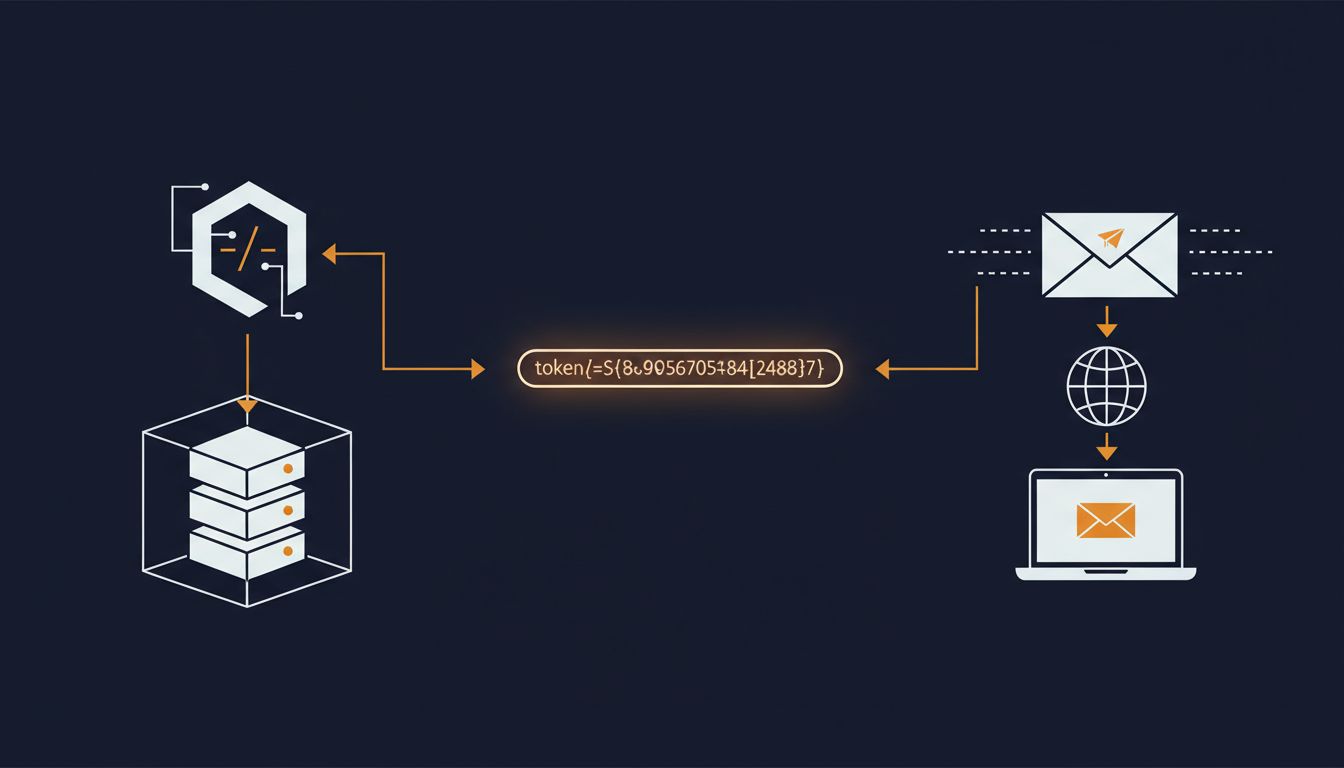
That simple button triggers a surprisingly intricate chain of cryptography, database writes, and deliberate security tradeoffs. Here's what's actually running.

The internet was designed to survive nuclear war. The same paranoid engineering that makes it nearly indestructible also explains why your file downloads arrive perfect every time.

Eventual consistency sounds like a bug. It's actually one of the most pragmatic engineering decisions in modern systems design.
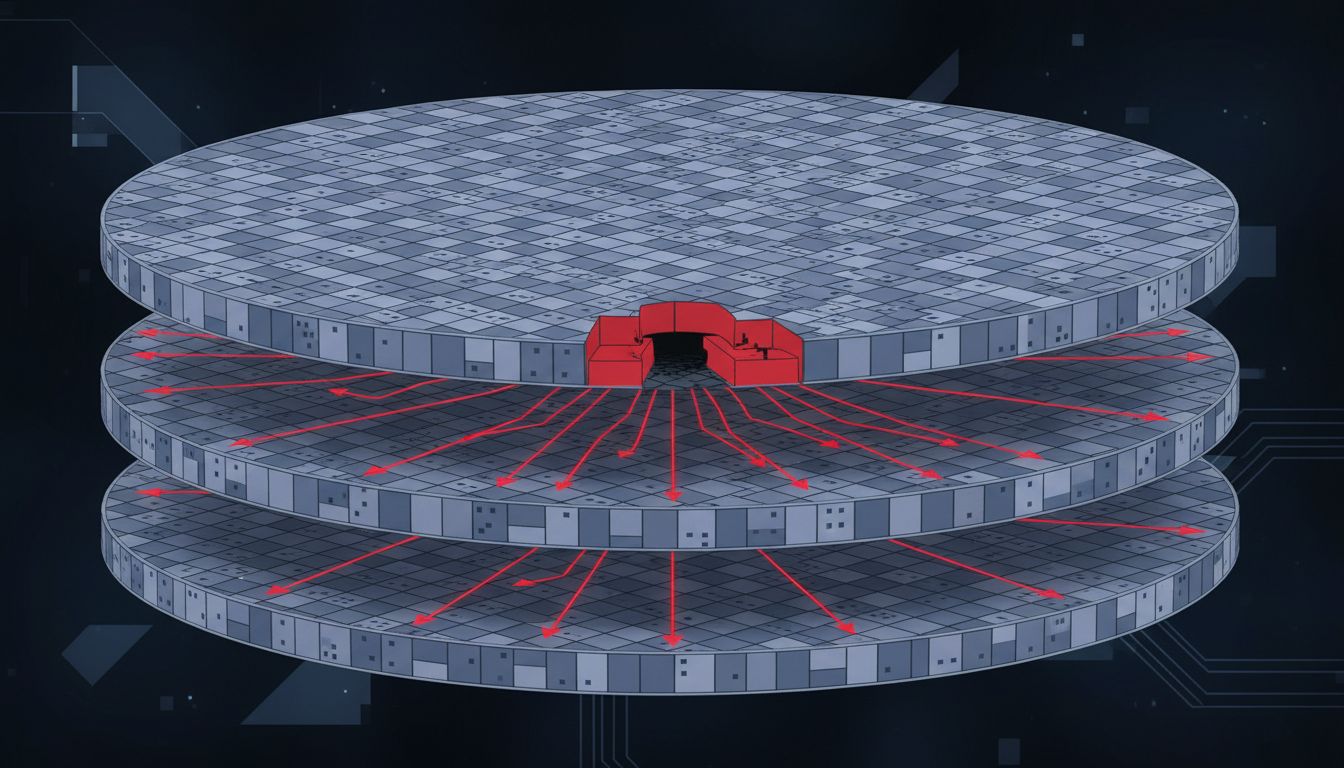
Removing a column from a database table sounds trivial. In production, it can lock millions of rows and grind a live system to a halt.

99.999% availability sounds like a feature. It's actually a financial commitment that can dwarf the cost of the software it's protecting.

A single click triggers dozens of coordinated operations across global infrastructure. Most of them are invisible. None of them are simple.

Most distributed systems bugs aren't logic errors. They're retry errors. Idempotency is the property that makes retrying safe, and almost nobody designs for it deliberately.
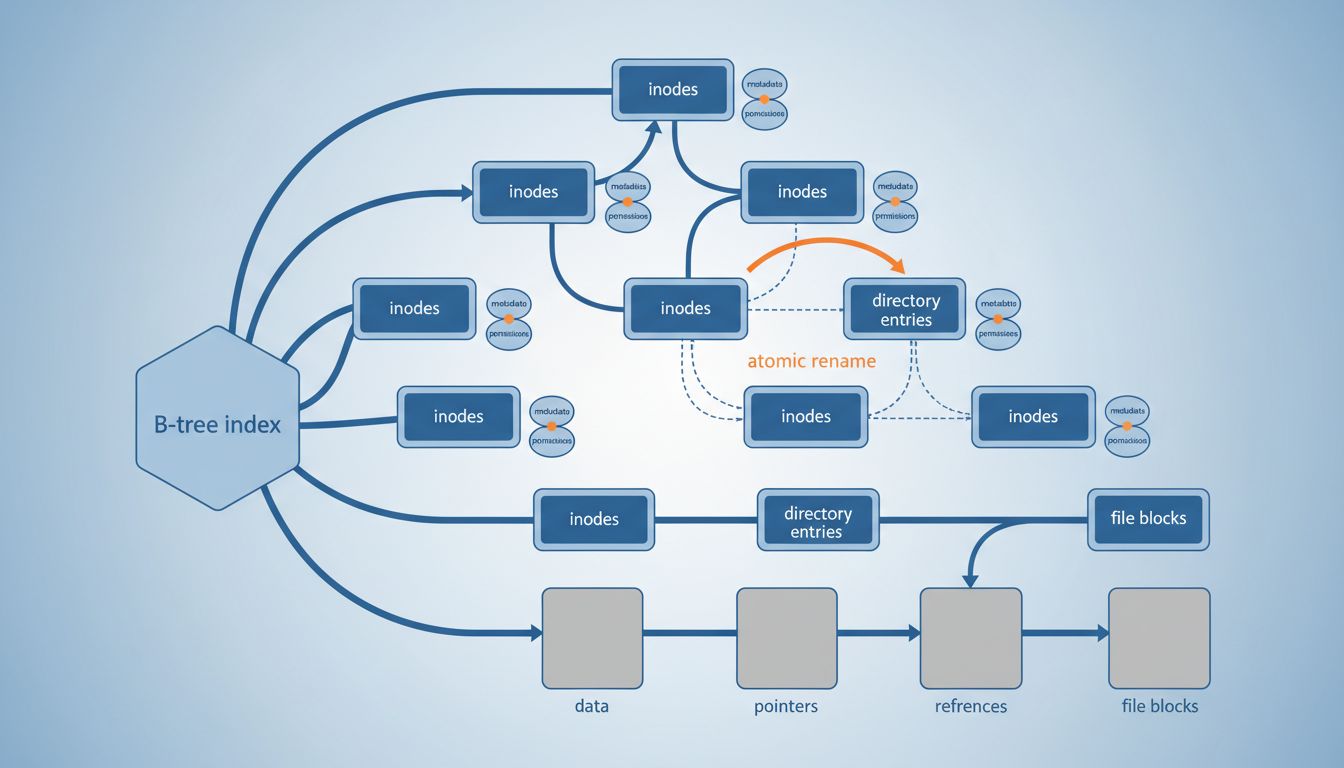
Before you reach for Postgres or Redis, consider what your filesystem already gives you for free: indexing, transactions, access control, and surprisingly good performance.
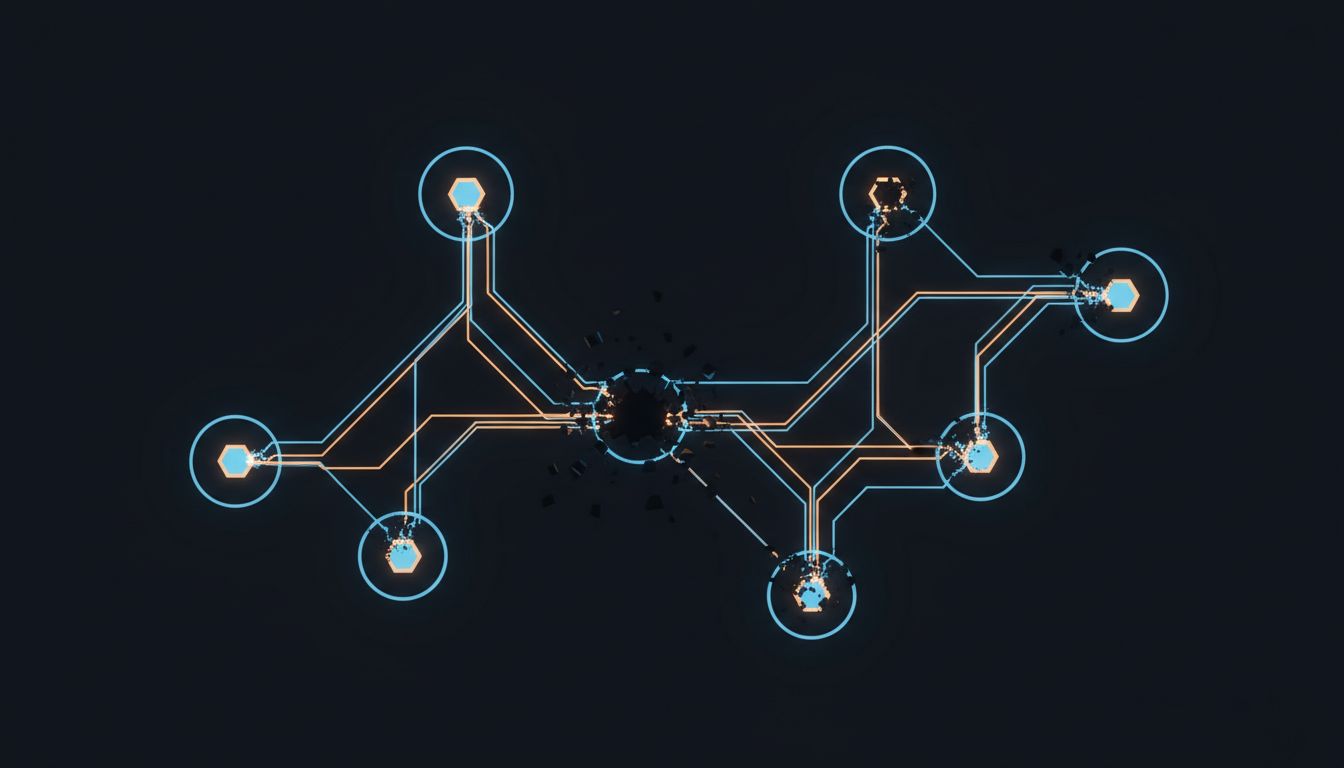
TCP/IP wasn't designed for convenience. It was designed to route around catastrophic damage. That original paranoia is why it won.
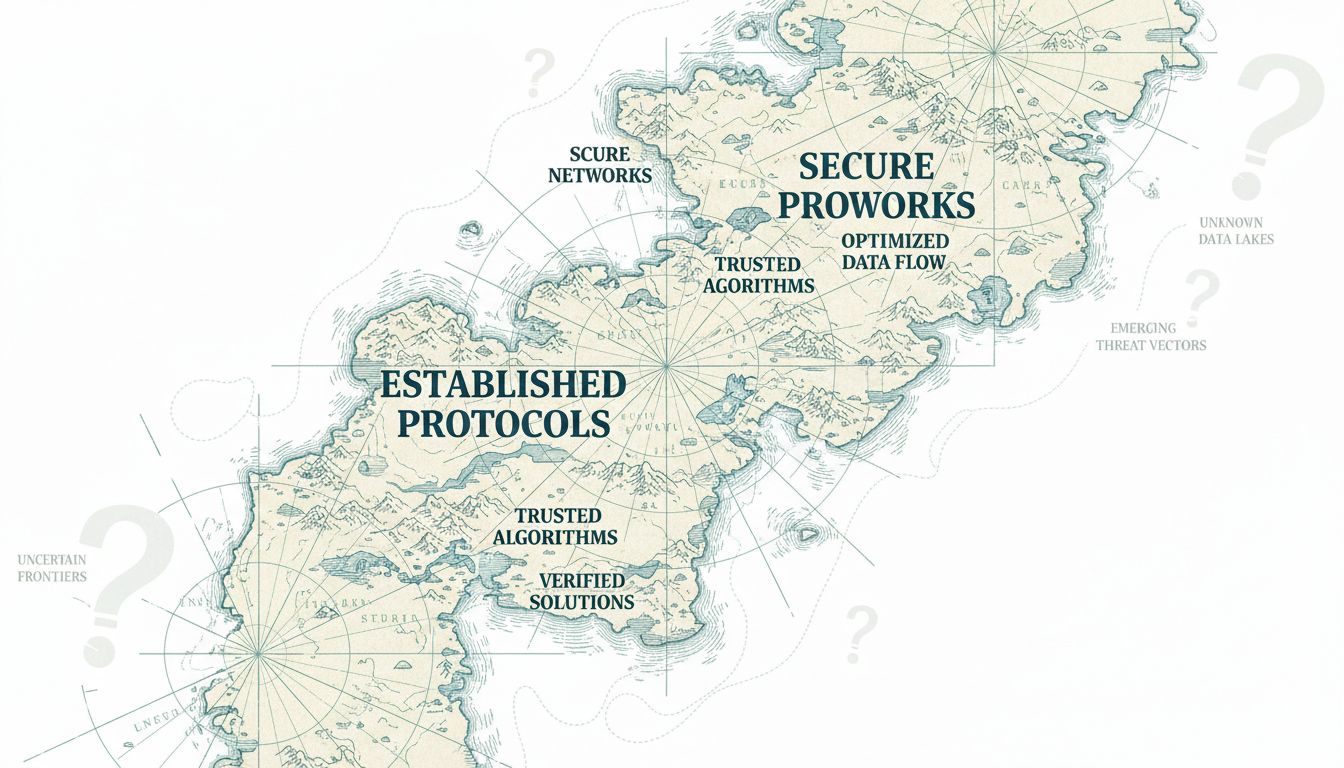
High code coverage feels like safety. It isn't. The bugs that sink products are the ones your testing philosophy structurally ignores.

A DELETE statement looks trivial. Under the hood, it triggers cascades, locks, index rewrites, and compliance obligations that can sink a production system.
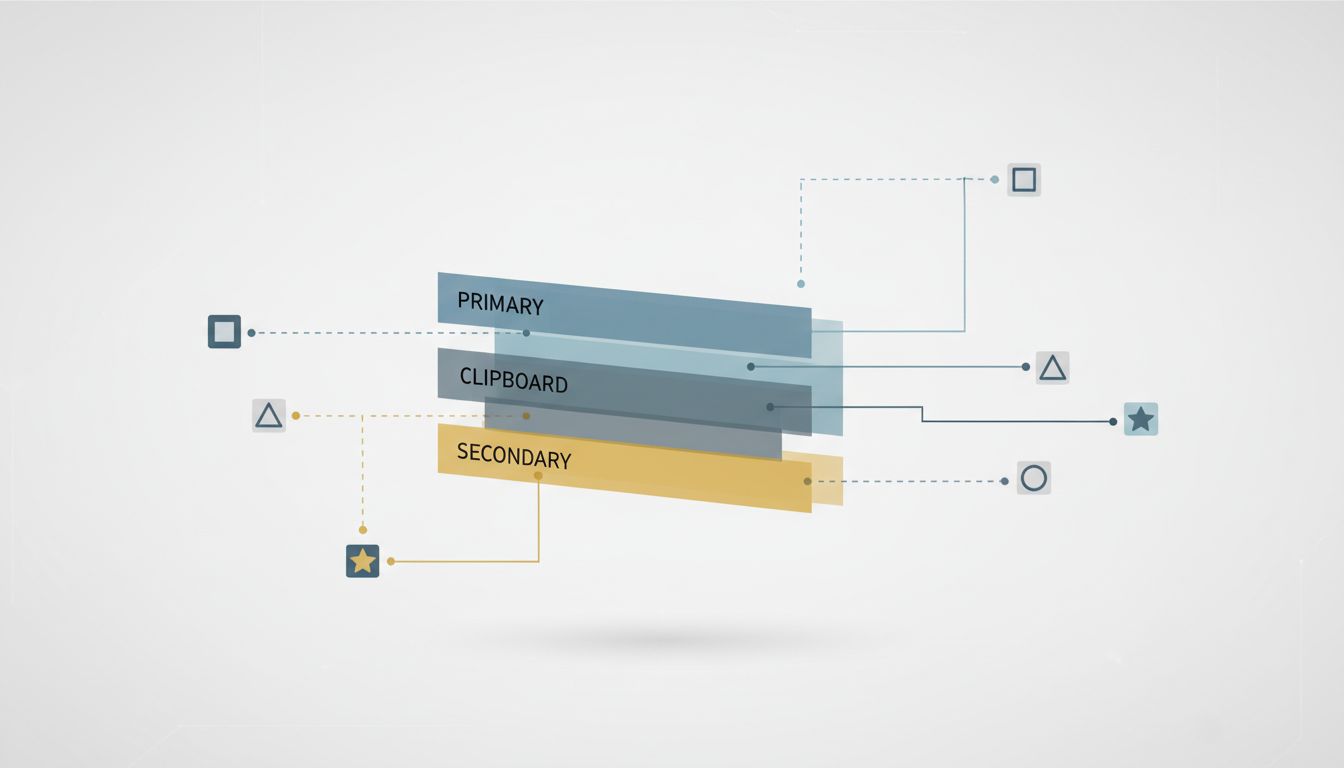
Copying text between apps feels like a single action. It involves at least a dozen separate operations, two different processes, and one surprisingly fragile protocol.
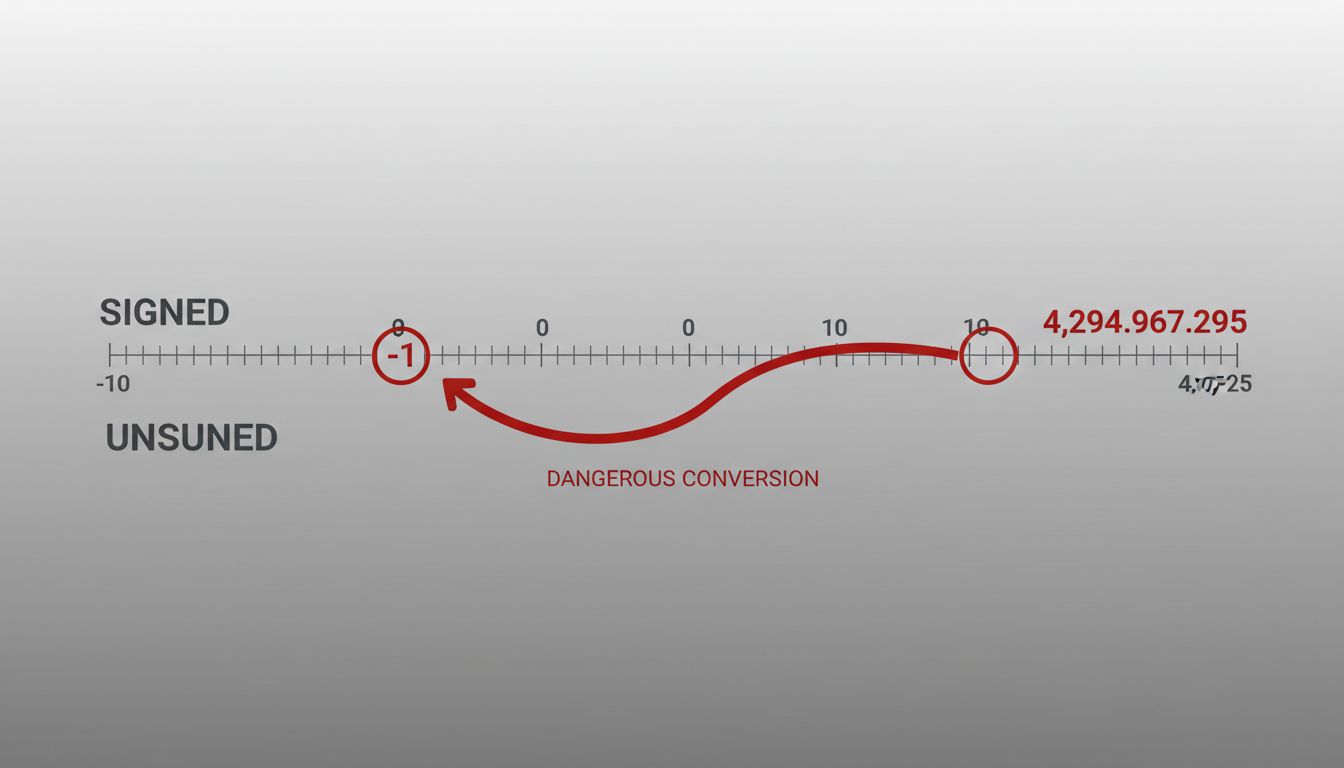
Signed/unsigned comparison warnings look like noise. They're actually pointing at a category of bug that has taken down real software in production.

A crash is honest. A concurrency bug lets your program keep running while silently producing wrong answers. That's the more dangerous failure mode.

Your for loop looks like three lines of code. Inside the CPU, it's a cascade of predictions, pipeline stages, and memory fetches happening in parallel.

Routers face packet collisions millions of times per second. The solution is older, simpler, and more elegant than most engineers realize.

The best engineers don't write more code. They write less, say less, and design systems that do more with fewer moving parts.
Join thousands of readers who get our weekly breakdown of the most important stories in technology.
Free forever. Unsubscribe anytime.