Your Single Inbox Is Not a Productivity System. It Is a Waiting Room.
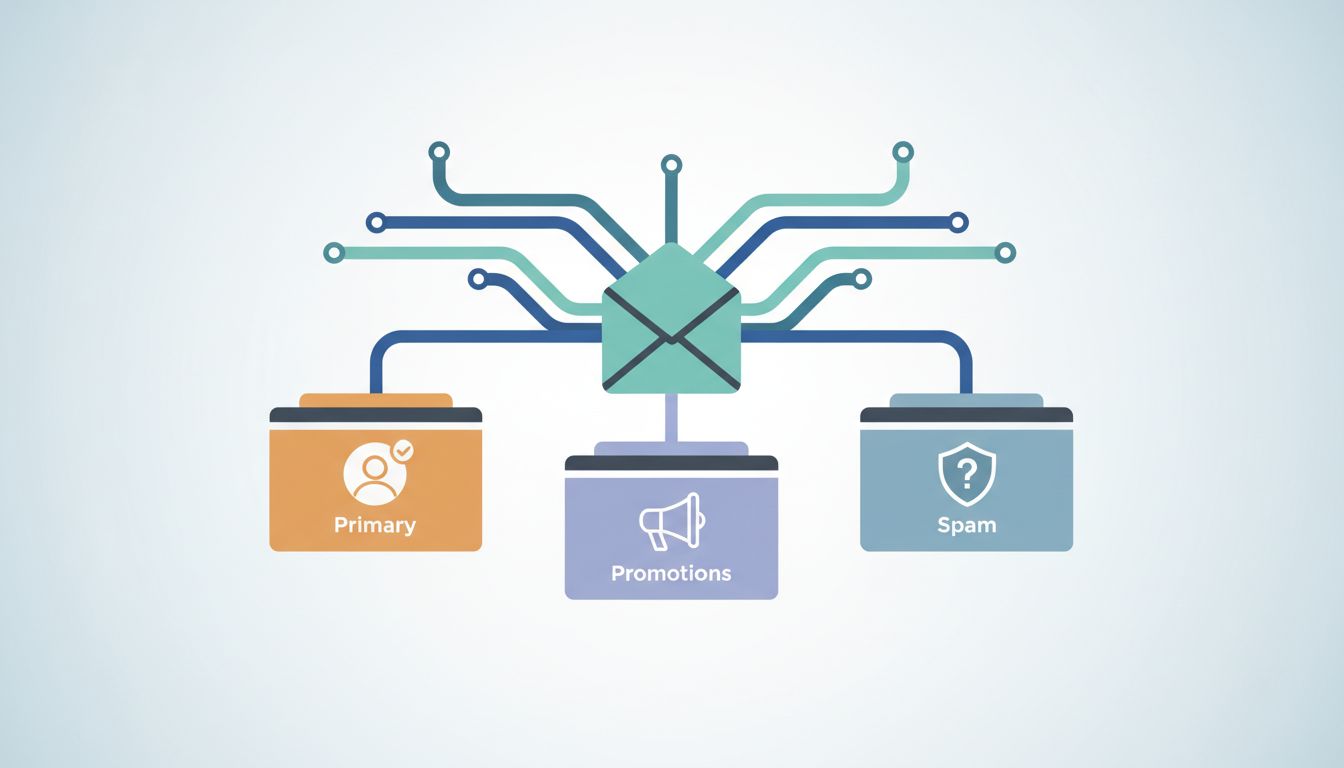
Using one email address for everything is like routing all your application traffic through a single untagged queue. The architecture is the problem.
Lena Park writes about software development practices, developer tools, and the culture of building software. A full-stack developer turned writer, she covers how engineering teams actually work: from architecture decisions to deployment strategies.
Using one email address for everything is like routing all your application traffic through a single untagged queue. The architecture is the problem.
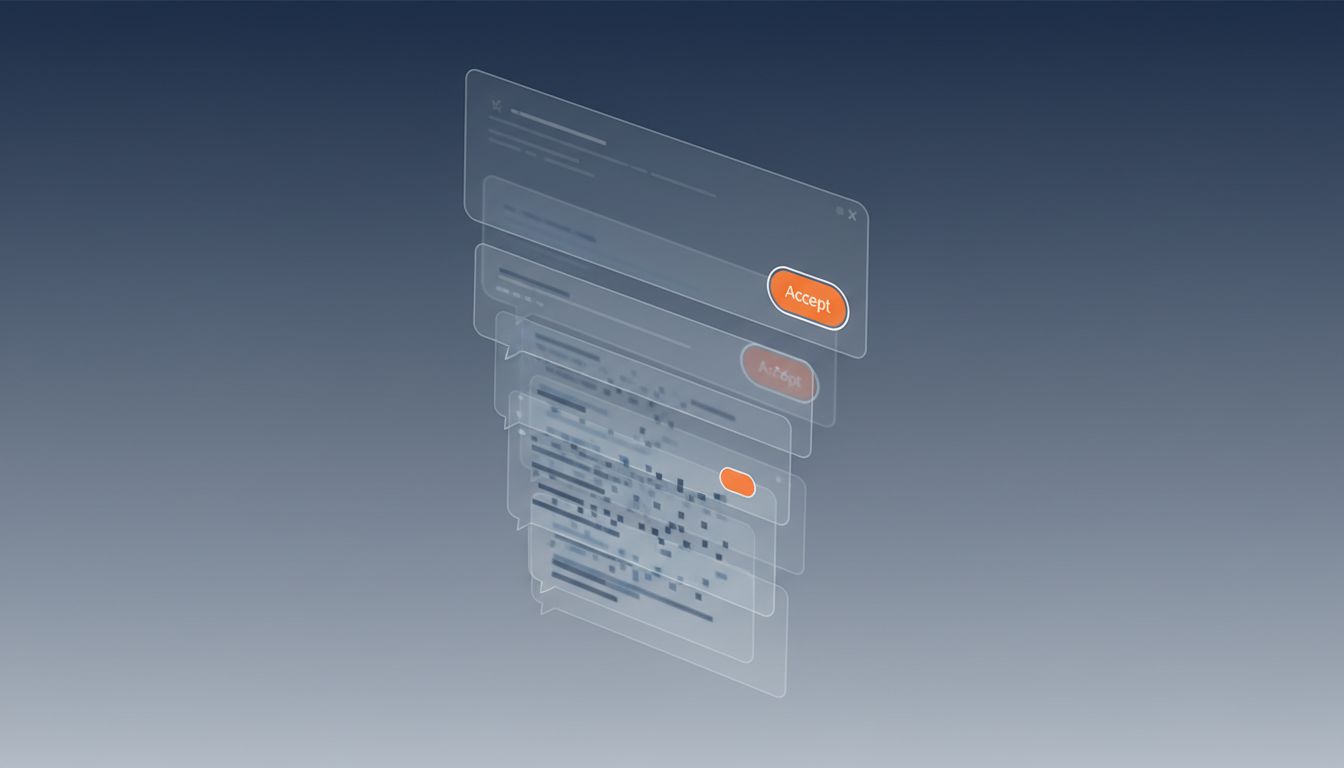
Zombie features aren't bugs or oversights. They're deliberate instruments for nudging user behavior in ways that never show up in a changelog.
More data should mean better AI. Sometimes it means the opposite. Here's the mechanism behind one of machine learning's most counterintuitive failure modes.
Keeping one browser tab open at a time sounds absurd until you understand what multiple tabs are actually doing to your working memory.
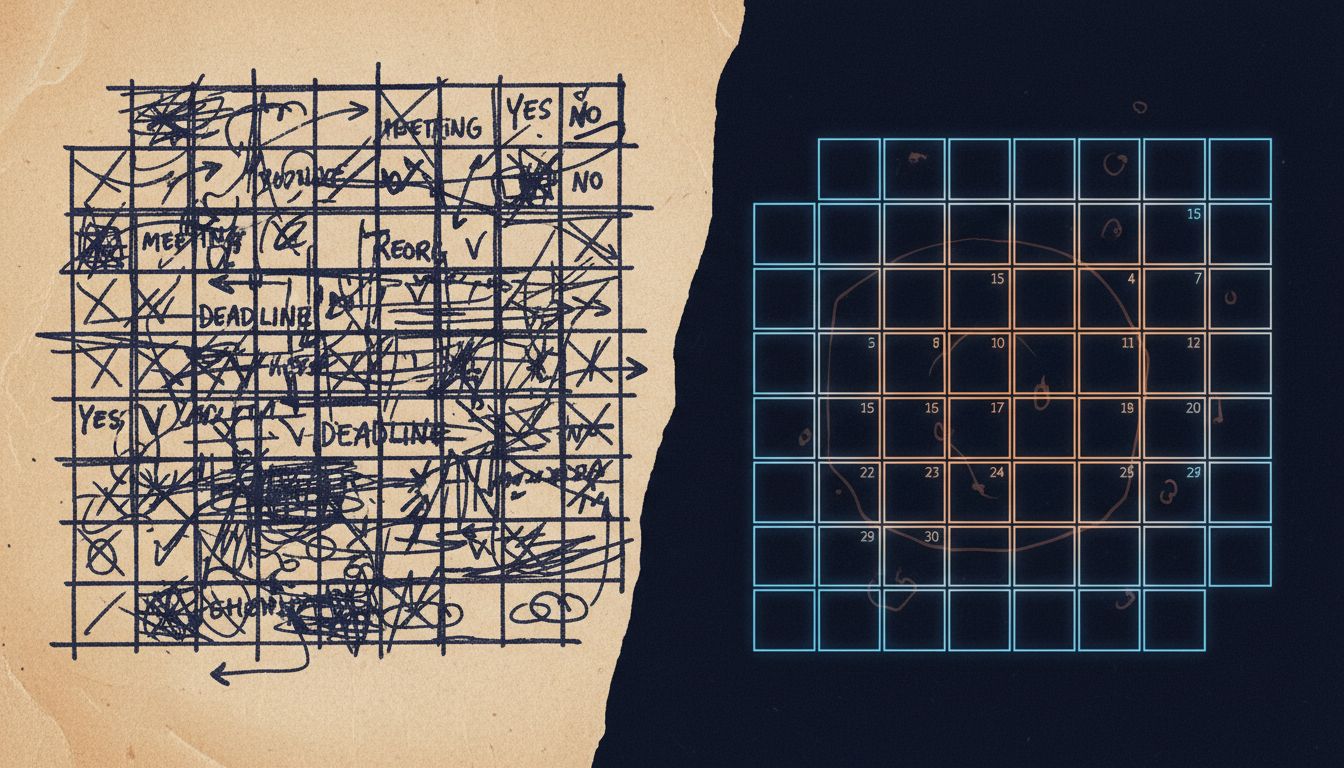
Blocking your calendar with invented meetings isn't a quirky habit. It's a workaround for a fundamental flaw in how shared calendars allocate attention.
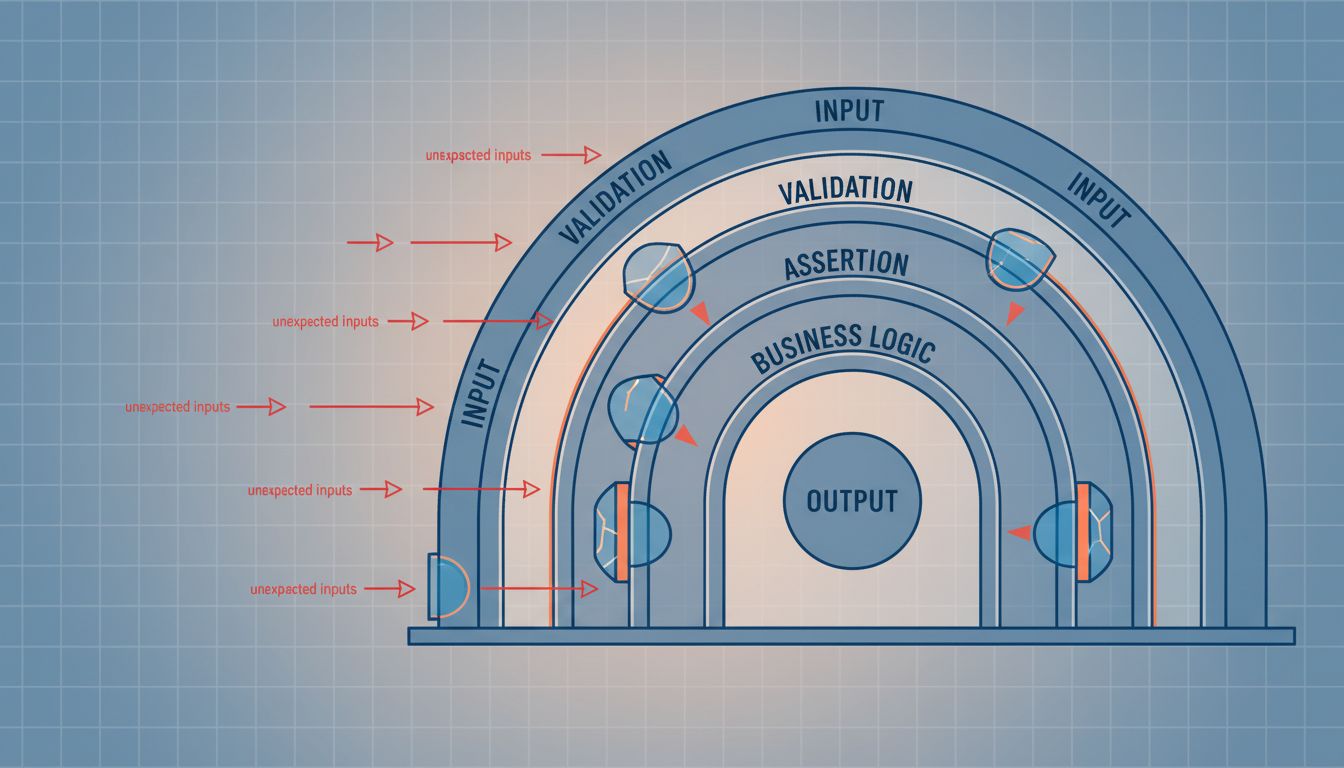
Opaque code isn't always accidental. Sometimes engineers write it that way deliberately, and the reasons reveal something uncomfortable about how software teams actually work.
The same architecture that lets an AI master chess in hours also means it can't add new knowledge without overwriting the old. Here's why that tradeoff is structural, not a bug.
Tech workers swear by one full offline day per week. The productivity math is fuzzier than the headlines suggest, but the cognitive science underneath it is real.
There's a real neurological reason why the best time for hard cognitive work clusters around mid-morning. It's not a productivity hack. It's circadian biology.
Slack and its competitors are optimized for engagement, not productivity. The teams shipping the most work figured this out years ago.
The friction in your privacy settings isn't accidental. It's engineered. Here's how the design works and why it's so effective.
Elite programmers deliberately step away from their hardest problems. This isn't avoidance. It's a technique with a real cognitive basis.
Every productivity system works at first. That's not a coincidence. It's a warning sign you're optimizing the wrong thing.
The real explanation sits at the intersection of cognitive load, contrast perception, and how developers actually read code. It's more interesting than eye strain.
The people who build attention-hijacking products often go to elaborate lengths to stop those same products from hijacking their own attention. Here's what they actually do.
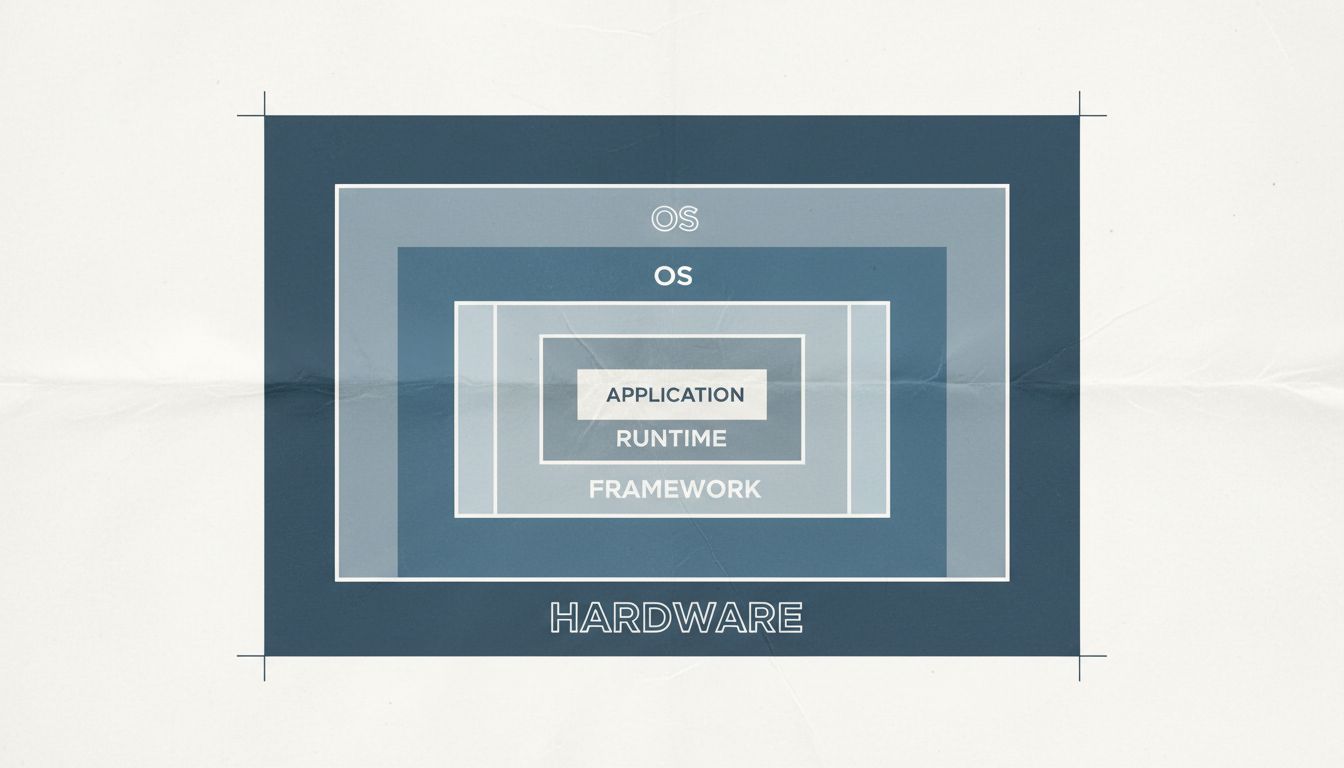
Planned obsolescence is a convenient story. The real explanation involves security patches, abstraction layers, and some genuinely uncomfortable tradeoffs developers make every day.
A/B testing started as a reasonable engineering tool. It became something closer to continuous psychological experimentation on users who have no idea it's happening.
The best engineers aren't the ones who write the most code. They're the ones who know what to remove, and why that's worth more.
Join thousands of readers who get our weekly breakdown of the most important stories in technology.
Free forever. Unsubscribe anytime.