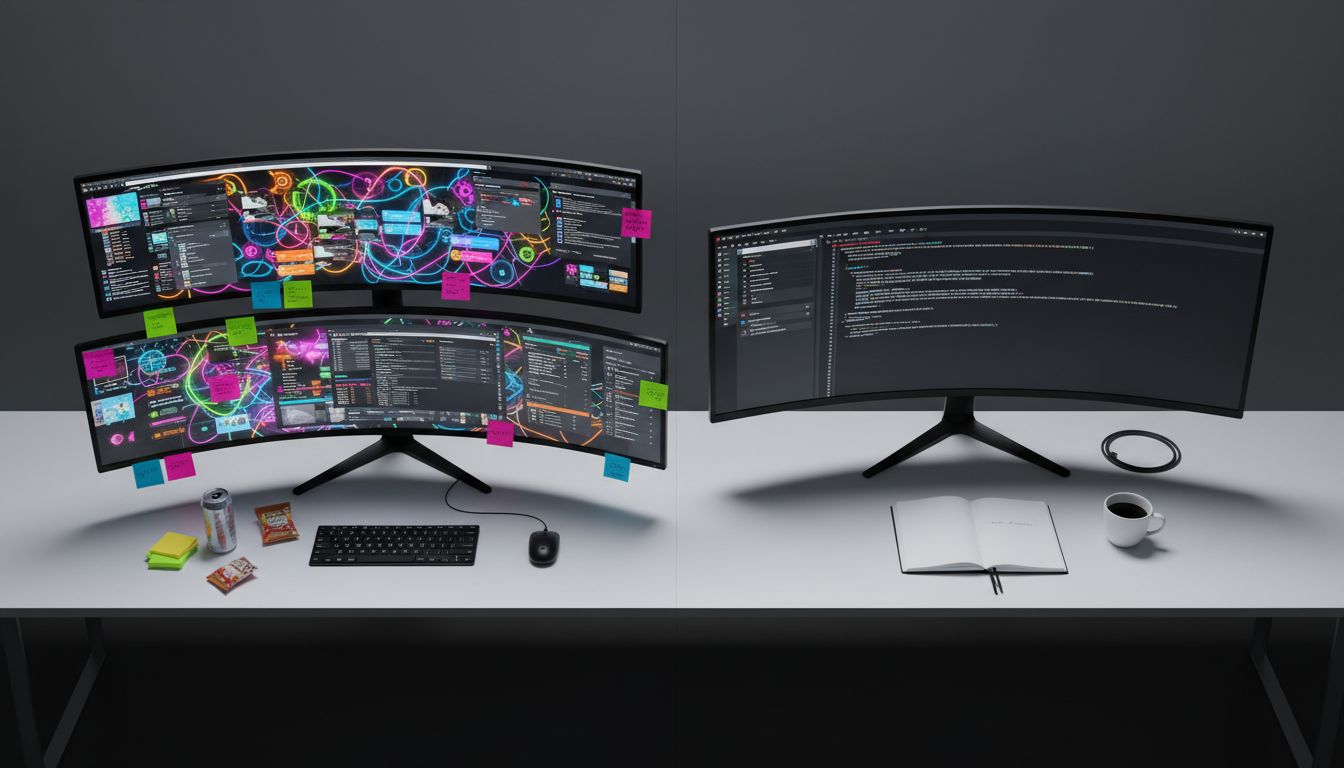
The Most Productive Teams Stopped Using Real-Time Collaboration Tools and Their Output Proves It
Real-time collaboration feels productive. Shared async documents actually are. Here's the technical and cognitive case for slowing down to speed up.
Lena Park writes about software development practices, developer tools, and the culture of building software. A full-stack developer turned writer, she covers how engineering teams actually work: from architecture decisions to deployment strategies.
Real-time collaboration feels productive. Shared async documents actually are. Here's the technical and cognitive case for slowing down to speed up.

Bad API design is rarely an accident. Here's the strategic logic hiding inside every frustrating authentication flow and confusing endpoint.
The Digital Sabbath isn't about disconnecting. It's about resetting the cognitive stack that makes you effective online the other six days.
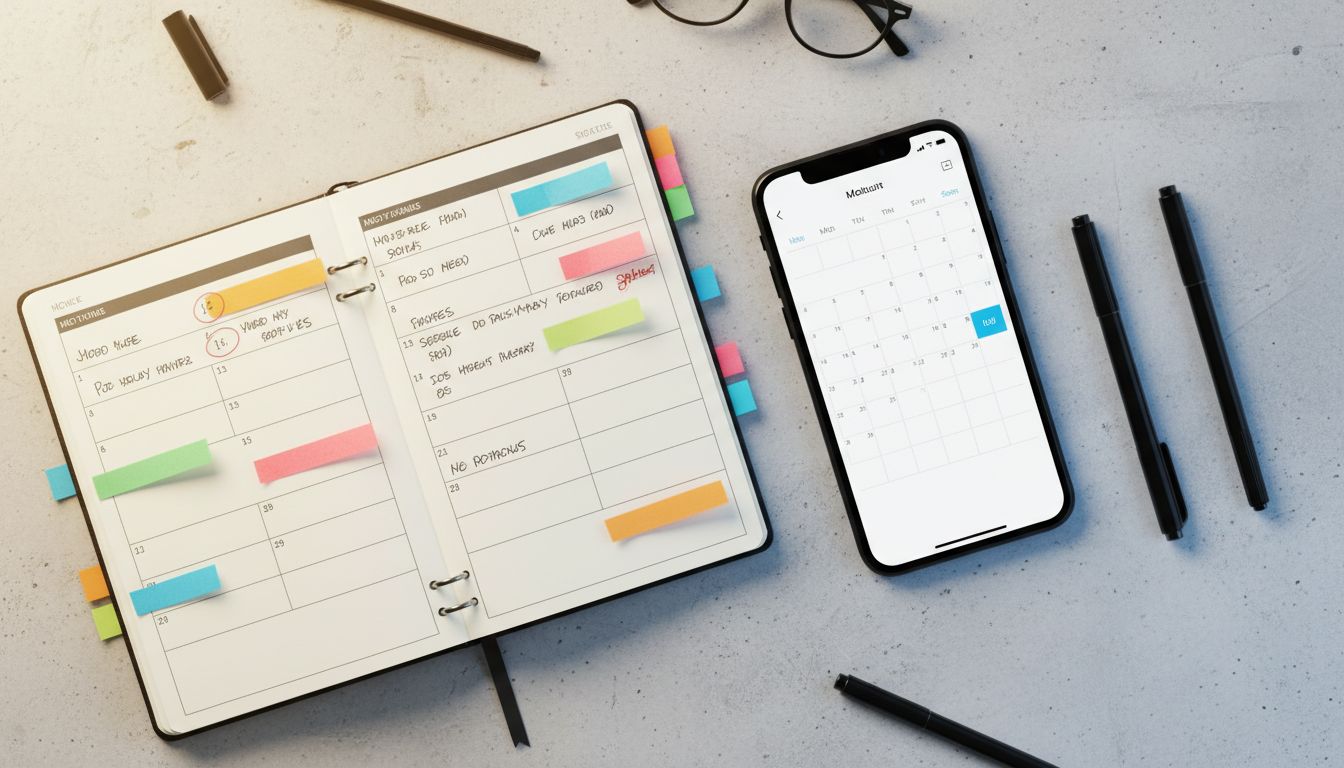
Your Google Calendar isn't just a planner. It's a memory offload system with a critical flaw that paper planners don't share.
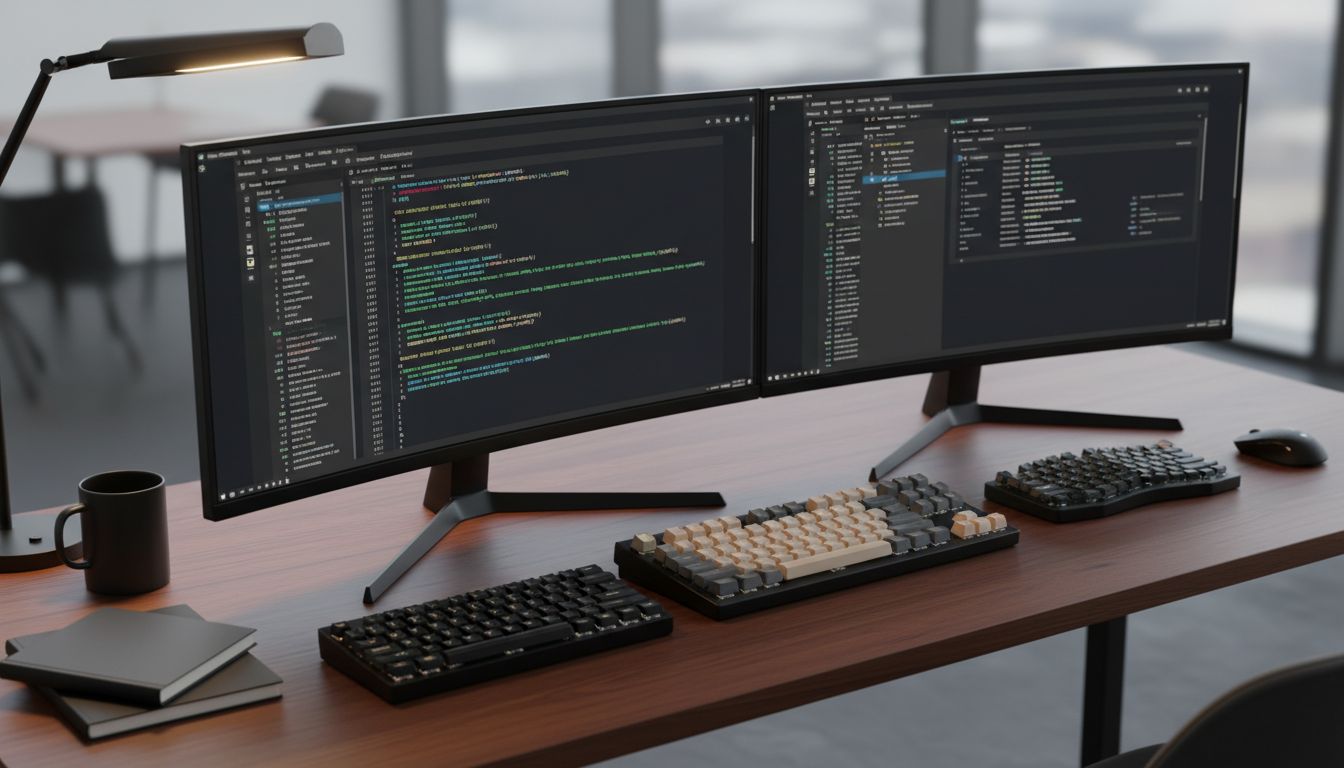
The two-monitor setup is everywhere. The three-keyboard setup is a secret. Here's the cognitive science behind why serious knowledge workers swear by it.
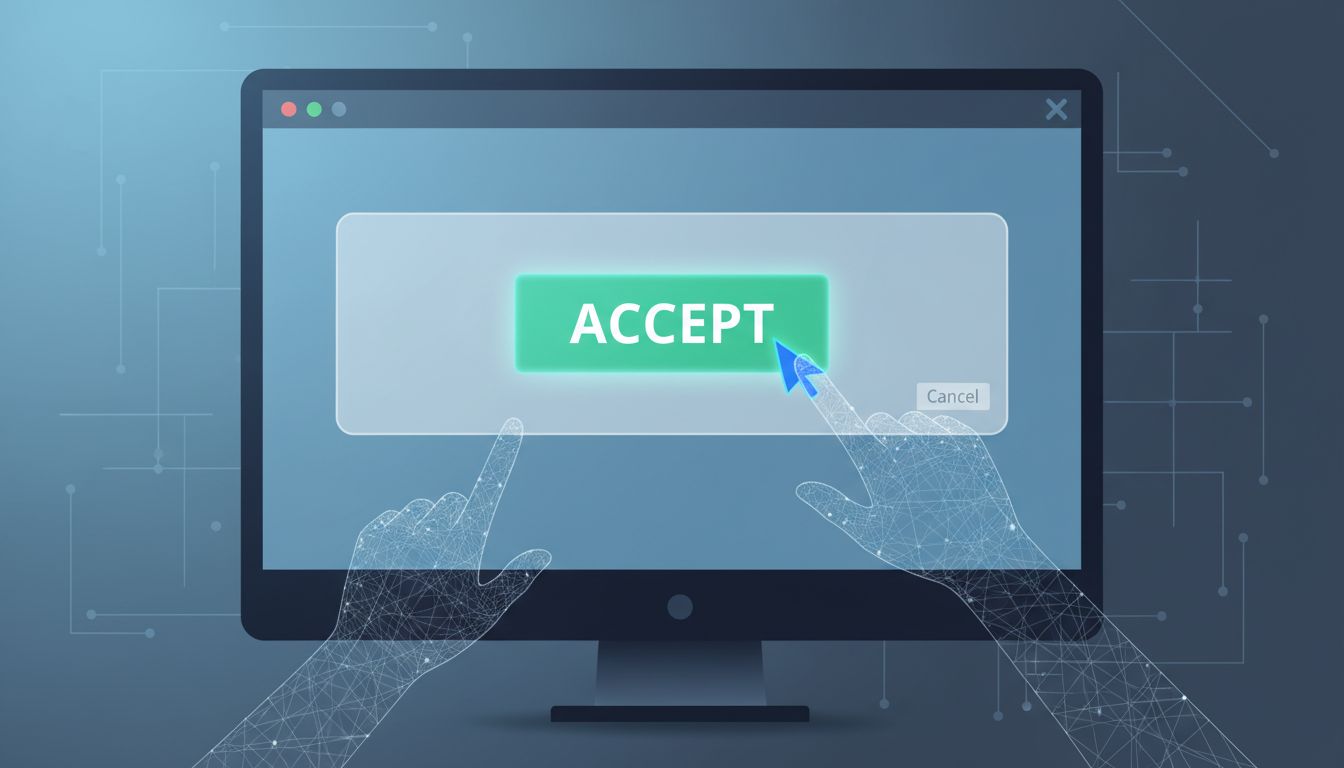
Dark patterns are user interface tricks engineered to override your judgment. Here's how they work, why they're so effective, and how to spot them.
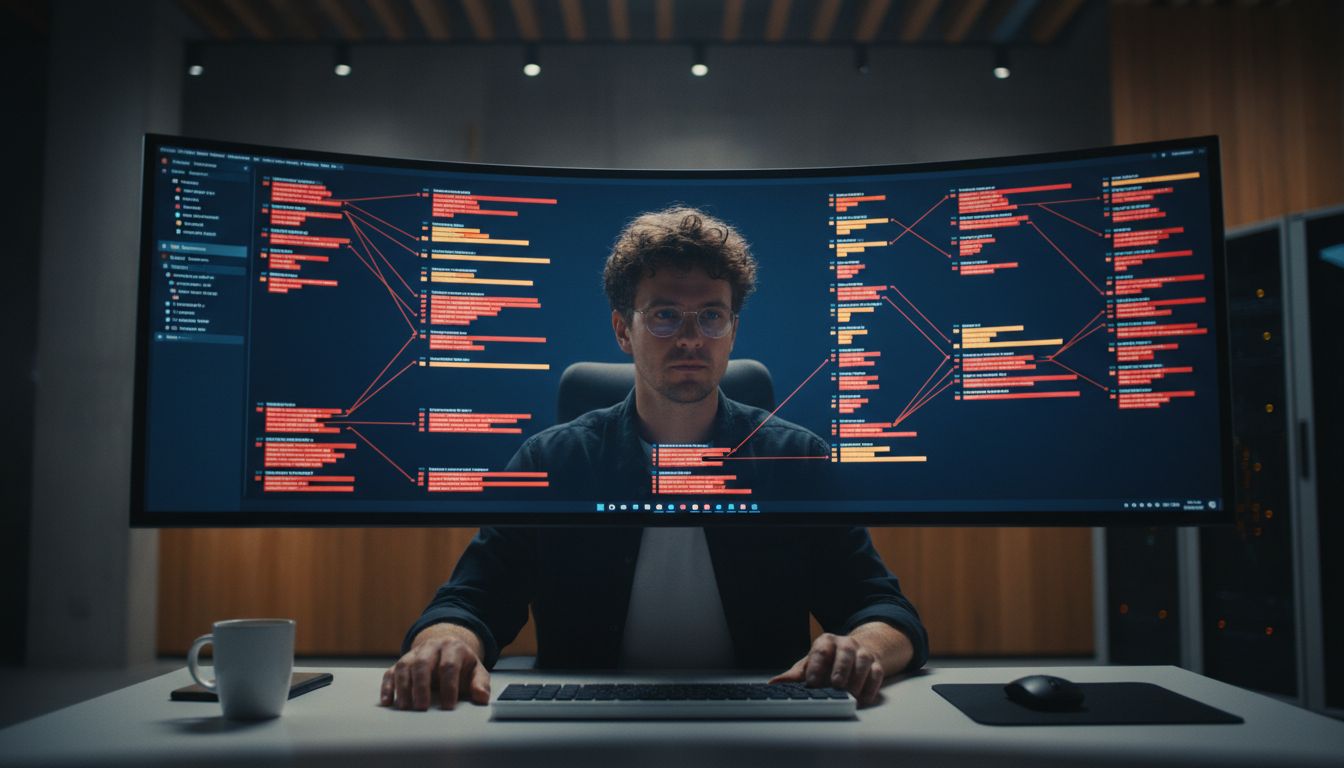
Shipping broken software isn't negligence. For most companies, it's the most rational decision they can make. Here's the math behind it.
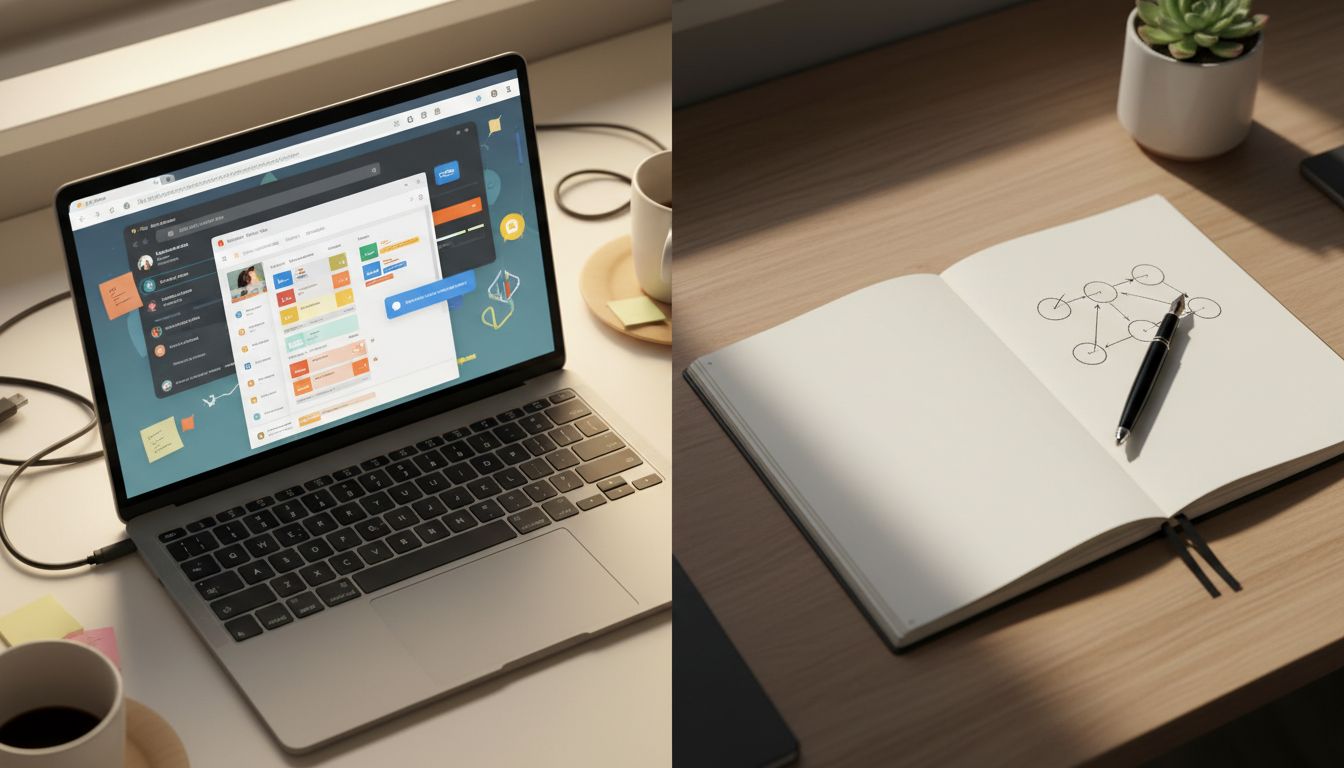
More tools, more tabs, more plugins — yet less gets done. The science behind why minimal setups consistently outperform maxed-out ones.
The real reason engineers prefer dark mode goes deeper than eye strain. It's about cognition, contrast, and how the brain processes code.
It's not a bug. The randomness baked into AI language models is a deliberate design choice, and understanding it changes how you use these tools.
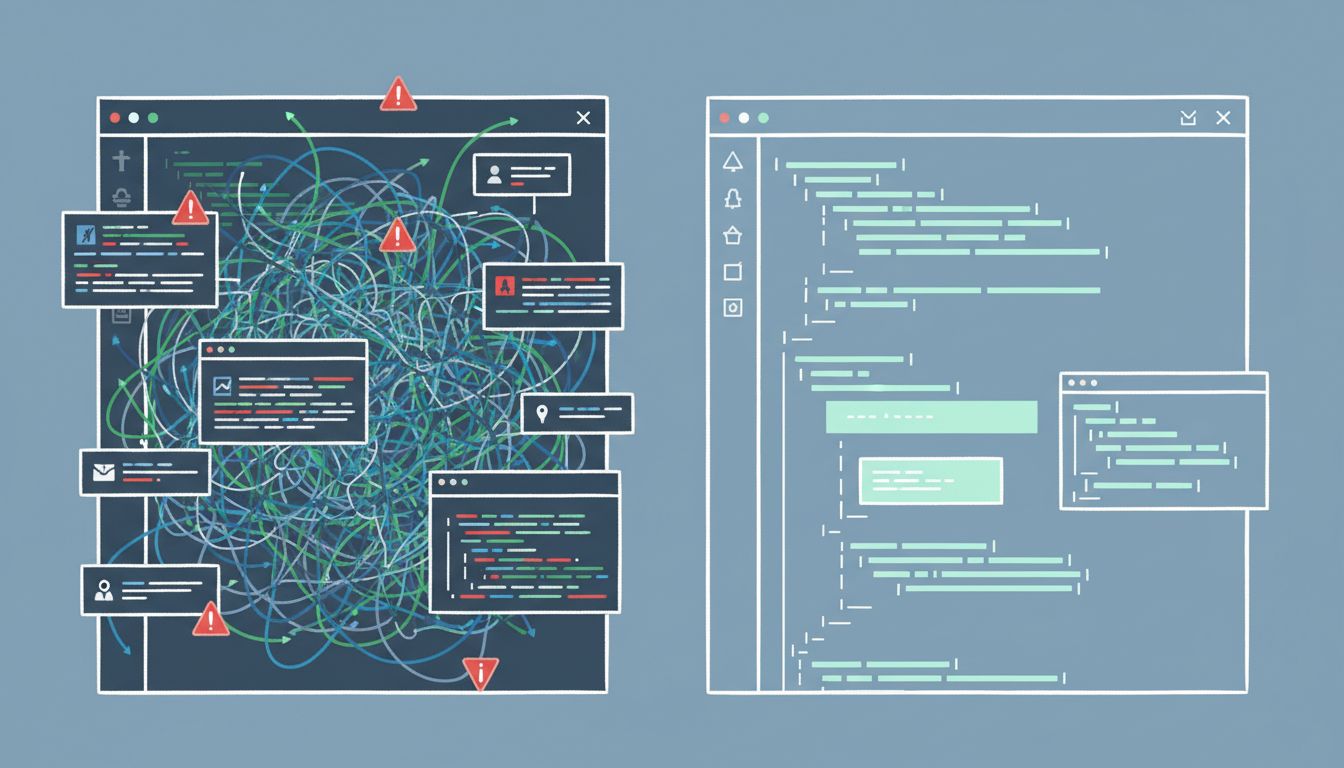
Cognitive Load Theory isn't just classroom psychology. The best engineering teams in the world are using it to ship faster, debug less, and think clearer.
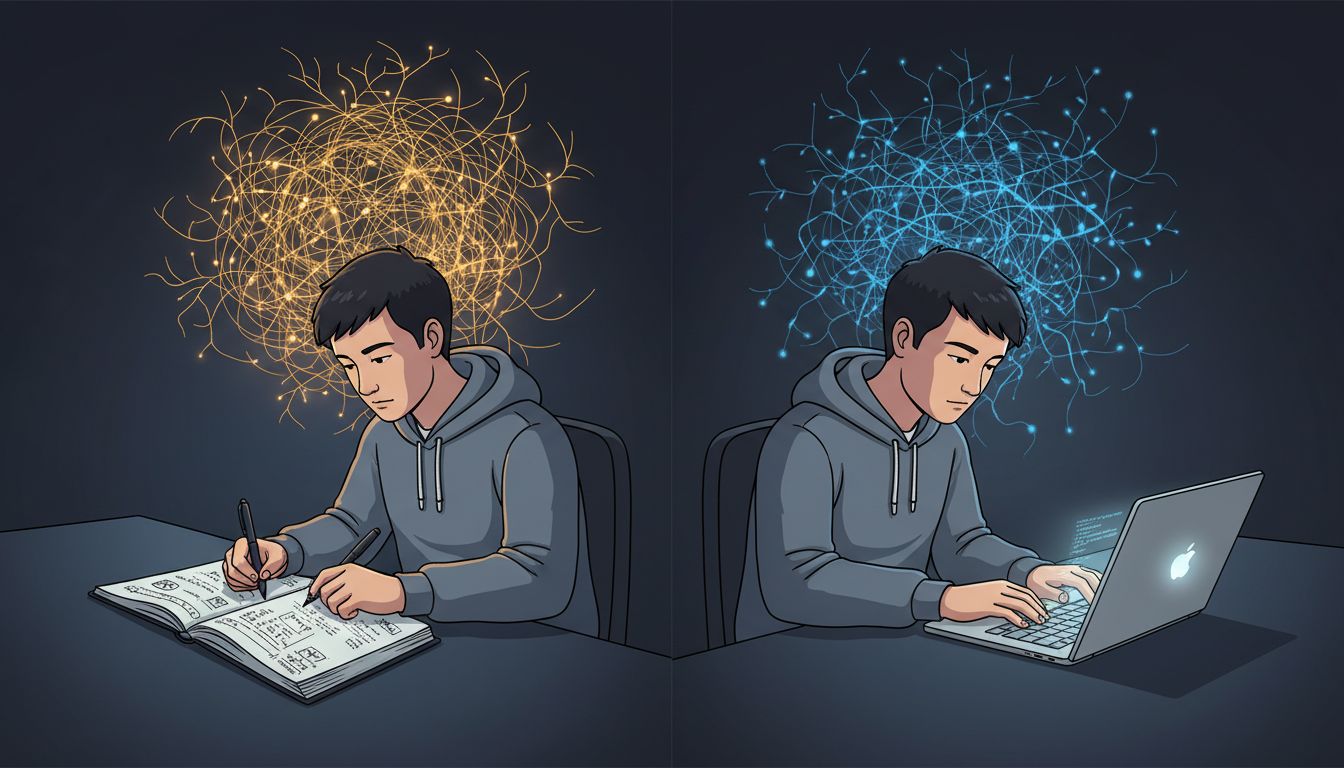
Your brain encodes handwritten notes differently than typed ones. The reason is buried in neuroscience, and no app has figured out how to replicate it.
The same manipulative design tricks used on consumers are quietly running inside corporate software. Your employer probably already deployed them on you.
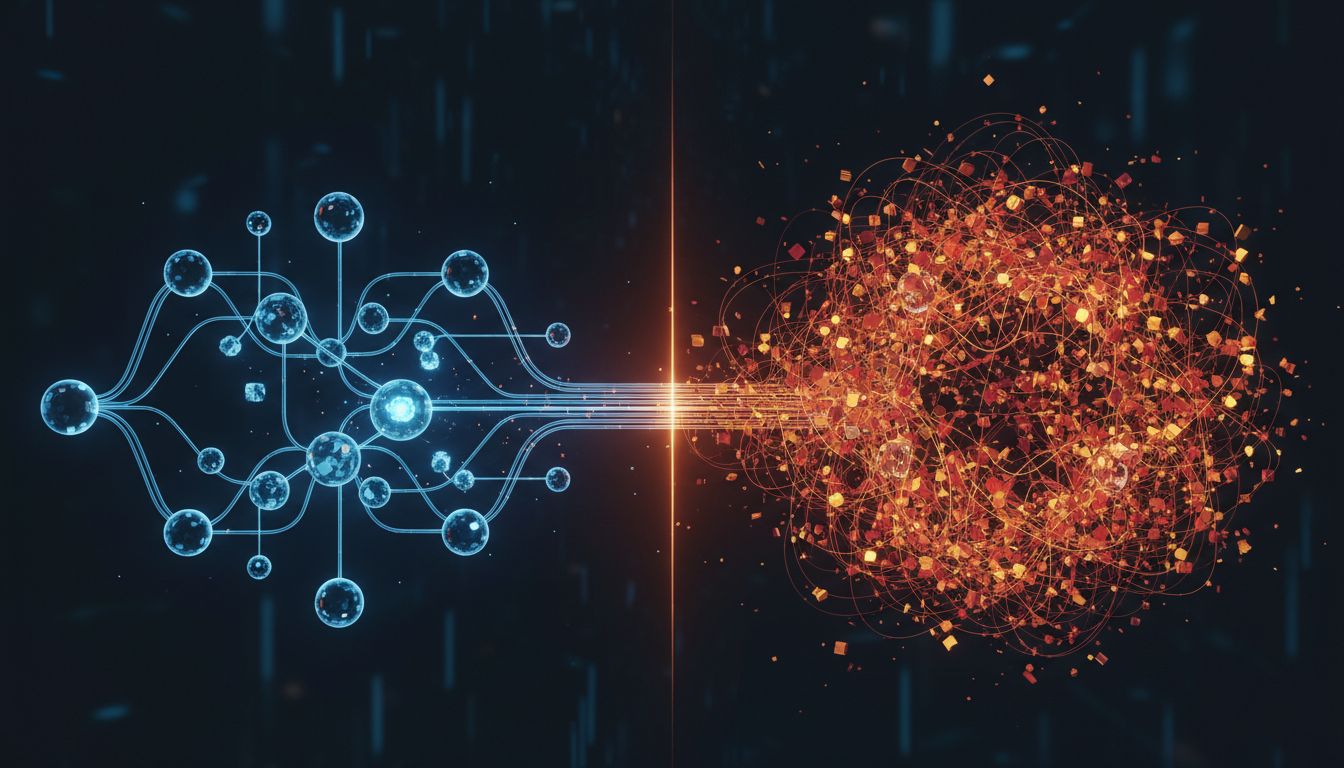
Adding more data to an AI model should make it smarter. Sometimes it makes it dumber. Here's the unintuitive math behind why.
Your $15/month note-taking app might be quietly destroying your best thinking. Here's what the research actually says.
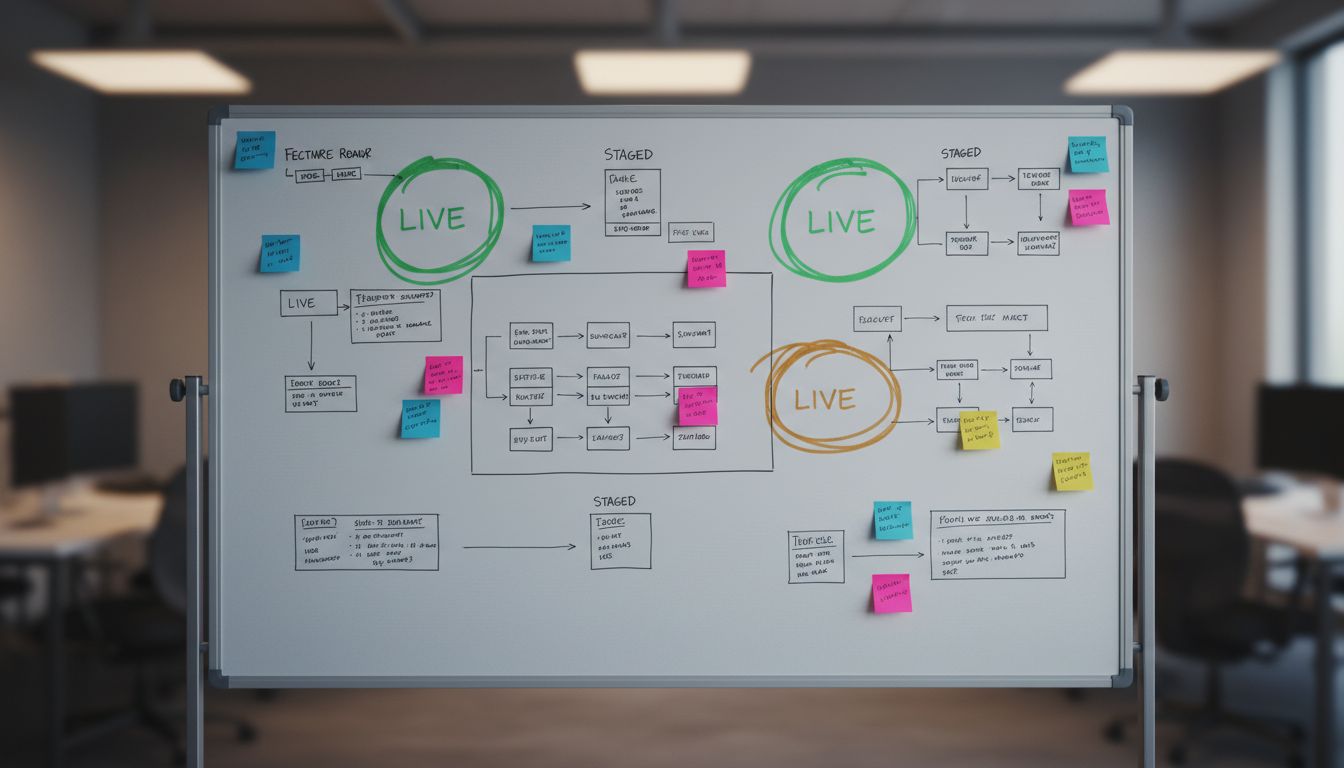
Shipping a feature was never the point. For many tech teams, building it was.
Your phone's notification system isn't a communication tool. It's a behavioral conditioning engine, and the engineers who built it know exactly what they made.
The secret isn't discipline or better apps. It's a filtering architecture that mirrors how good software handles queues.
Join thousands of readers who get our weekly breakdown of the most important stories in technology.
Free forever. Unsubscribe anytime.