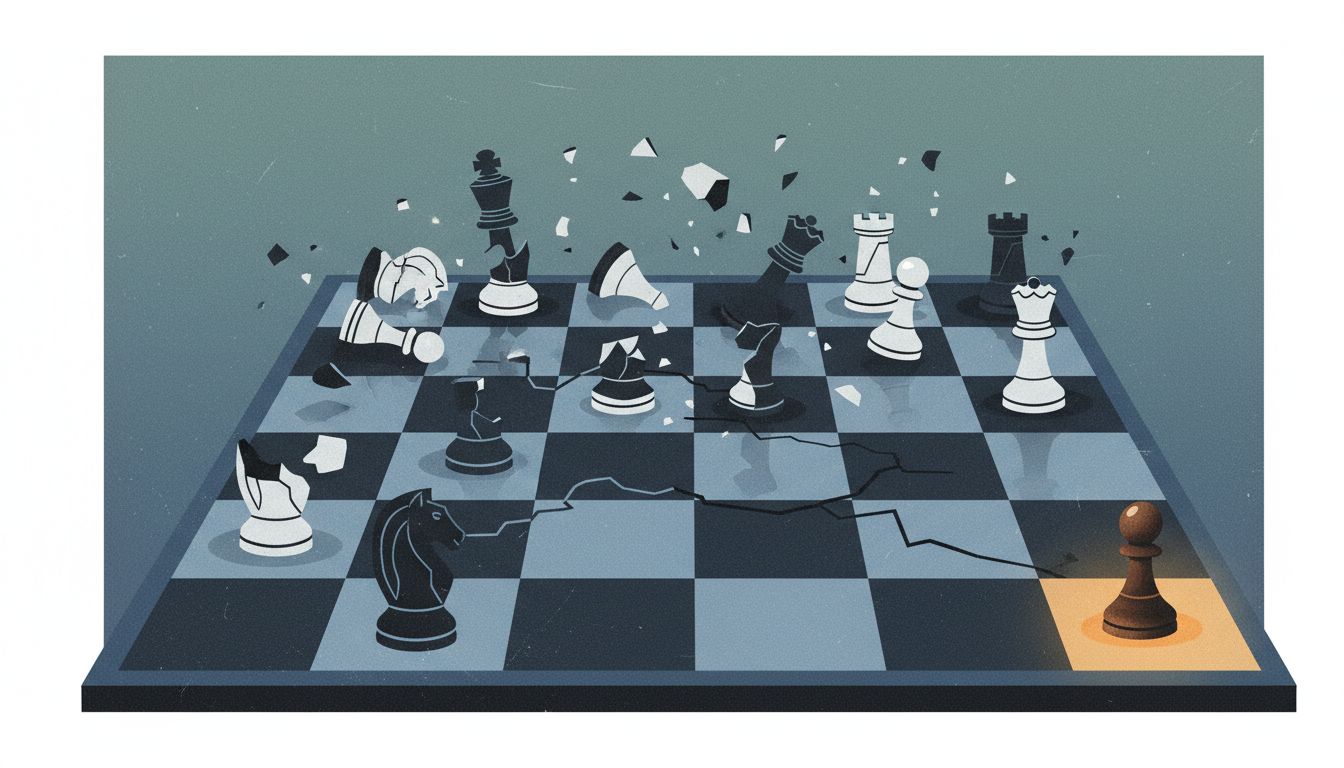
Startup Strategy
Tech Companies Launch Products They Know Will Fail Because Failure Is the Point
The doomed product launch isn't incompetence. It's a business strategy with real returns — if you know what you're actually buying.
The playbooks, pivots, and decisions behind building and scaling startups.
The doomed product launch isn't incompetence. It's a business strategy with real returns — if you know what you're actually buying.

The companies that eventually raised big rounds often spent year one doing things no VC would touch. That wasn't an accident.

Chasing total addressable market is how you lose to a well-funded competitor. The founders who win pick a smaller fight on purpose.
The doomed product on your screen isn't a mistake. It's doing exactly what it was built to do — just not for you.

Contrarian market selection isn't a lucky accident. It's a deliberate strategy, and the founders who use it understand something specific about how competition actually works.
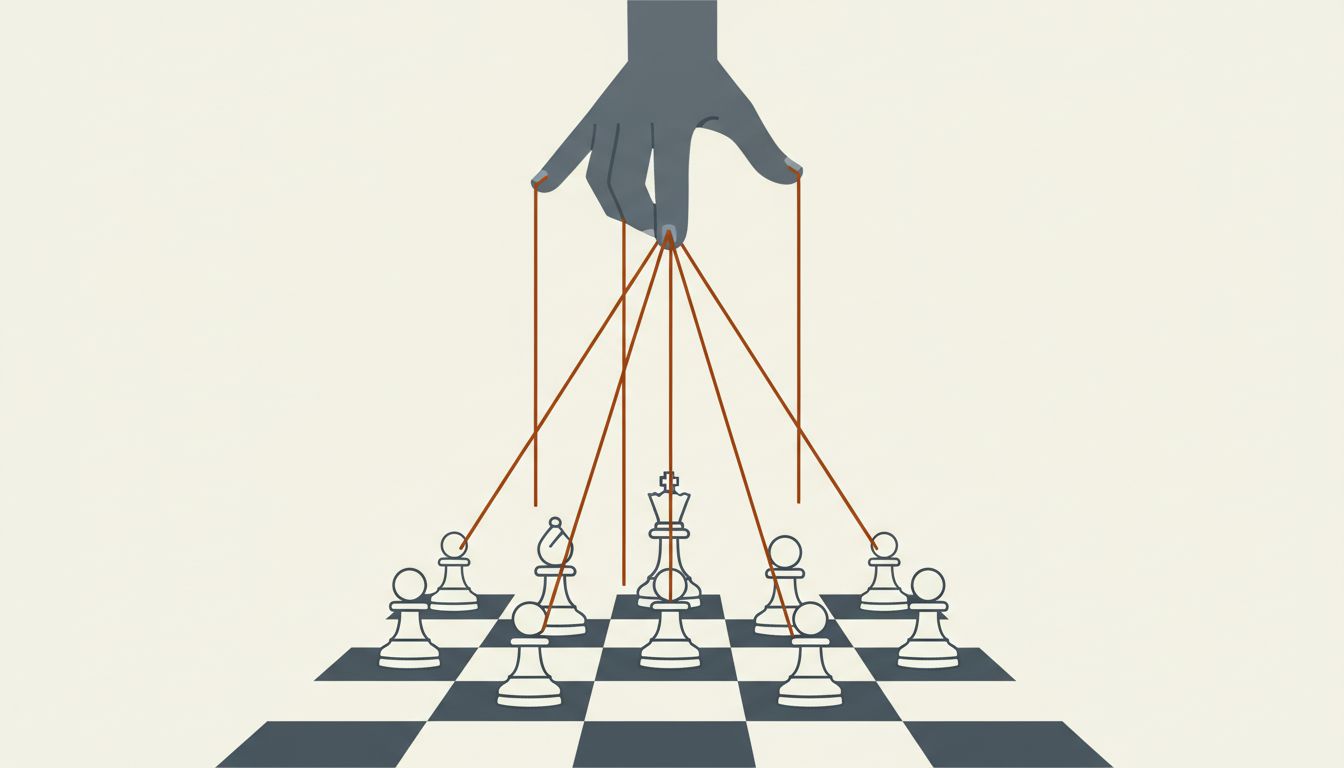
The conventional wisdom is that VCs back the best founders. The reality is they're constructing a position in a category, and your startup is just one tile in that mosaic.
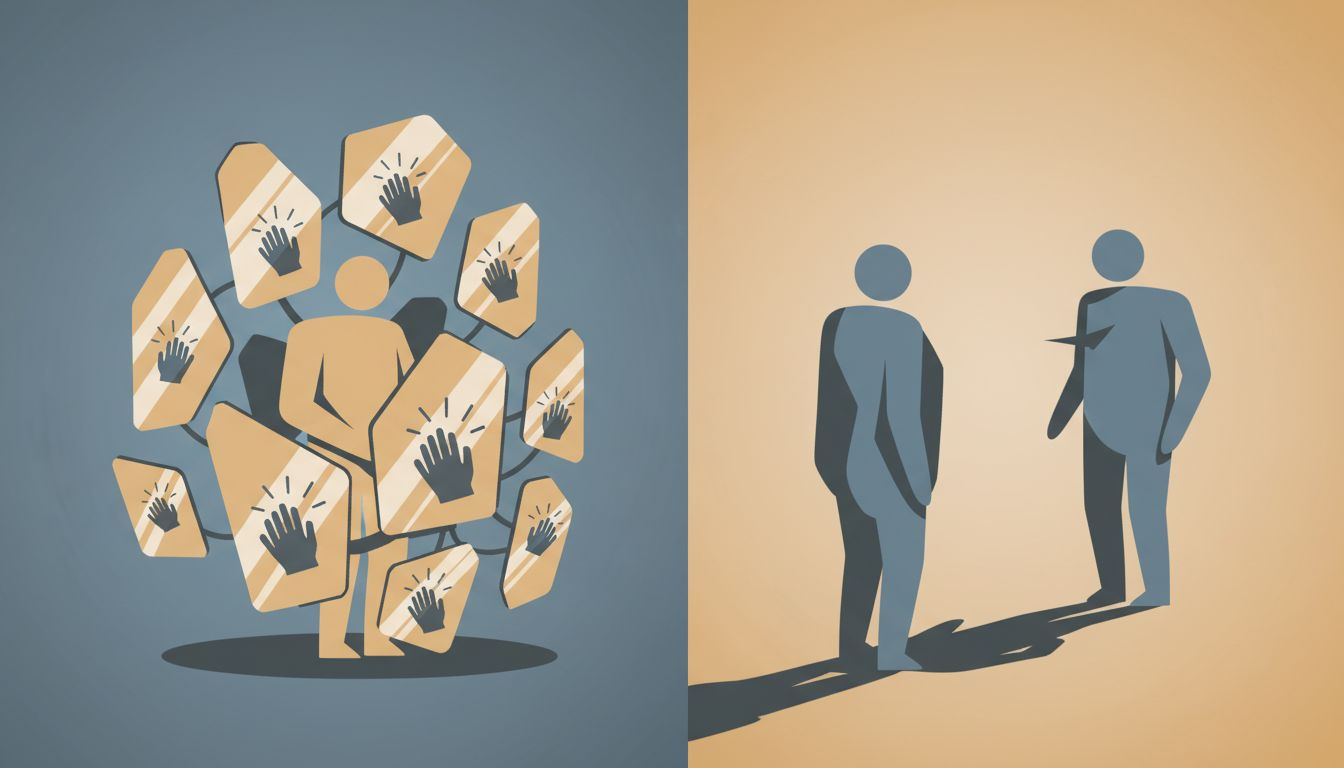
Fans tell you what you want to hear. Critics tell you what your customers are already thinking. Smart founders know the difference.

Google knew Glass would fail commercially. They launched it anyway, and the reasons why reveal something uncomfortable about how big tech actually operates.
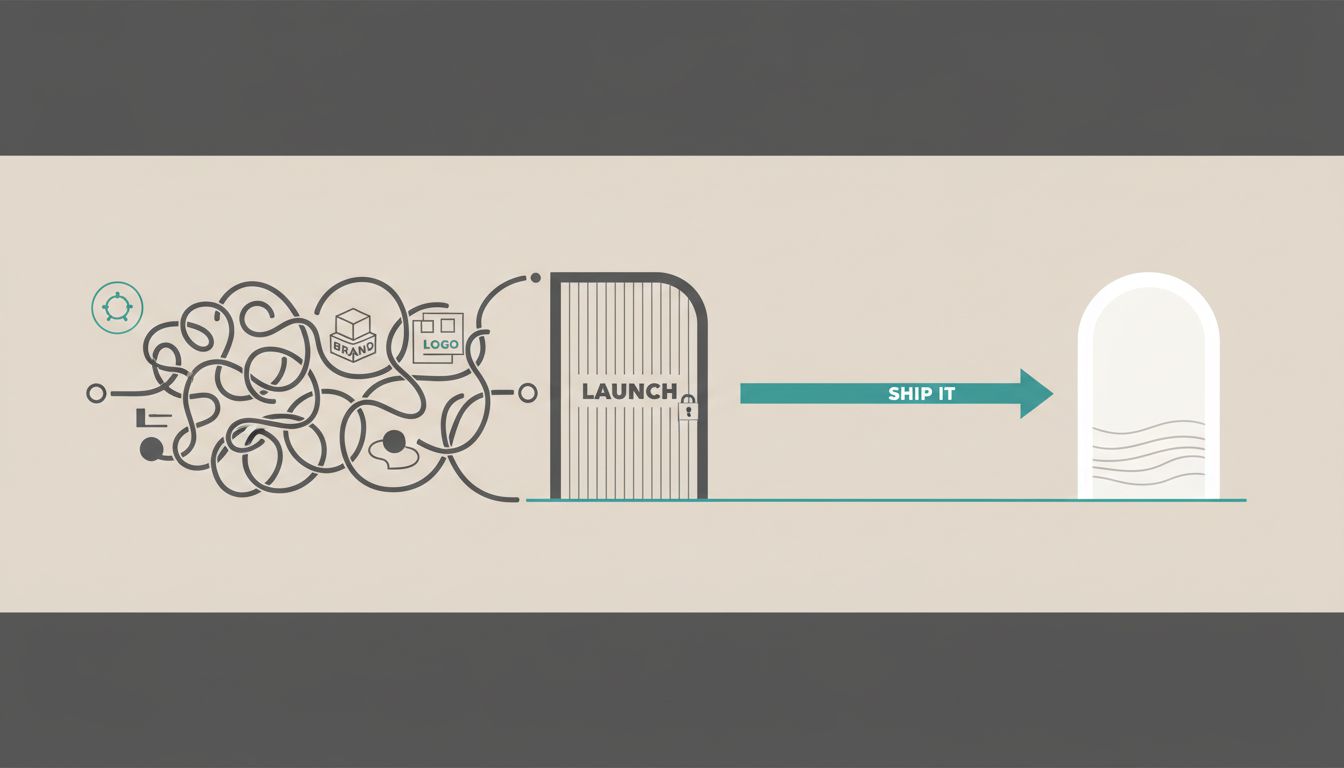
The founders who agonize over domains before writing a line of code are solving the wrong problem. Here's what the successful ones actually understood.
Most founders treat customer complaints as noise to be managed. The ones who built lasting companies treated them as the most honest product feedback they'd ever get.
The investors who passed on Stripe didn't misread the technology. They misread the incentive structure that governs how venture capital actually works.

Positioning yourself against a Goliath isn't recklessness. It's one of the most calculated moves in startup strategy, and the companies that do it well follow a predictable playbook.
Slack didn't grow by ignoring unhappy users. It grew by obsessing over them. Here's what that actually looked like.

The doomed product announcement isn't always incompetence. Sometimes it's the whole strategy.

The companies we celebrate for their brilliant strategies usually started with a model they knew wouldn't scale. That wasn't an accident.

The product that gets you in the door is rarely the product that makes you rich. Here's how the best startups exploit that gap on purpose.

Unshipped features aren't failures. They're organizational currency, and understanding that changes how you read any product roadmap.
The founders obsessing over the perfect domain name before launch are solving the wrong problem. Here's what the smart ones do instead.
Join thousands of readers who get our weekly breakdown of the most important stories in technology.
Free forever. Unsubscribe anytime.