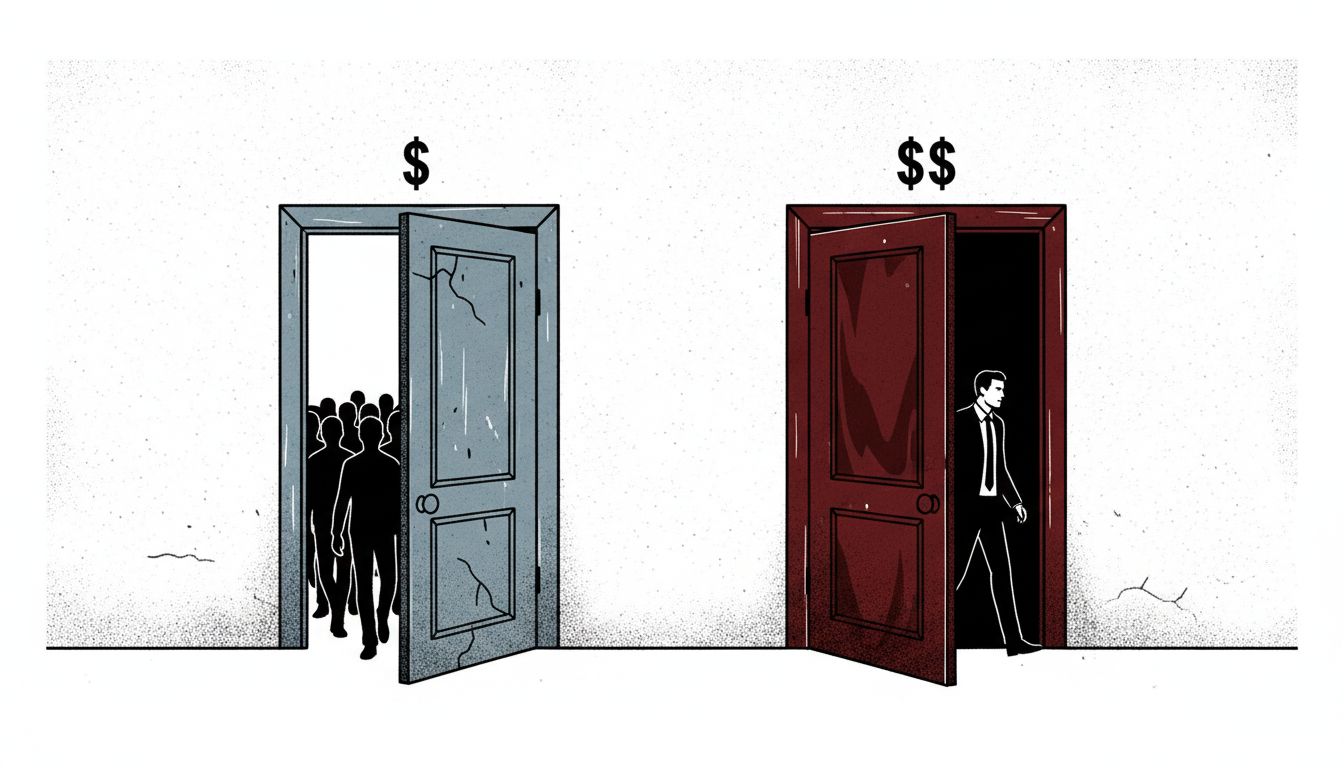
A founder I know once pitched his logistics startup to a room full of industry veterans. Halfway through, a senior VP from a major freight company interrupted him. ‘You clearly don’t understand how this industry works,’ the VP said. The founder smiled and replied, ‘I know. That’s why I built it this way.’ Eighteen months later, that startup had poached three of the VP’s largest clients. The ‘ignorance’ wasn’t a gap to fix. It was the whole strategy.
This is not a feel-good story about beginner’s luck. It’s about something more deliberate, more repeatable, and more counterintuitive than most startup advice will ever tell you. The best early-stage founders weaponize what they don’t know. And the incumbents, drowning in institutional knowledge, almost never see it coming. As it turns out, the most successful apps got big by solving problems nobody was willing to admit they had, and the pattern connecting them is almost always the same: an outsider who didn’t know they were supposed to fail.
What Strategic Ignorance Actually Means
Let’s be precise. Strategic ignorance is not the same as being uninformed. It does not mean skipping research, ignoring customers, or winging your product roadmap. It means consciously refusing to internalize the assumptions that define an industry, even after you’ve learned what they are.
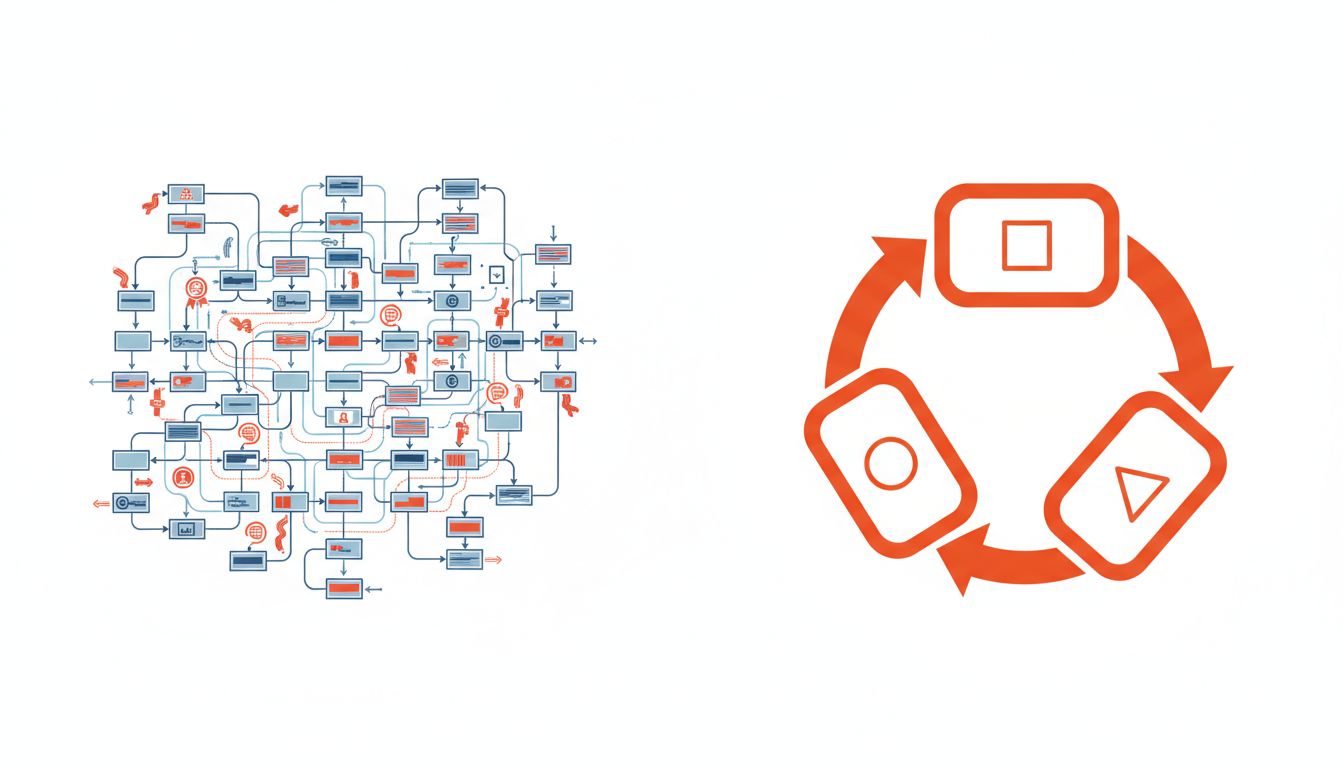
Incumbents accumulate knowledge the way cities accumulate infrastructure. Roads get built, then buildings go up around them, then you can’t move the roads without tearing down half the city. The same thing happens inside large companies. Years of lessons, failures, and hard-won expertise calcify into orthodoxy. ‘We tried that in 2009.’ ‘Customers won’t pay for that.’ ‘Regulators will never allow it.’ These statements aren’t lies. They’re often historically accurate. But they describe a world that may no longer exist, or a customer base that may no longer be the only one worth serving.
A startup walks in without those roads. The absence of infrastructure looks like a weakness. It isn’t.
The Incumbent’s Curse
Here’s what large companies can’t do, no matter how much money they throw at innovation: they cannot unknow what they know.
An established player in the hotel industry knew, with certainty, that strangers would never pay to sleep in each other’s homes. That knowledge was earned. It came from security incidents, liability nightmares, brand risk assessments, and a thousand PowerPoint decks. Airbnb’s founders didn’t have any of that knowledge. They just had a problem (rent was due), a hypothesis (people might pay to sleep on an air mattress), and zero institutional memory telling them it was impossible.
This pattern repeats constantly. The taxi industry knew ride-hailing wouldn’t scale because of insurance complexity. Blockbuster knew customers wanted physical selection and impulse browsing. Newspaper classifieds knew their advertiser relationships were locked in. Every single one of those knowledge positions was technically accurate and strategically fatal.
Strategic ignorance lets you ask the question incumbents have stopped asking: ‘What if the thing everyone knows is true, isn’t?’
How to Practice It Without Blowing Up Your Company
This is where founders get the concept wrong. They hear ‘strategic ignorance’ and interpret it as ‘ignore all feedback and trust your vision.’ That is not what this is. That’s just stubbornness with a better name.
The actual practice has two phases.
First, learn everything you can about the industry you’re entering. Read the trade publications. Talk to the incumbents’ former employees. Understand why things are the way they are. Do not skip this step. You need to know which assumptions are load-bearing and which ones are just habit.
Second, consciously decide which assumptions you will not adopt. Not which ones you’ll ignore out of laziness, but which ones you’ll reject as a deliberate strategic choice. Write them down. ‘The industry assumes customers want X. We are going to operate as if they want Y instead.’
This is what separates smart contrarianism from chaos. Winning startups treat customer complaints as a product roadmap, and the complaints that matter most are often the ones incumbents have been trained to dismiss because ‘that’s just how the industry works.’
Where This Strategy Lives and Dies
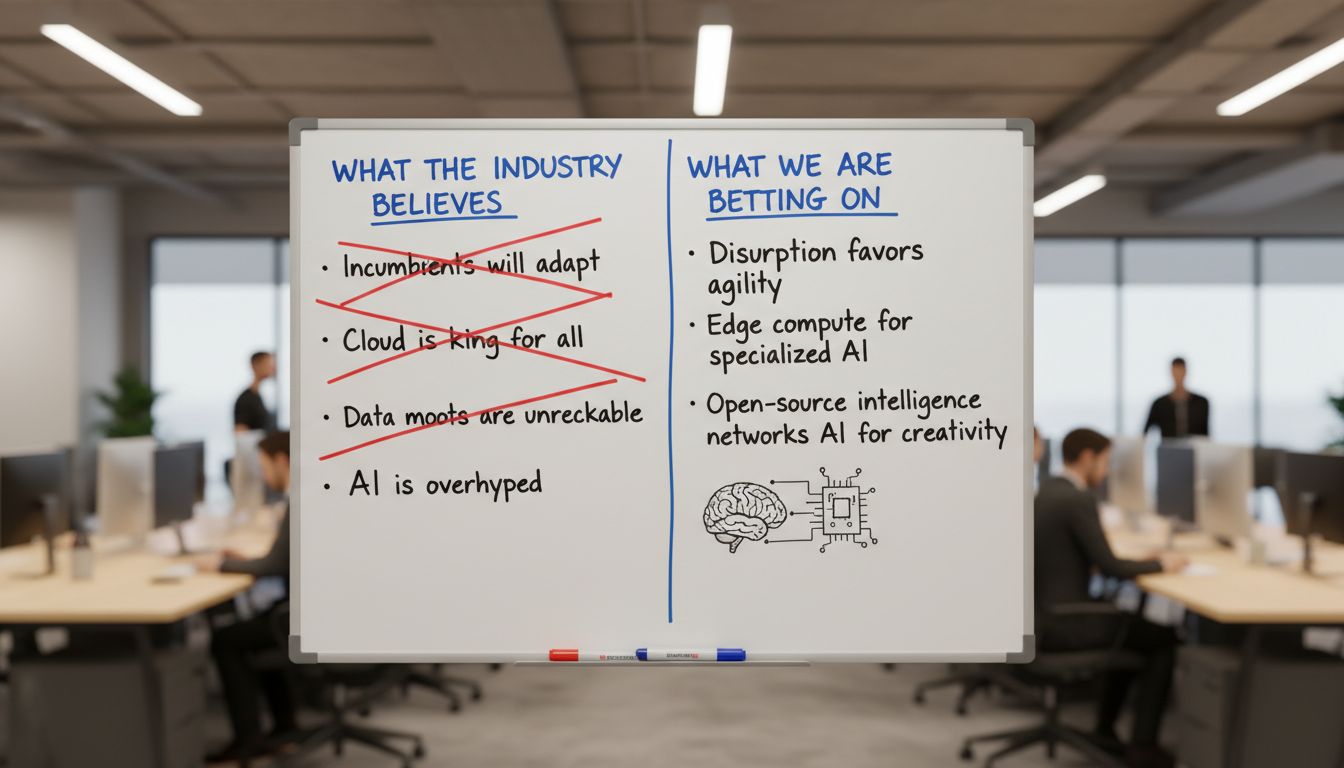
Strategic ignorance is most powerful at the edges of markets, not the center. If you’re trying to take on the core use case of a dominant incumbent, you need to be dramatically better, not just differently naive. But if you’re starting in a segment the incumbent has consciously ignored or actively dismissed, you have runway to build before they notice you.
This is why successful startups deliberately choose the wrong market first. The ‘wrong’ market is usually one the incumbent has already analyzed and deprioritized. That analysis, ironically, becomes your protection. They’ve already decided you’re not a threat.
The danger arrives when you start winning. Once your growth numbers become visible, the incumbent’s ignorance of you disappears. Now they can throw resources at the problem. Now their experience becomes an asset again. This is why the strategic ignorance phase of a startup has a shelf life. You use it to build a position, a user base, a product flywheel, a brand, and then you transition to competing on execution and scale.
The founders who misunderstand this think strategic ignorance is a permanent identity. It isn’t. It’s a phase. And the best founders are ruthlessly honest about when that phase has ended.
The Honest Limitation Nobody Talks About
Strategic ignorance can also get you killed if you apply it to the wrong things.
Ignoring industry orthodoxy about customer behavior? Productive. Ignoring industry orthodoxy about regulatory risk? Potentially company-ending. Ignoring assumptions about what problems are worth solving? Powerful. Ignoring assumptions about unit economics? Ruinous.
The discipline is in the selection. You are not betting that everything the industry believes is wrong. You are making a specific, bounded bet that one or two core assumptions are wrong, and you are building a business on that bet while respecting everything else.
This is also why early-stage companies that embrace strategic ignorance need to be especially rigorous about the things they’re not ignoring. Sloppy financial discipline doesn’t become a feature just because you’re being contrarian about your product. Early-stage startups that weaponize customer rejection outlast the ones that avoid it, precisely because rejection forces founders to distinguish between the assumptions worth breaking and the ones that are actually load-bearing.
The VP who told that logistics founder he didn’t understand the industry was right. The founder just understood something the VP had forgotten: sometimes the most dangerous person in the room is the one who hasn’t yet learned what’s impossible.