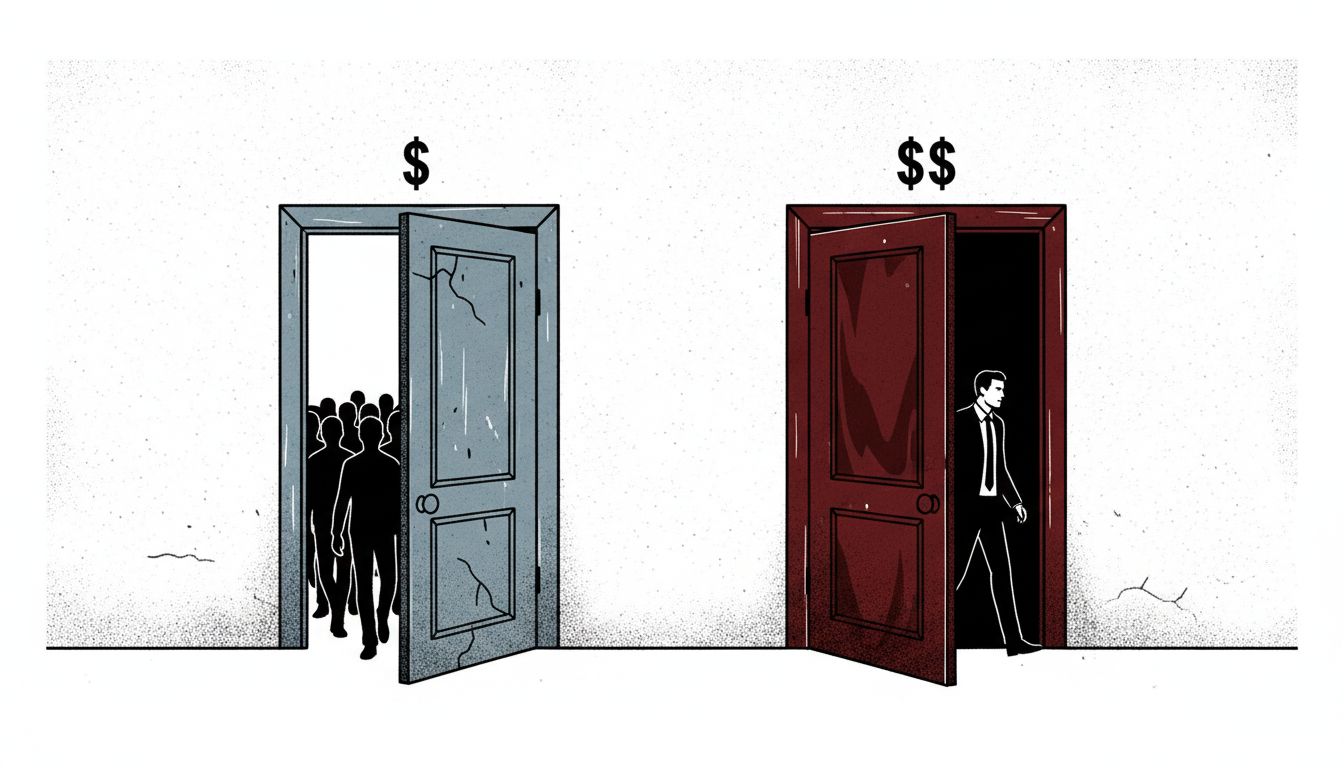
Picture this: a founder sits across from a venture capitalist and confidently explains that their product is priced so that most people cannot afford it. The VC leans forward, not to push back, but to ask where to wire the money. This scenario plays out more often than you think, and it reveals one of the most misunderstood dynamics in startup strategy. The best companies in Silicon Valley do not price for maximum reach. They price for maximum signal.
This is the Goldilocks Strategy, and it is far more calculated than it looks from the outside. Successful startups deliberately choose customers who cannot afford their product not out of arrogance, but because exclusivity, when engineered correctly, does the marketing for you.
What the Goldilocks Strategy Actually Means
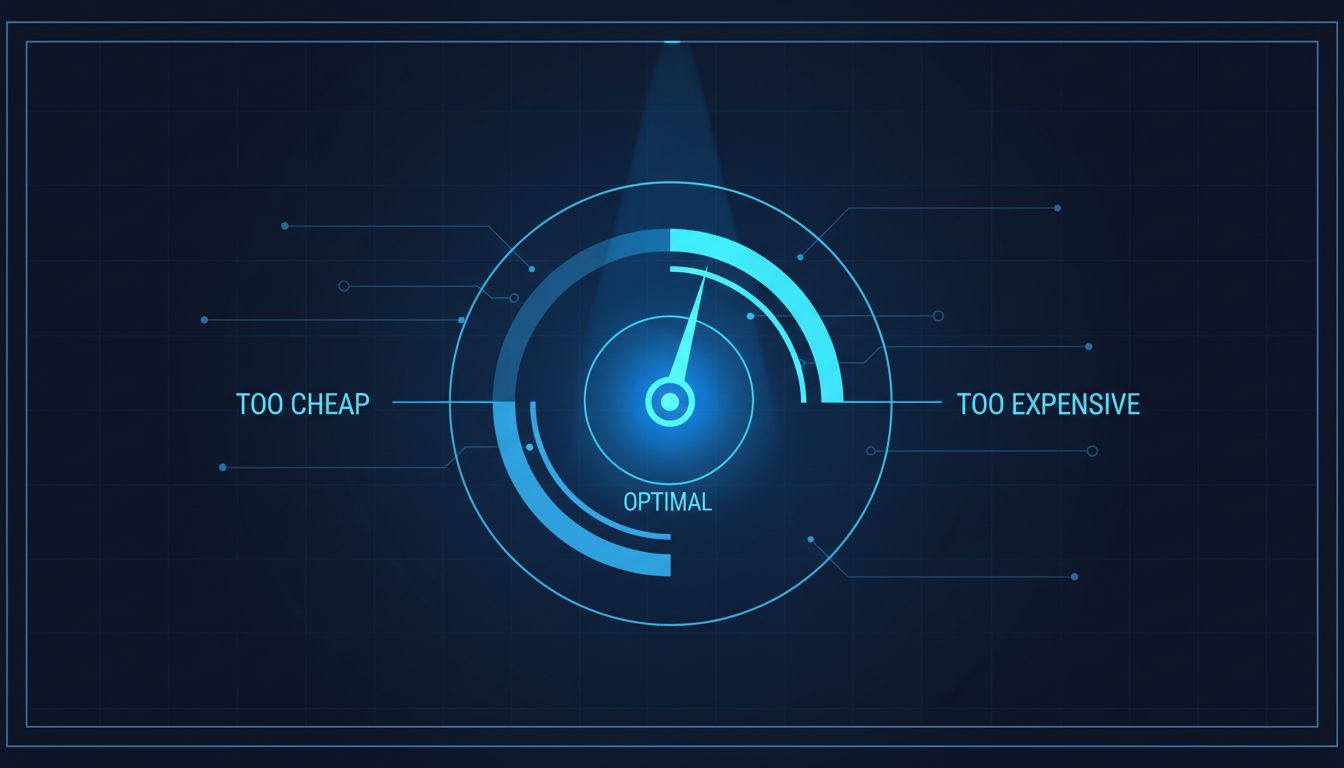
The name comes from the obvious fairy tale logic: not too cheap, not too expensive, but priced exactly right for a very specific slice of the market. The twist is that “exactly right” almost never means affordable to the majority. It means affordable to the customer whose behavior, spending habits, and social influence will build the brand for you.
Salesforce did this in the early 2000s. When cloud CRM was a foreign concept to most businesses, they priced aggressively enough to screen out small operators who would have generated support tickets but not referrals. They wanted mid-market and enterprise buyers who talked to each other at conferences, who compared notes in industry groups, and whose adoption would signal legitimacy to the next buyer in the chain.
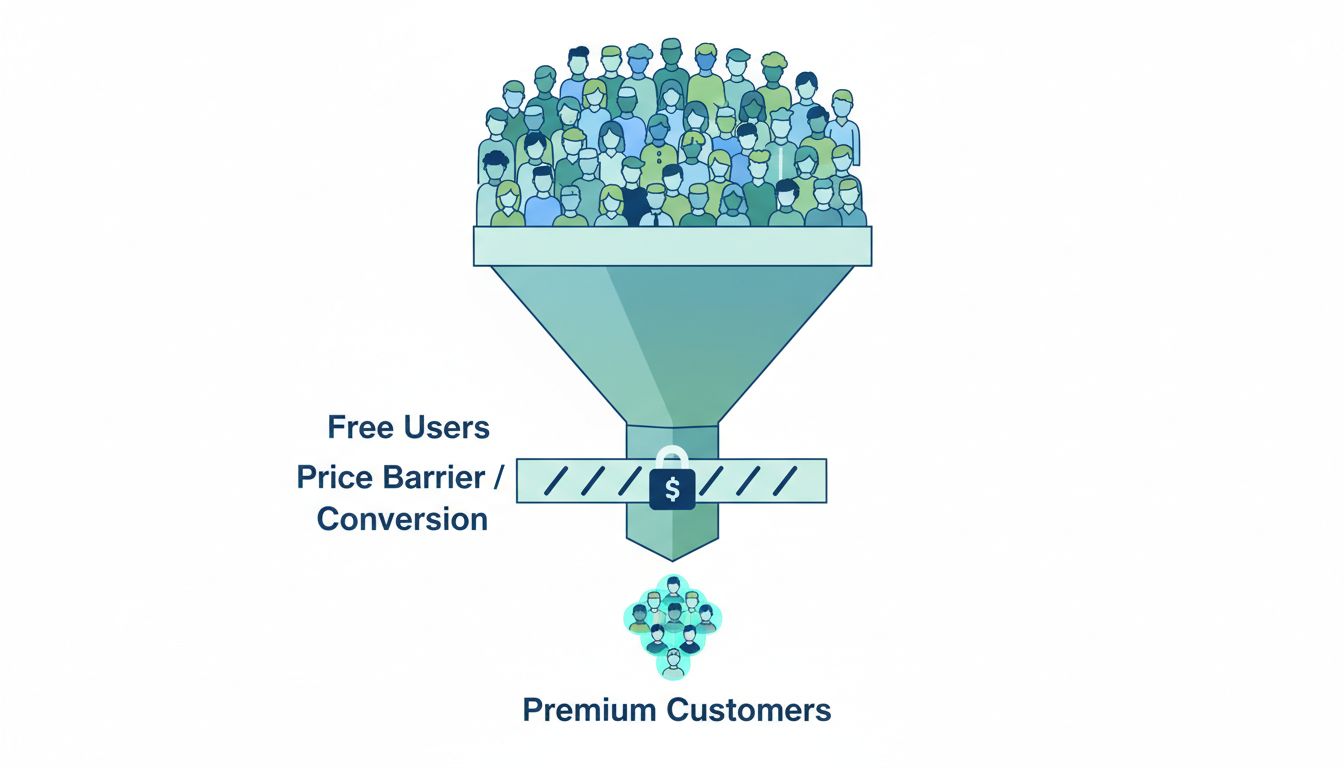
The strategy is not about greed. It is about using price as a filter. Every company has finite resources for onboarding, support, and relationship management. Pricing out 90 percent of potential users is often the only way to deliver an exceptional experience to the 10 percent who actually drive growth.
The Signal Value of a High Price Tag
Here is something most people get backwards: a high price does not just select for customers who can afford you. It selects for customers who believe you are worth it. Those are very different populations, and the second group is the one that actually scales a startup.
When Notion first launched its team plans, the pricing was steep enough to give small teams pause. That friction was intentional. Users who pushed through the friction to pay were users who had already internalized the product’s value, and those users became evangelists. They wrote Reddit threads. They made YouTube tutorials. They onboarded their entire companies.
Compare that to the opposite approach: a freemium funnel with a rock-bottom paid tier designed to convert as many users as possible. You end up with a large base of price-sensitive customers who churn the moment a cheaper competitor shows up. Platform companies generate 80 percent of their revenue from users who feel trapped, not loyal, and there is a meaningful difference between a customer who stays because they love your product and one who stays because switching is painful.
The Goldilocks Strategy is betting on love, not lock-in.
The Three Tiers That Make It Work
Nearly every startup that executes this well does it through a tiered pricing structure designed to look like it offers choice while actually steering users toward one specific option.
The bottom tier exists to set an anchor. It is usually stripped of the features that make the product genuinely useful, not as a punishment, but to make the mid-tier feel obviously correct by comparison. The top tier exists to make the mid-tier look reasonable. This is classic decoy pricing, and it works because humans do not evaluate value in absolute terms. We evaluate it relative to available alternatives.
The target customer, the one the entire strategy is built around, almost always lands on that mid-tier. They feel smart for not buying the cheap version and responsible for not buying the expensive one. They have arrived somewhere that feels just right.
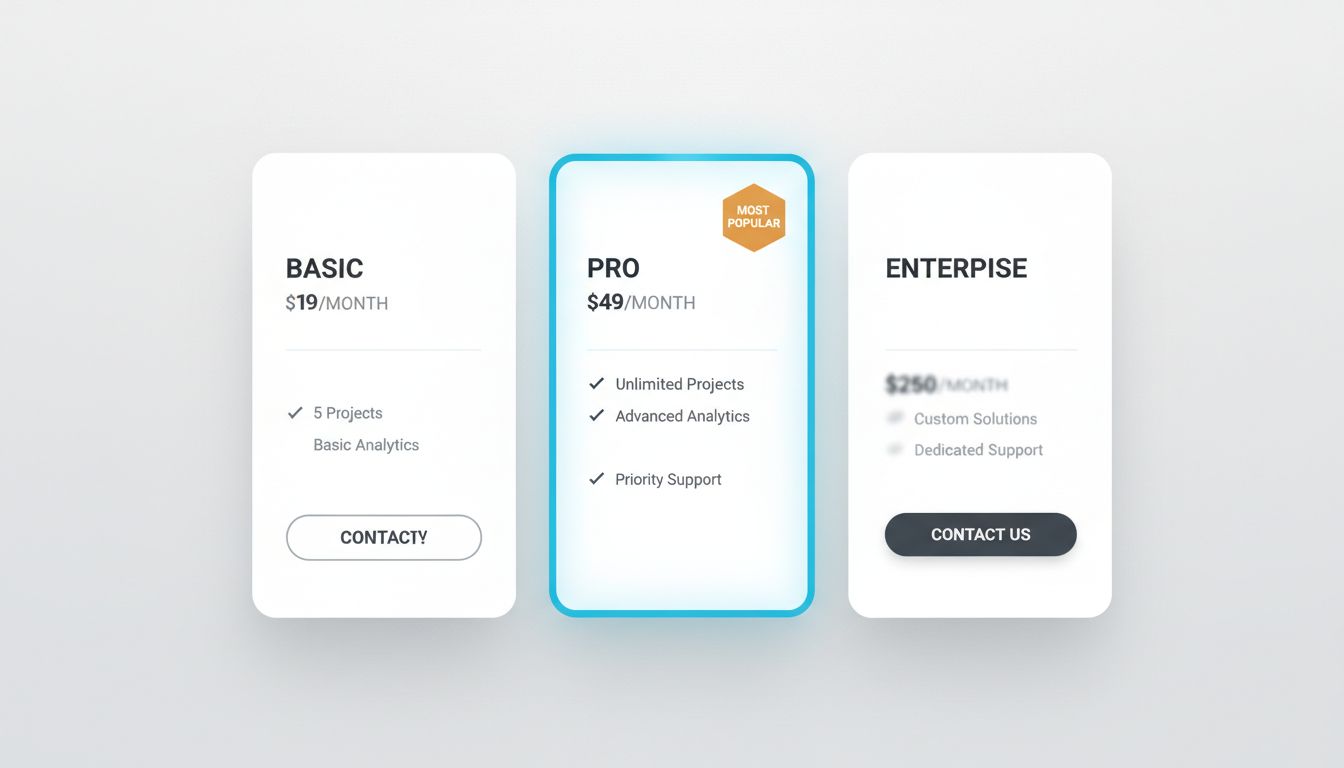
What makes this different from ordinary tiered pricing is intentionality. The startup has already decided which customer they want before they set the prices. The tiers are built backwards from that customer profile, not forwards from a cost-plus calculation.
Why This Strategy Breaks Down (And How Smart Startups Fix It)
The Goldilocks Strategy has one serious failure mode: the market moves and the startup does not.
A price point that signals premium quality in year one can signal out-of-touch complacency in year four, especially if competitors have flooded in below you. This is when a lot of startups make the mistake of adding a cheaper tier reactively, without thinking through what it signals about the original pricing. Suddenly the product that felt aspirational feels like it was overpriced all along.
The smarter move is to treat the pricing structure as a living document tied directly to customer research. The companies that navigate this well tend to be the ones doing continuous competitor analysis to find gaps the market has not yet filled. They know when their Goldilocks zone is shifting before the revenue numbers tell them.
There is also the question of deliberate product gaps. Successful startups launch with missing features on purpose, and the same logic applies to pricing tiers. A feature withheld from the base tier is not just an upsell mechanism. It is information about what your target customer actually values. If nobody upgrades for a particular feature, that feature did not belong in the value proposition to begin with.

The Uncomfortable Truth About Exclusion as Strategy
Let’s be honest about what this strategy requires: the willingness to turn away customers. For a lot of founders, especially first-timers, that feels wrong at a visceral level. Growth metrics are oxygen in startup culture, and declining users, even users who were never the right fit, can feel like failure.
But the math is unambiguous. A startup with 1,000 customers who are genuinely delighted and deeply embedded in their workflow is worth more, by almost every measure, than a startup with 10,000 customers who are indifferent and one bad quarter away from canceling. The first group builds the product through feedback. The second group builds a support burden.
The Goldilocks Strategy is ultimately a bet on specificity over scale, at least in the early stages. It says that knowing exactly who you are for, and pricing to confirm that identity, will get you to scale faster than trying to be something for everyone from day one.
The startups that figure this out early are the ones that look, from the outside, like overnight successes. From the inside, they just knew which 10 percent of the room they were talking to, and they priced accordingly.