
A founder I know spent eight months building a project management tool. Beautiful interface, solid engineering, thoughtful onboarding. She launched, got a few hundred signups, and then watched the numbers flatline. When I asked her what made her product different from the fifteen other tools in the space, she paused. ‘It’s cleaner,’ she said. ‘More intuitive.’ That’s not a market gap. That’s a feature request. And it’s the single most common mistake I see early-stage founders make when they study their competition.
Competitor analysis, done poorly, is just an expensive way to build a worse version of something that already exists. Done well, it’s the closest thing to a cheat code that early-stage startups actually have access to. The difference between the two comes down to what you’re looking for, and most founders are looking at entirely the wrong things. This connects to a broader pattern in how successful startups position themselves: the ones that win aren’t always the ones who launch with the most features. They’re the ones who launch with the right features, pointed at the right people.
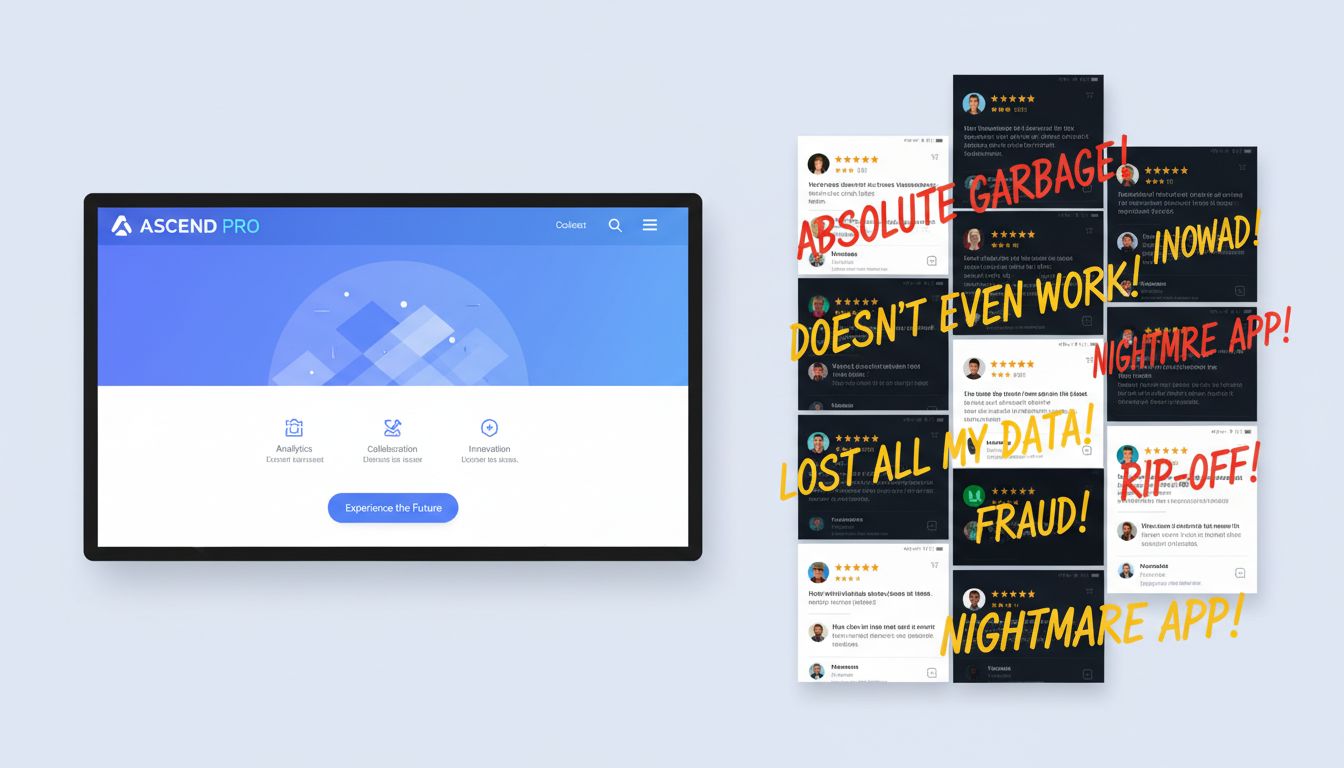
Stop Reading Features. Start Reading Reviews.
Here’s a tactic that sounds embarrassingly simple but almost nobody does systematically. Go to the one-star and two-star reviews for every major competitor in your space. Not the three-star reviews, which are usually vague disappointment. The one and two stars. Those are written by people who cared enough to be angry.
What you’ll find, if you read enough of them, is not a list of bugs. It’s a map of unmet expectations. People don’t leave brutal reviews because software crashed. They leave brutal reviews because they trusted a product to solve a real problem and it didn’t. That gap between expectation and delivery is where markets live.
G2, Capterra, the App Store, Reddit threads, support forums, even LinkedIn comments under a competitor’s posts. All of it is qualitative data that your competitors have already paid to collect (through their failures) and are leaving sitting in public.
Understand What Competitors Are Choosing Not to Do
Every product decision is also a non-decision. When Salesforce built a CRM for enterprise, they were not building one for solo consultants. That wasn’t an oversight. It was a deliberate choice about where the money was. The problem is that deliberate choices leave deliberate gaps, and those gaps don’t disappear just because the dominant player ignores them.
When you look at a competitor’s product, don’t just ask what it does. Ask who it’s optimized for. Look at the pricing page. Look at the onboarding flow. Look at the integrations they’ve prioritized and the ones they’ve quietly let rot. A tool that has deep integrations with Salesforce and SAP but nothing for Airtable or Notion is telling you exactly who they care about. The question is whether the people they’re ignoring represent a real business.
This is where most founders get tripped up. They find a gap, but it’s a gap for a reason. The customers are too small, or too hard to reach, or the average contract value makes unit economics brutal. Real market gaps are underserved, not just unserved. There’s a difference.
It also helps to understand the internal logic driving your competitors’ choices. Platform companies don’t ignore segments by accident. They make competition structurally impossible for certain use cases while locking in the ones that matter to their revenue model. Knowing which game they’re actually playing tells you which game you might be able to win.
Talk to the Churned Customers Nobody Talks To
This one takes more work, but it’s worth it. Find people who tried a competitor and left. Not people who never signed up, who can only tell you about perception. People who actually used the product, paid for it or didn’t, and stopped.
You can find them in communities. In LinkedIn posts where someone says ‘finally switching from X to Y after two years.’ In Reddit threads asking for alternatives. In the follower lists of your competitors’ competitors. These people are gold because they’ve already done the work of articulating what was missing. They have a specific story with a specific pain point and a specific moment where they gave up.
The pattern you’re listening for is not ‘the product was bad.’ It’s ‘the product was great for everyone except people like me.’ That exception is your market.

Map the Roadmap They’re Not Building
Public roadmaps, changelog posts, investor updates, conference talks. Established competitors announce what they’re working on because they’re trying to retain customers and attract investors. What they’re working on tells you what they think matters. What they’re consistently not working on tells you what they’ve written off.
If a category leader has been promising a feature for three years and never shipped it, that’s not an accident. It either doesn’t fit their architecture, doesn’t serve their core customer, or isn’t worth the internal political fight. Any of those three reasons might be your opportunity, or might be a warning sign. You need to figure out which.
Cross-reference this with what their customers keep asking for in public forums. If users are begging for a feature the company keeps deferring, and you can build it as a core capability rather than an afterthought, you’ve found something real. This is exactly the kind of signal that can justify a focused product bet, which is also why some of the most interesting startup pivots aren’t failures, they’re the moment a team finally learned what the market was actually asking for.
The Gap Has to Connect to a Real Business
Finding a market gap is only half the job. The other half is brutal honesty about whether the gap is actually a business.
Ask yourself: How many people have this problem? Are they willing to pay to solve it? Can you reach them without spending more than they’re worth? Is the gap structural (meaning the incumbent can’t easily fill it) or just a lag (meaning they’ll ship it in six months and you’ll be irrelevant)?
The best gaps are structural. They exist because filling them would require the competitor to change their pricing model, abandon a core customer segment, or rebuild their architecture from scratch. Enterprise software looks the way it does for specific organizational and incentive reasons, not because nobody noticed it was painful. That gap persists because fixing it would break something else. Those are the gaps worth building toward.
The founders who do competitor analysis well aren’t trying to outrun the incumbents. They’re looking for the lanes the incumbents can’t enter. That’s not luck. That’s method.