A few years ago I watched a founder lose a Fortune 500 deal not because of a bad demo, not because a competitor outbid him, but because his annual contract came in at $4,200. The procurement lead actually said it out loud: “At that price, we’re not sure this is something we can rely on.” The product worked. The price made it look like it didn’t.
Underpricing is treated in startup circles as a growth strategy, a wedge into the market, a humble signal that you care more about users than revenue. What it actually is, to anyone buying software for a serious organization, is a signal that you don’t believe in what you built.
Price is the first piece of positioning
Before a buyer reads your one-pager, before they watch your demo, before they talk to a reference customer, they see a number. That number does not communicate cost to a sophisticated buyer. It communicates category. A $49/month tool is a tool someone tries and maybe cancels. A $49,000/year contract is a vendor relationship with an executive sponsor and a renewal conversation.
The difference is not just budget approval levels, though that matters too. The difference is how seriously your product gets treated inside the organization. Cheap software gets used the way people use free trials: casually, without commitment, and without any real effort to make it work. When it inevitably underperforms because nobody configured it properly or trained their team on it, that failure gets attributed to the product, not the implementation. You charged too little to be taken seriously, and then you got blamed for the outcome.
Low prices attract the wrong customers
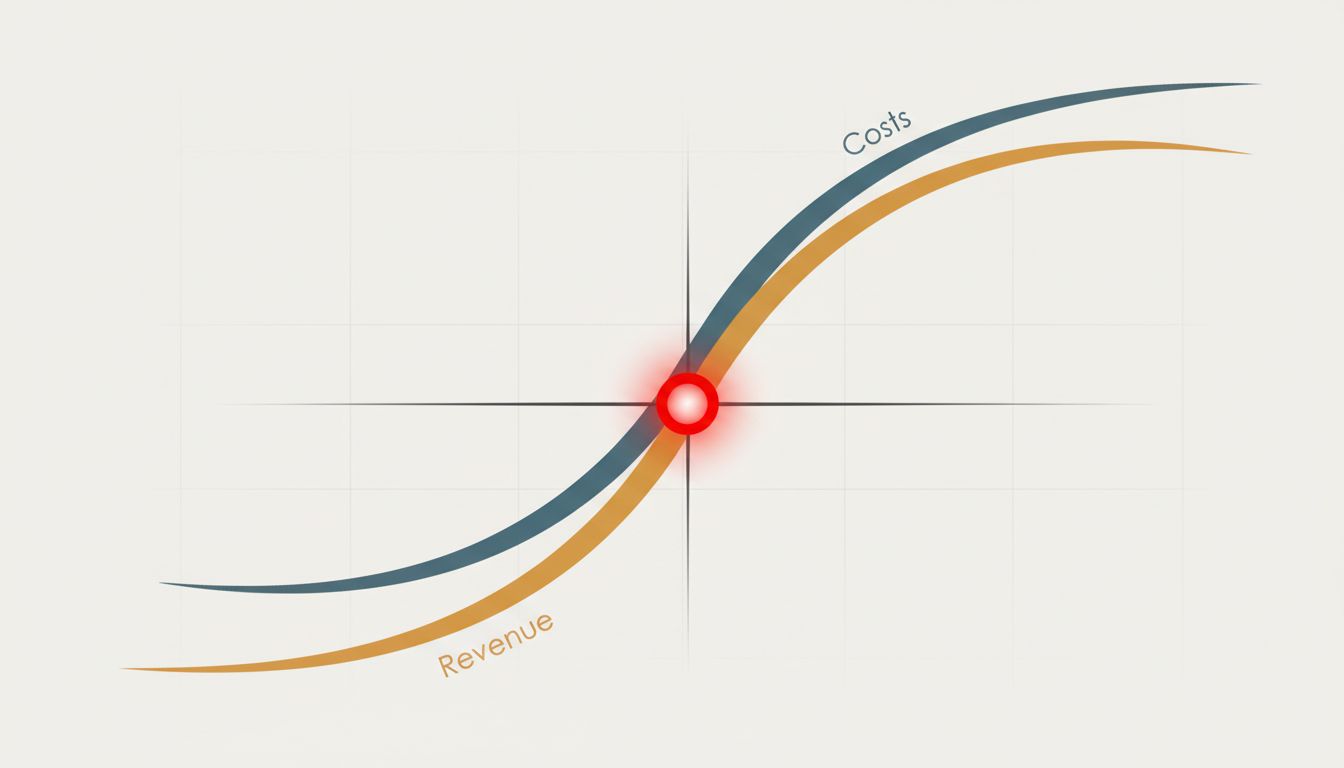
This is the part founders resist hearing. When you price low, you do get customers. Lots of them. But you get customers who chose you specifically because you were the cheapest option, which means the moment something cheaper or free enters the market, they are gone. You also get customers who lack the budget, the internal champions, and the organizational maturity to actually succeed with your product.
A customer who pays $500 a month is not just less valuable than a customer who pays $5,000 a month. They are often more expensive to support, less likely to renew, and less likely to become a useful reference. The customers who complain are your best researchers, but only if they represent the customers you actually want. Building your roadmap around low-end buyers is how you get trapped serving a market segment that will never make you sustainable.
Serious buyers expect price to reflect risk
When a company is evaluating software that will touch their payroll, their customer data, or their core operations, they are not trying to save money. They are trying to avoid catastrophic failure. A vendor charging real money signals that they have real infrastructure, a real support organization, and real skin in the game. It signals they will still exist in two years.
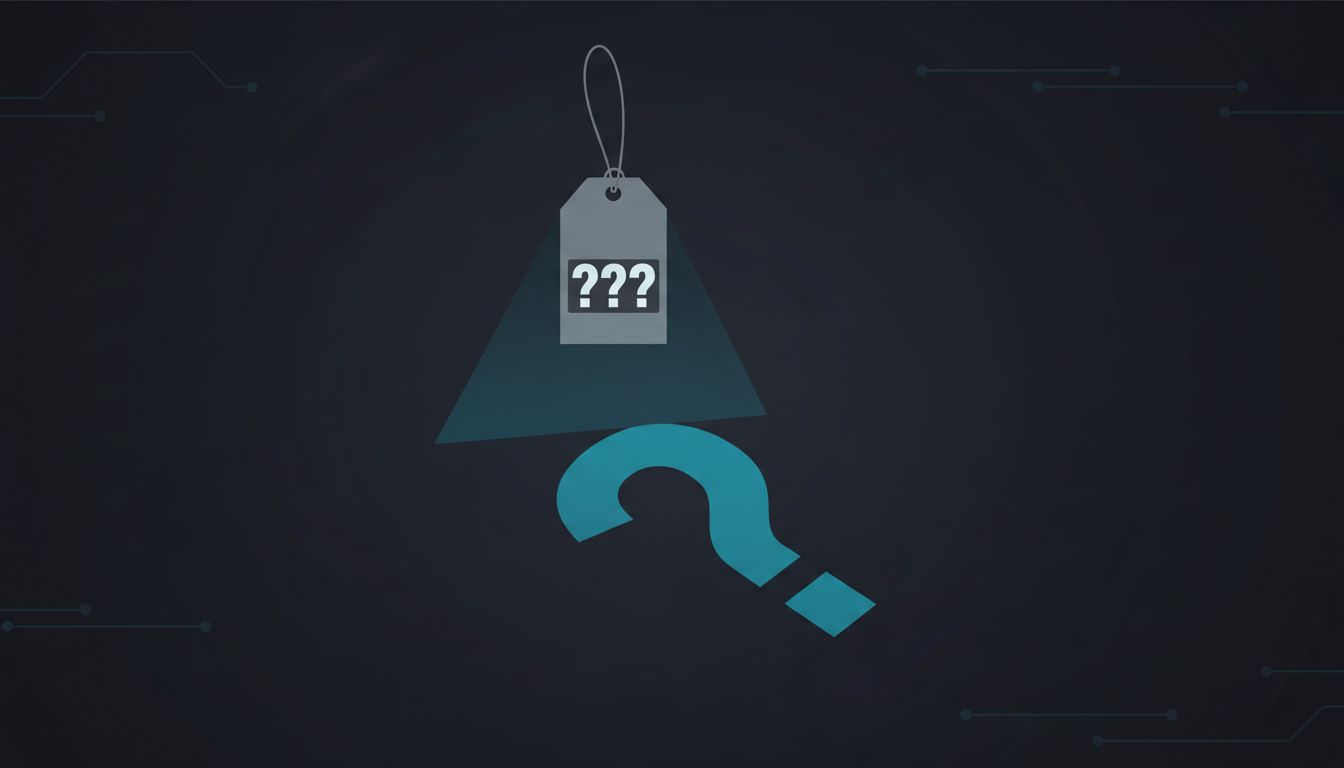
Low prices do the opposite. They raise questions a buyer cannot easily answer. How does this company make enough money to stay operational? What happens to our data if they shut down? Who answers the phone at 2am when this breaks? Those questions don’t disappear because your onboarding flow is smooth. They accumulate until the deal dies in committee.
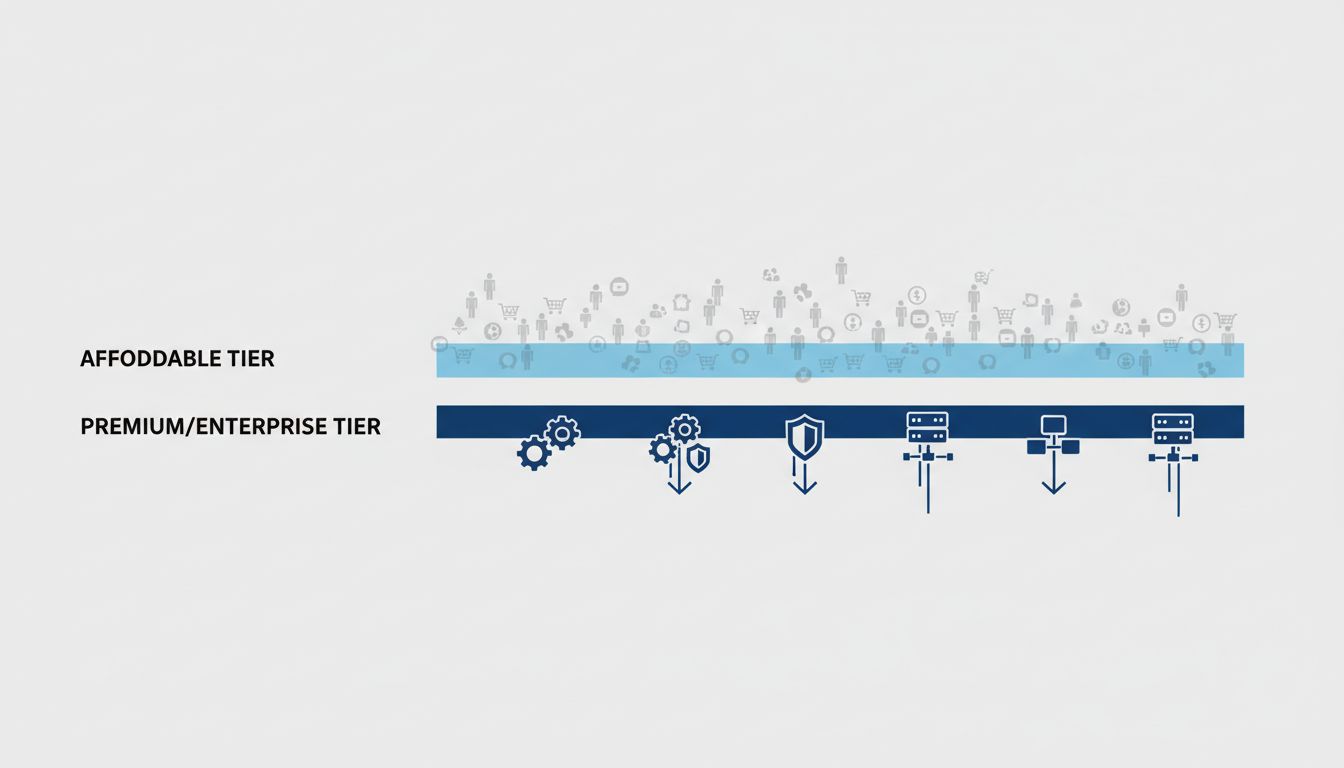
This is not theoretical. Enterprise software companies have understood for decades that price functions as a proxy for reliability when buyers cannot fully evaluate technical quality. That’s partly why legacy vendors with mediocre products continue to win large contracts. Buyers are not being irrational. They’re using available signals, and price is one of the loudest ones.
The counterargument
The obvious objection is that companies like Slack, Dropbox, and Notion built enormous user bases on low or free pricing. This is true. It is also largely irrelevant to most B2B startups, for two reasons.
First, those companies were building viral, bottoms-up products where individual users were the adoption vector. Low pricing was a deliberate mechanism to get individual employees using the product before IT ever got involved. If your product spreads through individual usage across an organization, low pricing can make sense. If it doesn’t, you’re not running that playbook, you’re just undercharging.
Second, those companies had to eventually raise prices significantly to build real enterprise relationships. Slack’s move upmarket was not an accident. The free tier generated users; the $12.50 per user per month enterprise tier generated revenue and credibility with the buyers who actually controlled budget.
Starting cheap and moving up is harder than it sounds. You train your customer base to expect low prices, you build a support and infrastructure cost structure around low-ARPU customers, and you create a positioning problem that takes years to unwind. Better to start where you intend to be.
What you should do instead
Price based on the value you deliver, not the cost it takes you to deliver it, and not what feels comfortable when you’re still uncertain the product works. If you genuinely don’t know what to charge, talk to ten potential buyers and ask what budget category this falls into for them. Let them tell you the range. Then price at the top of it.
If the price feels scary to say out loud, that’s usually correct. The founders I’ve seen build durable B2B businesses were nearly always surprised at what serious buyers were willing to pay for a product that solved a real problem. The ones who struggled were often the ones who pre-emptively undercut themselves before anyone asked them to.
Your price is a statement about what your product is worth. Make sure you’re saying what you mean.