The simple version
When a potential customer says no, they are telling you exactly what your product needs to become. Most founders treat rejection as a setback. The ones who build durable companies treat it as a specification document.
Why rejection is cleaner data than enthusiasm
Picture this: you have just finished a demo. The prospect was nodding throughout, asked good questions, said “this is really interesting” on the way out, and then went silent. Two weeks later, a polite email arrives explaining they’ve decided to go in a different direction.
That email is worth more than the nodding.
Enthusiasm in a sales context is nearly useless as product signal. People are polite. They don’t want to tell you your baby is ugly. They will sit through your demo, compliment the UI, and ghost you rather than explain that your pricing model doesn’t fit their procurement process or that a critical integration is missing.
The rejection letter, when it comes with any specificity at all, forces honesty. The prospect has already decided to move on, so they have no reason to manage your feelings. When they say “we ended up going with a solution that handles multi-tenant permissions natively,” they just handed you a feature roadmap item more valuable than anything that came out of your last brainstorming session.
The founders who understand this stop dreading the rejection email and start treating it like a bug report.
The taxonomy matters: not all rejections are equal
This is where most teams go wrong. They collect rejections but don’t sort them, and so the signal drowns in the noise.
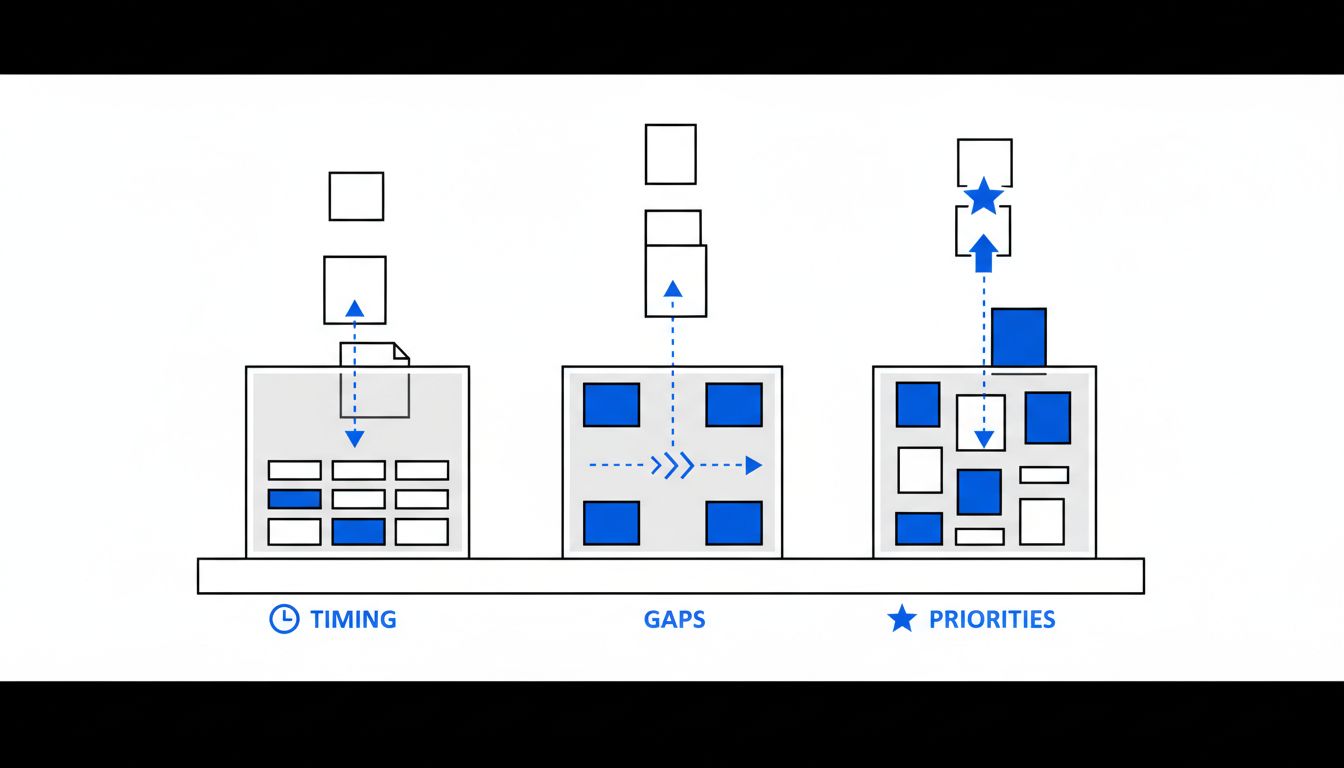
There are roughly three types of rejection that matter for product development:
“Not right now” rejections are budget or timing issues. A prospect loves the product but their fiscal year just closed, or they’re mid-merger. These rejections tell you almost nothing about your product. File them, set a calendar reminder, move on.
“Not for us” rejections are the interesting ones. These are the rejections that reference a specific gap: missing functionality, incompatible workflow, pricing structure that doesn’t match how they buy software. Each of these is a hypothesis about your product’s limitations, stated plainly by someone who evaluated you seriously.
“Not a priority” rejections tell you something about your positioning and the urgency of the problem you’re solving. If prospects consistently say the problem you address is real but not pressing enough to budget for, you either have a go-to-market problem or, more painfully, a problem-selection problem.
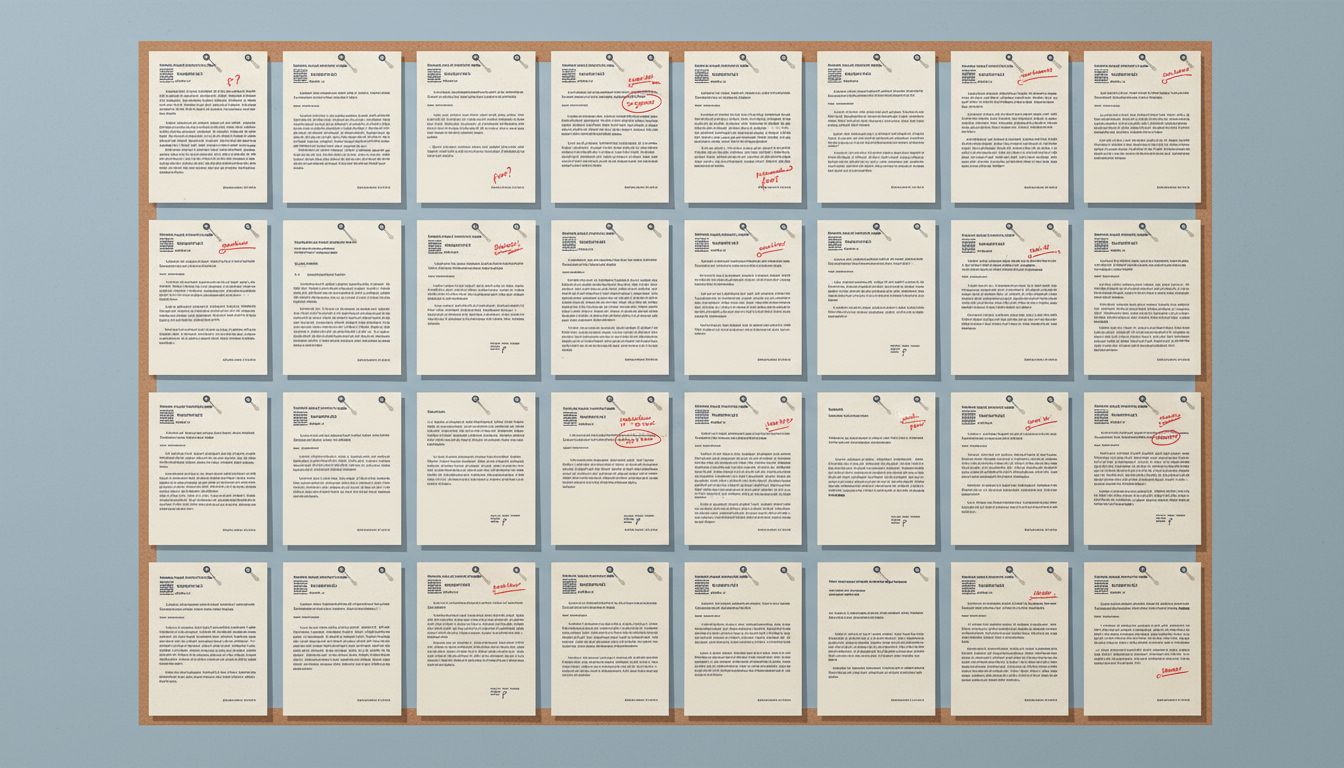
The founders who build systematically will keep a living document sorted by these categories. After twenty or thirty rejections, patterns emerge that no focus group would surface because focus groups ask hypothetical questions. Rejection letters record actual decisions.
How to extract signal without embarrassing yourself
The standard mistake is sending a survey after rejection. Almost nobody fills it out, and the ones who do give you sanitized answers.
The better approach is a brief, direct follow-up call framed honestly. Something like: “We’ve decided not to pitch you again. I’d genuinely like to understand what was missing so we can build a better product. Fifteen minutes?” That framing works because it removes the sales pressure. You’re not trying to win them back. You’re doing research.
Many prospects will agree to this call precisely because the pressure is gone. And in those calls, you’ll hear things that never appear in polite decline emails. You’ll learn that your onboarding takes too long for their team size, that your contract terms are non-starters for companies above a certain revenue threshold, that your closest competitor offered a feature three months ago that you don’t have yet.
The crucial discipline is writing everything down and dating it. Memory is unreliable and founders are optimistic by nature. A written record of rejections, reviewed monthly, will surface patterns that your gut will happily ignore.
The counterintuitive part: rejection from the wrong customers is also useful
Early-stage startups often waste months chasing a customer segment that will never convert. Rejection helps you discover this faster than almost any other signal.
If you are consistently rejected by enterprises but consistently win with mid-market companies, the rejection pattern is telling you something about your ideal customer profile that your initial thesis missed. This is not a failure. This is the product telling you who it actually serves.
Stewart Butterfield has talked openly about Slack’s early days, when the team was building a game and discovered that the internal communication tool they’d built to coordinate their own work was the actual product. That kind of pivot happens because founders pay attention to where things are working, but the corollary matters too: paying attention to where things are consistently not working, and asking why, gets you to the same answer faster.
The founders who build business models their competitors find too weird to copy often got there by following rejection patterns to a customer segment nobody else was paying attention to.
Making this a system, not a habit
A habit is fragile. You practice it when you have time, skip it when things get busy, and lose the data when a team member leaves.
A system means: every rejected prospect gets a record in a shared document within 48 hours of the rejection. The record includes the company size, the stage of the conversation, the stated reason for rejection, and one sentence from whoever ran the deal about what they actually think the reason was (these two things are often different). Once a month, someone reviews the full log and writes a one-paragraph summary of patterns.
This takes maybe twenty minutes per rejection and an hour per month. In exchange, you get something most early-stage teams never have: an honest, dated, cumulative record of what your product is failing to do.
Building this into your process before you have a large sales team is important because the data is most useful when the product is most malleable. Once you have forty salespeople and a roadmap committed two quarters out, rejection patterns are interesting but hard to act on quickly. At ten customers and five prospects, a rejection pattern can change what you build next week.
Most founders treat rejection as the thing that happens between the work. The ones who build products that last understand that rejection, gathered carefully and read honestly, is the work.