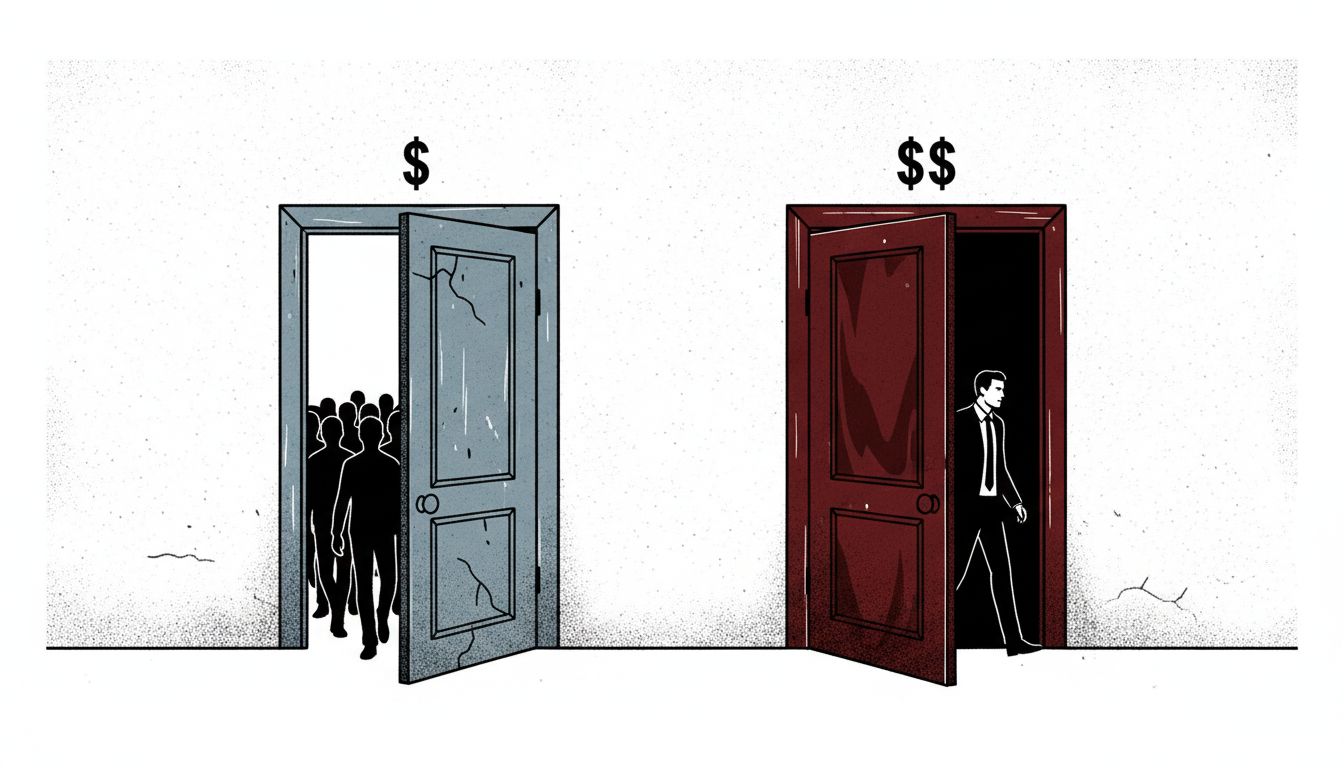
Picture a founder, eighteen months in, product just barely working, sitting across from someone who told them six months ago that their core assumption was wrong. She’s offering him a job. He takes it.
This happens more than you’d think. And the story founders tell about it, the one about staying humble and welcoming dissent, is mostly polished nonsense they’ve told so many times they’ve started to believe it.
The real reason is simpler and less flattering: critics are cheap insurance against the single failure mode that kills early-stage companies fastest, which is building the wrong thing with complete confidence.
A yes-man can’t stress-test a product
In the early months, a startup’s most dangerous asset is momentum. You’re shipping, you’re iterating, the team is energized. Nobody wants to be the one who says the thing everyone is working seventy hours a week to build has a structural flaw. The social cost is too high.
A hired critic has already paid that cost. They’ve already said the uncomfortable thing, usually publicly. They have no social incentive to soften the feedback now. When that person is in the room, the product gets stress-tested in ways that a team of believers simply cannot replicate.
This is why founders who’ve actually built something distinguish between critics who engage seriously with the work and critics who just need to feel superior. The first group is valuable. The second is noise. The founders who hire well know the difference.
Disagreement compounds over time
Here’s a thing that is true about organizational dynamics that nobody says plainly: homogeneous early teams don’t just make one bad decision. They make the same bad decision repeatedly in slightly different forms, because everyone in the room shares the same blind spot.
A founder’s early hires set the cognitive template for the entire organization. If those first ten people all think the same way, the company will keep reproducing that thinking as it scales. By the time the blind spot becomes undeniable, you’ve built infrastructure around it.
A critic on the founding team doesn’t just catch individual errors. They introduce a different question-asking style, which gets copied and spread by everyone who joins later. The skeptical voice becomes part of the culture before culture is something you have to explicitly manage.
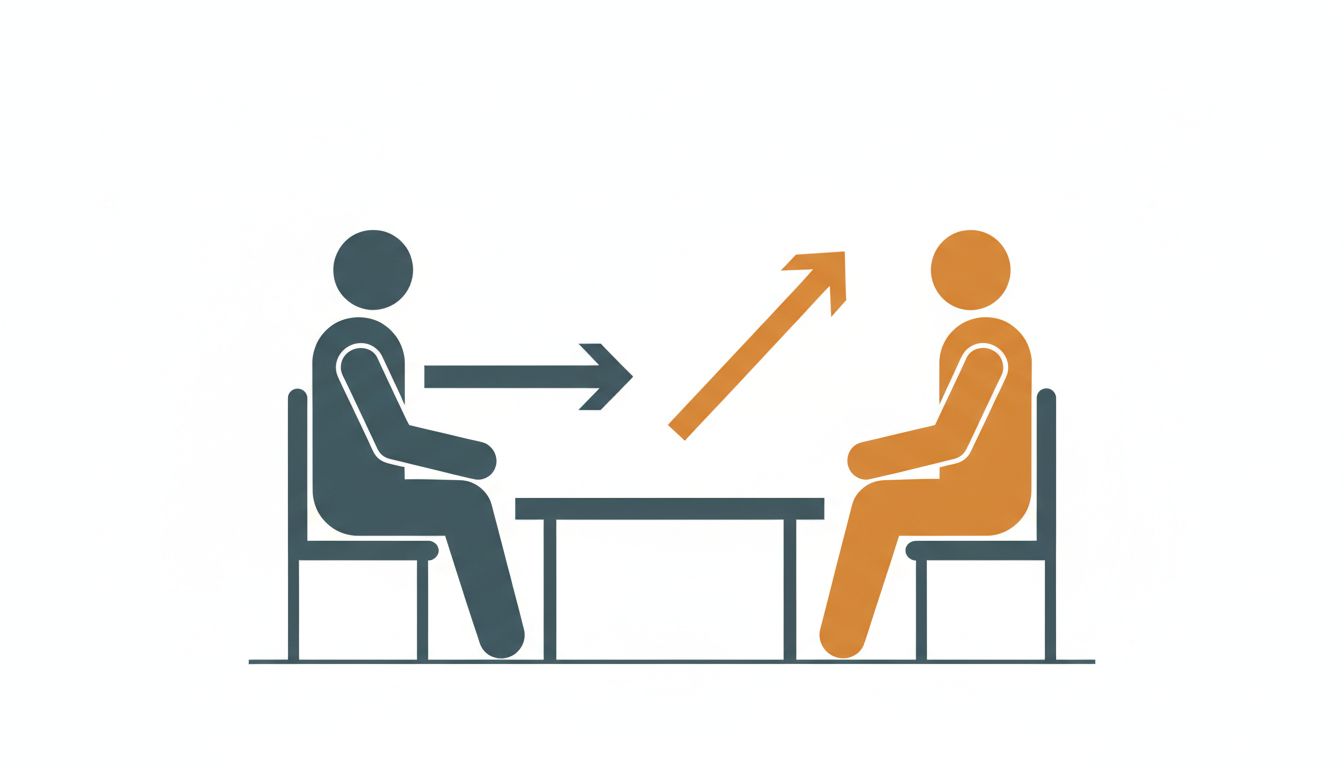
The signal value cuts both ways
Hiring someone who publicly doubted your idea sends a message to the market that is genuinely hard to fake: this founder is confident enough not to need validation.
Investors read this correctly. Potential hires read this correctly. The implicit claim is: I believe in this strongly enough that I’m willing to let a skeptic interrogate it every day from the inside. That’s a credibility signal that no press release can replicate.
There’s a secondary effect too. When the critic changes their mind, or at least stops raising the original objection, that conversion is visible. A previously public skeptic working enthusiastically on your product is worth more as a signal than any endorsement you could buy.
Critics force founders to articulate what they actually believe
Most founders carry around assumptions they’ve never had to state out loud because nobody around them has pushed hard enough. The critic pushes. And the forcing function of having to explain yourself, repeatedly, to someone who won’t just accept the explanation, makes the underlying theory of the product sharper.
This isn’t a soft benefit. It feeds directly into everything from fundraising pitches to product decisions to hiring conversations. Founders who’ve been made to articulate their assumptions under real pressure sound different from founders who haven’t. They’re more specific. Less reliant on hand-waving.
The critic is, in this sense, functioning like a particularly aggressive editor. The work gets better because someone made it harder to produce.
The counterargument
The obvious objection is that this is organizational masochism. You’re understaffed, you’re burning cash, and you’re going to spend energy managing a person whose default position is skepticism? The cohesion argument is real. Early teams need to move fast, and internal friction has genuine costs.
But this argument confuses critic with contrarian. A contrarian opposes for the sake of opposing. A critic engages seriously with the work and disagrees where the evidence or reasoning supports disagreement. The distinction matters enormously in hiring. You’re not looking for someone who will slow everything down out of temperament. You’re looking for someone who will slow down the specific wrong decisions that would be fatal.
The founders who get this wrong usually hire someone they think will challenge them but who is actually just performing skepticism while wanting to belong. That person is useless. The founders who get it right hire someone who genuinely doesn’t need their approval, because those people are the only ones whose approval actually means something.
The mythology of the humble founder welcoming dissent makes for a good investor update. The reality is that smart founders hire critics because the alternative, building a company in an echo chamber, has a well-documented failure rate, and they’ve seen it. The humility story is a post-hoc frame on a decision that was, at its core, coldly rational.