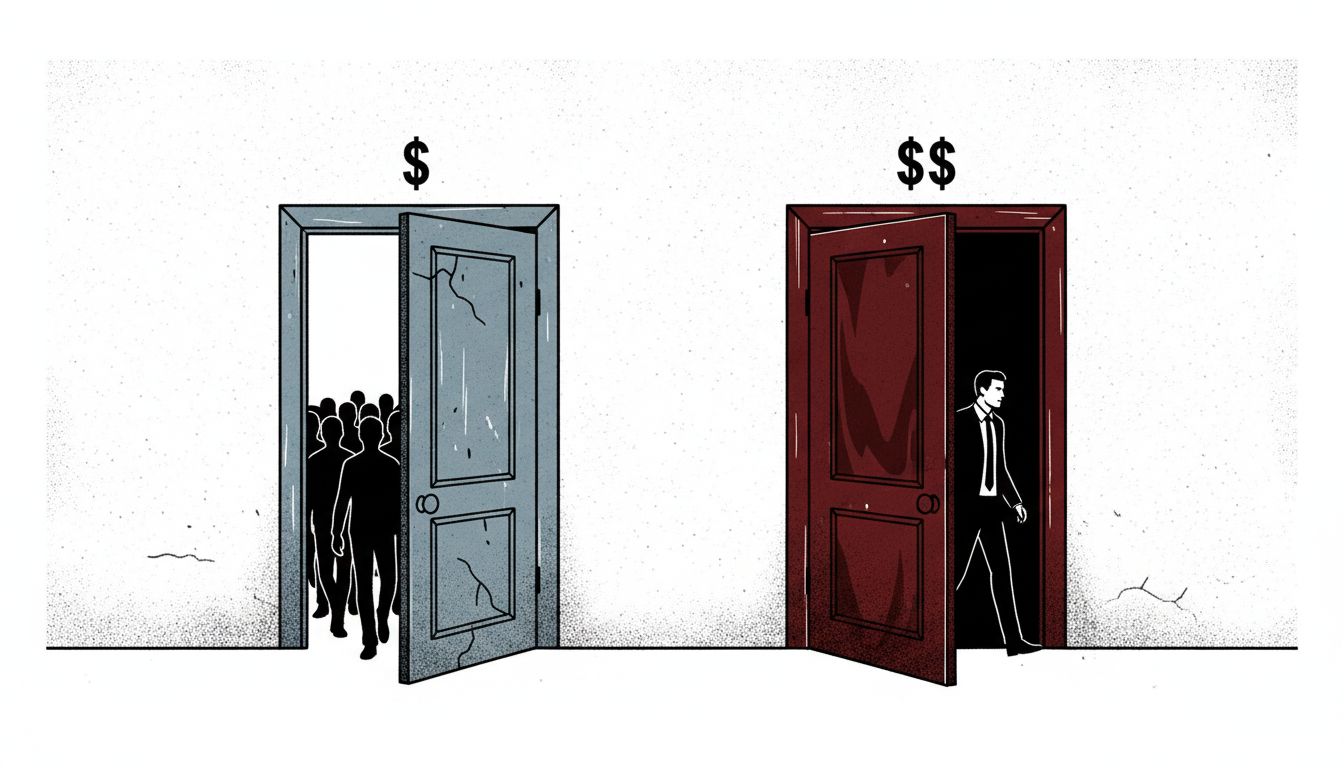

Patrick and John Collison were rejected by most of Silicon Valley’s top-tier funds before Peter Thiel and a handful of angels agreed to write checks in 2010. The product was already working. They had users. The pitch was coherent. The market was obviously enormous. And still, room after room of experienced investors said no.
The standard telling of this story positions it as a failure of imagination. VCs didn’t see the vision. They couldn’t understand what Stripe would become. The implication is that great investors spot genius and lesser ones don’t.
That explanation is wrong, and it misses something more structurally interesting about how venture capital actually functions.
What the Room Actually Looked Like
In 2010, the problem Stripe was solving was real but unglamorous. Getting a merchant account to accept payments online required dealing with banks, compliance processes, and integration work that could take weeks. Stripe collapsed that to a few lines of code. Simple. Clean. Useful.
But useful is not the same thing as fundable, at least not in the VC calculus of that era. The investors who passed weren’t ignoring the market size. They understood that payments were enormous. What they couldn’t model was whether a two-person company founded by brothers from Limerick was going to own any meaningful slice of infrastructure that JPMorgan and PayPal had been entrenching themselves in for years.
The technical insight was legible. The strategic threat was not.
And here is where the story gets interesting, because the rejections weren’t really about the Collisons or their product. They were about how VC firms are structured to make decisions.
The Fund Math Nobody Talks About
A standard venture fund operates on a model where a small number of investments need to return the entire fund, plus deliver meaningful profit on top. If a fund manages several hundred million dollars, the math requires that a handful of bets return billions. This isn’t greed as a personality trait. It’s arithmetic as a constraint.
That constraint shapes what gets funded in a specific way. An investment that might return 10x reliably is actually worse, from a fund-math perspective, than an investment that has a 5% chance of returning 200x. The former doesn’t move the needle. The latter could save the fund.
So when VCs say they “didn’t understand” a company, what they often mean is that they couldn’t construct a story where it became a dominant, category-defining business. Not because they lacked imagination, but because the business looked too competent and too realistic to be the kind of moonshot their fund model requires.
Stripe in 2010 looked like a very good developer tools company. Not obviously a future $95 billion payments infrastructure company. The investors who passed weren’t wrong about what it was. They were wrong about what it would become, but their framework gave them no way to distinguish between “unsexy infrastructure that will dominate everything” and “unsexy infrastructure that will find a comfortable niche and plateau.”
This is a pattern worth understanding if you’re building something that doesn’t fit a clean narrative. The 10-3-1 rule explains how Sequoia bet on WhatsApp and why the firms with the discipline to work that model consistently end up with the outlier returns. Most firms don’t have that discipline. They pattern-match.
Pattern Matching as a Defense Mechanism
Here’s the uncomfortable part. Pattern matching, for all the criticism it gets, is rational behavior inside a system where partners see thousands of pitches per year and need to make fast decisions with incomplete information.
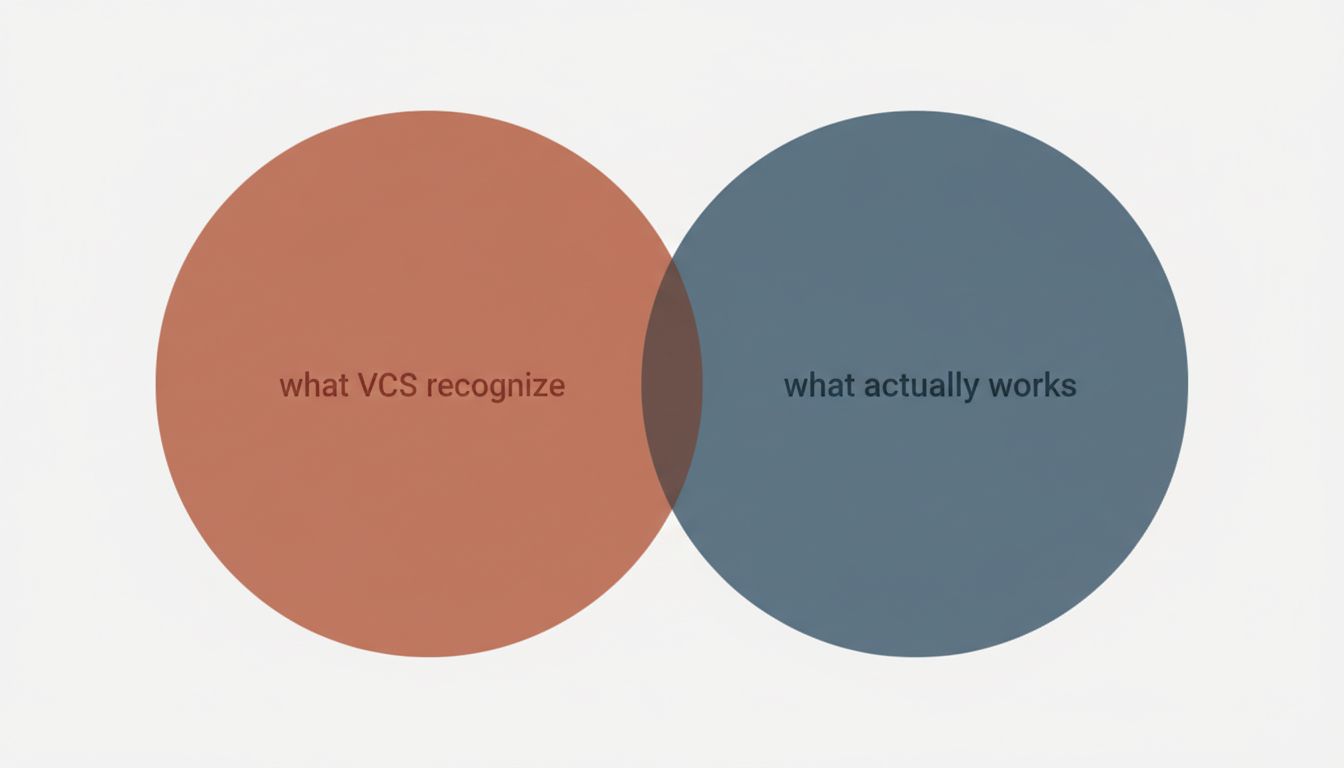
The patterns VCs learn to recognize are drawn from previous winners. The problem is that the previous winners created the patterns, which means the patterns are always slightly behind the actual frontier.
Payments infrastructure, in 2010, didn’t match any winning pattern from the prior decade. The winners from that period looked like consumer internet: search, social, e-commerce. Infrastructure plays that worked (AWS, Twilio) were still early and hadn’t yet become the cultural reference points they are now. There was no mental template for “developer-friendly financial infrastructure company that eats the entire middle of the payments stack.”
So the VCs who passed weren’t failing at their jobs. They were doing their jobs correctly inside a framework that happened to be miscalibrated for this particular type of company.
The same dynamic plays out repeatedly. Airbnb got rejected by many investors early on because renting out your air mattress to strangers looked either too small or too legally complicated. Twilio struggled to raise because selling phone call APIs to developers didn’t map to a consumer-scale outcome. The pattern in each case is identical: technically coherent, market-validated, but narrative-resistant.
What This Means If You’re Building Something Real
The mistake most founders make is trying to translate their business into VC-legible language, which usually means oversimplifying it or grafting on a consumer narrative that doesn’t actually fit. The Collisons did something smarter. They found investors, starting with Thiel and Y Combinator’s Paul Graham, who had a different prior on what infrastructure businesses could become.
This is a selection problem, not a pitch problem. If your company requires a venture firm to learn a new pattern rather than recognize an old one, most firms are not the right audience. That’s not a failure of your vision. It’s a failure of fit.
The practical implication is that founders building infrastructure, tools, or anything that operates beneath the consumer experience need to be highly selective about which investors they approach. You want people who have already made the conceptual leap you’re asking them to make, or who have the intellectual honesty to say they’re operating outside their pattern base.
The broader lesson is about what VC rejection actually signals. It almost never means your business is bad. It means your business is not legible inside that particular fund’s model. Sometimes those are the same thing. Often they aren’t.
Stripe went on to become one of the most valuable private companies in the world. The investors who passed weren’t unintelligent. They were operating inside a machine that systematically misprices companies that don’t fit existing templates, especially when those companies are building something that looks boringly useful before it looks enormously powerful.
The distinction between those two states is timing, mostly, and timing is the one thing venture capital’s decision framework is worst equipped to evaluate.