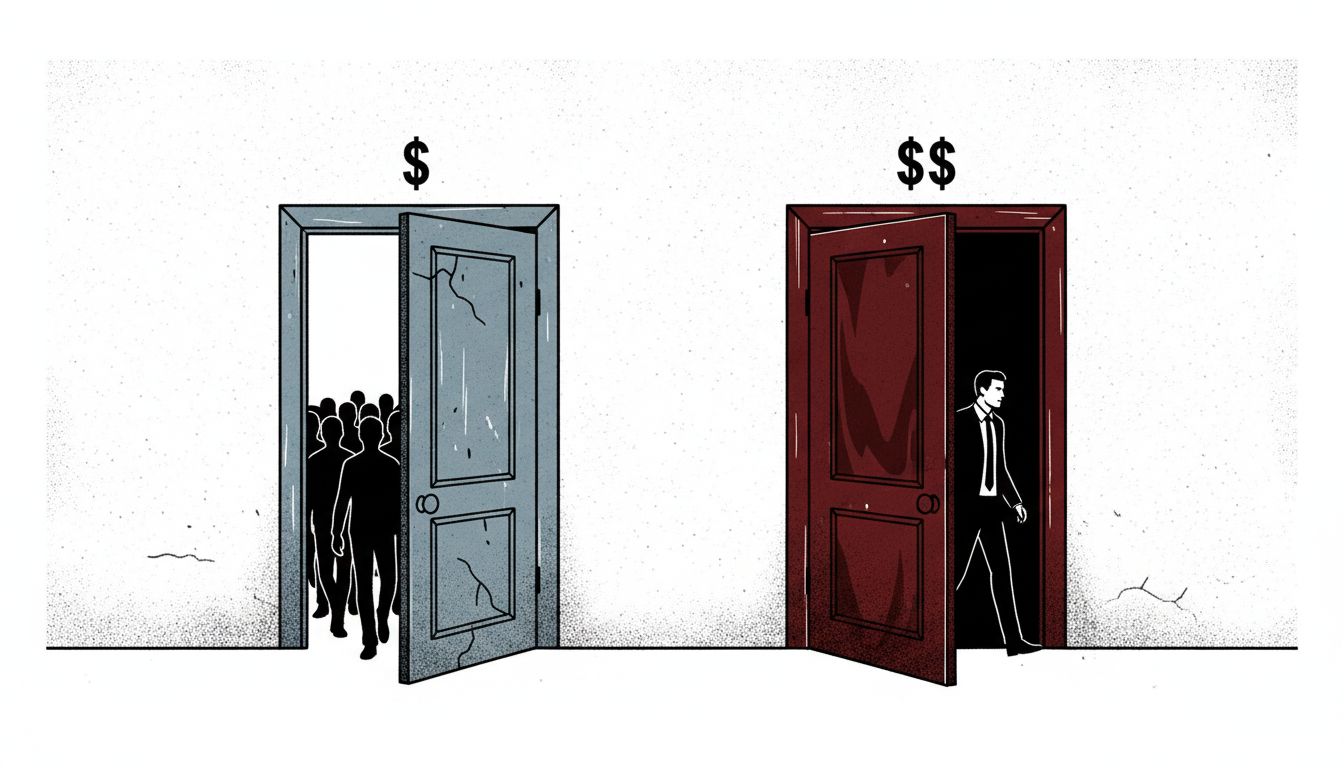
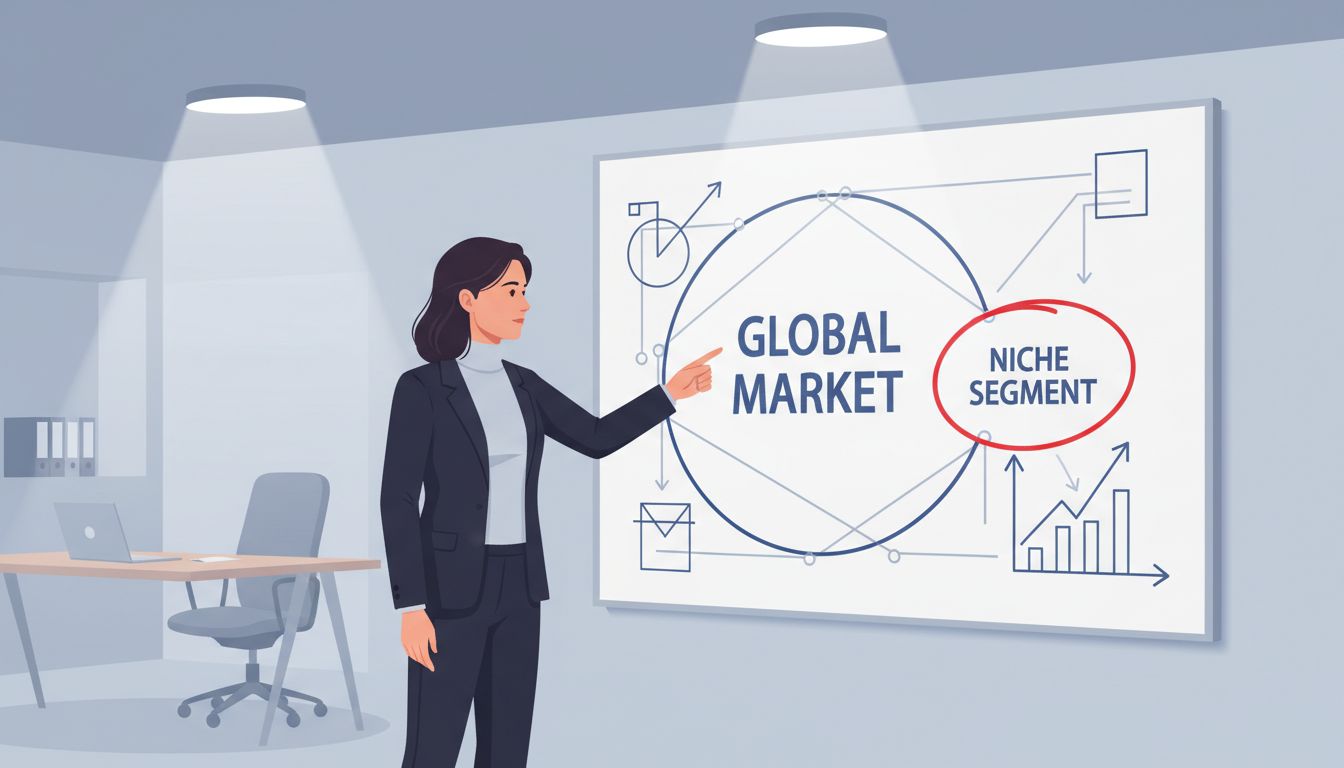
Picture a founder, six months into their startup, proudly telling their investors that their product is “for everyone.” The room goes quiet. Not the good kind of quiet. The kind where experienced people are doing the mental math on how long the runway has left. This is one of the most reliable ways to predict a startup will fail, and almost nobody talks about why. The real move, the one that sounds insane until you see it work, is to deliberately target customers who genuinely cannot afford your product at scale.
This isn’t charity. It’s one of the most cold-blooded strategic decisions a startup can make. And understanding why requires rethinking what a customer actually is in the early stages of a company’s life.
The Myth of the Perfect Paying Customer
Every startup accelerator program teaches TAM, SAM, SOM. Total addressable market, serviceable addressable market, serviceable obtainable market. The implicit lesson is that bigger is better, that you should be working toward the largest possible customer base as fast as possible. This is backwards.
When Stripe launched, they didn’t go after Fortune 500 companies that had the budget and the procurement teams and the enterprise contracts. They went after individual developers, people hacking on weekend projects who had no budget, no authority to sign anything, and no real business yet. Those developers were, financially speaking, terrible customers. But they were the ones who would fight to get Stripe into their companies once those companies existed. Open source projects follow exactly the same logic, building user bases among people who pay nothing until the moment paying becomes possible.
Stripe didn’t accidentally stumble into the enterprise. They were planted there, seed by seed, by developers who remembered who treated them well when they were nobody.
Why “Can’t Afford It” Is a Feature, Not a Bug
Here’s the uncomfortable truth: customers who can’t afford your product are, in some ways, better early customers than customers who can.
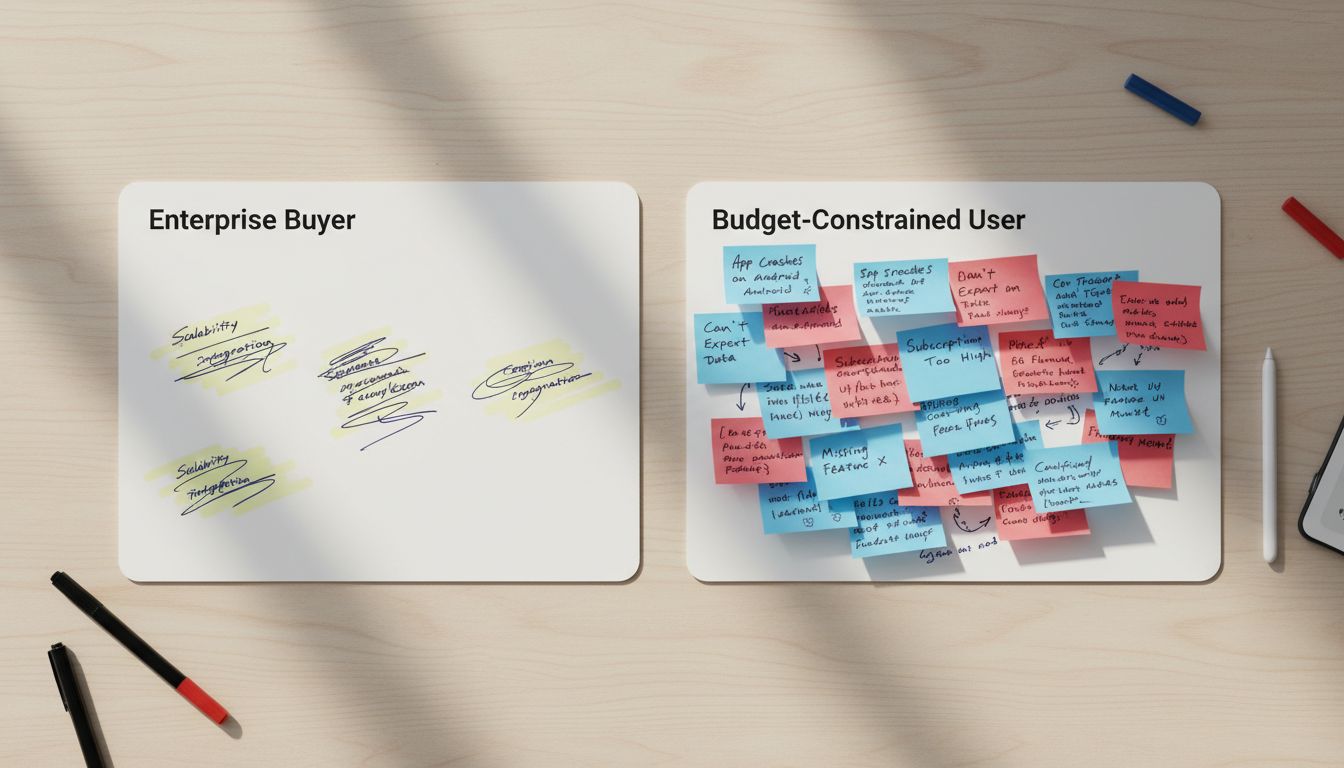
A cash-constrained customer will tell you exactly what they need because they cannot afford to be polite about the rest. They have no incentive to buy features they don’t use. They push back hard on anything that doesn’t solve a real problem. They are, in effect, the most honest product feedback mechanism available. Wealthy enterprise customers will often buy your product as a hedge, use 10 percent of it, and never tell you why the other 90 percent didn’t work for them.
This is why successful startups frequently launch with missing features on purpose. When your early users genuinely need what you’re building, the missing pieces become obvious immediately. You don’t have to guess. They tell you, loudly, because they’re depending on it.

There’s a secondary effect here that’s even more powerful. Customers who stretch to afford your product, or who genuinely cannot afford the premium tier, become evangelists in a way that comfortable buyers never do. When something works for someone who was taking a real financial risk on it, they tell everyone. Not because they feel good about the company, but because they feel validated in their own decision. The psychology is almost identical to why people defend the scrappy open source tool they championed over the expensive incumbent.
The Positioning Advantage Almost No One Talks About
Choosing customers who can’t afford your product also does something subtle and important to your pricing architecture. It forces you to think in tiers before you have traction, which sounds like extra work but is actually protective.
If your early customers are stretched thin, you have to build a product that delivers obvious, undeniable value at a low price point. That discipline, the discipline of making something worth the money even when the money is small, is extraordinarily hard to retrofit later. Companies that start by selling to rich customers with vague pain points often build expensive products that solve expensive-feeling problems but don’t actually do much. And then they discover that pricing products so that 99 percent of people won’t buy them is only a viable long-term strategy if you built something genuinely irreplaceable at the top of the market, which requires knowing what irreplaceable feels like at every price point below it.
Starting with constrained customers teaches you that. Starting with enterprise budgets often doesn’t.
The Aspirational Customer Trap
There’s a related failure mode worth naming. Some founders deliberately target customers who are adjacent to their ideal buyer, thinking that success with the almost-right customer will create a gravitational pull toward the right one. It almost never works that way.
If you’re building a tool for individual freelancers hoping small agencies will notice, you’ll build a freelancer tool. If you’re building for small agencies hoping enterprise teams will knock on your door, you’ll build a small-agency tool. The product decisions made under one customer’s constraints are almost always wrong for the next tier up. This is part of why tech companies pivot not because they failed, but because they finally learned something real about who actually needs what they’re building.
The startups that use the “can’t afford it” strategy well are not using poor customers as a stepping stone. They’re using them as a compass. The question isn’t “who will buy this later” but “who is feeling this pain right now so acutely that they’ll use an imperfect version to solve it?”
What This Actually Looks Like in Practice
The mechanics are simpler than they sound. Find a group of people who have the problem you solve, who are currently solving it badly, and who cannot afford the professional solution that exists. Sell to them at a price that makes sense for their situation, even if it doesn’t make sense for your unit economics yet.
Then pay very close attention. Not to their feature requests, exactly, but to the moments where they feel the pain of your limitations. That’s your product roadmap. Not the wishlist, the moments of friction.
And watch who they talk to. When your constrained early customer moves to a bigger company, or when they refer your tool to someone with real budget, that is your signal that you’ve built something that crosses the affordability gap on merit alone.
That’s the whole game. Not capturing the customer who can afford you today. Becoming indispensable to the customer who will be able to afford you tomorrow, before anyone else has thought to care about them at all.