Picture this: two founders in a coffee shop, laptops open, burning through their third hour arguing about whether to go with a vowel-dropping spelling or a hyphenated version of a name that already has twelve competitors. Meanwhile, three blocks away, another founder just pushed their MVP live at a URL that sounds like a sneeze. Guess which one has ten users by the end of the day.
This is startup mythology in action, the belief that getting the brand identity right before you have a single paying customer is a strategic decision rather than what it actually is: procrastination with good lighting. And it connects to a broader pattern of founders deliberately ignoring the conventional playbook in ways that look reckless from the outside but make complete sense when you understand what they’re optimizing for.
The Domain Name Is Not the Business
Here is what the mythology says: your domain name signals credibility, sets the brand tone, and tells users something about who you are before they even click. All of that is technically true, at scale, after you have figured out what you are actually building.
Here is what the evidence says: Slack was originally called Tiny Speck. Google operated out of google.stanford.edu before anyone cared about the domain. Airbnb launched as AirBedAndBreakfast.com, which is an objectively terrible name for a company now worth tens of billions of dollars. Amazon was briefly called Cadabra, which its founder’s lawyer reportedly misheard as Cadaver on a phone call. These are not accidents or oversights. They are symptoms of founders who were busy solving an actual problem.
The pattern is consistent enough to stop being a coincidence. Founders who get traction early are spending their cognitive bandwidth on product decisions, not naming conventions. The ones who nail the domain on the first try are often the ones who never get far enough to need a rebrand.
What a Bad Domain Name Actually Tells You
A deliberately ugly or awkward domain name is a signal, just not the one most founders think it is. It tells early users that the team behind it is prioritizing function over form, which is exactly what you want from something you haven’t paid for yet. There is a version of honesty in roughness. It says: we are not trying to impress you with aesthetics, we are trying to solve your problem.
This connects to something uncomfortable about how users actually behave in early product stages. They are not evaluating your brand. They are evaluating whether the thing works. And if it works, they will remember you regardless of what URL they found you at. If it doesn’t work, no amount of memorable branding saves you.
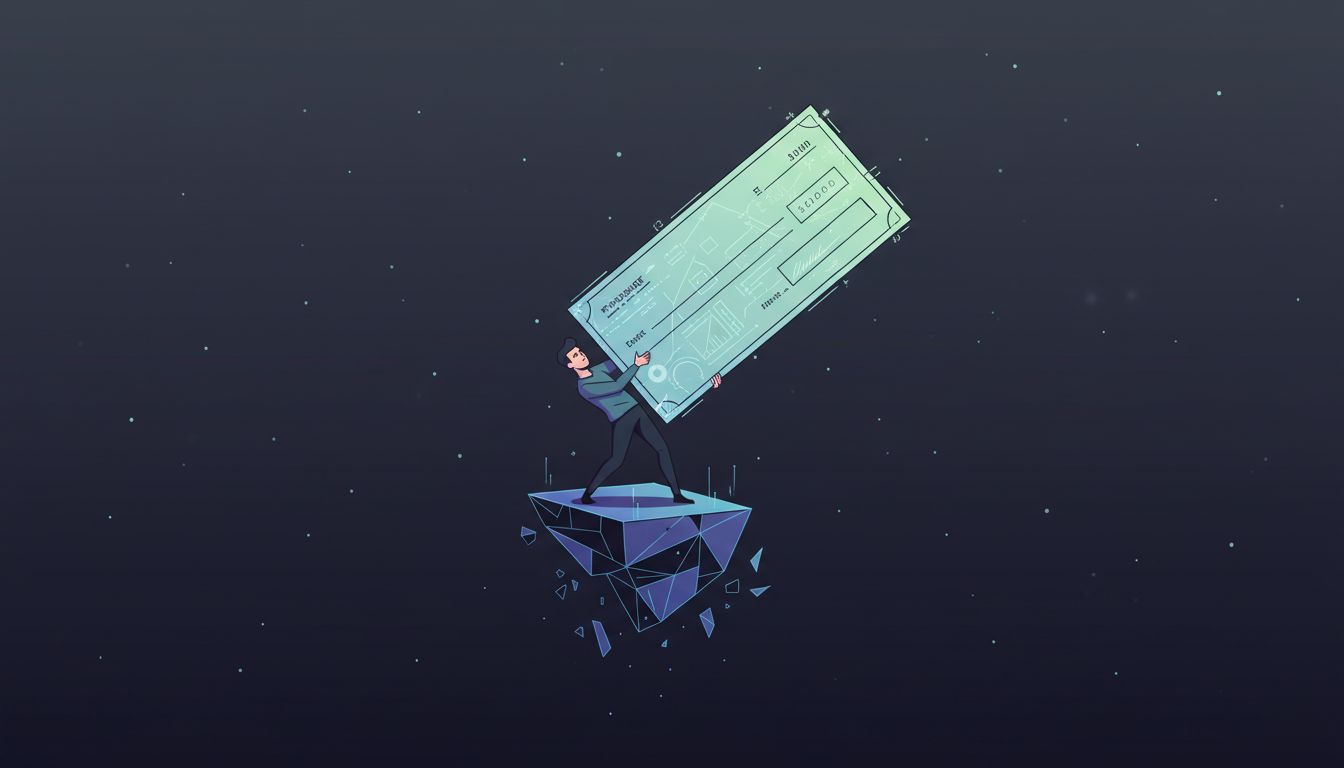
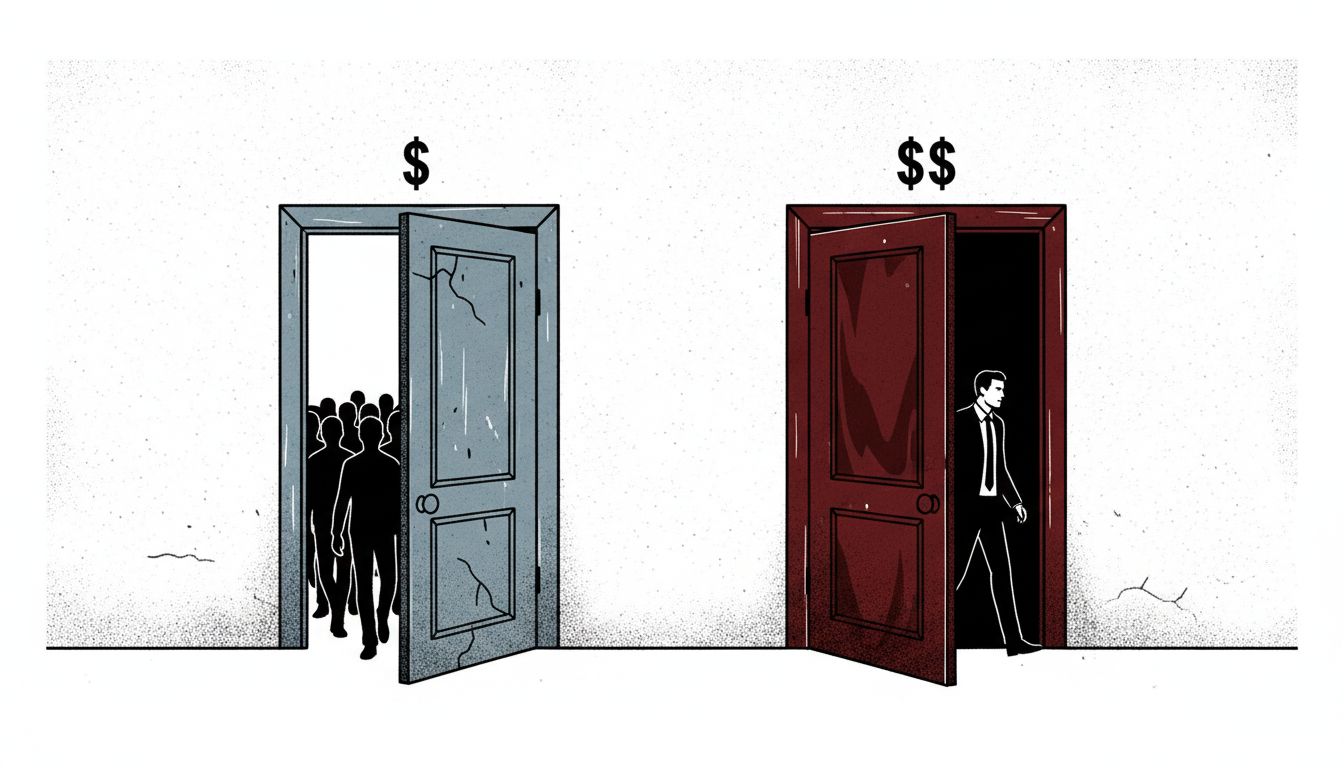
There’s also a practical calculation here that founders underestimate. Premium domains cost anywhere from a few thousand to hundreds of thousands of dollars. That’s money that could go toward infrastructure, toward the first hire, toward actual product development. Tech companies already face enough pressure from external costs, and voluntarily adding a five-figure domain expense to a pre-revenue company is the kind of decision that sounds defensible in a pitch deck and looks absurd in a post-mortem.
The Real Cost Is Time, Not Money
Beyond the dollars, the naming obsession costs something harder to quantify. Every hour a founding team spends in naming workshops, crowdsourcing feedback on Slack, or running trademark searches is an hour not spent talking to users. And talking to users is the only thing that actually moves the needle in the first ninety days.
This is a version of a problem that shows up everywhere in early-stage companies. Software always takes longer than estimated because engineers are solving the wrong problem from the start, and founders obsessing over names are doing exactly the same thing. They are solving a problem that belongs to a later version of the company, not the one that exists right now.
The companies that move fastest are the ones that have internalized a simple rule: all branding decisions are downstream of product-market fit. You cannot make a good brand decision without knowing what your brand needs to stand for, and you cannot know that until you have real users telling you what they actually value about what you built. Doing it in the other order is not just inefficient. It is often actively misleading, because early assumptions about brand positioning almost never survive contact with actual customers.
When the Bad Name Becomes an Asset
There is one more dimension to this that most founders miss entirely. A weird or awkward name that users have to think about slightly longer than a clean one can actually improve recall. It creates a small cognitive hook. Slack is not a word that screams productivity software. Stripe doesn’t obviously mean payments. Figma sounds like it could be anything. These names became assets not because they were chosen for maximum clarity but because the products earned them meaning through use.
And in some cases, the awkward original name becomes a piece of founder mythology that the company actively preserves. It is proof of early conviction, evidence that they were busy doing the work instead of polishing the packaging.
What This Actually Looks Like in Practice
The founders who get this right are not being cavalier about brand, they are sequencing it correctly. They grab a domain that is good enough to share in a URL, ship something that works, talk to the first hundred users obsessively, and then, once they understand what they have built and for whom, they revisit the name with actual information to work from.
This is the same logic behind startups deliberately choosing markets that don’t exist yet. The early decisions that look reckless from outside are usually the ones where the founders understood something the observers didn’t. In this case, the insight is simple: the domain is not the product. The product is the product. And the founders who ship the product first, with whatever URL they can grab in ten minutes, are the ones who get to worry about the domain name from a position of traction rather than speculation.
Stop treating the name like the foundation. It’s the paint. Lay the foundation first.