The simple version
A domain name matters almost nothing in the early stages of a startup and almost everything later, so the smart move is to ship something ugly, prove it works, then buy the real name with the leverage of a product people already want.
The mythology of the perfect name
Somewhere around 2010, a founder I knew spent six weeks and roughly $4,000 trying to acquire a clean two-syllable .com before he’d written a single line of product code. He never launched. The startup that competed in his space, which launched the same month he started his domain negotiation, is still running today under a name that sounds like a sneeze.
This is not an unusual story. The mythology around naming in startup culture is genuinely harmful, and it comes from a survivorship bias problem: we look at Apple, Twitter, Stripe, and Slack and think the clean memorable names were part of the founding strategy. They mostly weren’t. They were the result of resources acquired after the product proved itself.
Stripe, which is now arguably the most respected payments infrastructure company in the world, launched as /dev/payments internally and operated under various placeholder domains before it had the leverage to acquire stripe.com cleanly. The name came after the product had traction. The product came first.
What the domain name actually signals
Here’s the thing that nobody says plainly enough: in the first twelve months of a startup, almost nobody finds you through your domain name. Your first hundred users come from your personal network, a ProductHunt post, a single newsletter mention, a Reddit thread, or word of mouth from someone who already trusts you. The domain is just the string they type after they’ve already decided to check you out.
The domain signals one thing during this phase: whether the founders have their priorities straight. A team that burned two months on brand strategy before they have a single paying customer has revealed something about how they think. They’re optimizing for the pitch deck version of the company rather than the actual company.
Conversely, a founder who launches under something like getwidgetapp.com or trywidget.io is signaling, consciously or not, that they understood the name was a placeholder and the product was the point. There’s a directness to that choice that good early customers and investors actually respect.
The acquisition leverage argument
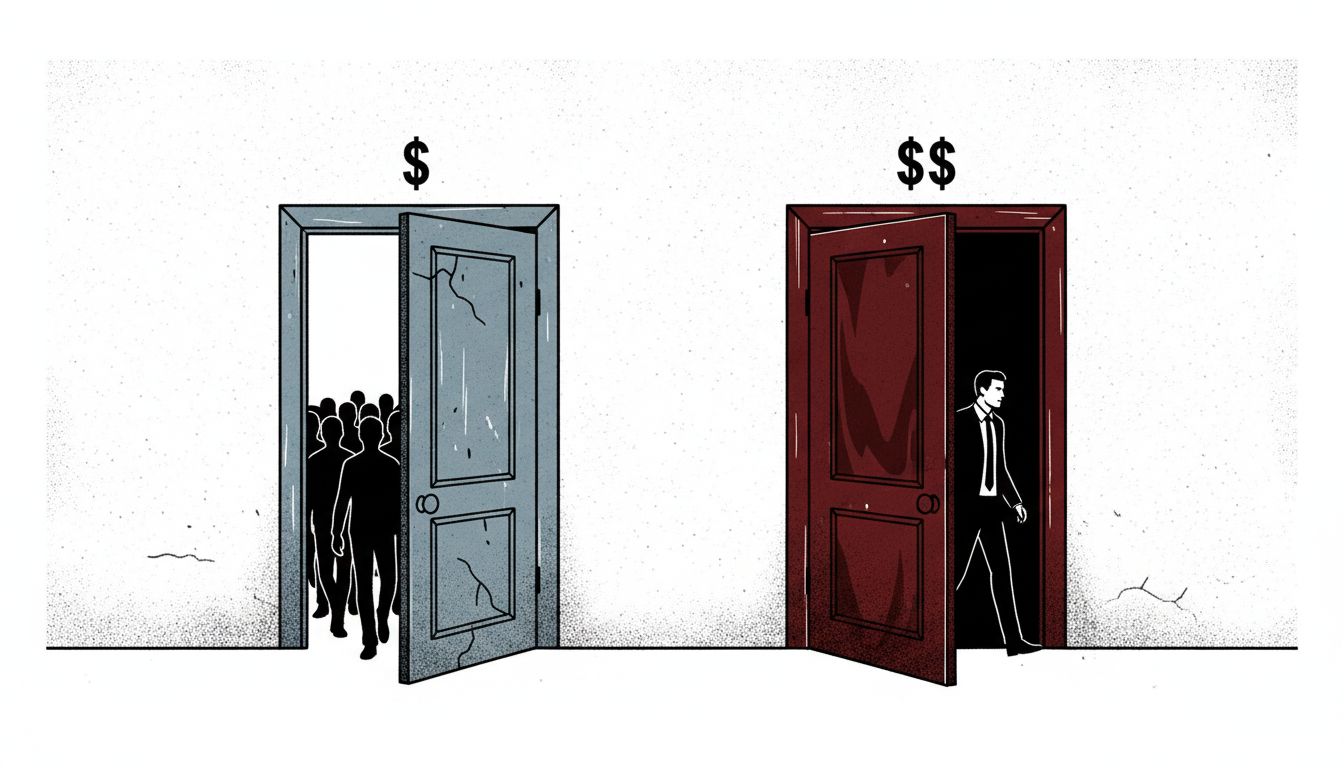
There’s a cold financial logic here that gets underappreciated. Premium domain names, the short memorable .coms that brand consultants tell you to pursue at launch, are priced based on their scarcity and the desperation of whoever is asking. A founder trying to acquire widget.com before launch has essentially no negotiating position. They need the name. The squatter knows they need the name. The price reflects that.
A founder trying to acquire widget.com after their product has fifty thousand users and a term sheet is in a completely different negotiation. They still want the name, but they don’t need it the way a pre-product founder needs it. They have a brand that already exists in people’s minds. The domain upgrade is convenient, not existential. That shift in posture moves the negotiation meaningfully.
Slack launched as a game company called Glitch, then pivoted and operated internally as “Stewart’s project” for a stretch before they had a real name. The name Slack was available because nobody was competing to own it. By the time it meant something, they already owned the trademark.
The vanity metric problem
Domain obsession is a specific flavor of a broader startup disease: confusing things that look like progress with things that are progress. Most successful startups deliberately choose the wrong business model first for a related reason, which is that the first version of anything is a hypothesis, not a commitment.
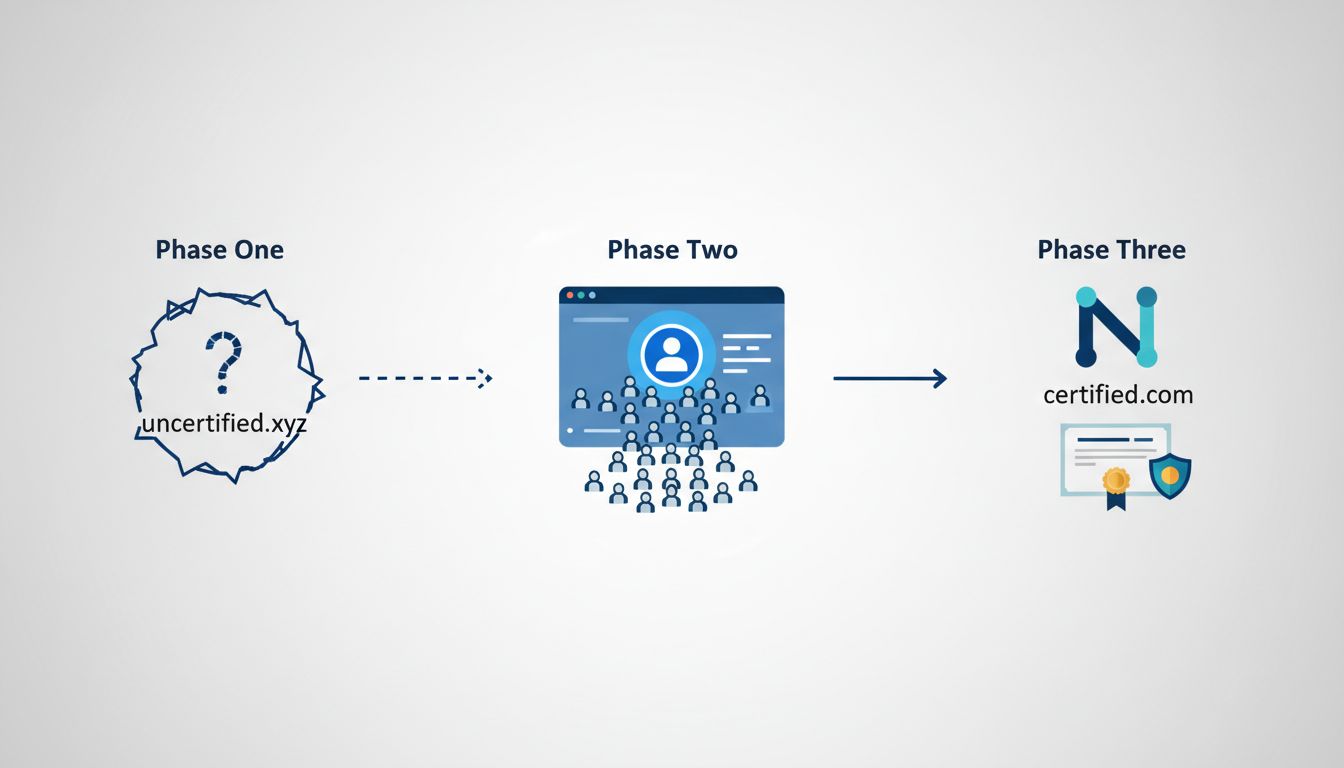
A great domain before product-market fit is like a great logo before you know what the company actually does. It can be done, and occasionally it works out, but it’s optimization at the wrong stage. The startups that win are almost always the ones who were ruthless about what mattered in each phase. In phase one, the product matters. The name, the logo, the office, the press release strategy: these are phase three problems.
The founders who disagree with this usually have one of two mental models. Either they believe their domain is so bad it will actively repel customers (possible, but rare, and usually solvable with a redirect and a better landing page headline), or they believe the domain is the brand (which confuses a technical address with an identity). Neither is a strong counterargument against shipping under something ugly.
The actual playbook
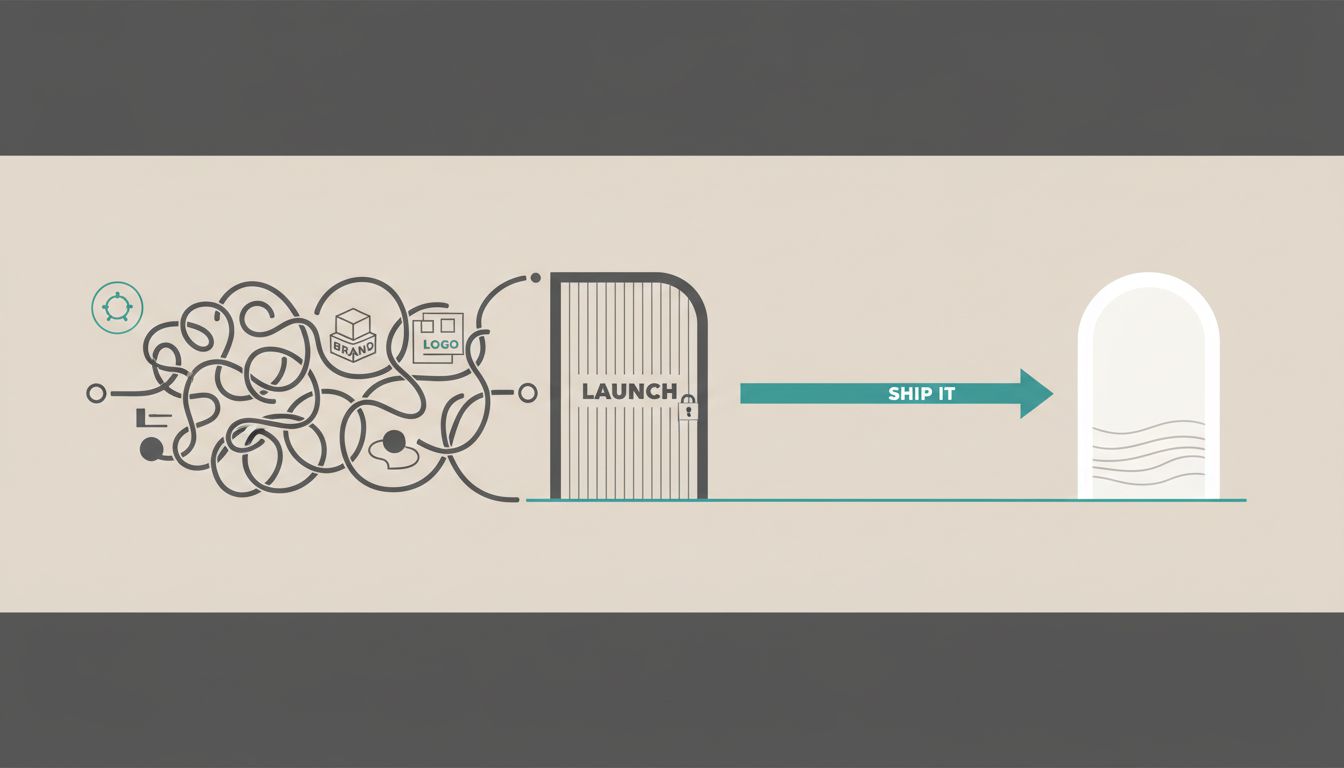
The move that works, and that a lot of successful companies have arrived at independently, looks like this: pick a name that is good enough to not embarrass you, ship the product, find out if anyone cares, and buy the real domain with real money once you have real evidence that real money should be spent on it.
“Good enough to not embarrass you” is a low bar. It means something pronounceable, not offensive, not a trademark violation, and not so confusing that support emails get lost. Get[YourThing].com or [YourThing]app.io or even [YourThing].co all clear that bar.
The investment you don’t make in the perfect domain in month one is a direct transfer to product development, which is the only thing that generates the evidence you need. Evidence is what gives you leverage. Leverage is what lets you buy the name you actually want at a price that doesn’t make you wince.
The founders who figure this out early don’t look like they’re settling. They look like they understand what game they’re playing.