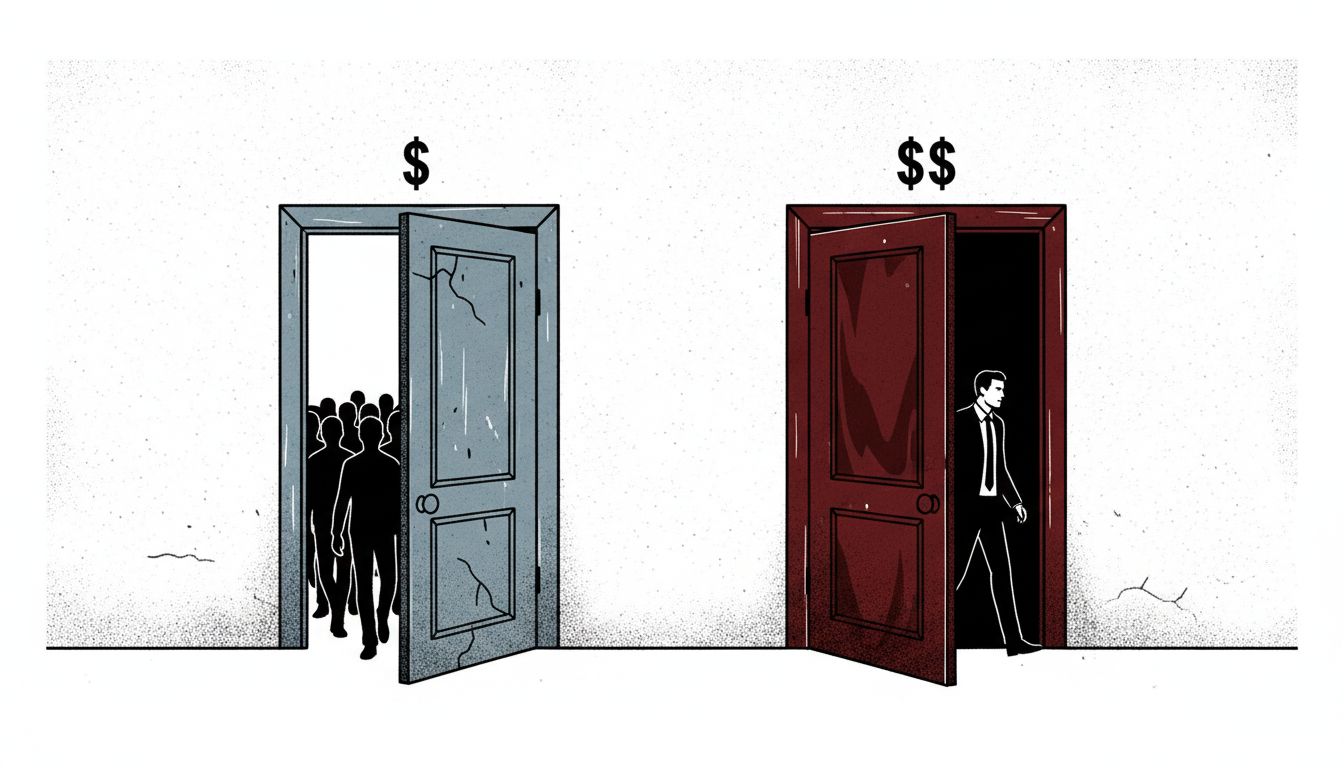

The simple version: Hiring people who already love your product feels safe, but they can’t see your blind spots. The people who think your product is flawed, overpriced, or solving the wrong problem are the ones who can actually make it better.
A founder I know spent six months recruiting a product lead who had publicly written that his company’s core feature was “a solution looking for a problem.” His co-founders thought he was losing his mind. He thought he was getting the most useful person in the room. He was right.
Why Fans Make Terrible Hires
When someone already loves your product, they’ve made a psychological commitment to it. That commitment is the problem. They’ve resolved their doubts. They’ve rationalized the rough edges. They’ve decided the vision is sound and the trade-offs are acceptable. You are not getting a fresh set of eyes. You are getting someone who will work hard to confirm what they already believe.
This isn’t a character flaw. It’s how belief works. Once someone becomes an enthusiast, contradictory information slides off them. They explain away user complaints as edge cases. They defend product decisions that probably deserve to be challenged. They are, in startup terms, the last person you want setting product direction when things start going sideways.
Early employees hired because they loved the idea also have a self-interest in that idea succeeding unchanged. Suggesting a pivot threatens the thing they signed up for. Critics don’t have that problem.
What Critics Actually Bring
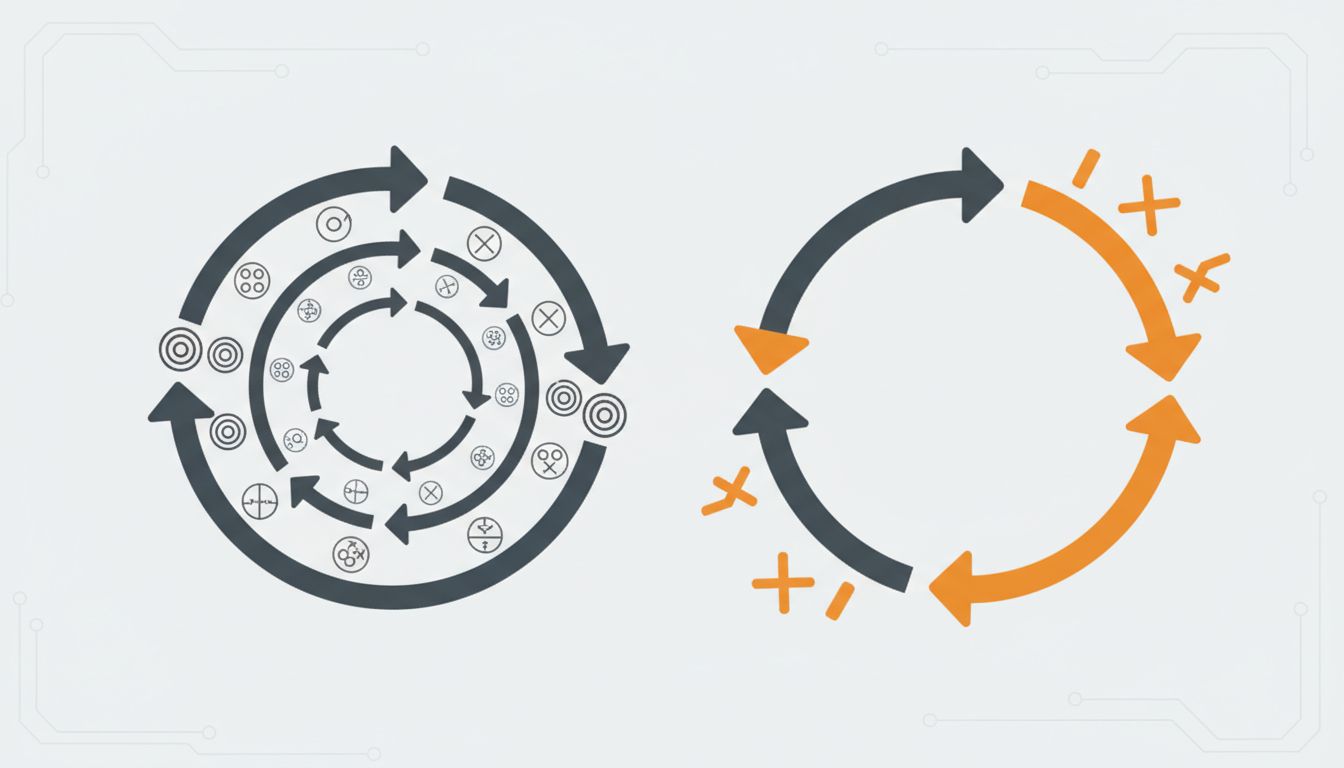
A genuine critic has already done the adversarial thinking you’re trying to buy. They’ve noticed what your product gets wrong. They’ve compared you to alternatives and found you lacking in specific ways. They’ve formed opinions about the gap between what you promise and what you deliver.
That’s not disloyalty. That’s exactly the kind of structured skepticism that good product development requires. The question isn’t whether they like you now. The question is whether they’re smart, whether their objections are grounded in reality, and whether they’d bring that same rigor to the work once they’re inside.
Satya Nadella’s transformation of Microsoft is a reasonable example of this principle at scale. He systematically elevated people who had been vocal about the company’s dysfunction, its insularity, its tendency to crush ideas that threatened existing product lines. His predecessor’s leadership had rewarded loyalty and internal alignment. Nadella started rewarding the people who had been right about the problems.
The Difference Between a Critic and a Cynic
This is where founders usually get stuck. They hear “hire your critics” and picture the person who told them their startup would fail, full stop, with no further analysis. That’s not who you want.
A cynic tears down without a model. They don’t have a better answer, just a confident “no.” A critic has a point of view about why something doesn’t work and, often, a sense of what would. When someone writes a detailed takedown of your UX decisions, or a thoughtful argument for why your pricing model misunderstands the market, or a clear-eyed comparison of your product to a competitor’s, they have shown you something valuable: they’ve thought carefully about your space. That’s the hire.
The filter isn’t positivity versus negativity. It’s whether the criticism reveals actual thinking. Vague hostility is a red flag. Specific, well-reasoned disagreement is a resume.
How This Plays Out in Practice
The most concrete version of this strategy is hiring from your complaint queue, not your fan mail. The users who write long, frustrated emails about what your product does wrong have given you more useful information than the users who rate you five stars. They’ve bothered to articulate a problem. Some of them are articulating it because they care and they see what the product could be.
Some of the best product managers and customer success leads come from exactly this pool. They came to the company already holding a detailed mental model of its failure modes. That knowledge doesn’t disappear when they join. It becomes an asset.
As we’ve written before, the startups that actually read their complaint queues tend to win, and the same logic extends to who you put on payroll.
The Organizational Immune System Problem
Hiring critics is only half the battle. The harder part is keeping them from being neutralized once they’re inside.
Organizations have immune systems. They identify and expel foreign bodies. A new hire who keeps pointing out structural problems, or who pushes back on the founding mythology, or who says “this feature is bad, actually” in a meeting full of people who built it, will face social pressure to stop doing that. They’ll be told they’re not being a team player. They’ll learn that certain conversations don’t happen here. Eventually, if they’re not supported from the top, they’ll either leave or become indistinguishable from the fans.
This is why the strategy only works if leadership actively protects the critics’ ability to criticize. You don’t hire a skeptic and then make it professionally uncomfortable to be skeptical. That’s not hiring a critic. That’s laundering your decision-making with the appearance of rigor while maintaining the reality of groupthink.
The founders who do this well treat disagreement as a signal of engagement, not disloyalty. They make it structurally safe to be wrong about something internal, while still holding people accountable for the quality of their thinking. That’s a genuinely hard management problem. It’s also the thing that separates the companies that course-correct from the ones that drive off the cliff surrounded by people who didn’t want to say anything.