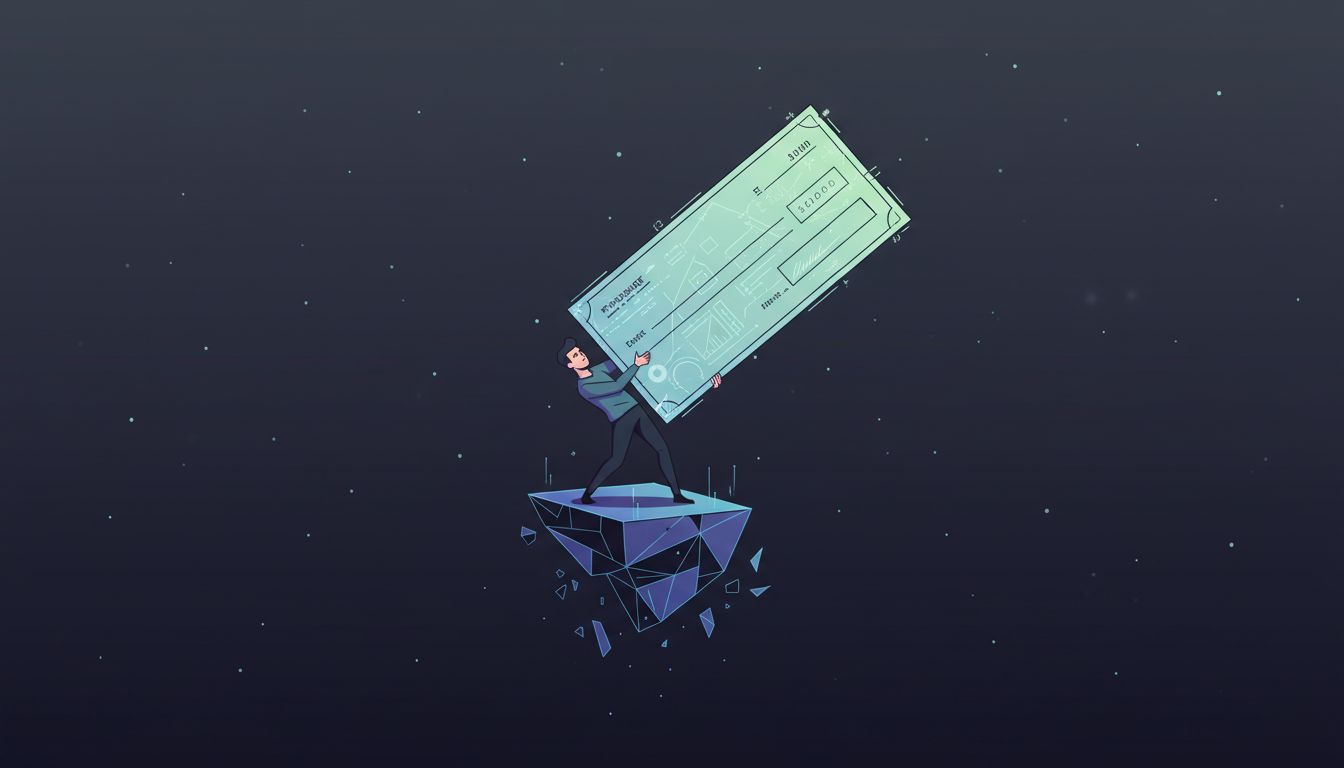
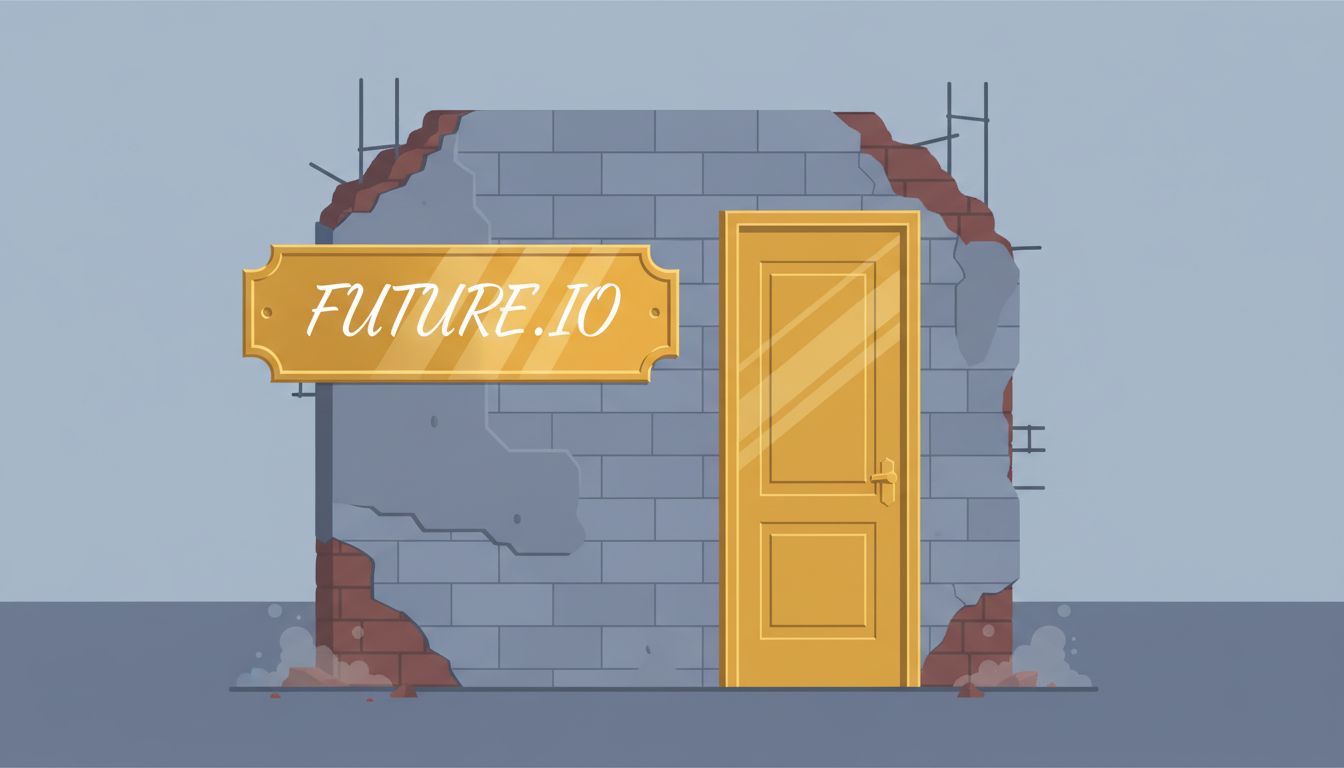
A founder I know spent six weeks and $14,000 acquiring a clean, two-syllable .com before writing a single line of product code. The domain was perfect. Memorable, brandable, professionally credentialed. The product it pointed to was dead within eight months because he’d been shopping for a nameplate instead of validating whether anyone wanted what he was building.
Meanwhile, companies have shipped on domains with hyphens, misspellings, awkward letter strings, and country-code extensions that made zero sense geographically. Some of them became household names. The domain name religion in startup circles gets this exactly backwards. Here’s why deliberate domain imperfection is often the smarter move.
1. A Bad Domain Forces You to Earn Your Brand
Google launched as BackRub. Twitter started as twttr. These weren’t accidents of poverty, they were products that became so useful that people learned to spell them, hyphenate them, type them into browsers with effort. The brand wasn’t inherited from a perfect domain, it was built on top of whatever domain existed.
When you start with a generic, clean, obvious domain, you inherit the expectations that come with it. A domain like “projectmanager.com” tells users exactly what they’re getting, which sounds like an advantage until your product turns out to be something more specific, more opinionated, or more interesting than the name implies. You’re boxed in before you start.
A weird or imperfect name is a blank slate. Users have no prior mental model to disappoint.
2. Premium Domains Drain Capital That Should Go to Product
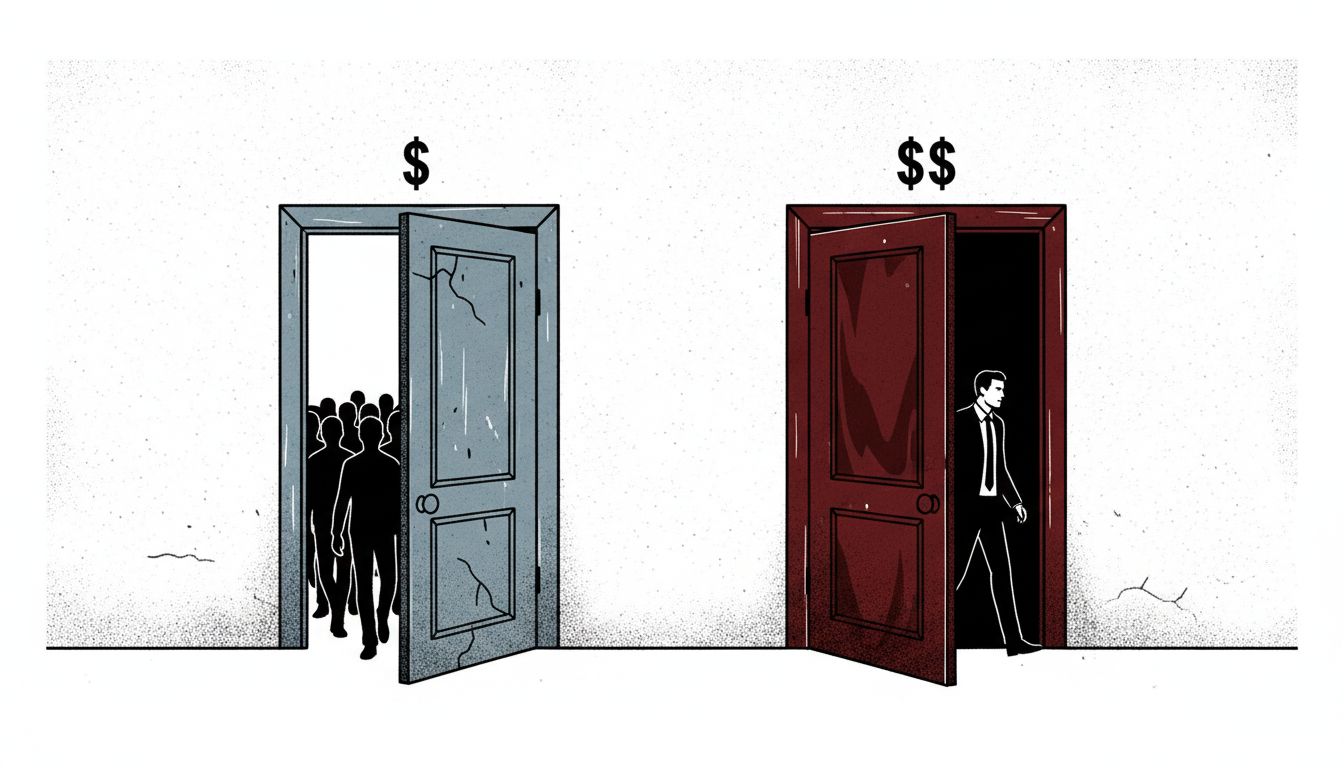
The aftermarket for clean .com domains is brutal. A single generic word can run six figures. Even two-word combinations trade in the tens of thousands. For a pre-revenue startup, that money doesn’t just sit on a server somewhere, it’s gone. It can’t be recovered if you pivot, and in the early stages, pivoting is not a failure condition, it’s an expected part of the process.
The founders who blow the budget on a domain have made a psychological bet: that they’ve already figured out what they’re building and who it’s for. That confidence is almost always wrong before you have real users. A $500 domain and twelve months of customer conversations will teach you more than any branding exercise.
3. Domain Anxiety Is a Proxy for Founder Insecurity
I’ve seen this pattern enough times to call it what it is. The founders most obsessed with having the right domain before launch are often the ones most afraid of launching. Acquiring the perfect name feels like progress. It’s a task with a clear endpoint, a checkbox, a thing you can show people. Shipping a product to real users and watching them bounce is terrifying by comparison.
Domain perfection is a form of procrastination wearing a business hat. The founders who ship ugly and iterate are the ones who figure out whether their idea is real. The ones polishing their brand assets are often the ones avoiding that answer.
4. Users Remember Experiences, Not Spellings
The data on this is pretty consistent across consumer behavior research: what drives return visits and word-of-mouth is the quality of the experience, not the aesthetic quality of the URL. Nobody recommended Craigslist because the domain was beautiful. Nobody avoided Tumblr because it was missing a vowel. The product does the work.
What matters at early stages is whether users remember that a thing exists and want to come back. They’ll search for it, bookmark it, or open it from an email link. The friction of a slightly awkward domain is negligible compared to the friction of a product that doesn’t solve their actual problem. Fix the problem first. The domain is cosmetic.
5. Placeholder Names Often Stick, and That’s Fine
Many companies intended to change their domain and never did because by the time they had the resources, the original name had equity. Flickr kept its missing vowel. Fiverr kept its doubled letter. These weren’t proud branding decisions at the time, they were just available. Then users showed up, and suddenly rebranding had a real cost.
This is more common than founders realize. The working name becomes the real name. Which means the energy spent trying to nail the permanent brand identity before you have users is often spent anticipating a problem that either resolves itself or never needed solving in the first place.
6. A Weird Domain Self-Selects for the Right Early Users
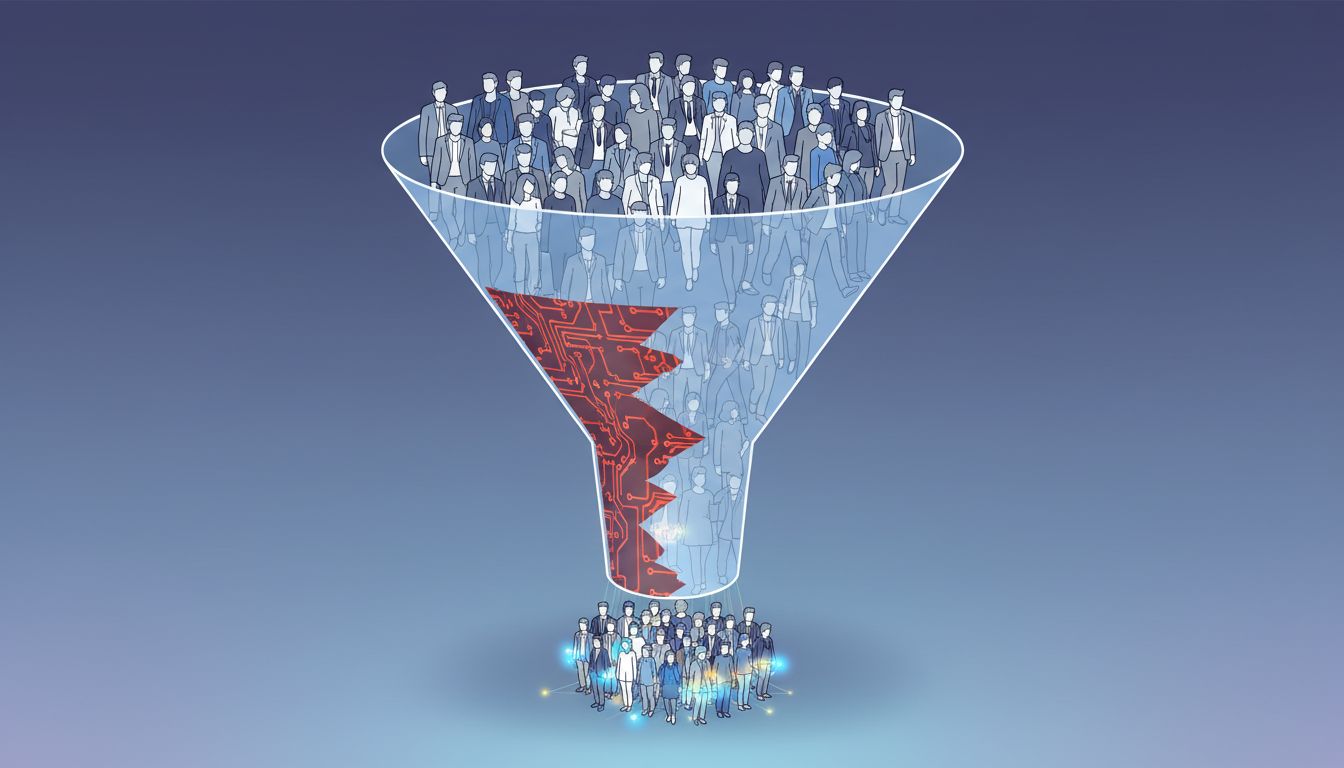
There’s something useful about the friction of an imperfect domain in the early days. The people who find you anyway, who type out the hyphenated URL or the .io extension without complaint, are the ones who actually want what you’re building. They’re motivated. They’re your real early adopters.
This is related to the counterintuitive logic behind artificial friction in early product launches. Small barriers filter out casual curiosity and surface the people with genuine need. An ugly domain is a mild filter, but it’s still a filter, and the users who get through it tend to give you better feedback than the ones who wandered in because the homepage looked professional.
7. You Can Fix the Domain Later, for Cheap
Dropbox ran on getdropbox.com for years before acquiring dropbox.com. By the time they bought it, the negotiation was easy because the product had enough traction that the original domain holder knew they were dealing with a real company. Early-stage founders have less leverage with domain squatters, not more.
Waiting to acquire the perfect domain until you have proof of traction is the rational strategy. You’ll have more money, more leverage, and more certainty that the name you’re buying is actually the name you want. Paying premium prices pre-product to lock in a name you might never use is just expensive speculation dressed up as strategic thinking.
The founders with the best domains at launch aren’t always the ones with the best companies. They’re often just the ones who spent the most time shopping before they knew what they were selling.