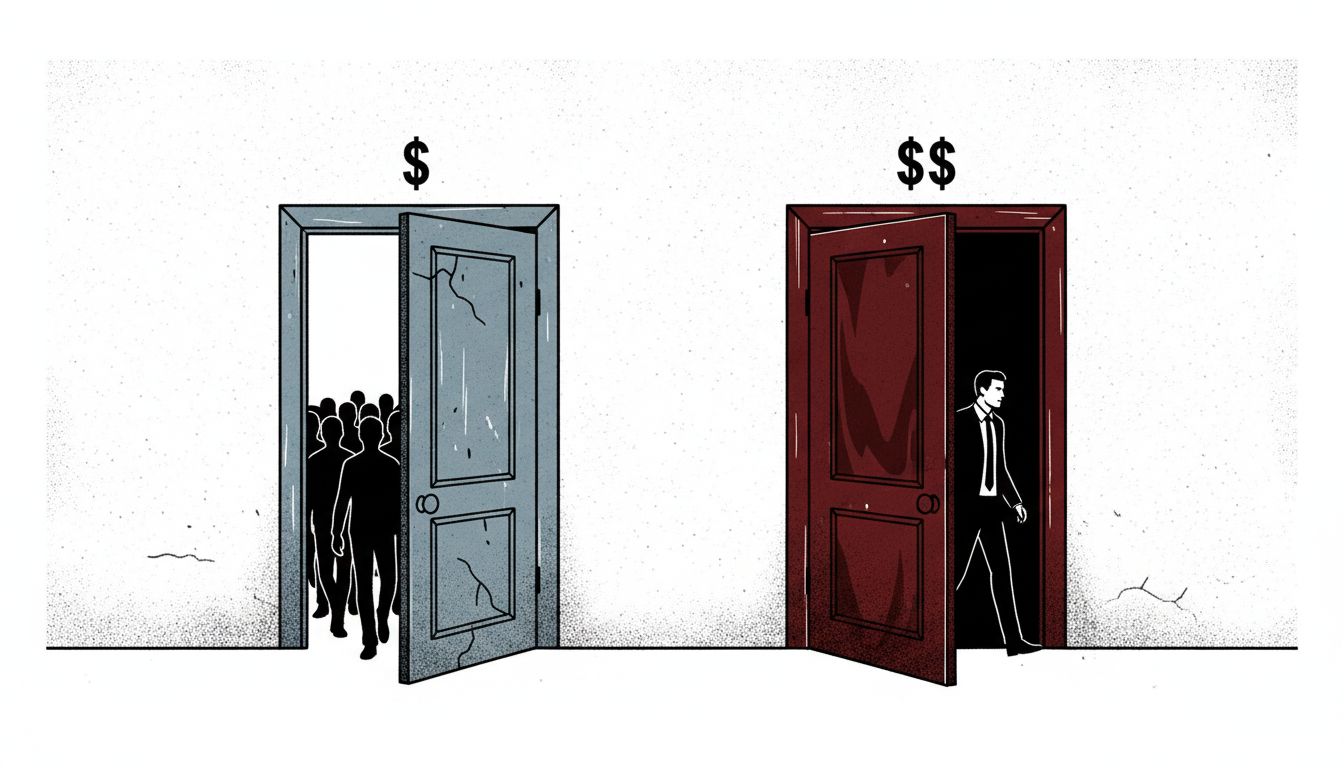

Picture this. A startup you’ve been following for months finally opens its waitlist. You get in. The product crashes on login, the core feature works maybe sixty percent of the time, and the UI looks like it was assembled during a fire drill. You’re frustrated. You file a bug report. You keep using it anyway, because the promise of what it could be keeps you coming back. Now here’s the uncomfortable truth: every single one of those friction points was, at least partially, intentional.
This isn’t cynicism talking. It’s the actual business logic behind how some of the most successful products in tech got built. And once you see the machinery underneath, you can’t unsee it. If you want the full economics of this practice laid out bluntly, the business case for shipping buggy software on purpose is more airtight than most people realize. But the why behind the why, the strategic reason companies structure their betas this way, is what most coverage misses entirely.
The Beta Is Not a Test. It’s a Filter.
Every product team will tell you that beta is about finding bugs. That’s true the way saying a fishing net is about catching water is true. Yes, that happens. But the real catch is something else.
A broken product self-selects for a very specific type of user: someone motivated enough to push through friction, opinionated enough to complain about it, and emotionally invested enough to come back. That’s not your average user. That’s your power user, your evangelist, your edge-case generator. That’s the person whose behavior will teach you more about your product in two weeks than a focus group could in six months.
When Slack launched internally at Tiny Speck in 2013, it was a mess. Features were missing, integrations were buggy, and the team used it internally for months before opening it up selectively. Each wave of new users was chosen partly because they’d complain loudly and specifically, not because they’d be patient. The friction wasn’t an accident. It was a recruiting tool for the most valuable kind of feedback.
What a Broken Product Teaches You That a Perfect One Never Could
Here’s something most product managers understand but rarely say out loud: a polished product teaches you almost nothing. When everything works smoothly, users flow through your intended path. You learn that your intended path works. Congratulations. You’ve confirmed your own assumptions.
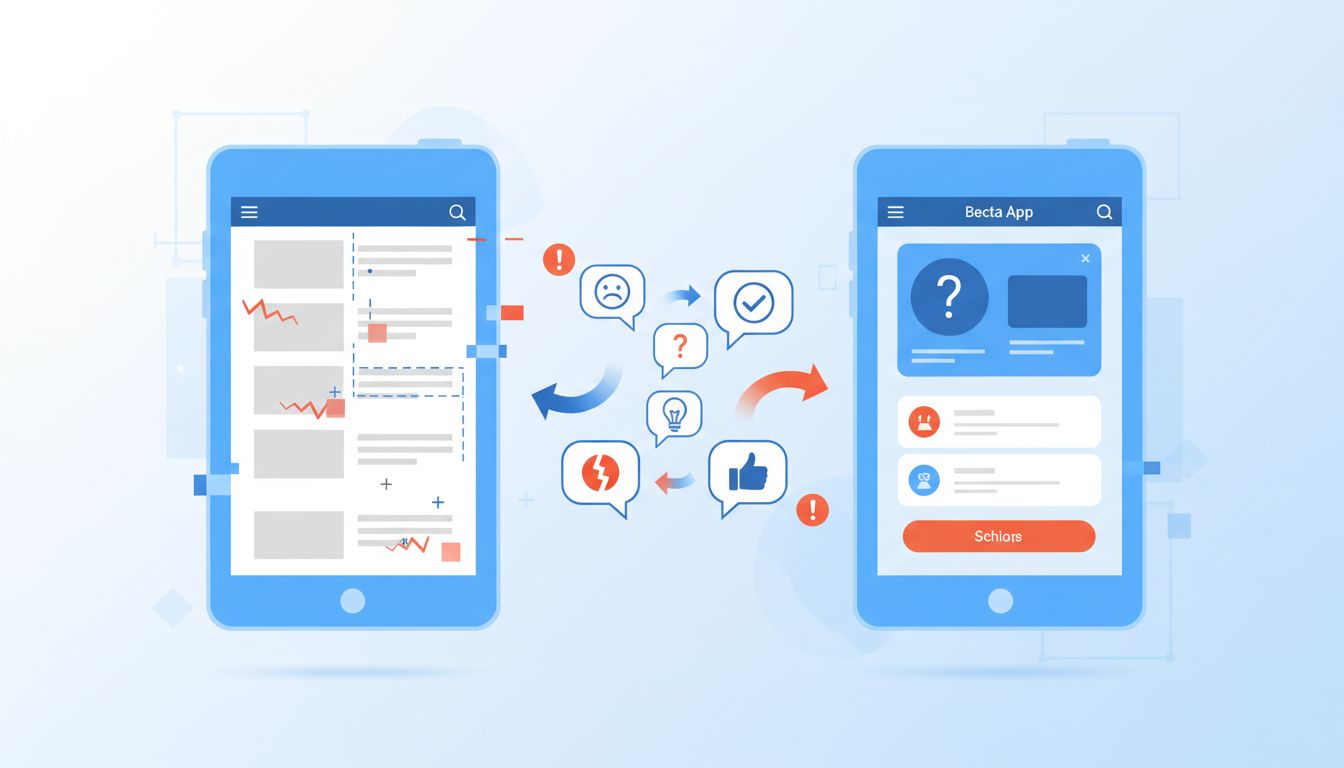
A broken product, on the other hand, is a stress test of your users’ actual desires. When the obvious path is blocked, users reveal what they were really trying to accomplish. They find workarounds. They complain about the wrong thing (which tells you what they actually care about). They abandon features you were proud of and hammer on ones you barely built.
This is the same logic behind why tech giants often find that their beta software outperforms their final releases. The rough edges aren’t just tolerated, they’re generative. They produce a kind of signal you simply cannot manufacture through user testing or surveys.
The companies that understand this don’t treat beta as a phase to get through. They treat it as a permanent operating mode that they gradually formalize. The product gets more stable, but the mindset stays the same: ship it, watch what breaks, learn faster than your competitors.
The Data Extraction Game
There’s another layer here that gets almost no coverage, and it’s the most strategically important one.
A broken beta product generates a volume and variety of behavioral data that a polished product simply cannot. Every crash report is a data point. Every workaround is a signal. Every support ticket is a user telling you, in plain language, what they were trying to do when your product failed them. Multiply that by thousands of beta users over several months and you have a dataset that would cost millions to generate through traditional research.
This is especially true in AI products, where the gap between what users ask for and what they actually need can be enormous. (The relationship between data quality and model performance is genuinely counterintuitive, and more training data can sometimes make AI systems perform worse rather than better for reasons that are only now being understood.) Beta users generate messy, real-world data that synthetic datasets can’t replicate. That data is often worth more to the company than the subscription revenue from those same users.

Why Intentional Brokenness Is a Competitive Moat
Here’s the part that sounds counterintuitive until it doesn’t.
A company that ships a broken beta and survives it comes out the other side with several advantages that a company that waited for perfection simply doesn’t have. They have a trained user base that already knows how to work around friction. They have real behavioral data from real users under real conditions. They have a community of early adopters who feel a sense of ownership over the product’s evolution because they suffered through its early days and watched their feedback get implemented.
That last one is enormous. The psychological principle at work is well-documented: people value things more when they’ve invested effort in them. Beta users who fought through a broken product to get value from it are more loyal than users who showed up after launch when everything just worked. They’re also more likely to evangelize, because they have a story to tell.
This connects directly to how tech companies deliberately launch products they know will lose money in the short term, because the long-term value of what they learn and who they attract far outweighs the early losses.
The Honest Version of This Strategy
None of this means every broken product is strategic. Most of them are just broken. Underfunded teams, rushed timelines, poor engineering decisions, these produce broken betas too, and the companies behind them don’t survive to tell a flattering story about it.
The difference is intent and infrastructure. A strategically broken beta has clear internal answers to three questions: what specific signals are we looking for, who exactly are we trying to filter in, and what’s our mechanism for turning user pain into product decisions quickly. Without those answers, a broken product is just a broken product.
The companies that get this right don’t apologize for the brokenness. They frame it correctly, as an invitation into a process rather than a failed promise. They close the feedback loop fast enough that users can see their complaints turn into improvements. And they know exactly when to stop being broken, because the data has told them what they needed to know.
The beta isn’t a mistake you’re tolerating. In the hands of a team that knows what they’re doing, it’s the most sophisticated research tool in the product development arsenal. The bugs aren’t the point. But they’re not incidental either. They’re doing a job.