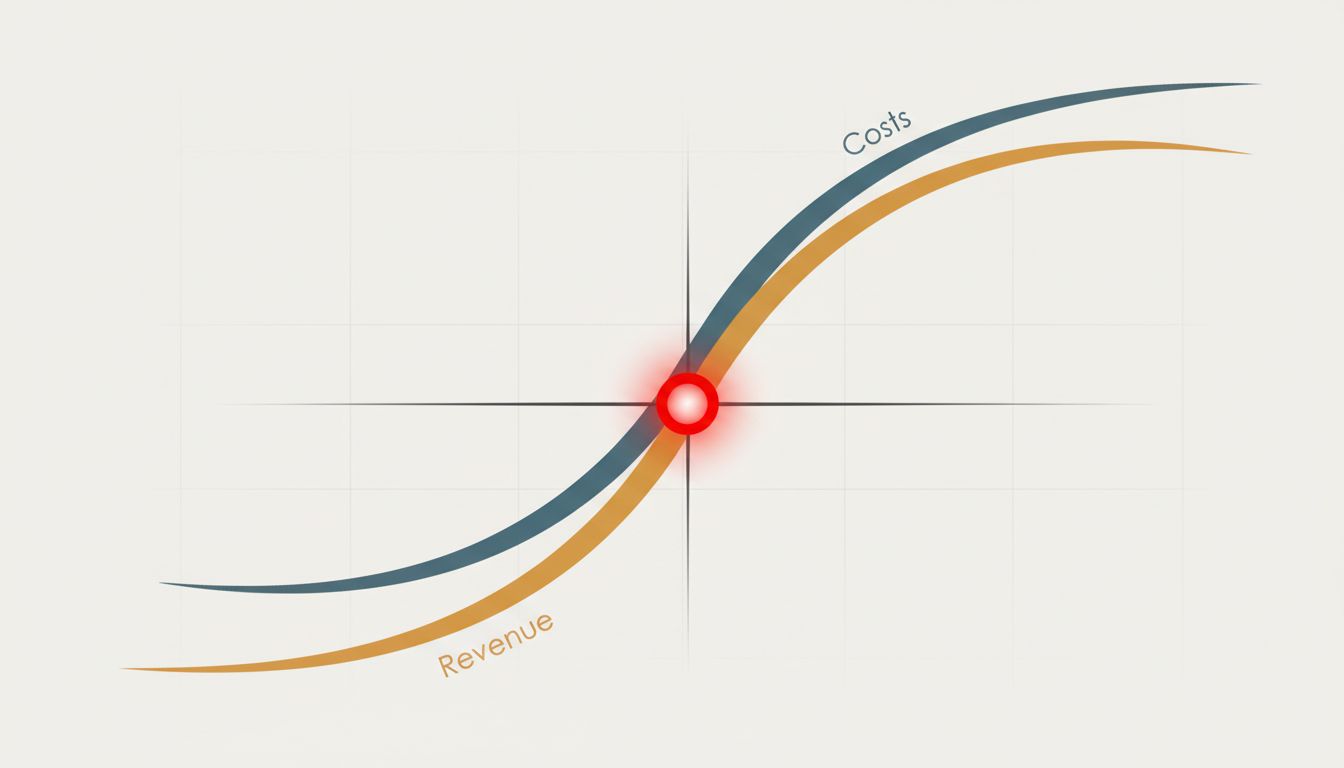

A founder I know spent six months and a meaningful chunk of runway on a user research firm. Surveys, personas, journey maps, the full package. Meanwhile, her support inbox had three customers who wrote in every other week with detailed, specific, occasionally furious accounts of exactly what was broken and why they almost quit. She had never replied to any of them.
This is not an unusual story. It is nearly universal.
Most startups treat complaints as a cost center problem. Something to triage, resolve, and close. The instinct is understandable: complaints feel like failure, and nobody wants to stare at failure longer than necessary. But that instinct is wrong, and acting on it means paying for research you already have for free.
Complainers are your most engaged users
Think about what it takes to write a complaint. A person has to care enough about your product to bother. They have to articulate a problem, which requires understanding it. They are telling you they haven’t left yet. Silent churn is the thing that kills companies. The person who emails you to say the export function is broken and it cost them an hour is not your problem customer. They are your most invested one.
The customer who complains in detail is doing something qualitative researchers spend weeks trying to manufacture in controlled settings. They are narrating their actual experience, in the moment, with real stakes attached. No moderator bias. No social desirability effect. Just someone who needed your product to work and is telling you exactly how it didn’t.
The complaint tells you what the feature request can’t
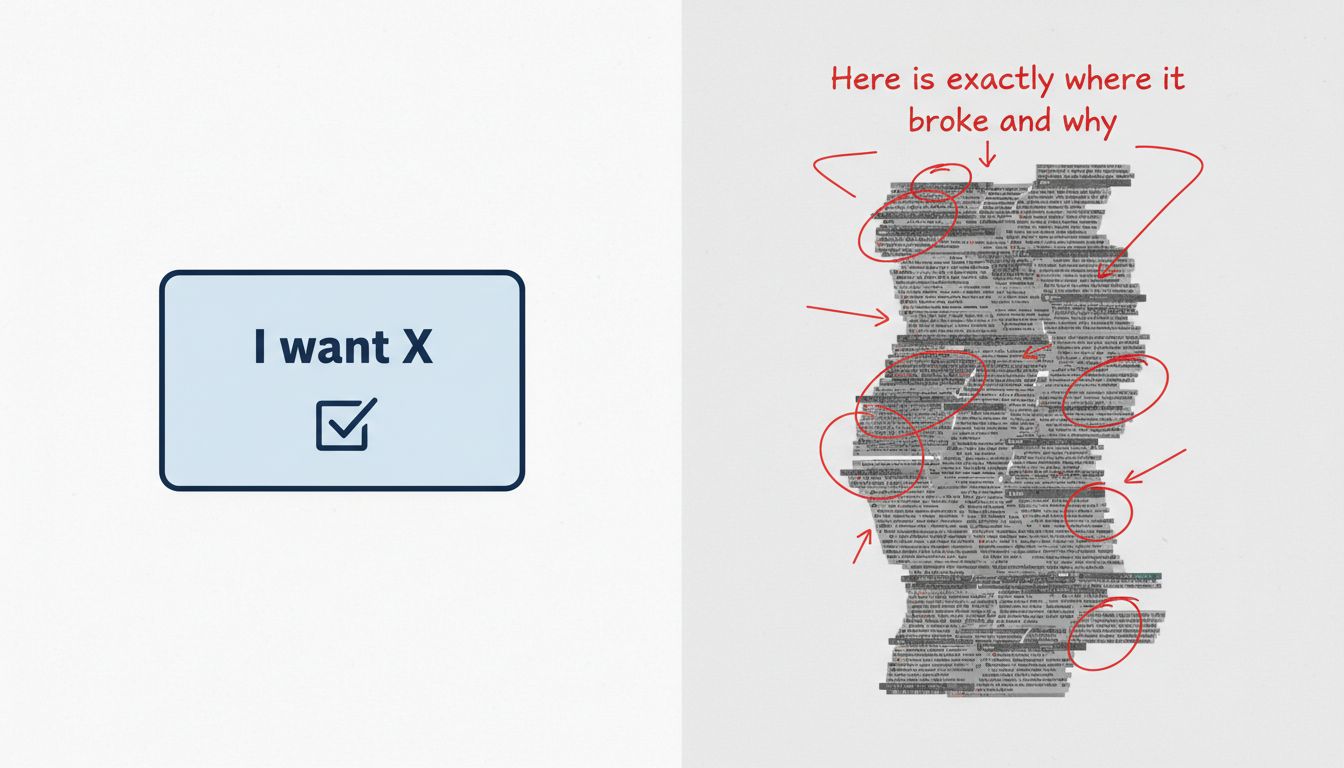
Feature requests are aspirational. Complaints are diagnostic. When a user says “I want a Gantt chart view,” you have learned almost nothing about whether your core product is working. When a user says “I’ve tried three times to move this task to a different project and I can’t figure out how,” you have learned that a basic workflow is broken for at least one real person, which means it’s probably broken for others who didn’t bother to write.
The gap between what users ask for and what they actually need is well-documented. What’s less discussed is that complaints close that gap in a way requests rarely do. Complaints describe behavior. They describe context. They describe the moment when trust started to erode. That is the raw material of actual product improvement, not roadmap theater.
This is especially true for the customers who eventually leave. The ones who complained before they churned handed you an exit interview. Most founders never read it.
Patterns in complaints reveal market positioning
One complaint is an anecdote. Twenty complaints about the same thing, from the same type of user, in the same context, is a business decision waiting to be made.
A consistent complaint that your product is too complicated usually means you’ve drifted upmarket without deciding to. A consistent complaint that a feature is missing usually means you’re serving a use case you didn’t plan for. Both of those are strategic information. Both arrived for free.
The founders who take this seriously build lightweight systems for it. They tag support tickets by theme. They read the raws themselves, or at minimum have someone who can synthesize them report directly to product leadership. They treat the support queue as a standing qualitative study with a continuously refreshed panel of real users.
The counterargument
The pushback I hear most often is that complainers are unrepresentative. The person who emails support is not the median user, the argument goes, so weighting their feedback too heavily distorts your picture of the market.
This is true and mostly irrelevant. You are not running a census. You are looking for signal about what is broken and for whom. The fact that a complainant is self-selected toward high engagement doesn’t invalidate what they’re telling you about a workflow. It means you should be curious about whether that workflow matters to lower-engagement users too. That is a question worth asking. It’s not a reason to discard the data.
The more honest version of this objection is that some complaints are genuinely noise: users who want something your product was never designed to do, or who have unreasonable expectations. That’s real. The answer is to develop judgment about which complaints reveal product-market gaps versus user-product mismatches. That judgment is worth having. It is not an argument for ignoring complaints as a category.
Read your support queue like a founder
The practice here is simple and it requires almost nothing except attention. Read your complaints. Reply to them personally, at least sometimes. Ask follow-up questions. Build a light tagging system so patterns become visible over time. Treat the people who bother to complain as what they actually are: informed, engaged users who are handing you a research report.
You will learn more from six months of that practice than from most research you could pay for. The market is telling you what it needs. The people doing the telling are right there in your inbox.