
In 2006, Facebook was roughly two years old and burning through cash when Yahoo offered Mark Zuckerberg $1 billion to buy the company. The board wanted to take it. Zuckerberg didn’t. He walked out of the meeting. The standard telling of this story frames it as visionary boldness, a young founder betting on himself against conventional wisdom. That framing is mostly mythology, and it obscures the more useful lesson buried underneath.
Zuckerberg wasn’t just rolling the dice on Facebook’s future valuation. He had reached a specific conclusion about where the company sat relative to its actual potential, and the offer price told him something important: Yahoo didn’t understand what Facebook was about to become. That gap between what an acquirer is willing to pay and what a founder believes the business is worth isn’t always arrogance. Sometimes it’s signal.
The pattern shows up repeatedly across the companies that defined the last two decades of tech. Brian Chesky and the Airbnb founders famously turned down acquisition interest from various large travel companies in their early years, when the business looked shaky enough that accepting would have seemed rational. WhatsApp rejected multiple suitors before eventually selling to Facebook for $19 billion in 2014, having built a product with hundreds of millions of users first. Instagram took $1 billion from Facebook in 2012, and while that looks like a smart exit, Kevin Systrom has said publicly that he believed the company had further to go. He took the deal partly because Facebook offered something the other suitors didn’t: operational independence.
What links these decisions isn’t recklessness or founder ego (though there’s always some of that). It’s a specific kind of market timing analysis that most acquirers, by structural necessity, cannot do well.
Here’s the problem with acquisition offers. Large companies make acquisitions through processes. There are committees, valuations, comp analysis, strategic fit decks. The people writing the check are working from the same data everyone else has access to. They can see what your current revenue looks like. They can model your growth rate. What they cannot do easily is price in a genuine phase transition, the moment when a product stops being a niche utility and starts becoming infrastructure.
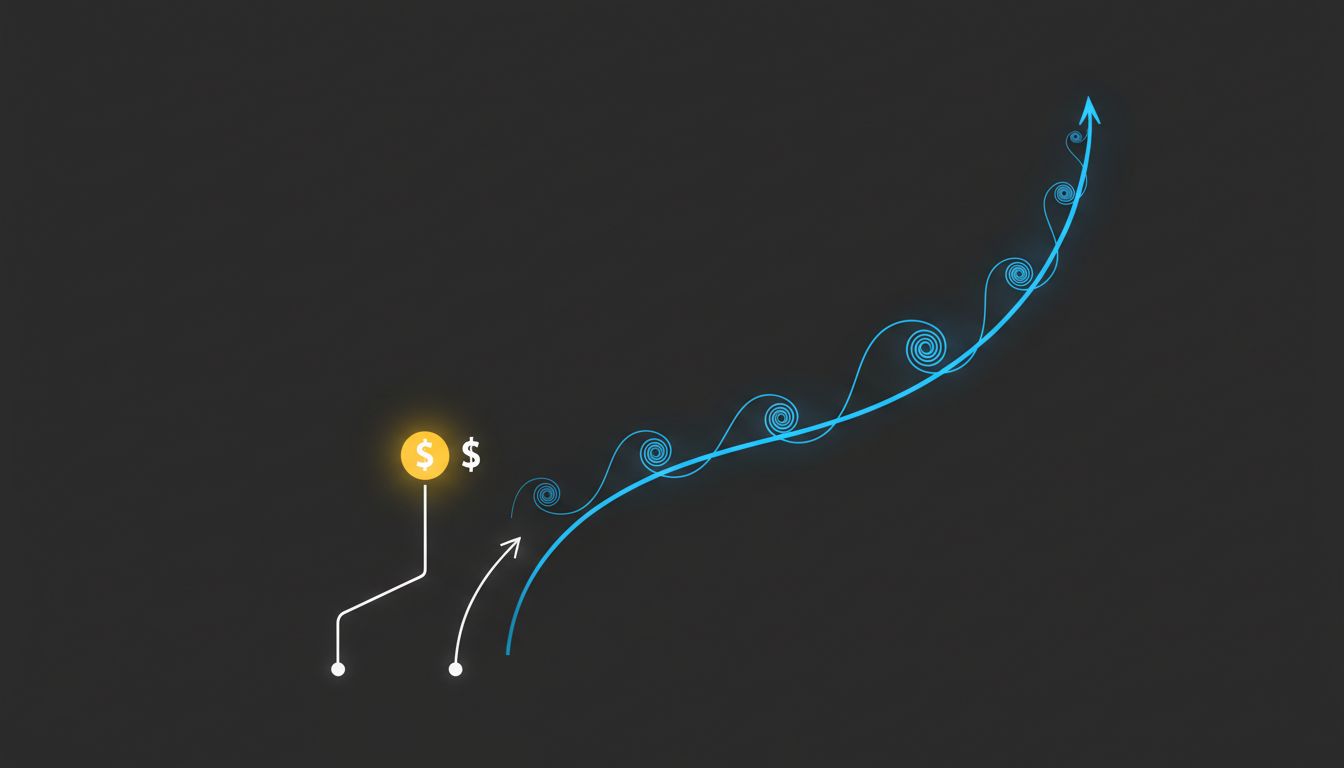
Founders who turn down early offers have usually formed a conviction that they are standing just before one of those transitions. The offer arrives when the product has proven it works, but before the market has fully noticed. From the outside, the valuation looks generous. From the inside, it looks like someone trying to buy your house the week before the neighborhood gets rezoned.
Zuckerberg’s $1 billion moment in 2006 is the clearest example. Facebook had about 12 million users. MySpace had over 100 million. The offer was generous relative to any reasonable projection of Facebook’s competitive position in social networking. What the offer couldn’t price in was that Zuckerberg had built something with a fundamentally different architecture, one built around real identity rather than pseudonymous profiles, and that this structural difference would compound in ways that made the $1 billion look absurd in retrospect. He understood the product’s internal logic better than any acquirer could from the outside.
But this is where founders who refuse acquisition offers get into trouble. The story that gets told about these decisions is almost always the success story. We hear about Zuckerberg because Facebook became worth hundreds of billions. We don’t hear as much about the founders who made the same calculation incorrectly, who believed they were standing before a phase transition when they were actually standing at the peak.
Groupon turned down a reported $6 billion offer from Google in 2010. Andrew Mason, the founder, believed the company was underpriced. The company went public the following year at a valuation of around $13 billion. Within two years the stock had lost more than 90 percent of its value. Mason was eventually fired. The underlying conviction that Groupon was pre-transition wasn’t irrational in 2010. It just turned out to be wrong. The product had fundamental retention problems that no amount of scale was going to fix.
This is the part that startup mythology tends to skip. The founders who turn down acquisition offers and win are the ones who have correctly identified a specific technical or structural advantage in their product that the market hasn’t priced yet. The ones who lose have often confused “our growth looks good right now” with “we are fundamentally better positioned than the acquirer understands.”
Those are very different things. The first is a momentum bet. The second is a structural bet. Structural bets, when correct, produce the Facebook outcome. Momentum bets, when they go wrong, produce the Groupon outcome.
There’s a secondary factor that rarely gets enough attention in these discussions: what happens to the product after acquisition. Founders who have built something with a specific product philosophy know, often from watching what happened to other companies, that acquisition frequently ends the thing that made the product work. Acquisition can mean the product survives as a feature inside a larger platform, or gets integrated and stripped of the autonomy that made it good. The monetary offer on the table is real. But the product that gets acquired isn’t the same product that gets folded into the acquirer’s roadmap.
This is why the Instagram deal worked in ways that other acquisitions don’t. Facebook’s offer included commitments about operational independence that Systrom extracted as conditions. He wasn’t just selling a valuation. He was negotiating for the product to survive intact. Most acquisition offers don’t come with that, and smart founders know it.
The practical lesson isn’t “refuse acquisition offers.” The lesson is narrower and harder to act on: understand specifically why your product is worth more than the offer before you refuse it. Not a general sense that things are going well. A specific structural argument. What do you know about your product’s trajectory that the acquirer doesn’t? If the honest answer is “not much, we just think we can keep growing,” that’s a much weaker reason to walk away than “we’re about to enter a phase where our network effects compound in a way that changes the unit economics entirely.”
Zuckerberg could articulate the second version of that argument. Mason, in retrospect, was mostly working from the first. That difference explains everything.