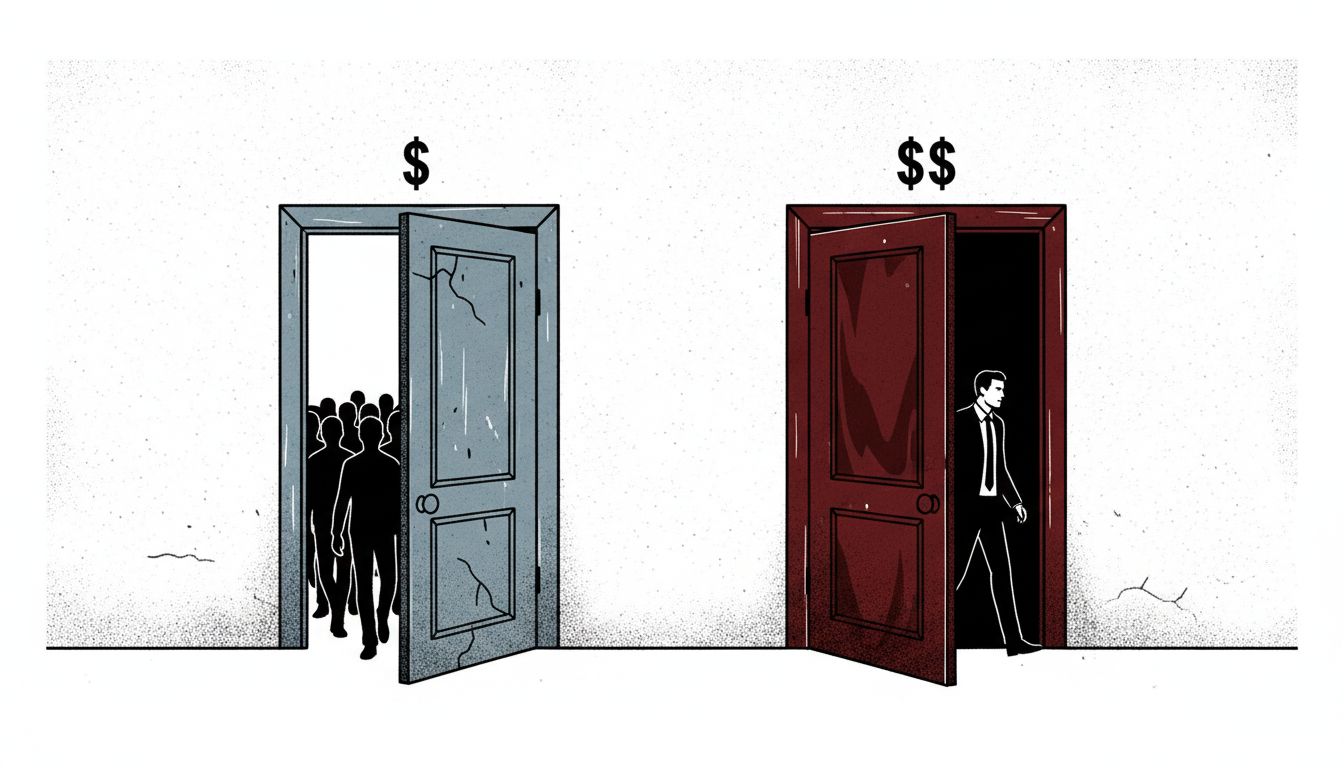

A founder I know sold his first company for a modest but real exit after seven years of grinding. He had done it the hard way: scrappy team, no-name investors, a product that took two years longer than expected to find its footing. When he started his second company, he raised a seed round in three weeks. He hired fast, signed a lease on real office space, and moved with the confidence of someone who had already proven himself. Eighteen months later, he was out of runway and had nothing to show for it.
He is not an unusual case. He is nearly the default case.
The First Startup Teaches You to Survive. The Second Requires You to Think.
Every first-time founder is operating in a state of productive ignorance. You don’t know what you don’t know, so you move fast, you ask dumb questions, you stay close to customers because you have no other choice. You are paranoid about money because you’ve never had any. You take the meeting you’re not sure is worth taking. You personally demo the product because no one else will.
This is a terrible way to run a company if you have resources. It’s actually a pretty good way to run one if you don’t. The constraints force the right behavior. The desperation produces clarity.
By the second company, you have context. You have pattern recognition. You have a story that gets investors to yes. The problem is that a lot of what felt like insight from the first company is actually superstition. You learned in a specific context, under specific conditions, and some of what you learned is only true in that context. But your brain has filed it under “how startups work,” and you’ll defend it like a religion.
Capital Is the Enemy in Disguise
The single most dangerous thing that happens to a second-time founder is that fundraising gets easier. Not just a little easier. Dramatically easier. Investors who wouldn’t take a meeting with you the first time are now emailing you. The seed round closes quickly. Sometimes a Series A is waiting before you’ve shipped anything.
This is a trap.
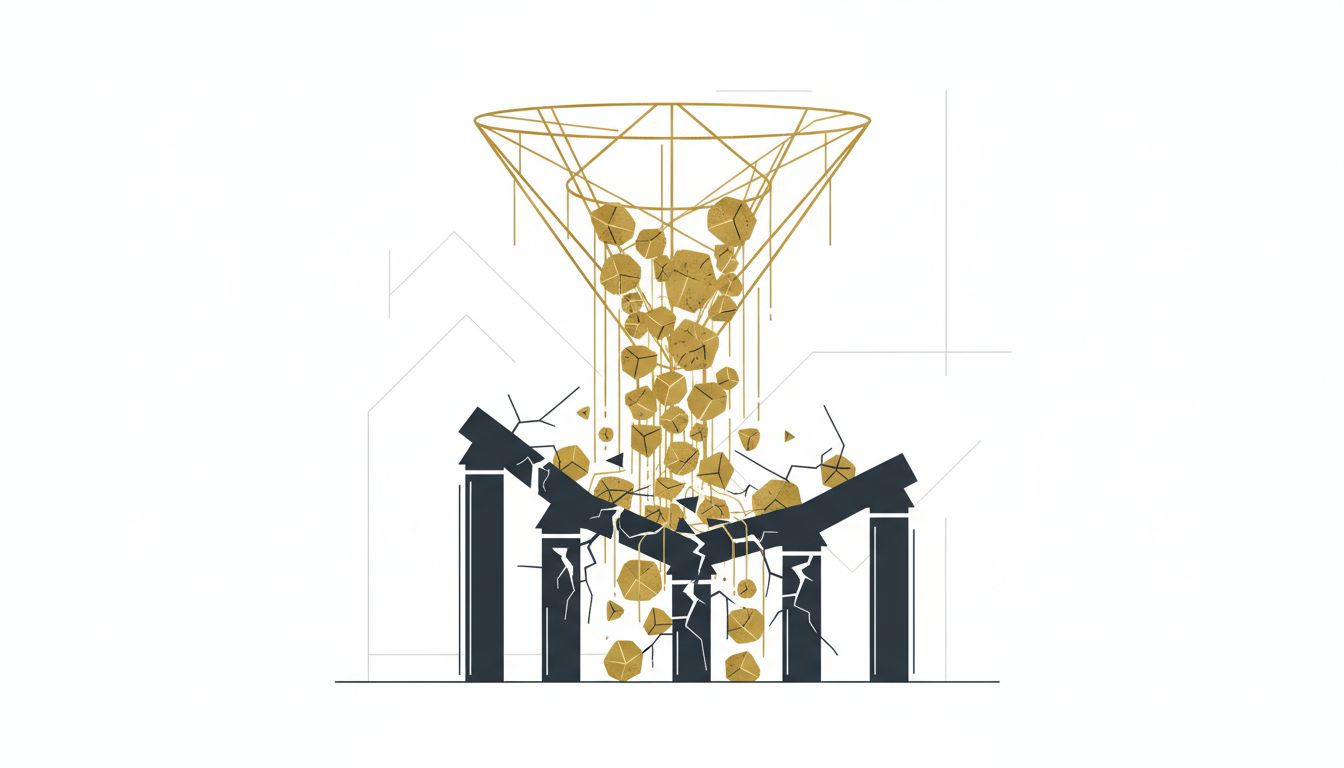
When capital is scarce, every hire is a genuine bet. Every feature gets interrogated. You can’t afford to build the nice-to-have version. When capital is abundant, you rationalize. You hire the head of marketing at month three because “we’ll need it eventually.” You build integrations nobody asked for because they look impressive. You confuse spending with progress.
The founders who actually succeed the second time often talk about deliberately throttling their own fundraising. They take less than they’re offered. They set shorter runways for themselves to preserve the urgency that made the first company work. Underfunded startups win not despite their constraints but because of them is a pattern that repeats across company stages, not just across industries.
Your Network Becomes a Filter Bubble
A first-time founder usually gets feedback from people who have no particular stake in making them feel good. Customers are honest. Early investors, if they’re small, are honest. Friends who aren’t in tech are honest. You hear a lot of uncomfortable things.
A second-time founder is surrounded by people who respect them. Former employees want to rejoin. Investors want to get in. The startup press wants to write the comeback story. Even critical feedback gets softened. Nobody wants to be the person who told a proven founder that their new idea is bad.
This matters enormously in the early stages, when you’re still figuring out whether the product is real. Your ability to hear what’s not working is precisely what you need, and it’s exactly what your reputation insulates you from. Stewart Butterfield had to actively ignore conventional feedback to get Slack off the ground, but the danger for second-time founders often runs in the opposite direction: not that they ignore feedback, but that they stop receiving honest feedback in the first place.
The best thing you can do is find people who genuinely don’t care about your track record and make them the loudest voices in the room.
You Optimize for the Last War
The patterns you built your first company on were specific to the moment, the market, the team, and the product. They feel universal because you lived them intensely. They are not universal.
A founder who won by moving into enterprise early will do it again when it doesn’t apply. A founder who built a bottoms-up consumer product will resist sales motions even when the new product needs them. A founder who hired a certain type of engineer, priced in a certain range, expanded into a certain geography, and succeeded will repeat those choices reflexively, not analytically.
This is the most insidious version of the problem because it looks like wisdom. You’re applying lessons. You’re not repeating beginner mistakes. What you’re actually doing is fighting the last war with the certainty that the new terrain must look the same because it felt the same at the start.
The honest check is to write down, explicitly, why what worked before should work here. Not a one-liner. A real argument. If you can’t make the case from first principles, you’re probably operating on reflex.
The Reputation Tax Is Real and Runs Both Directions
Having a successful exit works in your favor until it works against you. Investors have a model of you. Press has a model of you. Potential employees have a model of you. Those models are based on what you did before, not what you’re doing now.
When things go sideways, and they will go sideways because they always go sideways, the gap between expectations and reality is far wider than it was the first time. First-time founders struggle quietly. Second-time founders struggle publicly, because people are watching, and because the founder often feels the weight of the narrative and starts managing it instead of managing the company.
I’ve watched founders spend real energy protecting a public story of momentum while the internal reality was breaking apart. The energy spent on narrative management is energy not spent on finding product-market fit, and finding that fit takes longer than almost anyone expects.
The founders who survive the second company tend to have one thing in common: they treat it like a first company. They stay close to the product. They stay close to customers. They resist the organizational gravity that pulls experienced founders into managing managers and reading dashboards. They apply their pattern recognition selectively, not reflexively, and they maintain enough paranoia to stay honest with themselves about what they actually know versus what they just believe.
The first startup is hard because you don’t know anything. The second startup is harder because you know just enough to be dangerous.