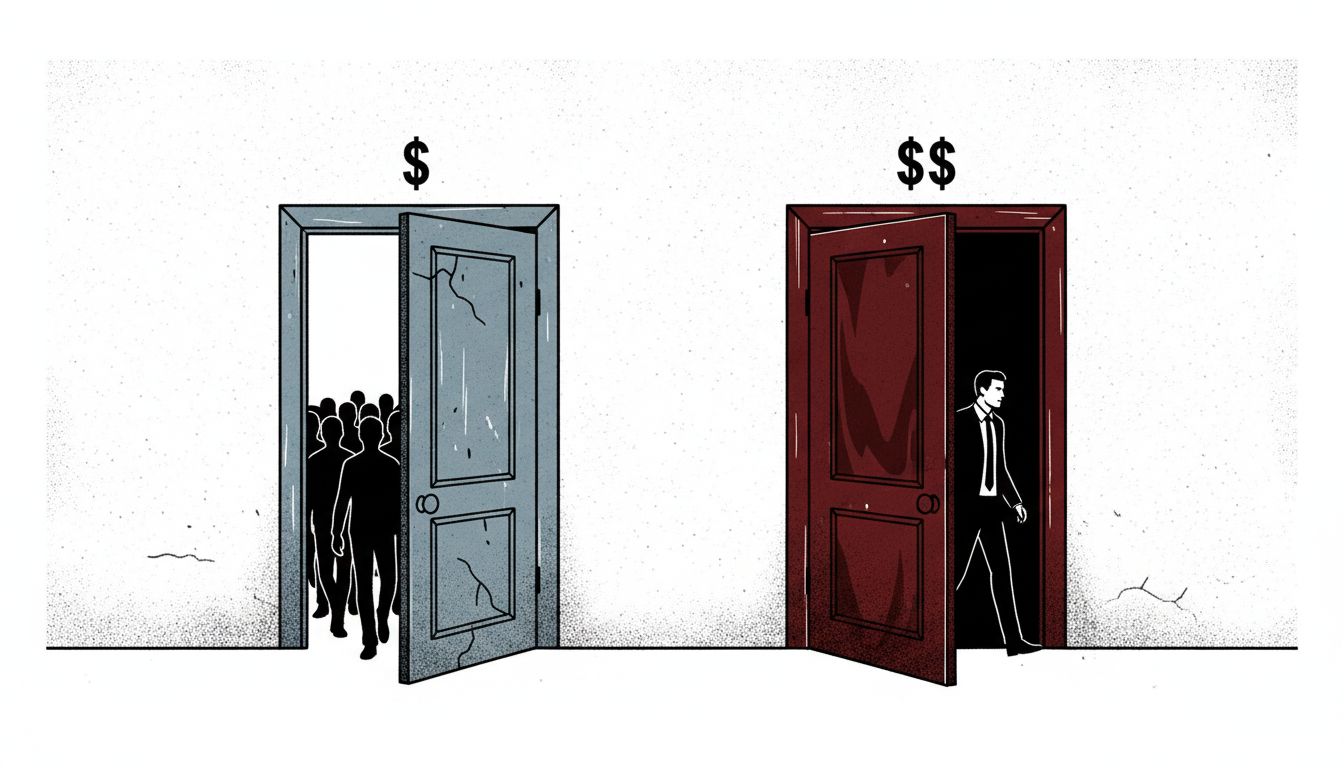

In 2013, a project management tool called Chandler tried to compete with Basecamp and a growing field of work software. It had smart people behind it, a real following, and a product that users genuinely liked. It also had a free tier that converted to paid at a price so low that scaling the user base made the unit economics worse. The team knew something was off. They raised more money, tried to grow past the problem, and eventually shut down. The software was good. The pricing was a slow bleed they never stopped.
Chandler is not the most famous cautionary tale in startup history. It’s not Webvan or Pets.com. That’s exactly why it’s useful. The spectacular failures get autopsied endlessly. The quiet ones, the companies that built something real and still died because they couldn’t figure out how to charge for it, those are the ones worth studying.
The Setup
The pattern almost always looks the same from the inside. A founder builds something, gets early users, and faces a choice about what to charge. The fear of rejection is real. Early users are fragile. Charge too much and they leave. So you charge less. You tell yourself it’s a customer acquisition strategy. You tell yourself you’ll raise prices later, once you have more users, once you have more leverage, once the product is more mature.
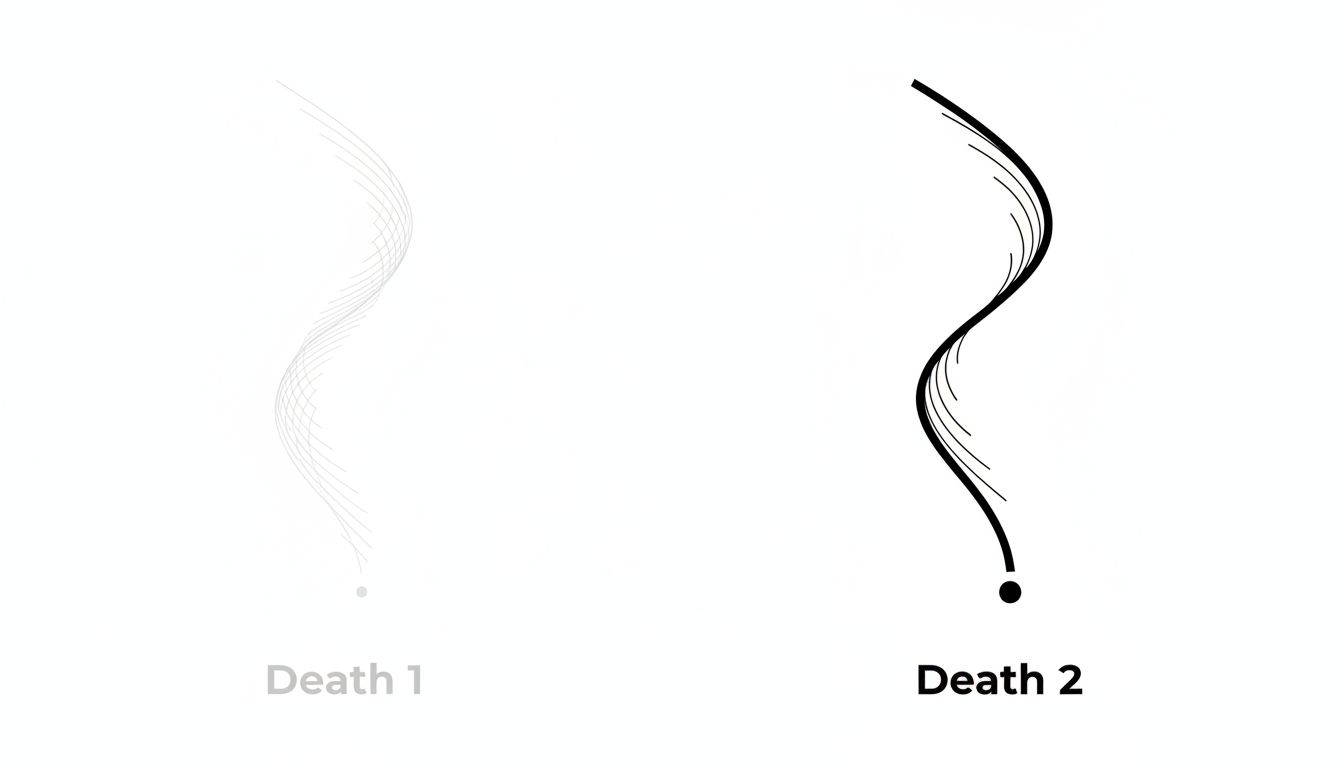
This is where the first death begins, even if nobody notices yet.
Low pricing does several things simultaneously, and almost none of them are good. It attracts users who are shopping on price, which means they are the first to leave when anything cheaper (or free) appears. It signals something to the market about where you sit in the value stack. And it sets an anchor that is genuinely painful to move. Users who signed up at $9 a month do not quietly accept $29 a month eighteen months later. Some do. Many don’t. You churn through the cohort you worked hardest to build.
What Happened
The SaaS graveyard is full of companies that ran this play. One clear example is Rdio, the music streaming service that launched in 2010 with a genuinely better product than Spotify in several respects. Rdio had a cleaner interface, strong curation, and early social features that felt ahead of the market. It priced competitively, around $10 per month, which was the going rate.
The problem was structural. At $10 per month, with the music industry’s licensing costs baked in, nobody in streaming was making money. Rdio’s pricing wasn’t wrong relative to competitors. It was wrong relative to the actual economics of the business. Spotify survived because it had more capital, more aggressive free-tier growth, and eventually enough scale to renegotiate licensing. Rdio filed for bankruptcy in 2015 and sold its assets to Pandora.
The lesson isn’t that Rdio should have charged $15 instead of $10. The lesson is that when your pricing model requires you to grow your way out of bad unit economics, you need that growth to be almost perfectly executed, and most startups don’t get that. You are betting the company on a sequence of events you don’t fully control.
The second death, by the way, is the shutdown itself. The first death is quieter: it’s the moment the business model stops being viable, even if the product keeps running and the team keeps shipping. Many founders never realize the first death happened. They think they’re still fighting for success when they’re actually just delaying the second death.
Why It Matters
There’s a related phenomenon that doesn’t get enough attention: underpricing warps your product development. When your customers are paying you very little, they have very little reason to take your product seriously. They churn easily, give vague feedback, and rarely tell you when something breaks because they haven’t deeply integrated your tool into their workflow. The engagement data looks like noise.
Contrast that with a customer paying $500 a month. That customer answers your survey. That customer calls you when something breaks. That customer has a clear opinion about what the product should do next, because they’ve put real money on the table and they want a return on it. You build a better product when the people using it have skin in the game. Startups that charge more from day one outlast the ones that don’t because they are getting better signal from the start.
Low prices also create a ceiling on who you can hire and what you can build. If your average revenue per user is $8, your support costs alone can eat the margin on a large slice of your customer base. You can’t afford the engineer who actually knows what they’re doing. You can’t afford the infrastructure to make the product fast and reliable. You are running a business on fumes and calling it lean.
What We Can Learn
The founders who get pricing right early usually share a few common traits. They charge what the product is worth to the buyer, not what they’re afraid the buyer will pay. These are different numbers, and conflating them is the original sin. They also raise prices before they feel ready, which means they raise prices before they’re desperate, which means they have actual negotiating leverage with existing customers.
The other thing they do is resist the pressure to compete on price against better-funded competitors. If a VC-backed rival is offering your product’s equivalent for free, you are not going to win by going to $5 a month. You’re going to win by going upmarket, finding the segment that has a real pain point and real budget, and charging them accordingly. Or you’re going to lose slowly. Those are often the only two options.
There’s a concept in pricing literature sometimes called “the good customer.” The good customer pays on time, renews reliably, uses the product enough to derive value, and doesn’t cost a fortune to support. Low prices filter out good customers and attract bad ones. This sounds counterintuitive. It isn’t. Someone who will only commit at the lowest possible price is also someone who will leave at the first sign of friction.
As explored in the context of API products, raising prices often improves not just revenue but customer quality, because it changes who self-selects into the product.
Chandler’s team knew their pricing was off. Rdio’s team knew their unit economics were brutal. These weren’t secrets buried in spreadsheets nobody read. They were known problems that got deferred because fixing them felt riskier than deferring them. That’s the trap. The first death feels theoretical until the second death makes it obvious.
Charge what the product is worth. Raise prices before you have to. Treat your pricing model as a product decision, not an afterthought. The startup that charges too little doesn’t just leave money on the table. It leaves itself without the resources to survive long enough to find out if it had a real business at all.