In 2013, a photo storage startup called Everpix shut down. This is not a story about a bad product. Everpix was, by most accounts, genuinely excellent. It organized your photos intelligently, surfaced memories, and handled the chaos of a decade of phone snapshots better than anything else available at the time. Its users were passionate. Its reviews were glowing. Its founders had shipped something real.
It ran out of money and closed in November 2013, less than two years after launch.
The postmortem that The Verge published at the time is one of the more honest documents in startup history. The founders opened their books and their email threads to reporters, and what emerged was a portrait of a company that understood its product deeply and its business almost not at all. They had priced their product at $49 per year when they finally introduced a paid tier. They had spent years before that giving it away free. By the time they realized the math didn’t work, they had conditioned hundreds of thousands of users to expect something for nothing, and they didn’t have the runway to unconditition them.
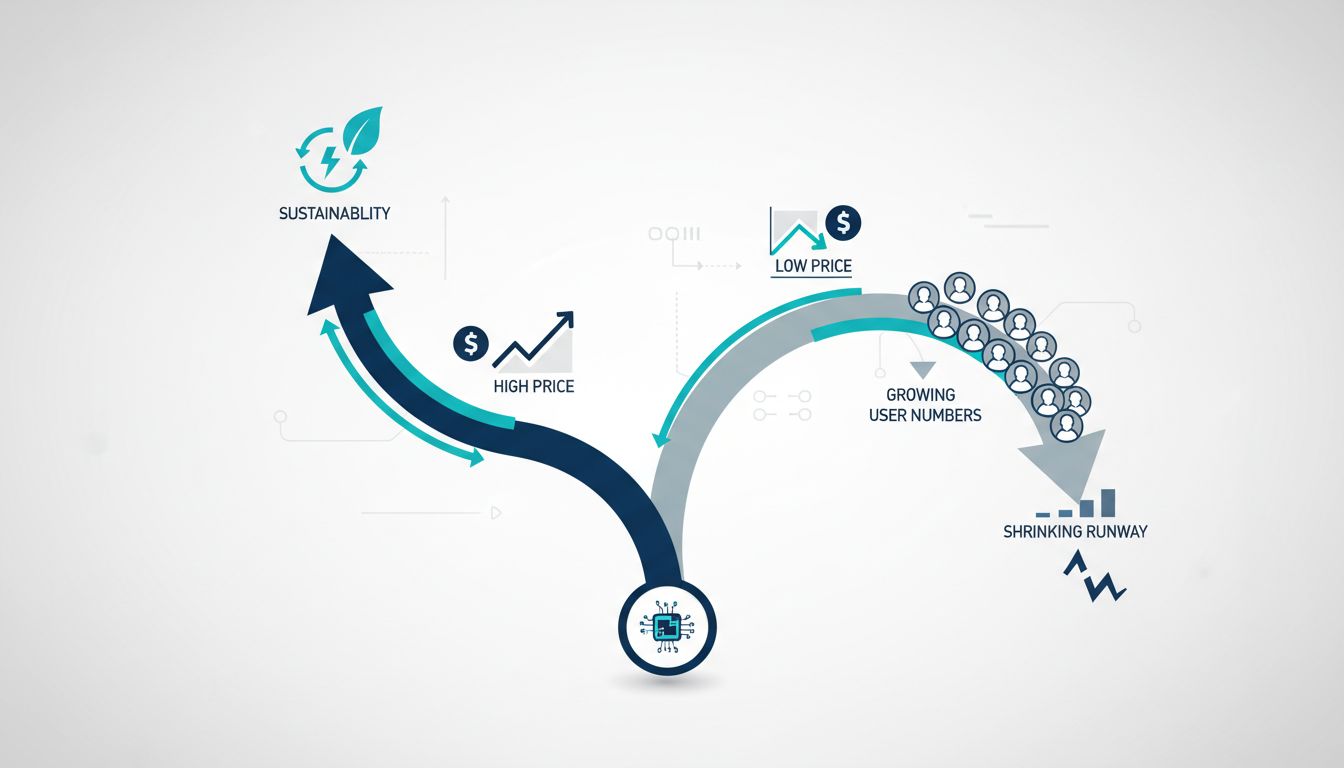
The investors passed. Not because the product was bad. Because the unit economics were a hole you couldn’t climb out of.
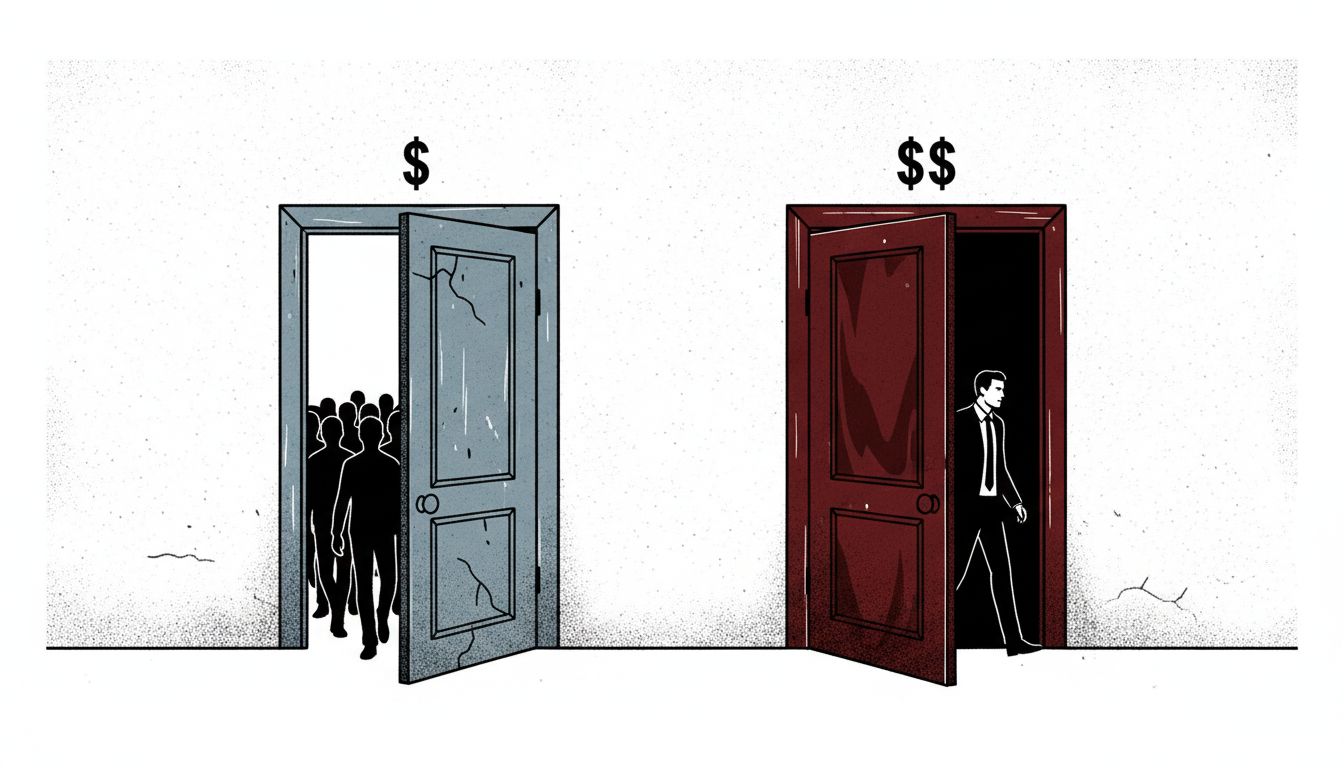
This is the pattern that kills more startups than bad products, bad timing, or bad hires combined: the belief that low prices signal hustle and high prices signal arrogance, when the reality is almost exactly backwards.
The Setup
Everpix launched in 2011 with a free tier and the intention of figuring out monetization later. This is not a crazy idea. It’s actually a reasonable early-stage strategy if you execute the transition deliberately and fast. The problem is that “later” became a philosophical commitment rather than a tactical pause.
The founders were engineers, not salespeople, and they thought about pricing the way engineers often do: as a variable to optimize once you have enough data. What they didn’t account for is that pricing communicates value before a customer uses a single feature. When you charge nothing, you are telling people the thing is worth nothing. When you finally ask them to pay, you are asking them to revise a belief they have already formed and acted on.
By mid-2012, Everpix had real traction. It also had a cost structure tied to cloud storage that scaled directly with users. Every new free user was a new liability. The team knew this. They introduced a $49/year paid plan. Conversion rates were low. They didn’t have enough paid users to cover costs, and they couldn’t raise a Series A because the metrics told a story investors had seen before and didn’t want to finish reading.
What Actually Happened
The founders spent the better part of a year trying to fix conversion rates on a product that was priced at the wrong level entirely. Not too high. Too low.
Here’s the thing about $49 per year for a product that stores and organizes your entire photographic life: it’s cheap enough to make serious buyers hesitant. Not because they can’t afford it, but because cheap products don’t feel serious. Enterprise buyers, prosumer photographers, families with decades of digital memories: these are people who will pay more for something that feels like it will be around in five years. At $49 per year, Everpix felt like a side project.
They were also competing, in a loose sense, with Google Photos and iCloud, which charged nothing. But that’s a trap in the analysis. The people willing to pay for Everpix were not the same people satisfied with auto-backup to Google. They were a different segment with different willingness to pay. Everpix never tried to find out what that ceiling actually was.
When the company’s finances were finally exposed to the press, the numbers were stark. Monthly burn was significant. Paid subscribers were a fraction of what was needed. The gap between those two facts couldn’t be closed at their price point without growth that wasn’t coming.
Why This Keeps Happening
Founders underprice for a few reasons, and most of them are psychological rather than strategic.
The first is fear of rejection. A high price gives customers a clean reason to say no, and founders interpret that no as rejection of the product rather than the price. A low price reduces friction and keeps users in the funnel, which feels like progress even when it isn’t. You’re building a user base, not a business.
The second is competitive anxiety. Someone else is cheaper, so you go cheaper. Someone else is free, so you flirt with free. This logic ignores the fact that the companies giving things away free are almost always subsidizing the cost through investor capital or through a different product entirely. You are competing against a price that isn’t real.
The third is the growth-first delusion: the idea that users now equals revenue later. Sometimes this is true. For consumer software with clear network effects and a viable path to monetization, it can work. For a cloud storage product with direct per-user costs, it is a way of making your eventual problem bigger and harder to solve. Tech companies design pricing tiers so you always pick the one they want you to pick, but that sophistication requires that there be tiers at all, and that someone has thought hard about what each one is actually worth.
The fourth, and least talked about, is that cheap feels humble. Founders who came up in startup culture often internalize the idea that profit-seeking is premature, that you should earn the right to charge money, that the market will reward you when you’re ready. This is mythology. The market rewards businesses that solve problems people will pay to have solved. Everything else is noise.
What We Can Learn
Everpix’s story is useful precisely because it wasn’t a bad product dying for product reasons. It was a good product dying for pricing reasons, which means the lesson is portable.
High prices, raised early, do several things simultaneously. They fund the business. They filter for serious customers who are less likely to churn. They signal quality in a market full of free alternatives. And they give you room to negotiate downward if needed, which is dramatically easier than asking existing users to pay more for something they were getting cheaper.
Startups that charge too much fail loudly, fast, and often cleanly. You get feedback that your price is the problem, you adjust, and you survive or you don’t. Startups that charge too little fail quietly and slowly, building user counts that look like traction but are actually a time bomb. By the time the math becomes undeniable, you have a culture, a brand, and a user expectation that all price the product at whatever you’ve been charging. Changing that is possible but it takes time you probably don’t have and capital you probably don’t have either.
Everpix had a product that could have charged $15 a month and probably found a sustainable customer base among serious users willing to pay for something that actually worked. Instead it charged $4 a month, ran out of runway, and shut down. The users who loved it most lost it entirely.
That’s the ending that underpricing produces: not a company that survives at thin margins, but a company that doesn’t survive at all.