
In 2005, Rupert Murdoch paid $580 million for MySpace. It was, by almost any measure, the social network. It had more users than anyone else, more cultural cachet, more momentum. Facebook was a college thing. A Harvard thing, even. MySpace had already won.
You know how this ends.
By 2011, News Corp sold MySpace for $35 million, roughly six cents on the dollar. Facebook was on its way to a billion users. The company that got there first, that had every structural advantage a startup could want, handed the market to a latecomer who did almost nothing first but almost everything second.
This story gets told as a cautionary tale about neglecting product quality, or about the corrosive effects of corporate ownership, or about the difference between teen culture and adult culture. Those readings aren’t wrong. But they miss the deeper pattern, which is that MySpace’s failure was already baked in before News Corp bought it, and it was baked in precisely because MySpace thought winning early was the same as winning.
The Setup: What MySpace Actually Had
MySpace launched in 2003, built in about ten days by a small team at eUniverse (later renamed Intermix Media). It grew fast because eUniverse had an existing user base and knew how to drive traffic. By 2004 it was the dominant social platform. By 2005 it was getting more pageviews than Google.
The product was, by any reasonable standard, a mess. Users could customize their profiles with HTML and CSS, which sounds empowering until you’ve visited a profile with three autoplay songs, a tiled background of flames, and white text on a yellow background. The site was slow, the architecture was creaking under load, and the spam problem was endemic. But none of that mattered yet, because everyone was there.
That’s the trap. When you have network effects, product quality becomes temporarily optional. People tolerate a bad product when all their friends are on it. MySpace’s leadership read this tolerance as validation.
Facebook launched in 2004 with a deliberately restricted user base. Harvard only, then other Ivy League schools, then universities broadly, then high schools, then everyone. Mark Zuckerberg famously resisted opening registration to the general public longer than his investors wanted. At the time, this looked like timidity. In retrospect, it was the whole strategy.

By staying small longer, Facebook learned what a well-functioning social network actually needed before it had to support millions of users. The feed was cleaner. The identity system was real names, which changed the social dynamics entirely. The profile was standardized, which made it faster and more readable. Facebook was building a product; MySpace was maintaining a crowd.
What Happened: The Execution Gap
The divergence wasn’t sudden. It happened through dozens of small decisions compounding over several years.
MySpace kept adding features, partly because feature additions felt like progress and partly because they needed to give users reasons to stay engaged. The result was a product that got more complicated without getting better. Facebook added features too, but with a discipline (at least in this period) about what the core experience was supposed to feel like.
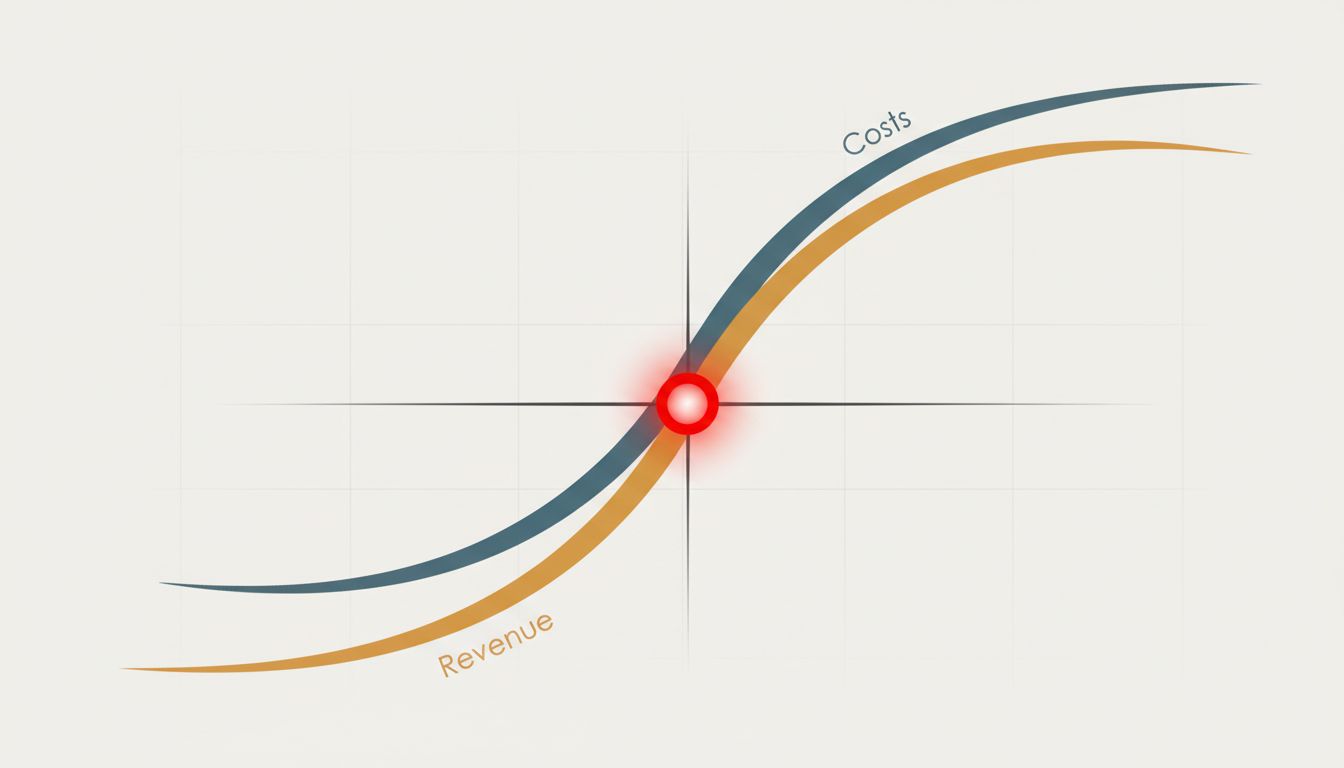
MySpace’s monetization strategy leaned hard on advertising, including some fairly aggressive formats. This wasn’t irrational given the pressures of corporate ownership, but it made the user experience worse at exactly the moment Facebook was making its experience better.
Most critically: MySpace did not take seriously the possibility that a competitor could unseat them. They were the market. The assumption, implicit in most of their decisions, was that first-mover advantage compounds. Get there first, get big, stay big. This is sometimes true in markets with very high switching costs or where infrastructure lock-in is real. Social networks have network effects, which can function similarly. But network effects aren’t permanent; they’re only as strong as the product holding them together.
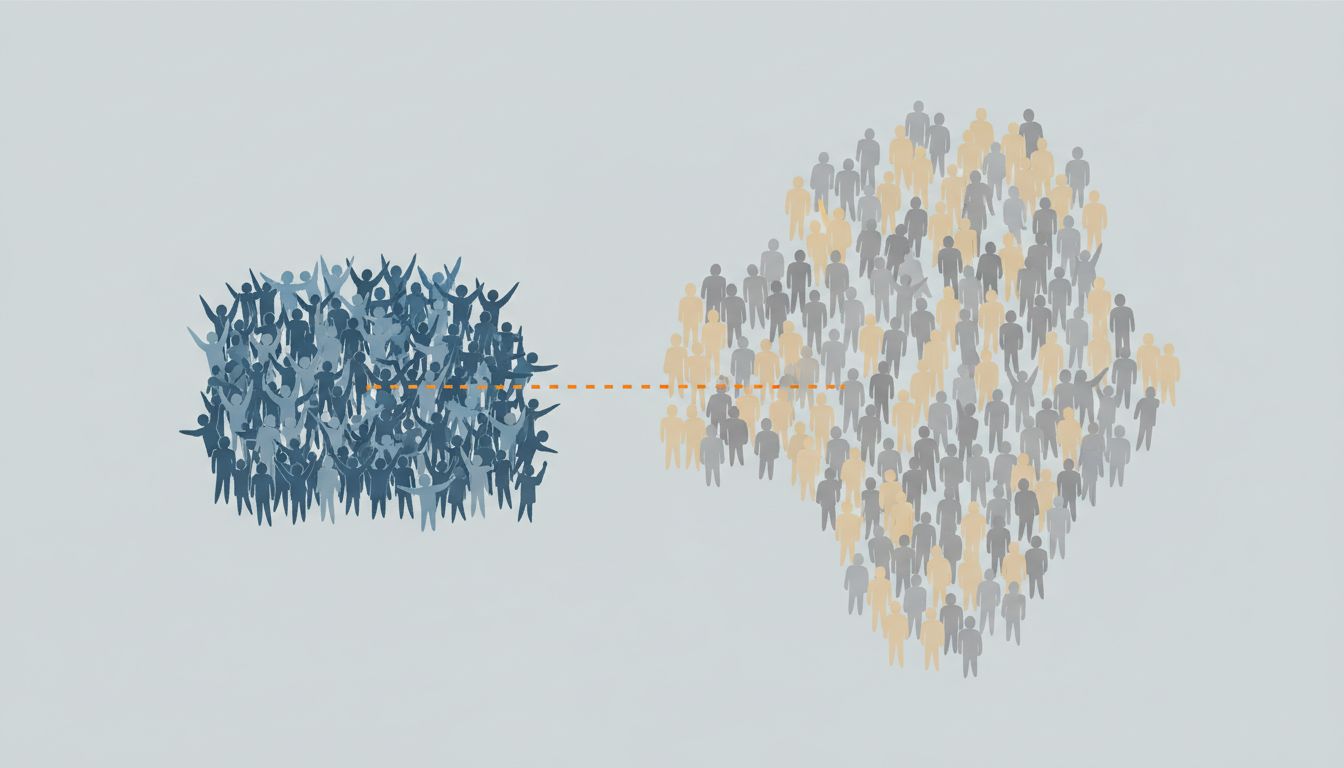
When Facebook opened to everyone in 2006, the migration didn’t happen overnight. It took years. But once it started, it fed on itself. The moment a critical mass of any user’s friends moved to Facebook, their reason to stay on MySpace weakened. Network effects work in both directions, and switching costs are invisible until you try to leave.
Why It Matters: The First-Mover Myth
MySpace is not an isolated case. Friendster came before MySpace and lost to it through almost identical dynamics: product quality eroded by scale, leadership that didn’t take the threat seriously, and a latecomer that studied the incumbent’s failures carefully before building.
Altavista was a genuinely excellent search engine in the late 1990s. Google arrived years later and won by doing one thing, relevance, noticeably better. Blackberry had the enterprise smartphone market locked up until they didn’t. Napster invented digital music distribution and went to zero while iTunes and Spotify built real businesses on the problem Napster proved was real.
The pattern is consistent enough to treat as a rule: being first gets you a head start and a learning advantage, but it does not get you the market. The market goes to whoever builds the best product for the most important customer segment at the moment those customers are ready to switch.
That last part matters. MySpace didn’t lose because Facebook was objectively better in 2005. It lost because Facebook was better when the mainstream internet population started paying attention to social networking as a serious part of their lives, which happened around 2007 and 2008. By then the quality gap was obvious and the switching cost was low enough.
This is also why the common advice to “move fast and be first” is, at best, incomplete. Moving fast matters. But fast to what? Fast to a product that actually works, or fast to claiming a space before you know what to build in it? As discussed in the context of early customer strategy, the pressure to scale before you’ve found real product-market fit can entrench exactly the wrong habits.
What We Can Learn
The founders who study MySpace usually take the wrong lesson. They conclude that MySpace lost because of bad management, corporate interference, or a failure to innovate. These things are true. But they’re symptoms.
The root cause is that MySpace believed its position was self-reinforcing in a way that didn’t require continued execution excellence. The moment a company stops treating its users as people who could leave, it starts losing them.
For founders, the practical implication runs in both directions. If you’re first: your real advantage is the information you’ve gathered, the mistakes you’ve already made, and the customer relationships you’ve built. None of those advantages last if you stop using them. The lead is not the moat.
If you’re second: study what the incumbent built and why. The first mover’s early decisions were made under uncertainty with limited resources. Many of those decisions are now wrong and locked in. You can build with the benefit of their mistakes and without their technical debt or organizational inertia. That’s a real advantage if you’re disciplined about using it.
Facebook didn’t win because it arrived late. It won because it arrived with better information, better timing, and a genuine conviction about what a social network was supposed to feel like. MySpace handed it that opportunity by confusing a head start with a destination.