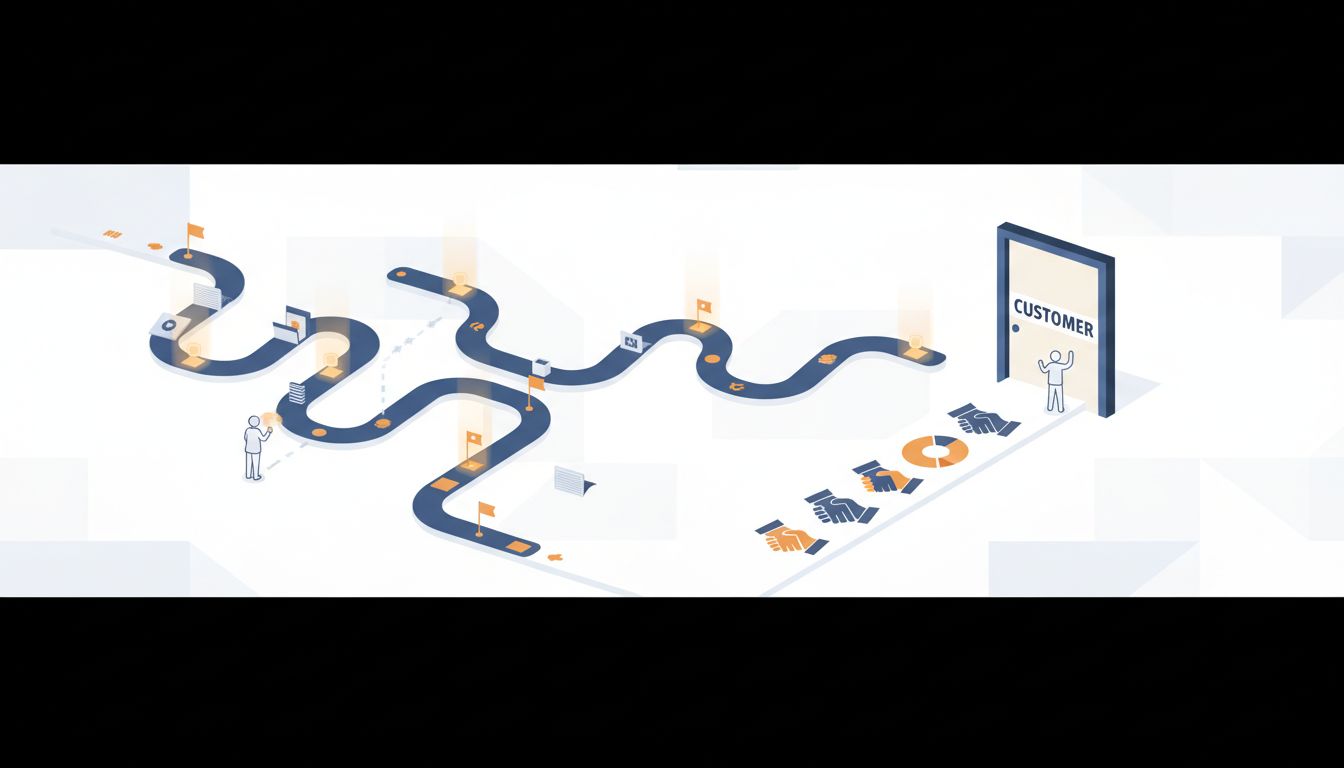
In 2004, a small Canadian company called Research In Motion made the best mobile email device on the market. The BlackBerry was genuinely superior for its primary use case. Corporate IT loved it. Security teams trusted it. Anyone who needed to send a serious email from a moving vehicle preferred it. A decade later, RIM was fighting for its life against a phone from Apple that, by any reasonable measure of email productivity, was worse.
This is not a story about innovation. It’s a story about distribution.
Apple had carrier relationships, retail stores, and a marketing apparatus that could make a product feel like a cultural event. RIM had enterprise sales contracts and a loyal base of users who would eventually be overruled by the people writing the checks on consumer device allowances. The iPhone was not better at corporate email in 2007. It was better at getting into people’s hands, which turned out to matter more.
The mythology of product-market fit
The startup world has a near-religious attachment to the idea that if you build something people truly need, distribution will follow. This is occasionally true. It is not reliably true, and betting your company on it is one of the more expensive mistakes a founder can make.
Product-market fit is real. But it describes a relationship between a product and a market, not a product and its eventual winner. A market can fit several products simultaneously. The one that wins is often the one that reached scale first, not the one that was most elegantly designed.
Dropbox had better UX than the enterprise file-sharing tools it replaced. That helped. But Dropbox also had a referral program that gave both parties free storage, which turned every existing user into a salesperson. The product quality got people to stay. The referral mechanism got them in the door. Without the second part, the first part doesn’t matter.
Distribution is a product decision made before the product ships
The founders who figure this out early tend to build distribution thinking into the product itself, not as an afterthought layered on after launch. Slack spread the way it did partly because the product is inherently social. You cannot use Slack alone. Every new user is, by definition, connected to other users. The invite mechanism was not marketing. It was architecture.
Contrast this with enterprise software that gets built for the end user but sold to a procurement team. The end user loves it. The procurement team has existing vendor relationships, negotiated pricing, and a strong incentive not to introduce new systems. The better product sits in a sales cycle for eighteen months while the incumbent, which the end users openly dislike, renews automatically.
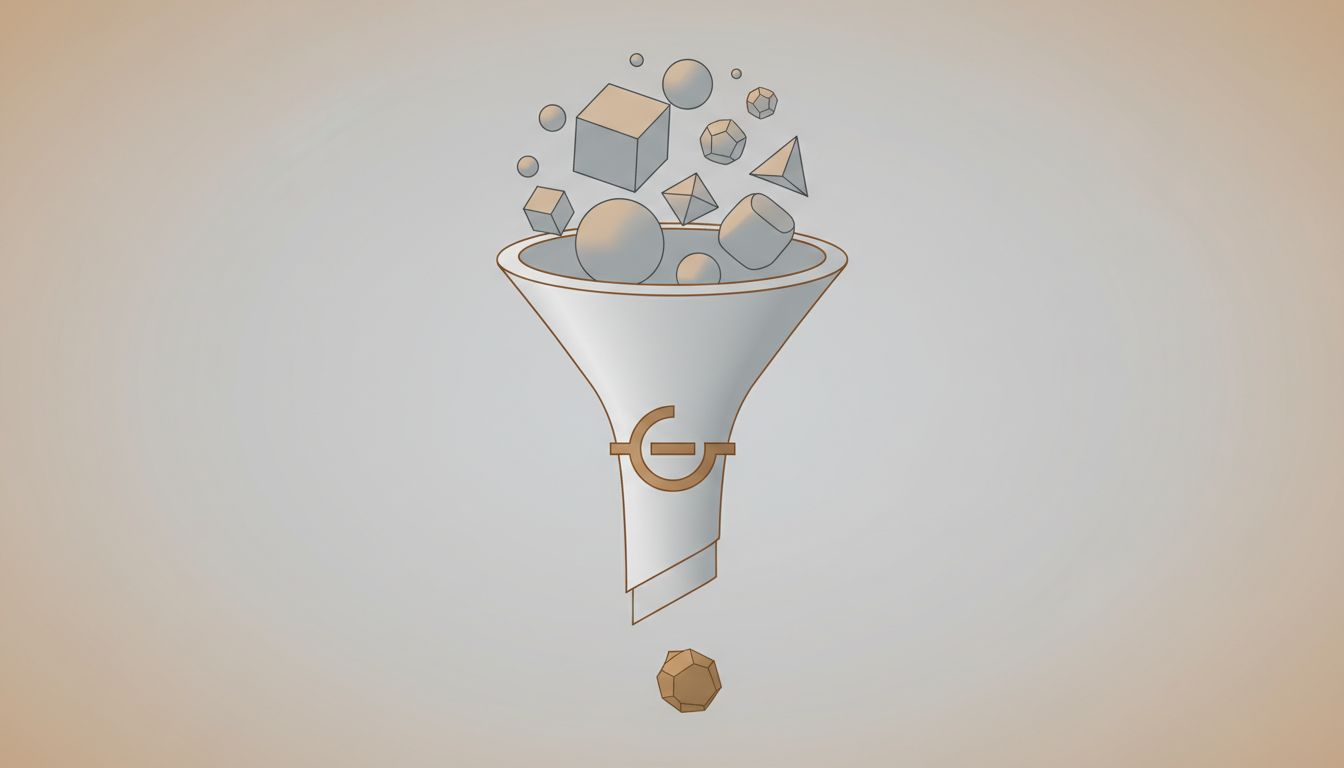
This is why hiring your first salesperson too late is just as dangerous as hiring them too early. Distribution is not something you bolt on when the product is ready. By the time the product is ready, your competition has already spent a year building relationships with the buyers you need.
The second-mover trap
There is a version of this argument that gets misread as an endorsement of shipping garbage quickly. That’s not what’s happening here. The claim is not that product quality is irrelevant. The claim is that product quality is not sufficient, and that founders consistently overweight it relative to distribution when allocating their attention and capital.
The second-mover trap is a specific version of this mistake. A founder looks at a market, identifies a weak incumbent, builds something genuinely better, and assumes the quality differential will do the selling. Sometimes it does. More often, the incumbent has a sales team, a partner channel, a renewal cycle, and three years of switching costs embedded in the customer’s workflow. The better product has a demo and a pricing page.
Zoho is instructive here. Zoho CRM launched years after Salesforce and is, by most accounts, a comparable product for small and mid-sized businesses at a fraction of the price. It has not come close to Salesforce’s market position. Salesforce had the enterprise relationships, the partner ecosystem (used precisely here, in the sense of a network of integrators and resellers with aligned financial incentives), and the brand recognition that made it the default answer to the question “what CRM do we use.” A better product at a lower price could not overcome a ten-year head start on distribution.
What this means for founders who are still early
If you are pre-launch or in the early stages of figuring out how to grow, the practical implication is this: your distribution strategy deserves the same obsessive attention as your product roadmap. Not more, but genuinely equal.
Ask yourself whether the product, as designed, creates its own distribution. Does using it make other people want to use it? Does it require a network to function? Does it produce something shareable? If the answer to all three is no, you are building a product that will need to be sold, and you should plan accordingly from day one.
Ask yourself who controls access to your buyer. In consumer markets, that might be an app store, a platform algorithm, or a media channel. In B2B, it might be a procurement process, an existing vendor relationship, or a department head who is not the end user. Whoever controls access to your buyer has more leverage over your success than your product quality does. Build a relationship with them or build around them, but do not pretend they don’t exist.
The hard truth is that most markets are not waiting to be won by the best product. They are waiting to be won by whoever figures out the most reliable, repeatable path to the customer. That path is a strategy. It requires the same rigor, the same iteration, and the same honest feedback loops as building the product itself.
The founders who treat distribution as an afterthought tend to find out, too late, that they built something genuinely good that nobody uses. The market doesn’t grade on quality alone. It never has.