A few years ago, a founder I know was pitching a Fortune 500 procurement team. Midway through the demo, one of the directors asked whether the platform could handle a specific compliance reporting workflow. The honest answer was no. The founder said yes, knowing they could probably build something close in a few months.
They got the contract. They also spent the next eight months in implementation hell, burned two engineers, and nearly lost the account anyway when the makeshift compliance feature broke during an audit. The deal that felt like a win became the thing that almost killed the company.
Here’s the position I want to stake out: startups that tell enterprise buyers exactly what they can’t do yet close more deals, build better accounts, and retain customers longer than the ones performing product theater. This isn’t idealism. It’s the more effective sales strategy.
Enterprise buyers have been lied to before
Anyone who has spent time in enterprise procurement has a graveyard of vendor promises. Roadmap commitments that never shipped. “Coming soon” features that were already on the slide deck when they were eighteen months from production. Integrations that worked in the demo environment and nowhere else.
This creates something useful for honest startups: a low bar. When a vendor walks into a room and says, clearly and without defensiveness, “Here is what we do exceptionally well, and here is what we don’t do yet,” it registers as genuinely unusual. It reads as confidence rather than weakness, because only someone who knows their product deeply can draw that line without flinching.
Enterprise buyers are not looking for a perfect product. They’re looking for a vendor they can trust not to blindside them in month seven. Transparency about gaps signals that you’re not hiding anything else.
Mismatched deals destroy companies
There’s a version of this argument that’s purely about ethics, but the business case is more interesting. Closing deals your product can’t support is a growth trap. You take on implementation debt, your support team drowns, your engineers get pulled off the roadmap to build one-off patches, and your best customer success people spend their time managing churn instead of expanding accounts.
The startup mythology around enterprise sales glorifies the close. What it ignores is that the wrong close at the wrong time can be more dangerous than no close at all. A sophisticated enterprise customer who buys your product for something it can’t do will not quietly go away. They will escalate, they will demand credits, and they will tell other procurement teams.
Conversely, a buyer who understood your limitations going in and bought anyway is the best customer you can have. They bought the product that actually exists. When it works, they say so. When you ship the features they were waiting for, they expand.
Gaps are negotiating tools, not liabilities
Here’s something most sales training gets completely wrong: telling a prospect what you can’t do yet opens a conversation rather than closing one.
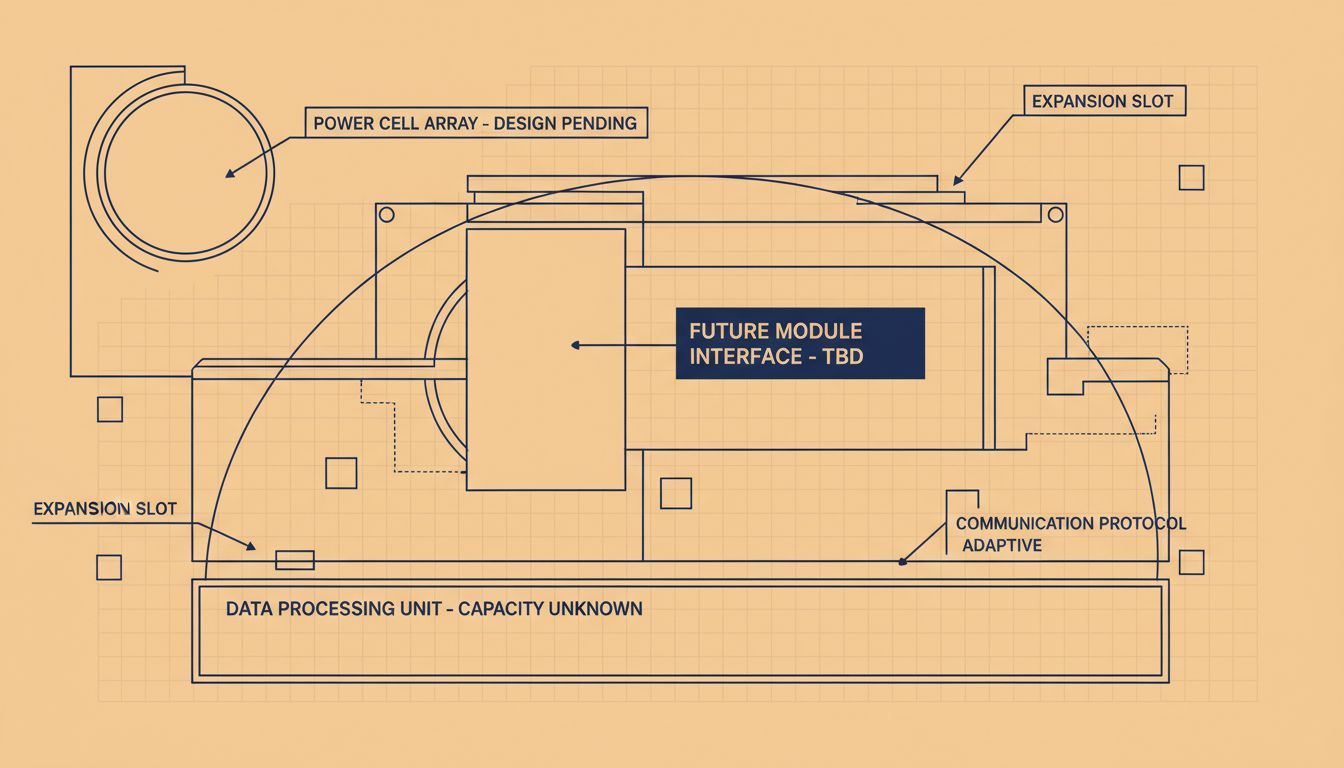
“We don’t have native SSO support right now, but it’s on our roadmap for Q3. If that’s a hard requirement for you, we can talk about timing” is not a concession. It’s a qualification mechanism. It separates the buyers who can work with your actual product from the ones who can’t. That’s information you need.
Better yet, sophisticated buyers will sometimes tell you which gaps matter and which don’t. You learn more about real purchase criteria in five minutes of honest conversation than you do in an hour of demo performance. Some gaps they’ll accept. Some they’ll help you prioritize. Occasionally, they’ll fund the development directly through a partnership arrangement, which is how a lot of strong enterprise products actually get built.
The counterargument
The obvious pushback is that sales is competitive and honesty is unilateral disarmament. If your competitor is promising everything and you’re listing your limitations, you lose.
This is true in some markets, for some buyers, at some stages. If you’re selling to a procurement team that is evaluating six vendors on a feature checklist and will never use the product themselves, theater can win. But those deals are also the most likely to churn, the most likely to generate bad references, and the least likely to expand.
The buyers who make decisions based on honest vendor assessments tend to be the buyers worth having. They’re usually the ones with real budget authority, longer contract horizons, and actual decision-making power over renewals. The checklist buyers are often buying to cover themselves, not because they expect the product to work.
There’s also a selection effect worth noting: the enterprise buyers who respond well to transparency are self-selecting into a cohort of people who have been burned by overcommitment before. Those are exactly the people who will advocate for you internally if you deliver.
You can’t fake trust at scale
Enterprise sales cycles are long, references matter enormously, and procurement teams talk to each other. A reputation for straight dealing compounds over time in a way that no amount of demo polish can replicate.
The founders who close the most enterprise revenue over a five-year period are almost never the best performers in individual sales meetings. They’re the ones who built a track record where buyers knew that what was promised would be delivered, and that gaps would be disclosed rather than concealed.
Say what your product can’t do. Say it early, say it clearly, and say it with the confidence of someone who knows exactly what they’re building. The right buyers will close. The wrong ones will disqualify themselves before they can do any damage.