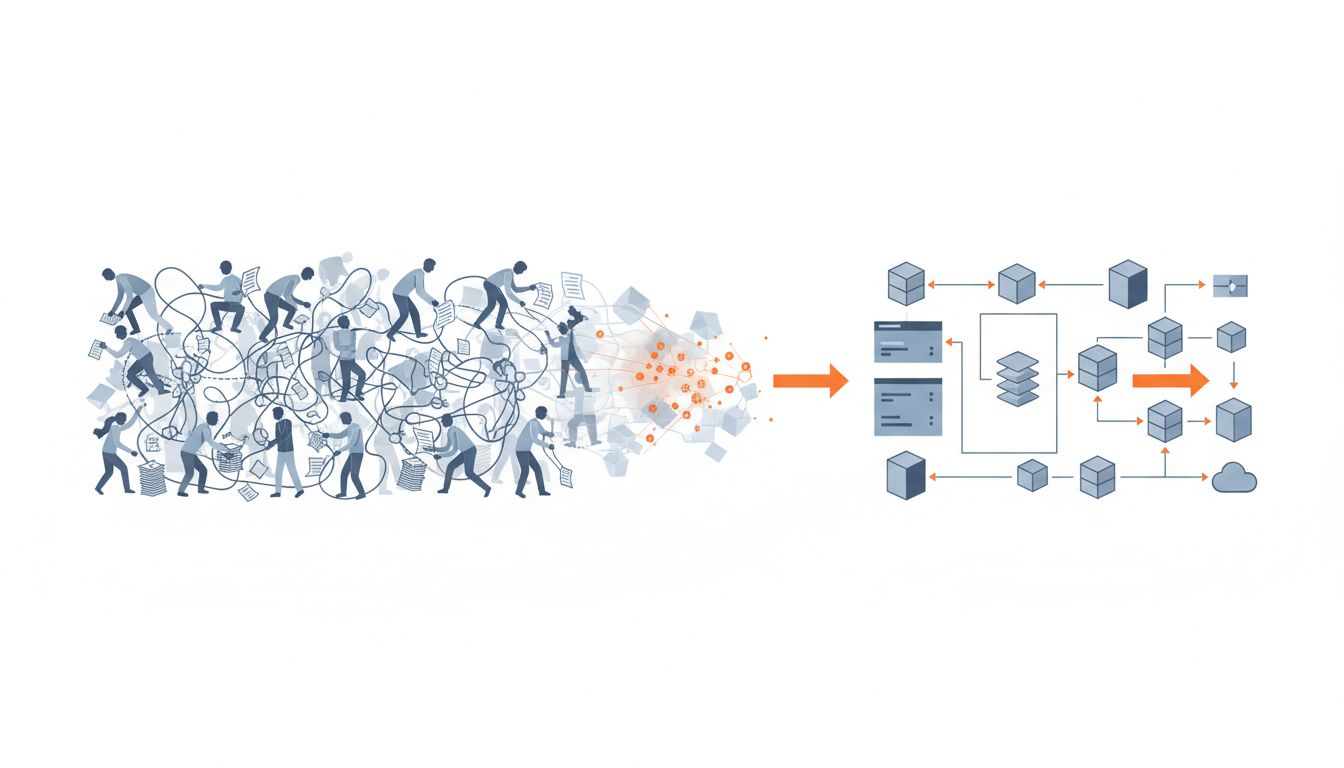

A founder I know spent eight months building an inventory management tool for small restaurants. Solid engineer, clear vision, genuine frustration with existing tools. He launched to crickets. Not bad crickets, just quiet ones. A few signups, zero conversions, polite feedback that amounted to “interesting, not for me right now.” Eight months. Gone.
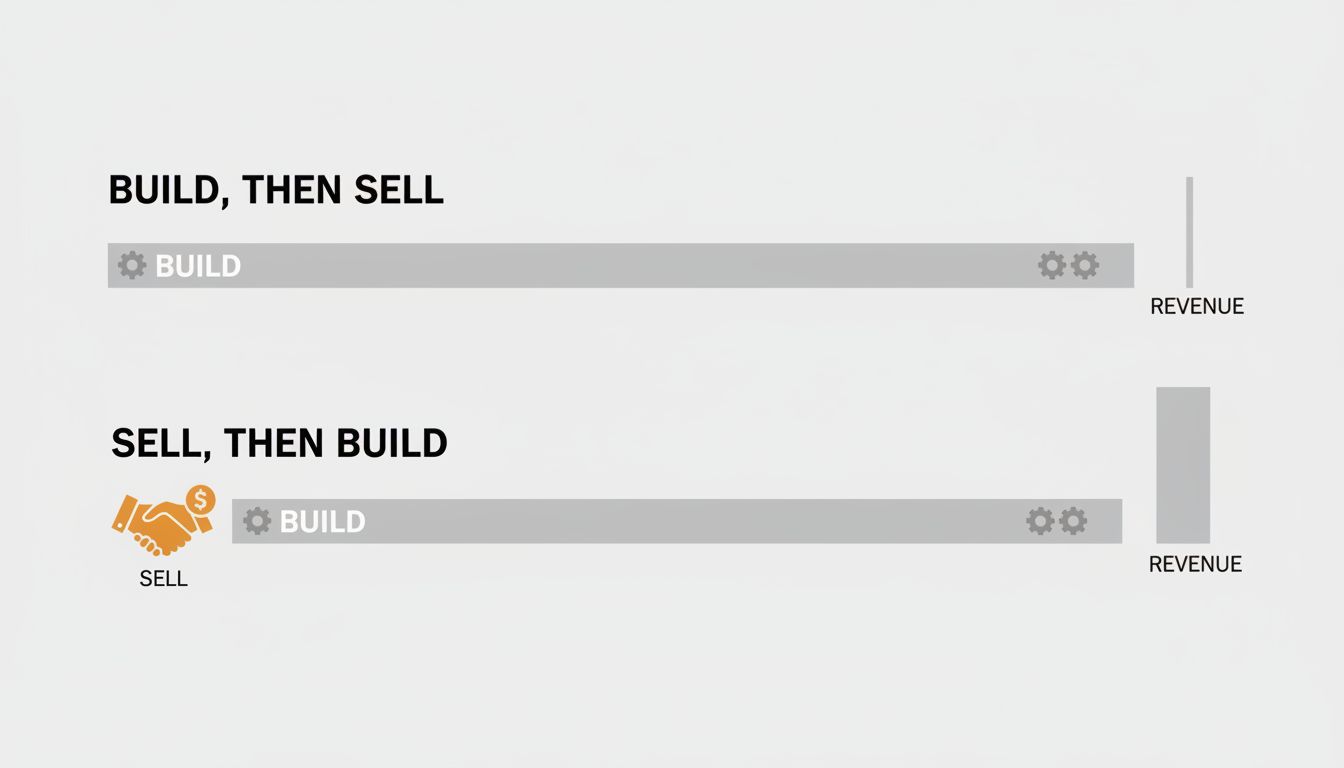
Six months later, a different founder in the same space put up a landing page with a waitlist and a $200 early-access offer. She collected forty payments in two weeks, then built the product. You probably know how this ends.
The first founder had conviction. The second had customers. Those are not the same thing.
1. A Customer Who Pays Is a Different Species Than One Who Says They Will
This is the oldest lesson in startups and the most ignored. Verbal enthusiasm is worthless as a signal because it costs the person giving it nothing. “I would totally pay for that” is a social response, not a business commitment. It’s what people say when they like you and don’t want to disappoint you.
Money is the commitment device. When someone hands over real dollars for something that doesn’t exist yet, they are telling you something true about their pain level. They are not being polite. Nobody pre-pays for something out of politeness.
This is why your first customer shapes the company more than you expect. The person willing to pay early is usually in genuine pain, willing to tolerate rough edges, and motivated to give you honest feedback. That combination is more valuable than a thousand survey responses.
2. Pre-Sales Force You to Articulate the Value, Not the Features
When you’re selling something that doesn’t exist, you can’t show a demo. You can’t walk through features. You have to explain what changes in the buyer’s life or business if they say yes. That constraint is a gift.
Most founders are fluent in product and inarticulate about value. They can tell you every architectural decision and struggle to explain why any of it matters to someone paying the bills. The pre-sale conversation fixes this fast, because you will discover immediately which explanations land and which produce polite nodding followed by no purchase.
By the time you’ve closed twenty pre-sales, you have a real pitch. You know the words that open wallets. That knowledge is worth more than any brand or copywriter.
3. Building Without Paying Customers Is a Prediction, and Predictions Are Usually Wrong
When you build first, you are making a bet that you understand what customers need, how much they’ll pay, which features matter, and what the workflow looks like in practice. You are betting on four variables simultaneously, and you’re using your own judgment as the primary data source.
Founters are not objective observers of their own ideas. They can’t be. The people who build products are the worst possible predictors of how strangers will use them, because they can’t unsee their own assumptions. Pre-sales don’t solve this completely, but they create feedback loops earlier, when changes are cheap.
Building for eight months on a hunch, then discovering the hunch was wrong, is not a failure of execution. It’s a failure of sequencing.
4. Pre-Revenue Startups Are Not Actually De-Risked by Funding
There’s a mythology in early-stage funding that a seed round validates the idea. It doesn’t. It validates that a small number of investors found your pitch compelling and your market large enough to take a flier on. Investors are wrong constantly. Being wrong is baked into the model.
Pre-sales from actual customers is a categorically different signal. These people are not betting on your potential. They are not building a portfolio. They are solving a problem they have today and decided your solution was worth the money. That is worth ten pitch meetings.
This matters especially if you’re building without institutional backing. Pre-sales give you both cash and legitimacy without giving up equity or spending months in partner meetings.
5. The Ethics Question Is a Red Herring
Someone always raises this. “Isn’t it dishonest to take money for something you haven’t built?” No, not if you’re transparent about what you’re selling. You’re selling early access, a commitment to build something specific, and often preferential pricing in exchange for the risk the buyer is taking. That’s a real transaction with real value on both sides.
Kickstarter ran on this model for years. Plenty of enterprise software is sold on roadmap. Consulting firms take deposits. The ethical line is not “charge before you build” versus “build before you charge.” The ethical line is whether you’re honest about what the buyer is getting and whether you deliver.
If you take the money and disappear, that’s fraud. If you take the money, build the thing, and learn that the thing needs to change to actually serve the customer, that’s just a startup.
6. The Product You Build After Pre-Sales Is Better
This is underrated. When you have paying customers before you write the first line of code, you have people who are genuinely invested in the outcome. They want to tell you what they need. They’ll take your calls. They’ll test the rough version because they’ve got skin in the game.
That feedback loop produces a different product than building in isolation. Not just a better-validated product. A better product, because the people who would use it were part of designing it before it calcified.
Building features is easy. Knowing which ones to build is hard. Pre-sales customers tell you which features justify their money. That’s better information than user research, better than competitive analysis, and better than your intuition.
The founder who builds first and ships into silence has to guess why it didn’t work. The founder who sells first and builds second usually already knows.