
Startup Strategy
Pricing Your Product Too Low Can Kill the Sale
Cheap pricing feels safe for new founders. It's often the thing that makes buyers walk away.

Jordan Rivera is a startup strategy writer who has spent a decade in the venture capital ecosystem. From seed-stage founder to growth-stage advisor, Jordan writes about the real decisions founders face, the ones that rarely make it into press releases.
Cheap pricing feels safe for new founders. It's often the thing that makes buyers walk away.
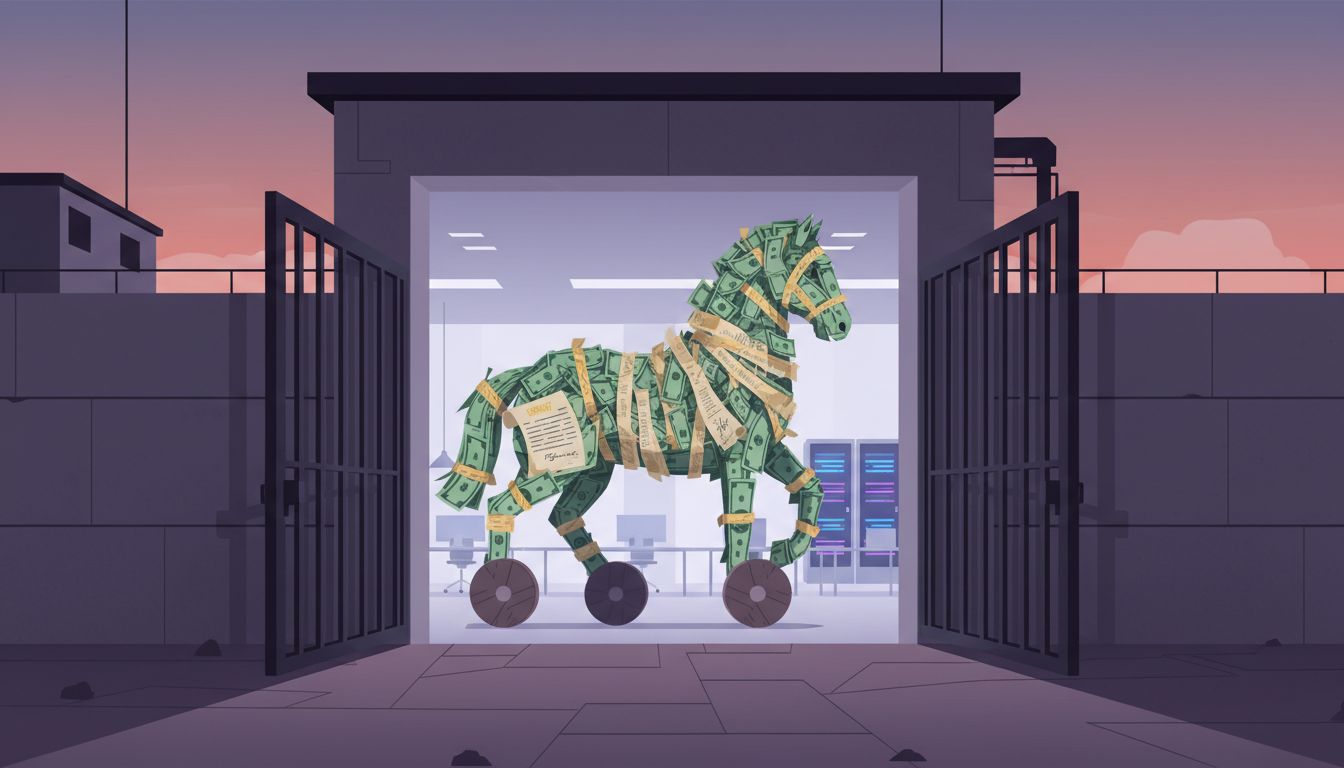
Every successful startup has a story about the customer they almost built for instead of the customer who actually mattered. Here's what that mistake looks like in practice.

Everyone obsesses over who joins a startup first. The hire that actually determines your trajectory is usually the one after that.

When a startup runs out of money, founders obsess over their cap table and their team. Their customers are an afterthought. That's a moral failure, not just a strategic one.
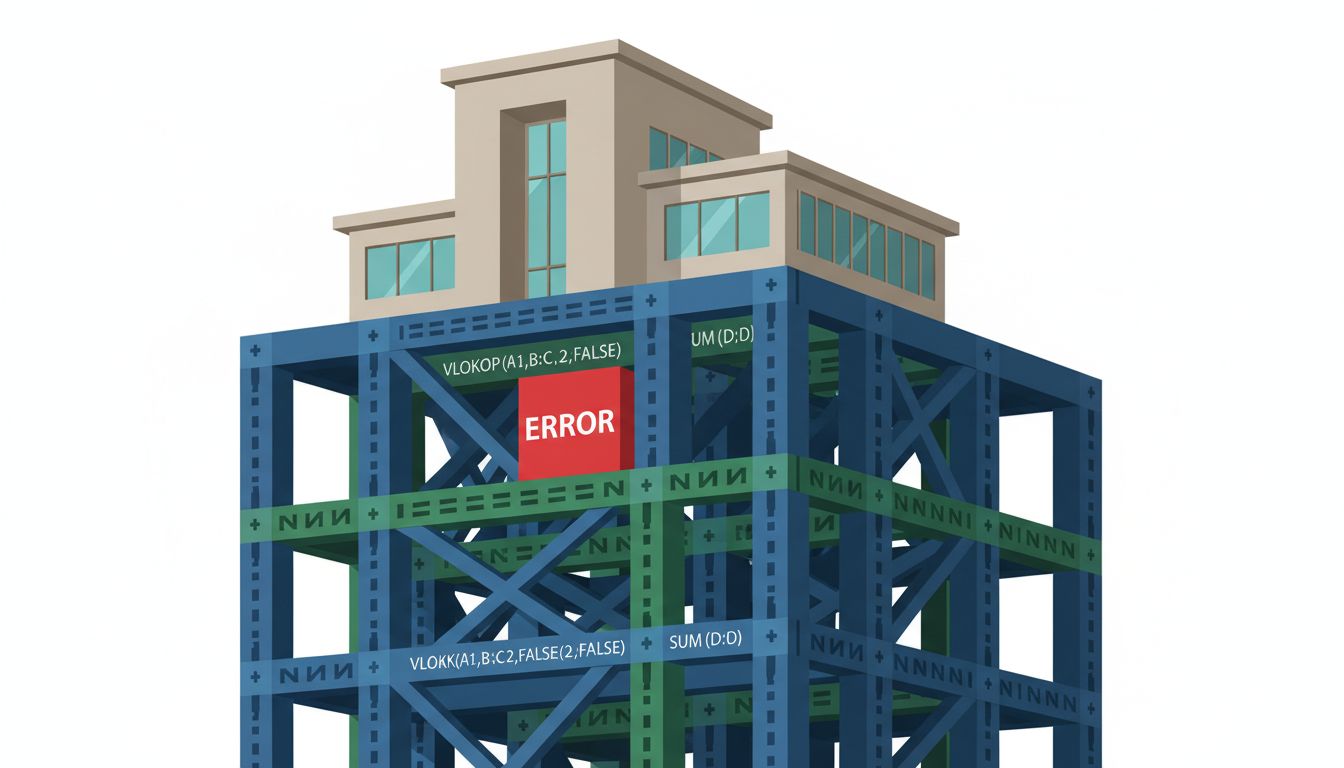
Before the database, the dashboard, or the data team, there was a Google Sheet. And for many successful startups, it held up longer than you'd expect.
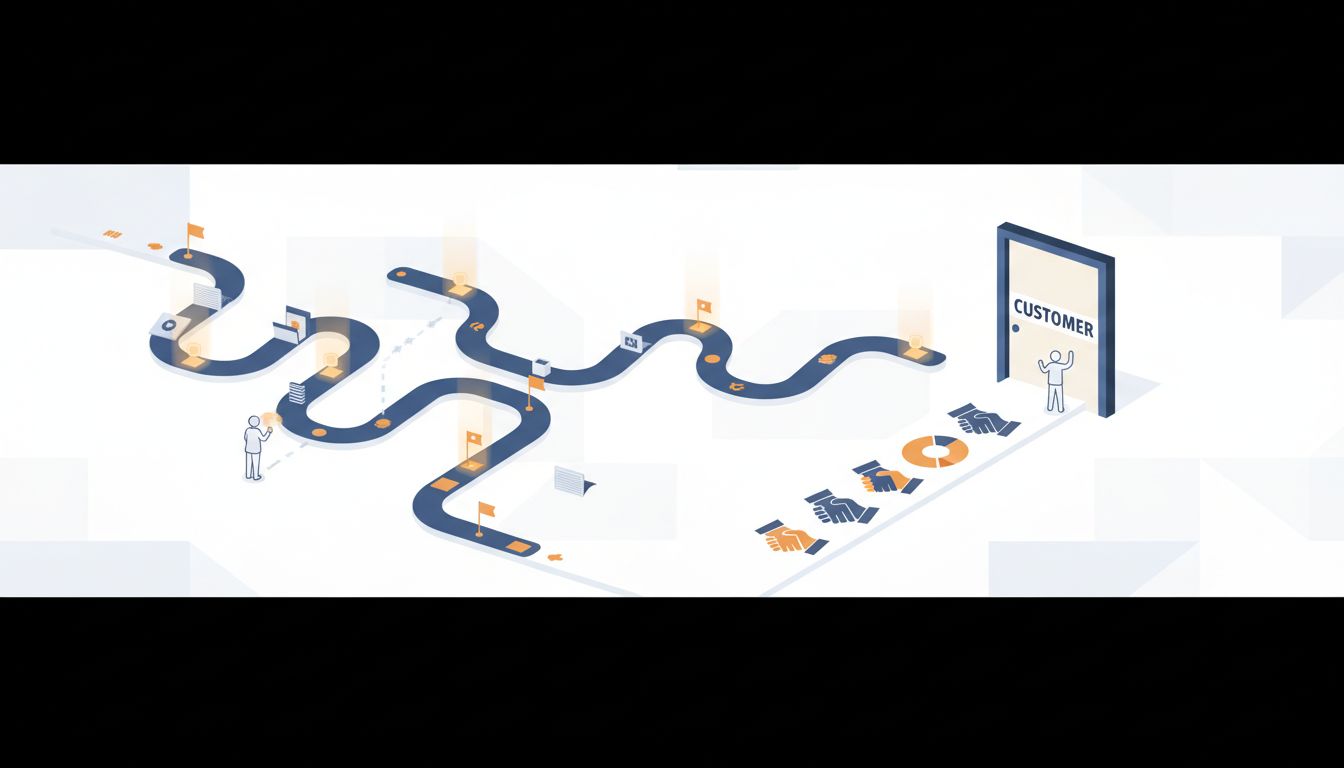
Better products lose to inferior ones all the time. The difference is almost never quality. It's who had a path to the customer.

Coming in under budget on a software project isn't a win. It's a confession that you didn't know what you were building.

Founders obsess over not hiring sales too soon. The opposite mistake kills just as many companies, just more slowly and with better excuses.

Figma spent years iterating on a product almost nobody used. Then they stopped. Here's what that decision actually looked like.

The customers who saved you in year one are often the ones constraining you in year three. That loyalty runs both ways, and it's costing you.

The software powering trillion-dollar companies was built by volunteers. Here's how that happened and why it keeps working until it suddenly doesn't.

Being first is overrated. The companies that dominate markets are rarely the ones that invented them. Founders just can't admit that.
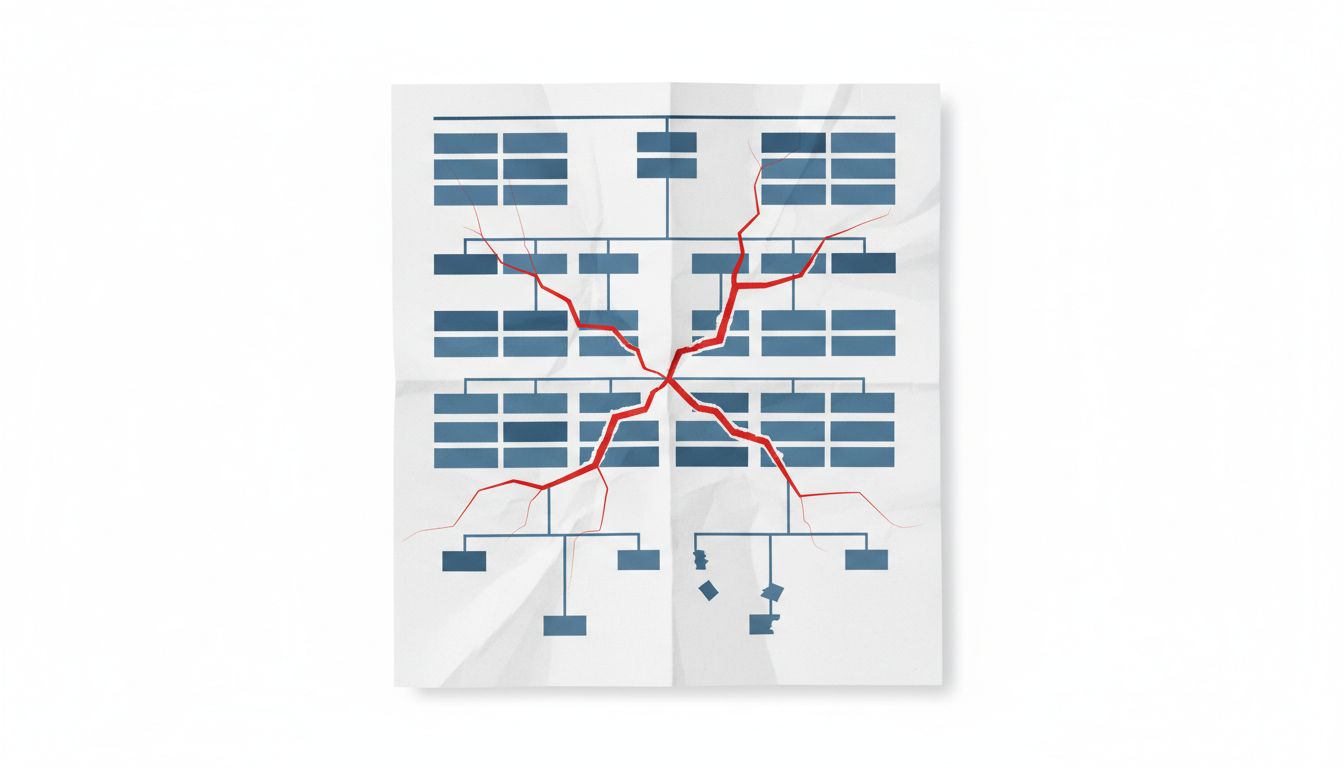
Zenefits hired like a 5,000-person company when it had 500 employees. The wreckage was instructive.

Stripe's early growth nearly destroyed the company. The lesson isn't about bad customers. It's about what happens when you say yes to everyone.
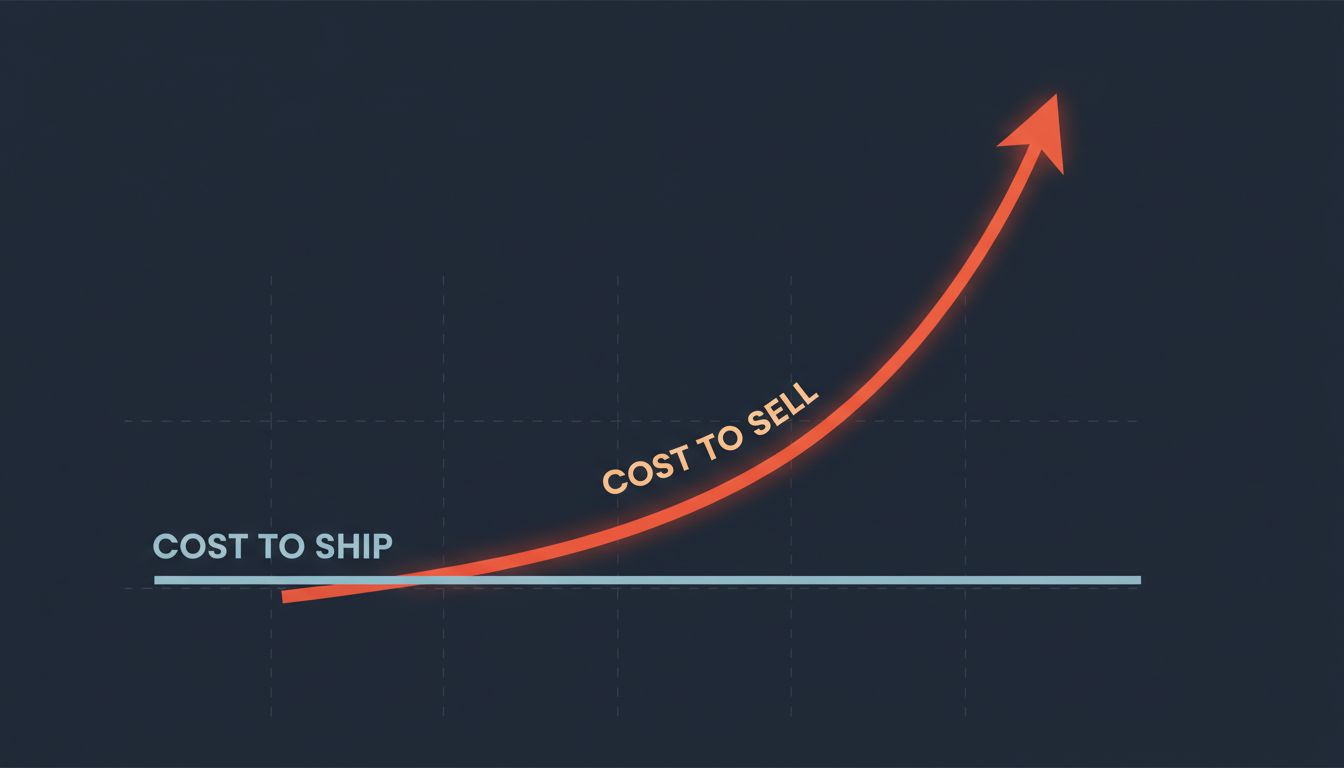
Founders fixate on zero marginal cost as the magic of software. But the cost of acquiring, convincing, and keeping customers doesn't scale the same way the product does.

Acqui-hires are sold to employees as soft landings. For founders and investors, sometimes they are. For everyone else, the math is brutal.

High prices aren't a growth obstacle. For B2B software, they're often the engine. Here's why the math works the way it does.

Everyone celebrates the first customer. The second one is the only signal that actually tells you something useful.
Join thousands of readers who get our weekly breakdown of the most important stories in technology.
Free forever. Unsubscribe anytime.