Digital Productivity
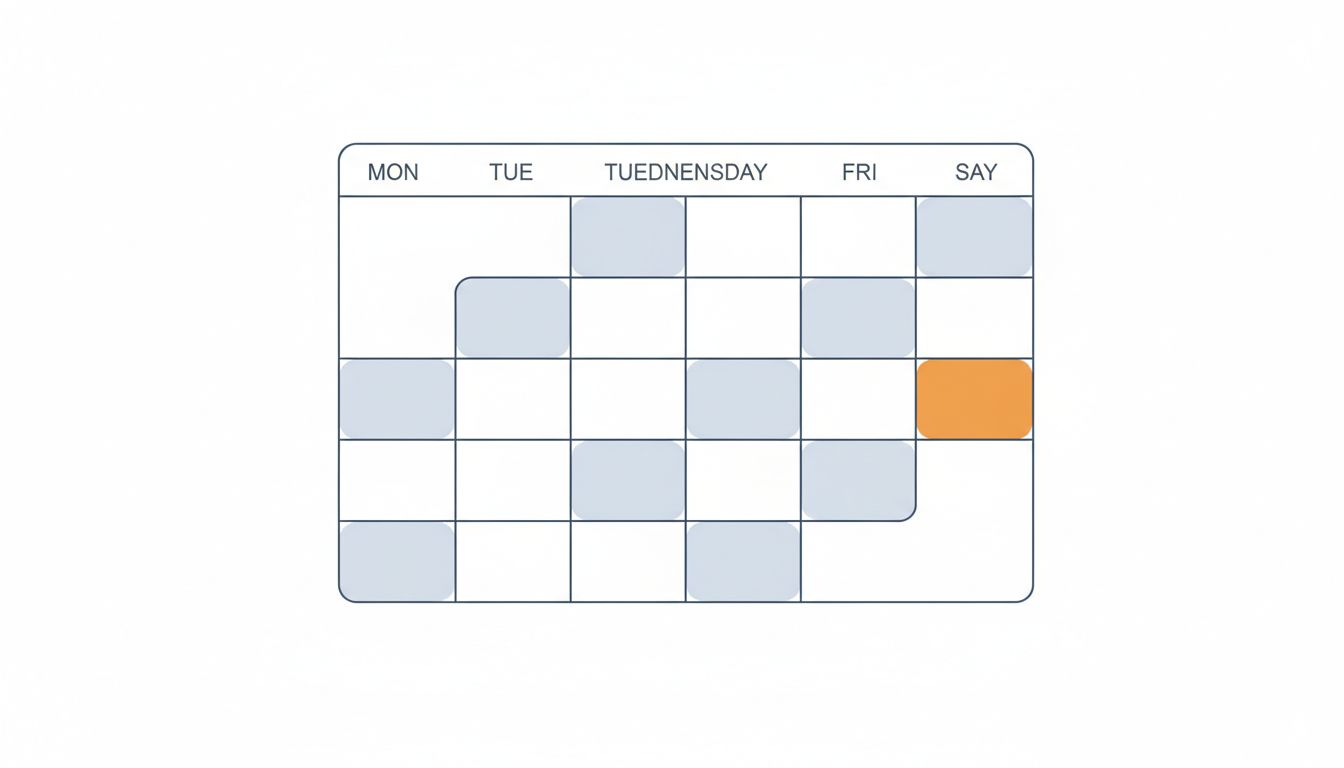
Most Meetings Fail Before Anyone Shows Up
The real problem isn't that you cancel meetings. It's that the conditions that made them necessary were avoidable from the start.

Lena Park writes about software development practices, developer tools, and the culture of building software. A full-stack developer turned writer, she covers how engineering teams actually work: from architecture decisions to deployment strategies.
The real problem isn't that you cancel meetings. It's that the conditions that made them necessary were avoidable from the start.

Context-switching feels cheap because the cost is deferred. You pay it later, in degraded output and lost hours you can't trace back to a cause.
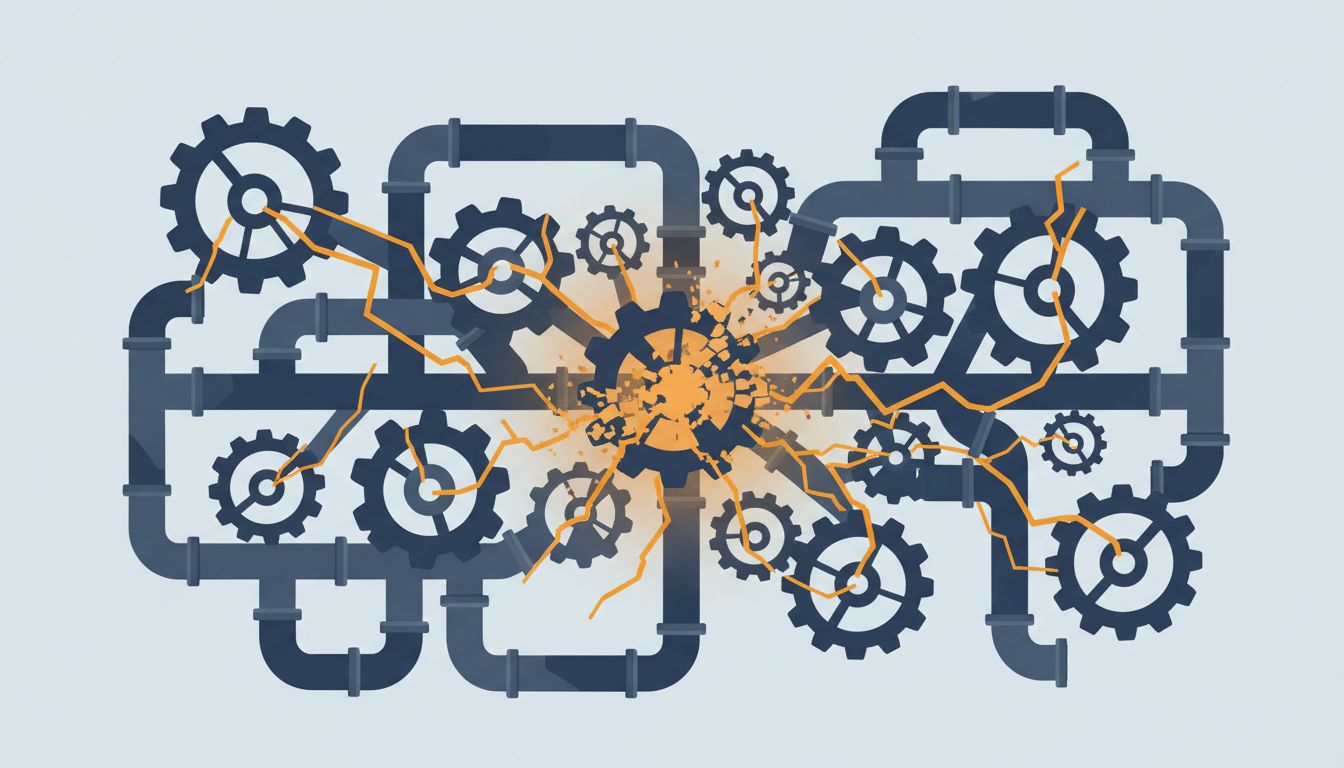
Vendor lock-in has always been a risk. AI dependencies make it existential. The story of what happens when the model underneath your product simply disappears.

Meetings get blamed for stolen time, but the actual culprit is something subtler and harder to fix: the cost of switching between contexts.
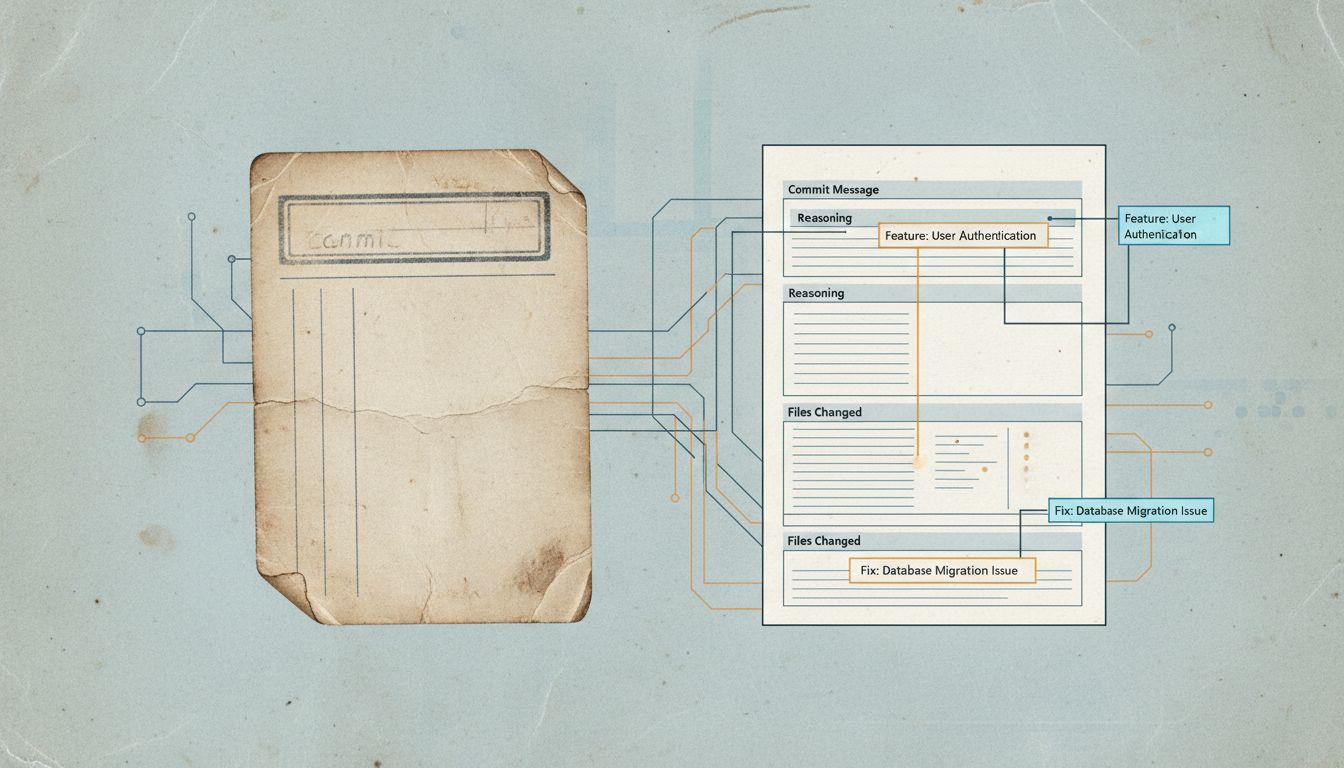
Most commit messages describe what changed. Almost none explain why it changed. That gap quietly destroys codebases over time.

Task decomposition is useful until it isn't. Here's the specific failure mode nobody talks about when teams get addicted to splitting tickets.
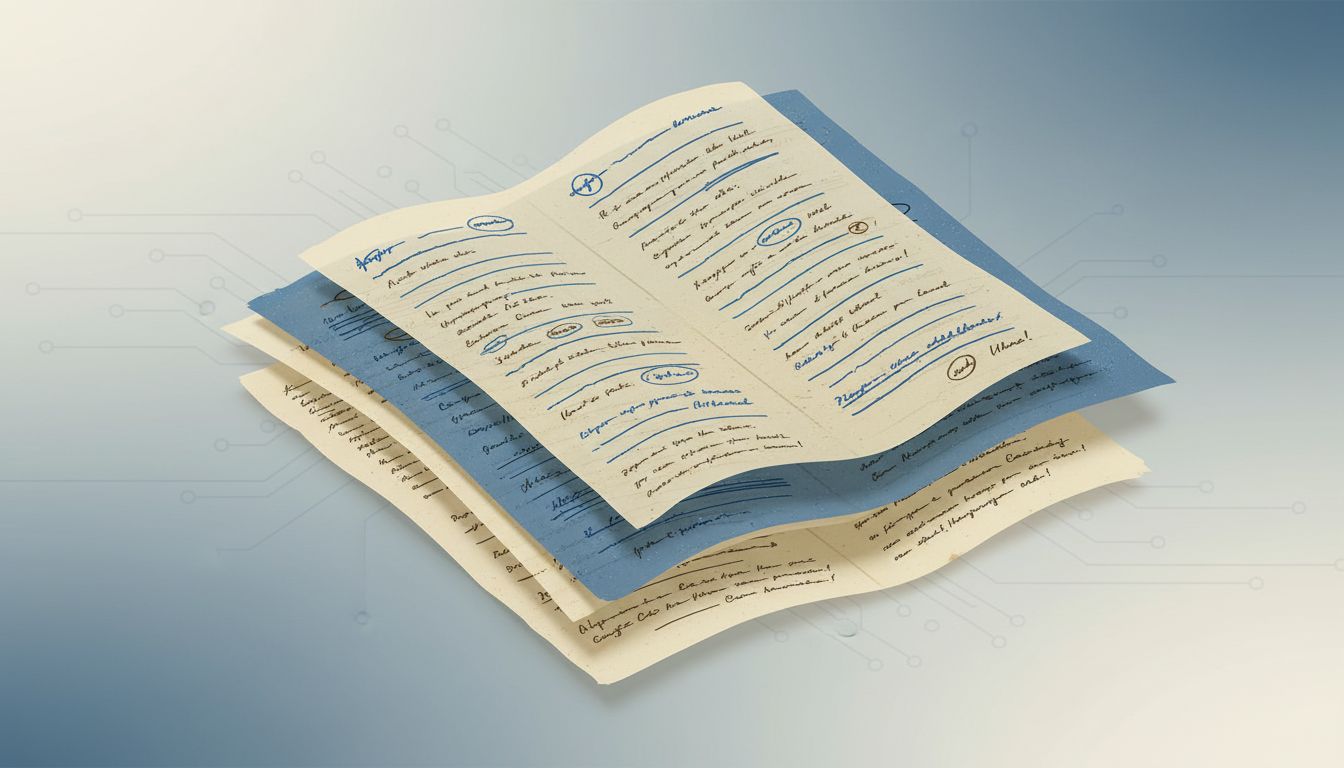
That perpetually half-written doc isn't a failure of discipline. It might be doing more cognitive work than any finished artifact in your system.

Most productivity techniques are reward loops dressed up as workflows. Here's what's actually happening when you feel productive but aren't.
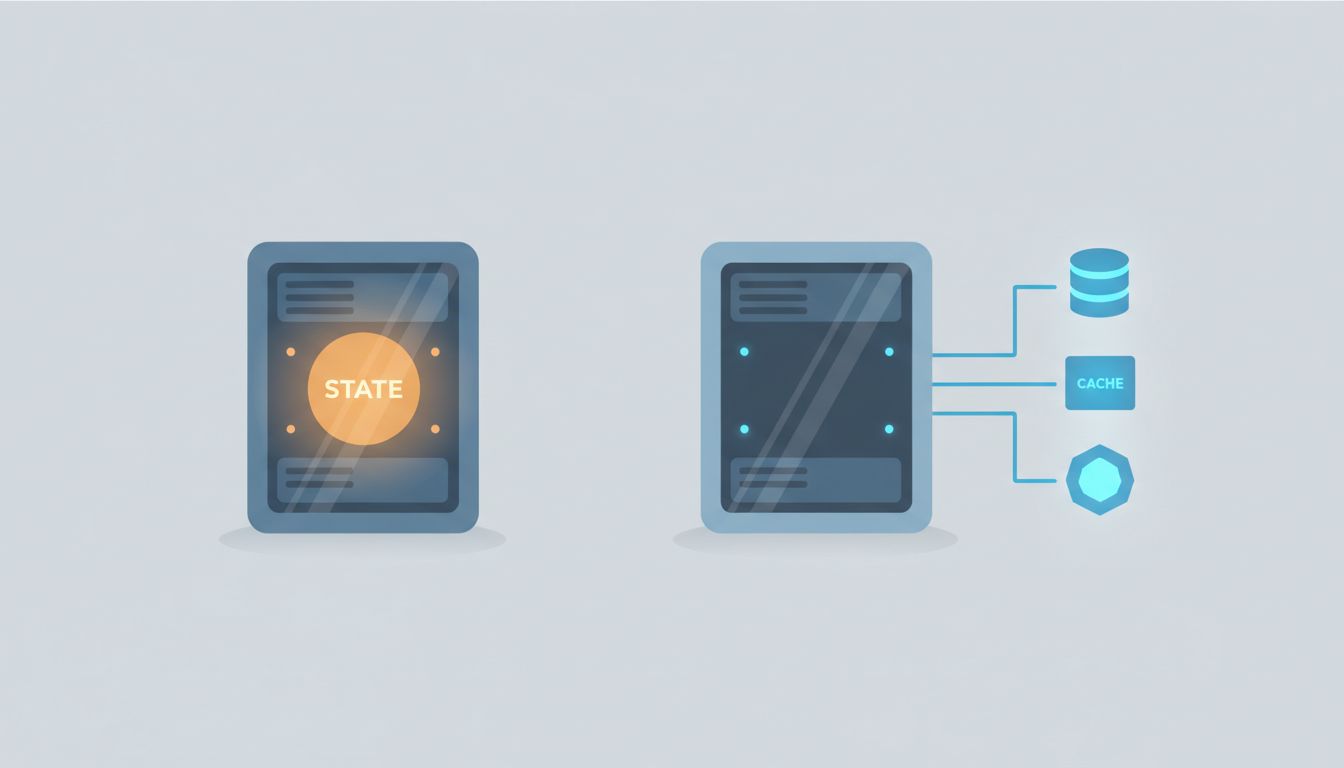
Stateless architecture sounds clean and elegant. In practice, it just moves the complexity somewhere else. Here's where it goes.
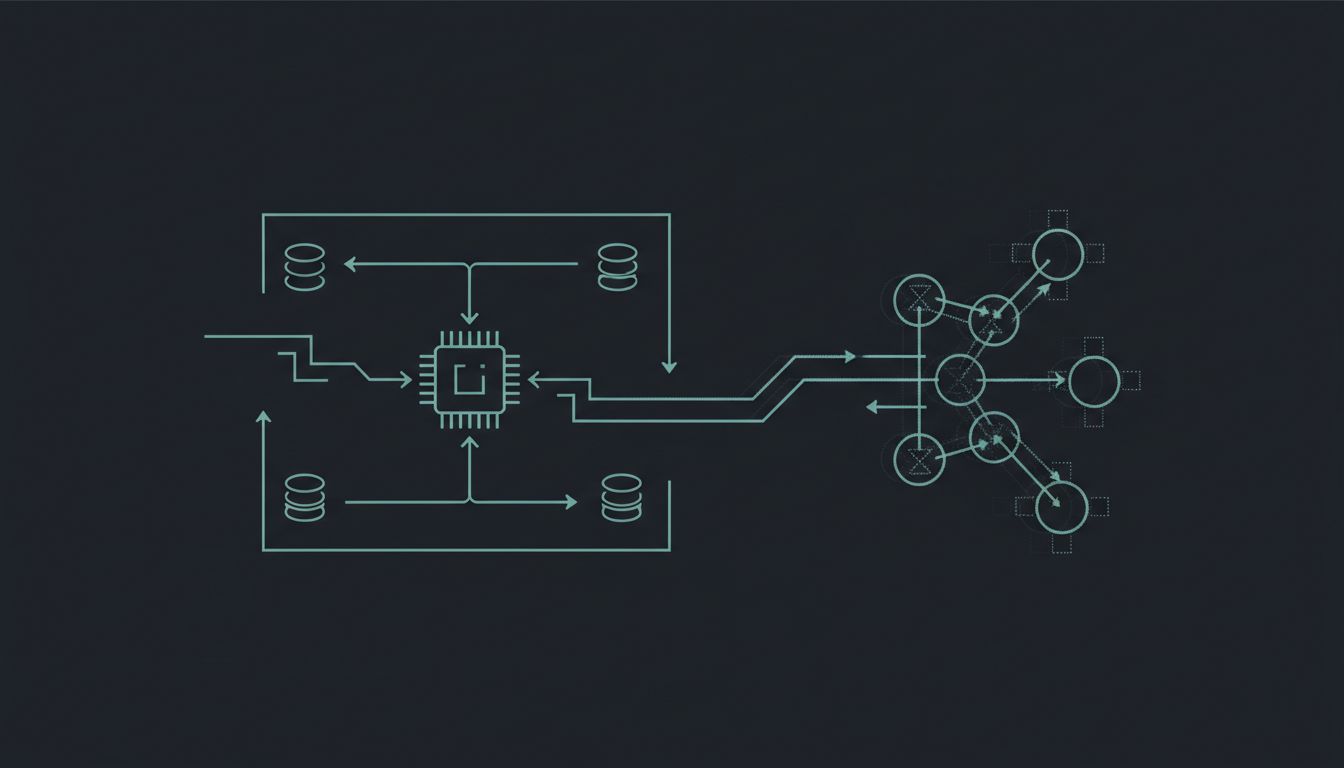
Intermittent bugs that vanish under scrutiny aren't flukes. They're your system telling you something true about how it actually runs.
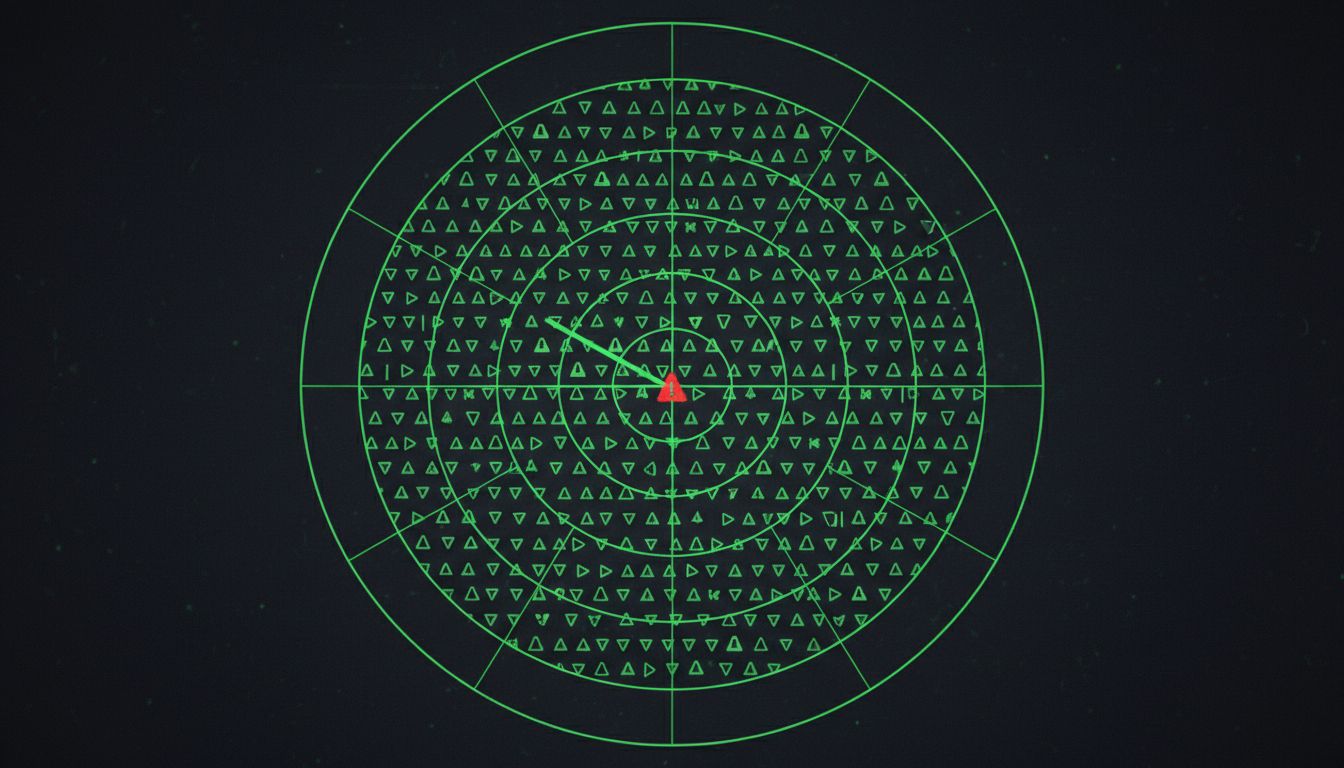
Researchers studying air traffic controllers in the 1970s discovered something that explains exactly why your notification setup is making you worse at your job.

Carving your day into neat 30-minute blocks feels like discipline. What it actually does is prevent the kind of sustained focus that produces real work.

That half-written doc you keep meaning to polish isn't a failure. It's doing real cognitive work, and shipping it prematurely might actually make things worse.

Embeddings aren't just 'turning words into numbers.' The real idea is stranger and more powerful than that, and understanding it changes how you think about AI.
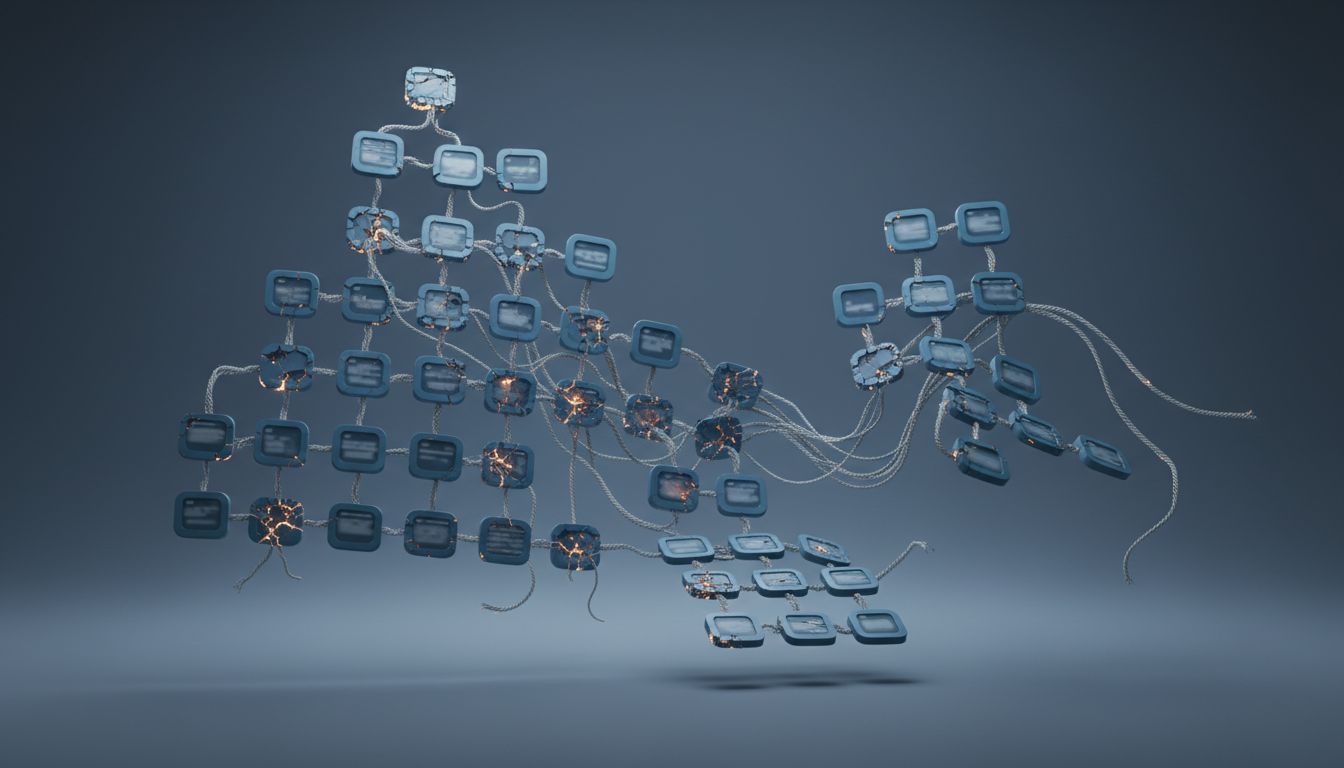
A productivity system isn't software you install and forget. It's infrastructure, and unmaintained infrastructure fails in predictable ways.

A notification doesn't interrupt you when you read it. It interrupts you the moment your brain detects it's there. Here's what's actually happening.

A product team at Basecamp accidentally ran a controlled experiment on meeting culture. The results were uncomfortable for everyone who attended.

Some bugs don't exist until your user count crosses a threshold. Here's why scale creates failure modes that testing simply cannot anticipate.
Join thousands of readers who get our weekly breakdown of the most important stories in technology.
Free forever. Unsubscribe anytime.