
AI & Software
Great Abstractions Don't Shorten Code. They Delete It.
Every abstraction you write is a bet that you've understood the problem well enough to compress it. The best ones compress it out of existence.

Lena Park writes about software development practices, developer tools, and the culture of building software. A full-stack developer turned writer, she covers how engineering teams actually work: from architecture decisions to deployment strategies.
Every abstraction you write is a bet that you've understood the problem well enough to compress it. The best ones compress it out of existence.
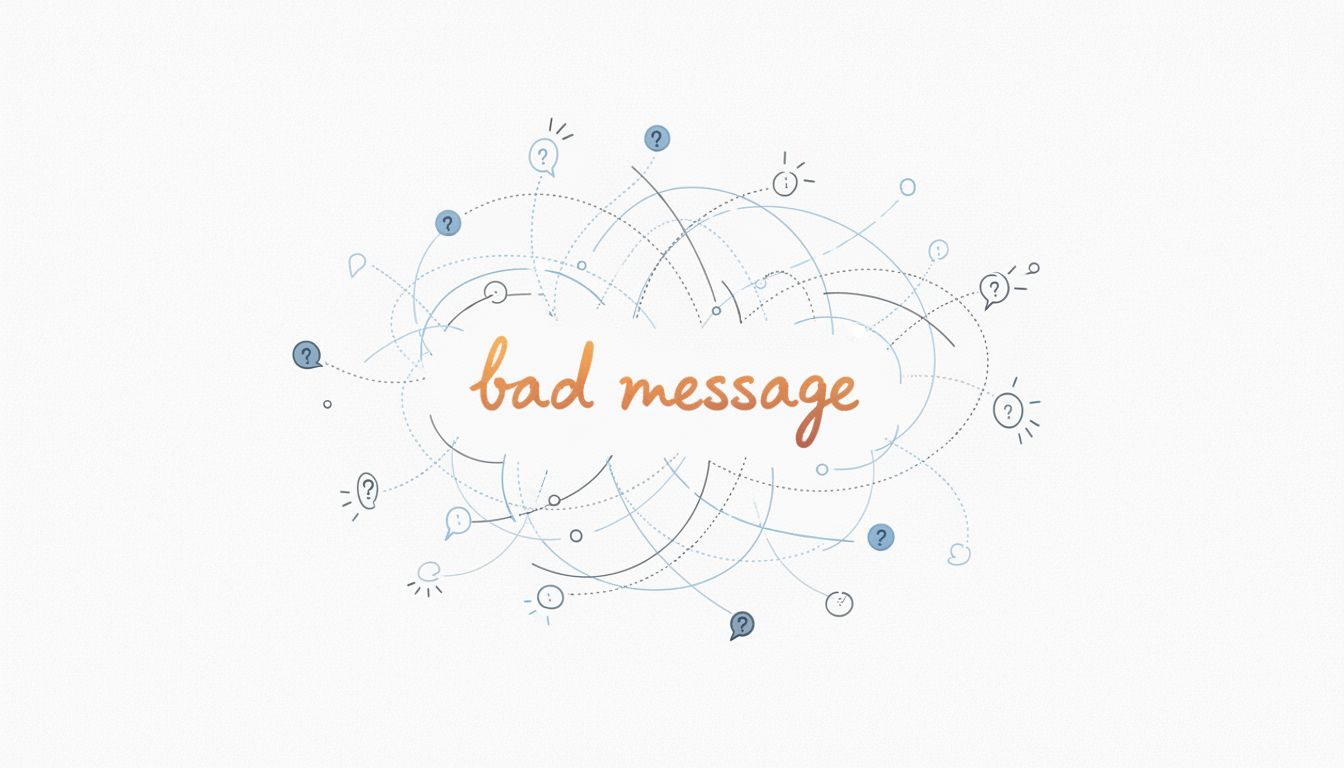
High-performing async teams aren't just canceling meetings. They've solved something harder: how to think and write with enough precision that their words work without them present.
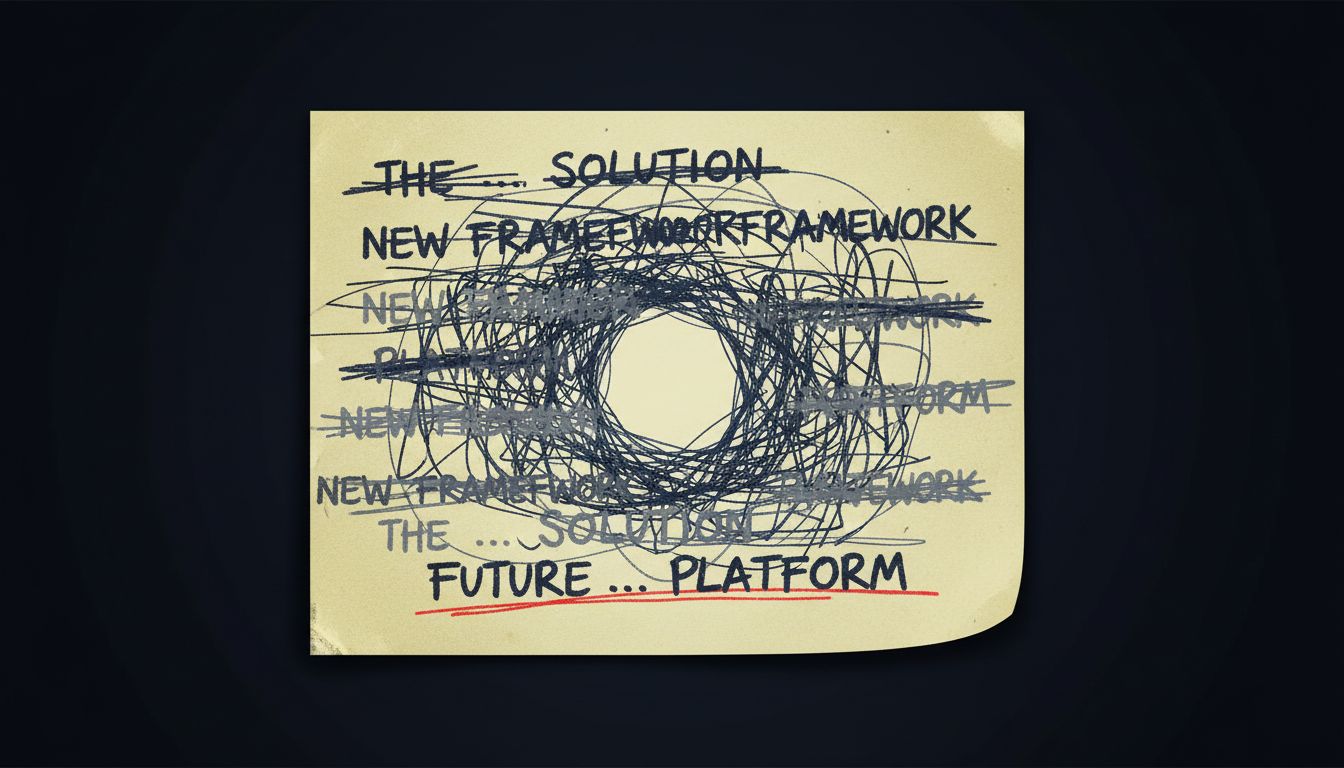
That item you've reworded six times isn't a productivity problem. It's a decision you haven't made yet.
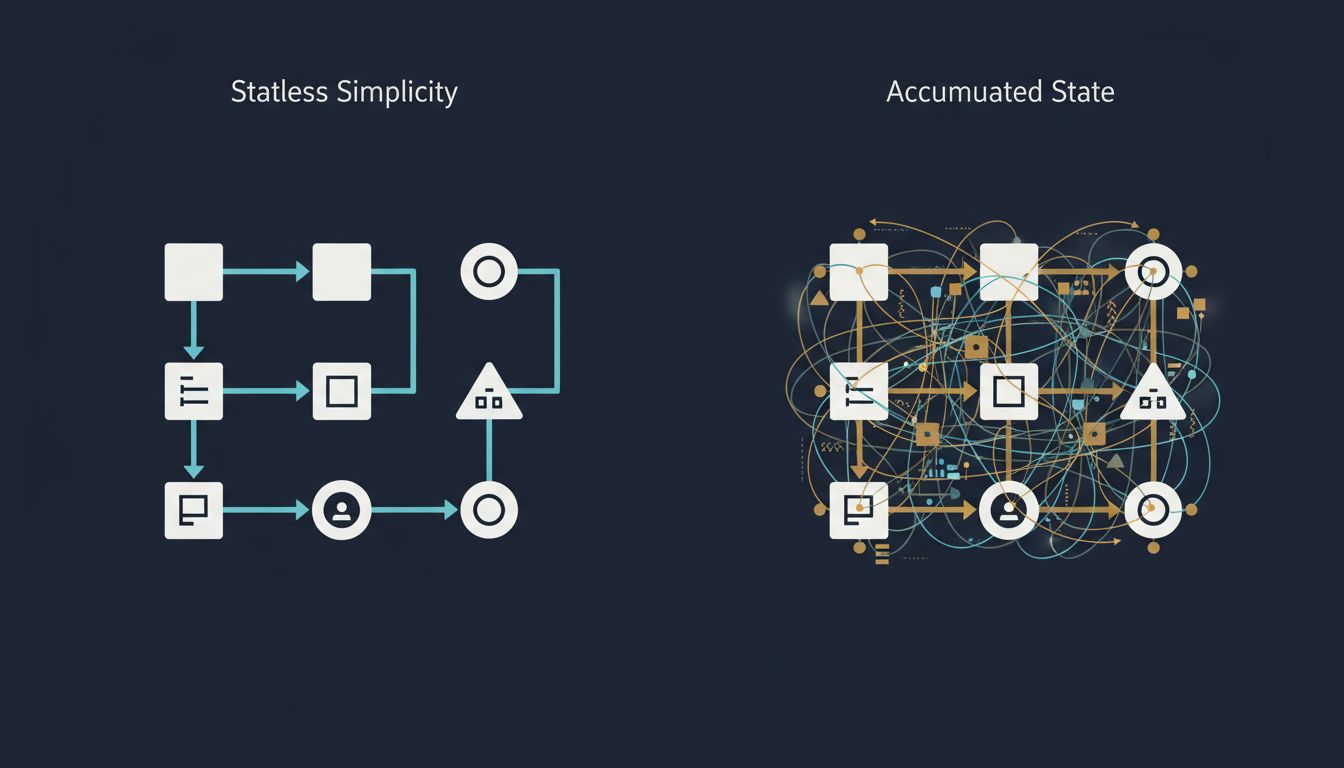
Every developer knows stateless systems are easier to reason about. Yet every system drifts toward stateful complexity. Here's why that happens, and what it costs you.
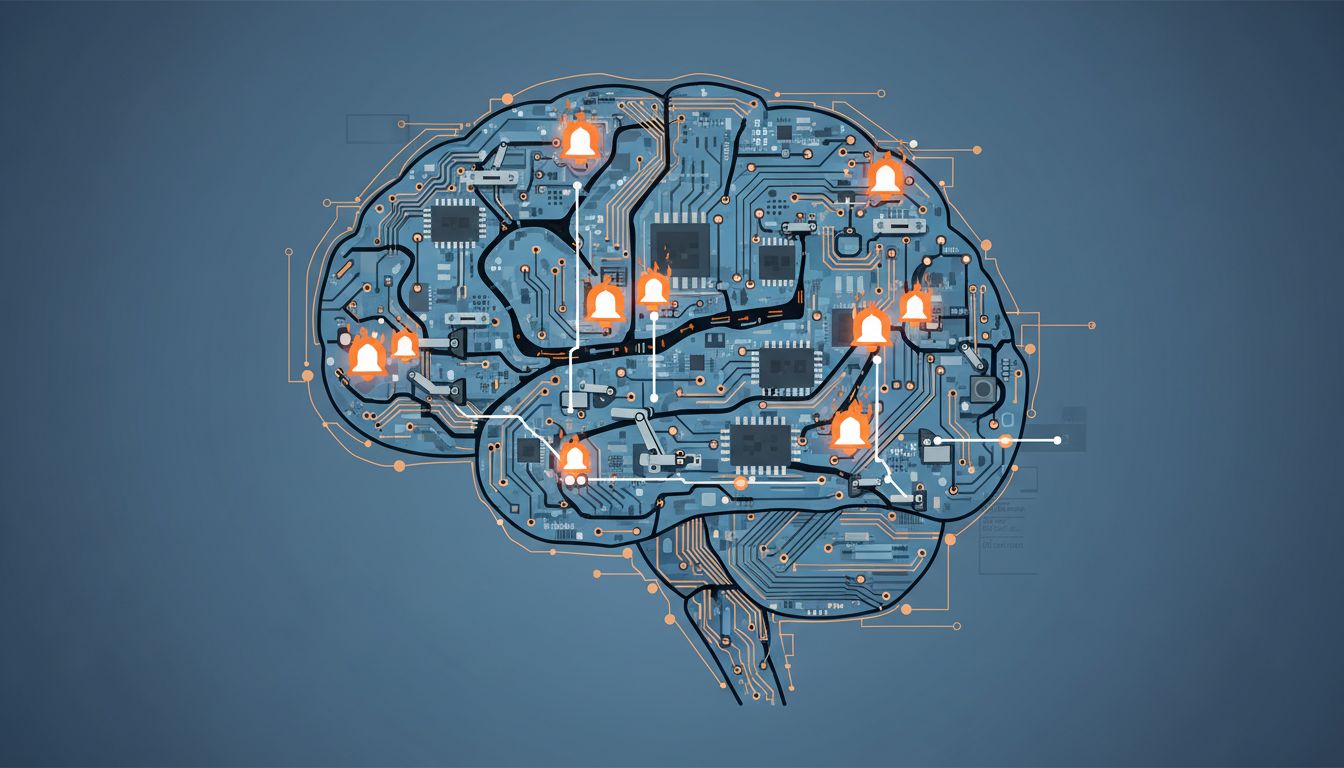
The always-on notification culture isn't something that happened to knowledge workers. It's something they built, one Slack ping at a time.
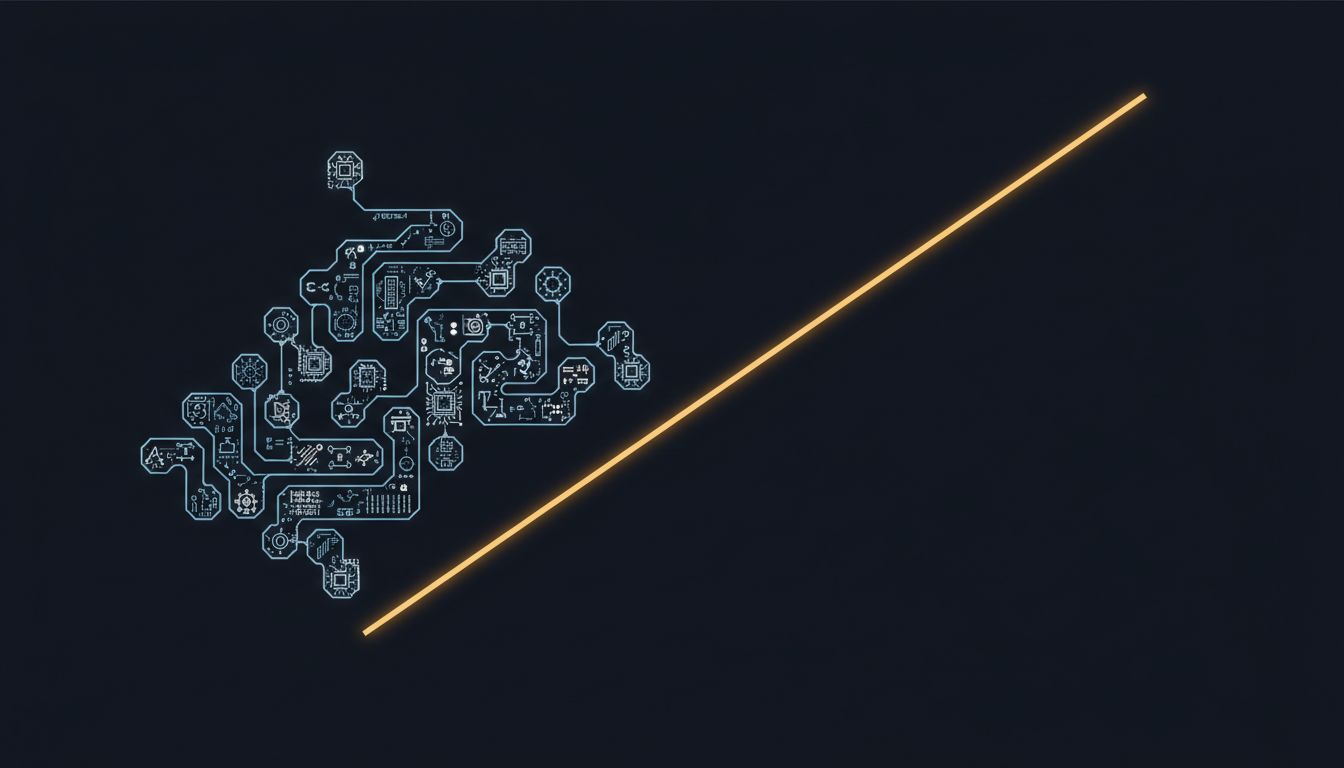
We obsess over algorithmic complexity and cache efficiency while ignoring the most powerful optimization available: not executing the work at all.

A close look at how one engineering team's shift to async-first communication didn't reduce coordination overhead. It just made it invisible until it wasn't.
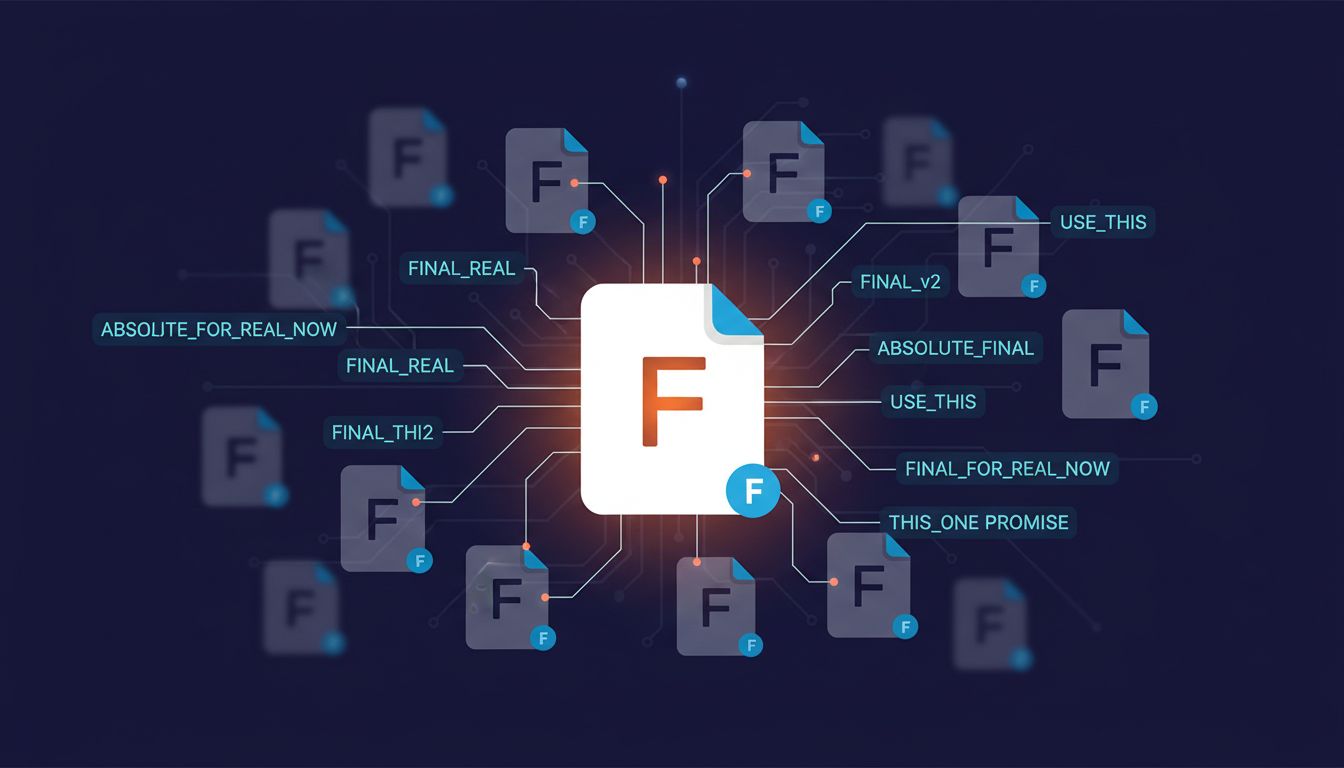
The way you name and organize files isn't a productivity habit. It's a window into how you model information, time, and other people's needs.
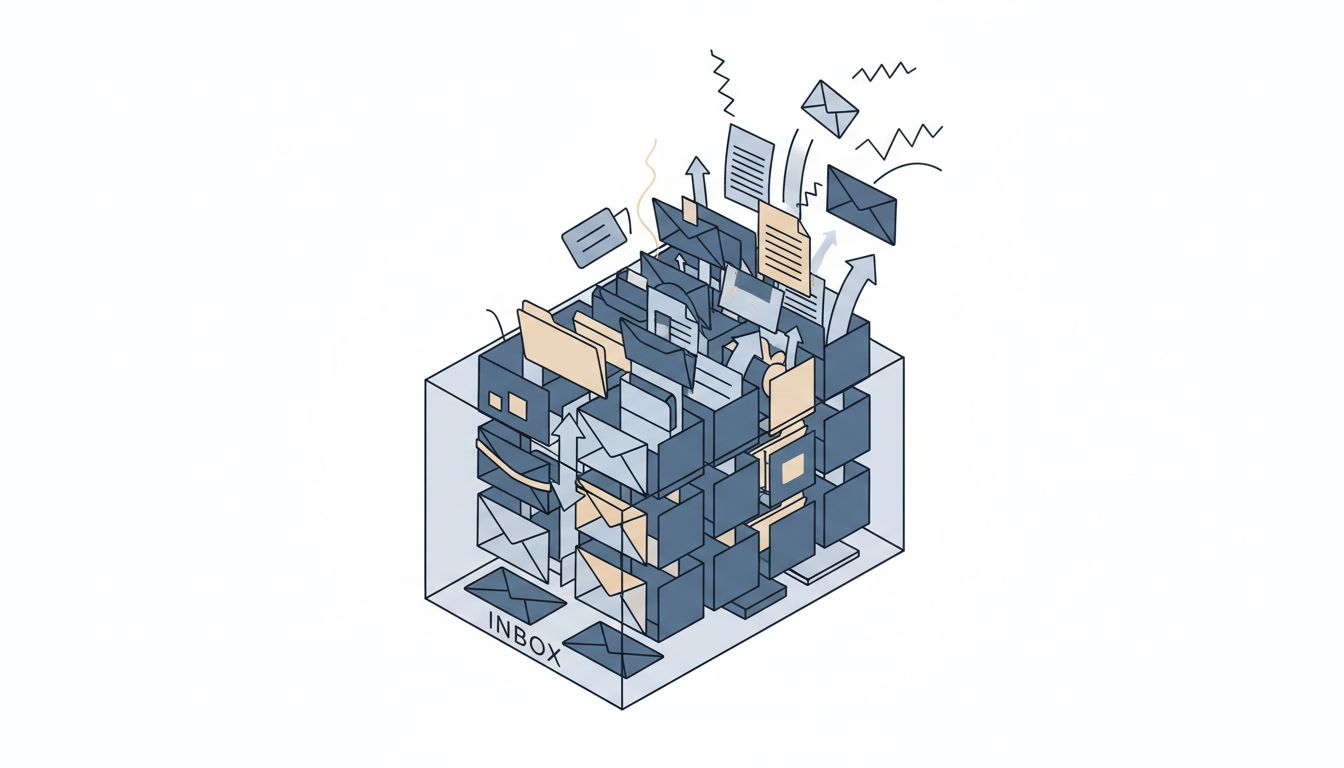
A to-do list that empties is a list that was never ambitious enough. Here's what your task system is actually measuring.

Cal Newport's Deep Work is a useful productivity framework. It's also built on a flawed model of how focused thinking actually works in the brain.

Bugs that vanish under observation aren't mysterious. They're symptoms of systems that depend on timing, state, or environment in ways you haven't accounted for.

A 100,000-token context window sounds like perfect memory. It isn't. Here's what's actually happening inside that attention mechanism.
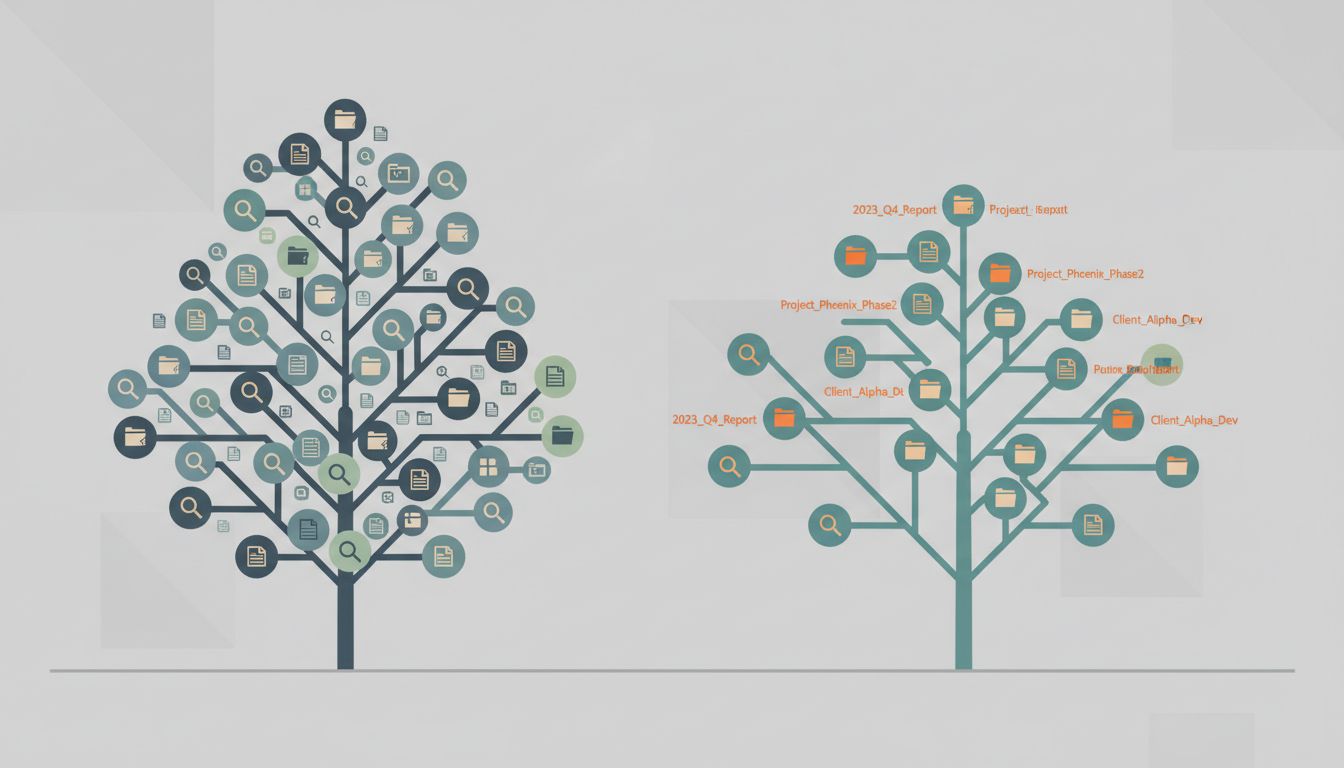
A software team's folder structure tells you what they expect to happen next. The best ones are designed around retrieval, not storage.
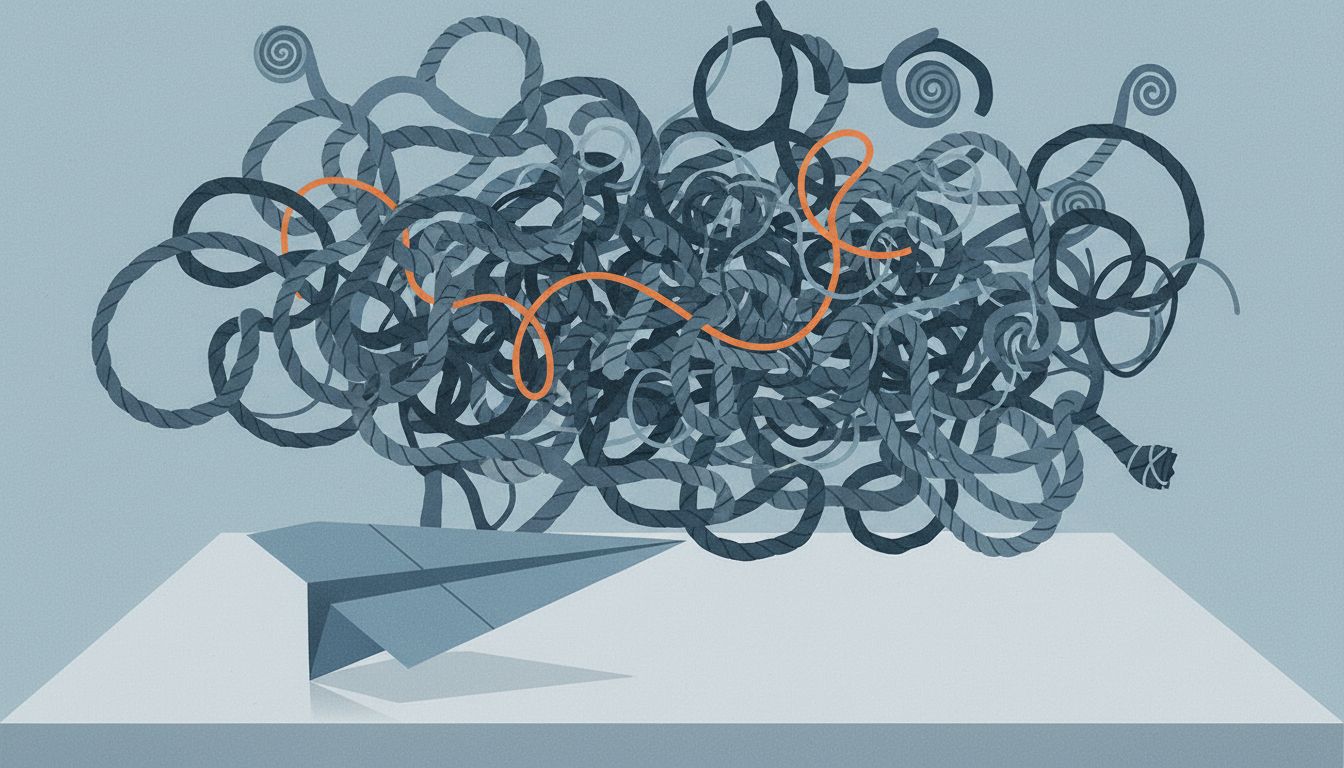
You built the perfect deck. You rehearsed the talking points. Then someone asked one question and the whole thing went sideways. That's not bad luck. That's meetings.
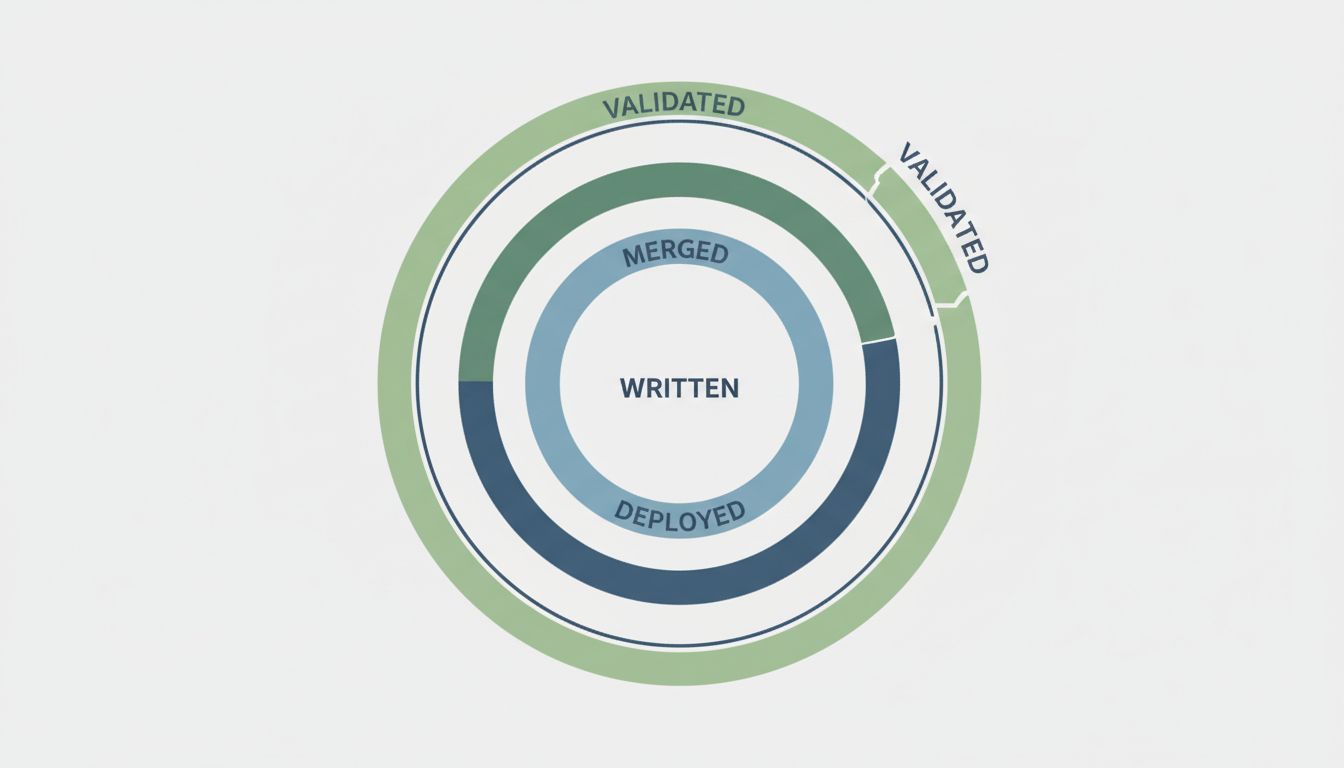
Most teams think they have a shared definition of done. They don't. Here's what that actually costs, and what high-output teams do instead.

Canceled meetings get a bad reputation. But the work that happens in their absence is often more valuable than what the meeting would have produced.

Before transformers, before LLMs, before vector databases, there was one foundational move: turning meaning into math. Here's how it actually works.

AI model disagreement isn't a signal of healthy debate. It's a reliability crisis we've decided to call a feature.
Join thousands of readers who get our weekly breakdown of the most important stories in technology.
Free forever. Unsubscribe anytime.