Successful Apps Are Designed to Be Forgotten, and That Is Exactly How They Keep You
The best apps disappear into your routine. That invisibility is not a design accident — it is the whole strategy.
Marcus Webb covers Big Tech strategy and platform economics. A veteran technology journalist with over 15 years of experience, Marcus specializes in explaining the competitive dynamics and strategic thinking behind the moves of the world's largest technology companies.
The best apps disappear into your routine. That invisibility is not a design accident — it is the whole strategy.
The features your software could deliver instantly are held back on purpose. The reason reveals how the entire industry actually makes money.
Documentation is not busywork. For the developers who get this, it is the single biggest lever separating good engineers from indispensable ones.
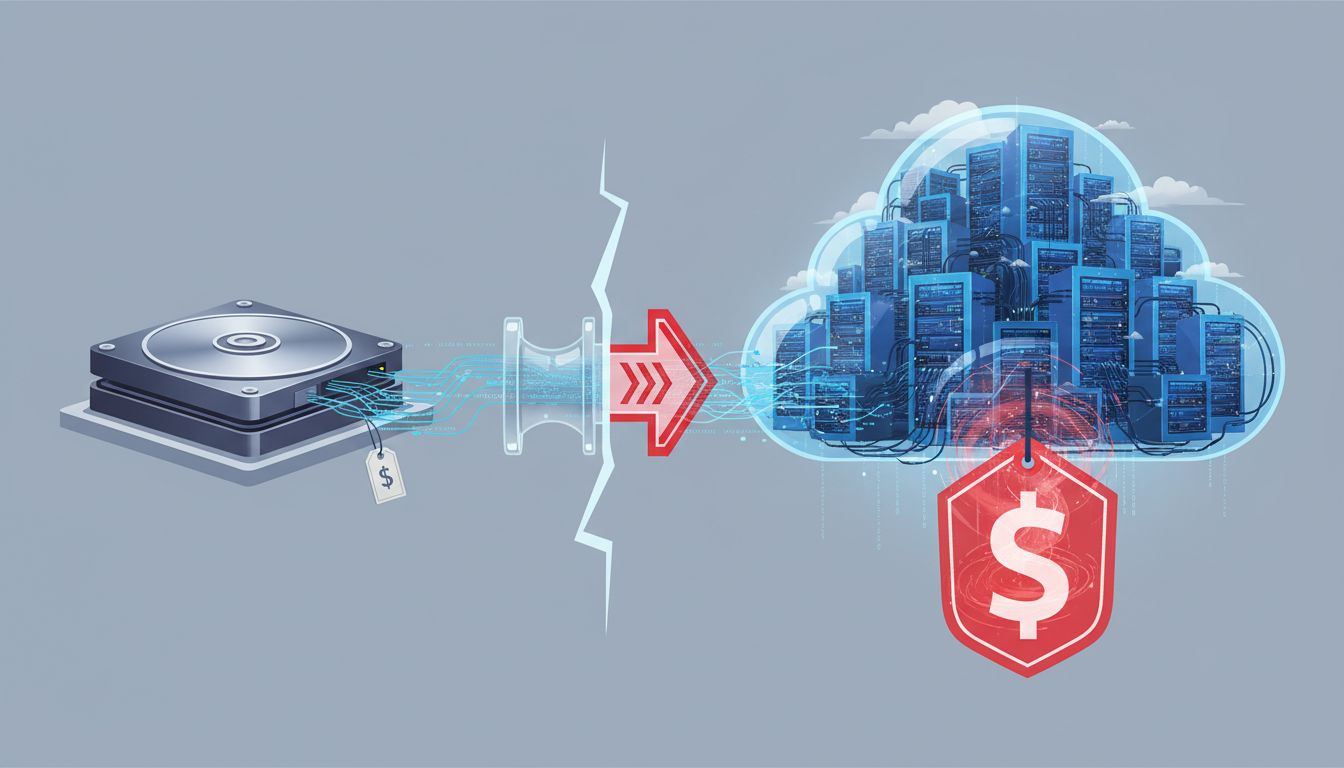
A terabyte of cloud storage costs 10x more than buying a hard drive. The math looks like a ripoff until you understand what you're actually paying for.
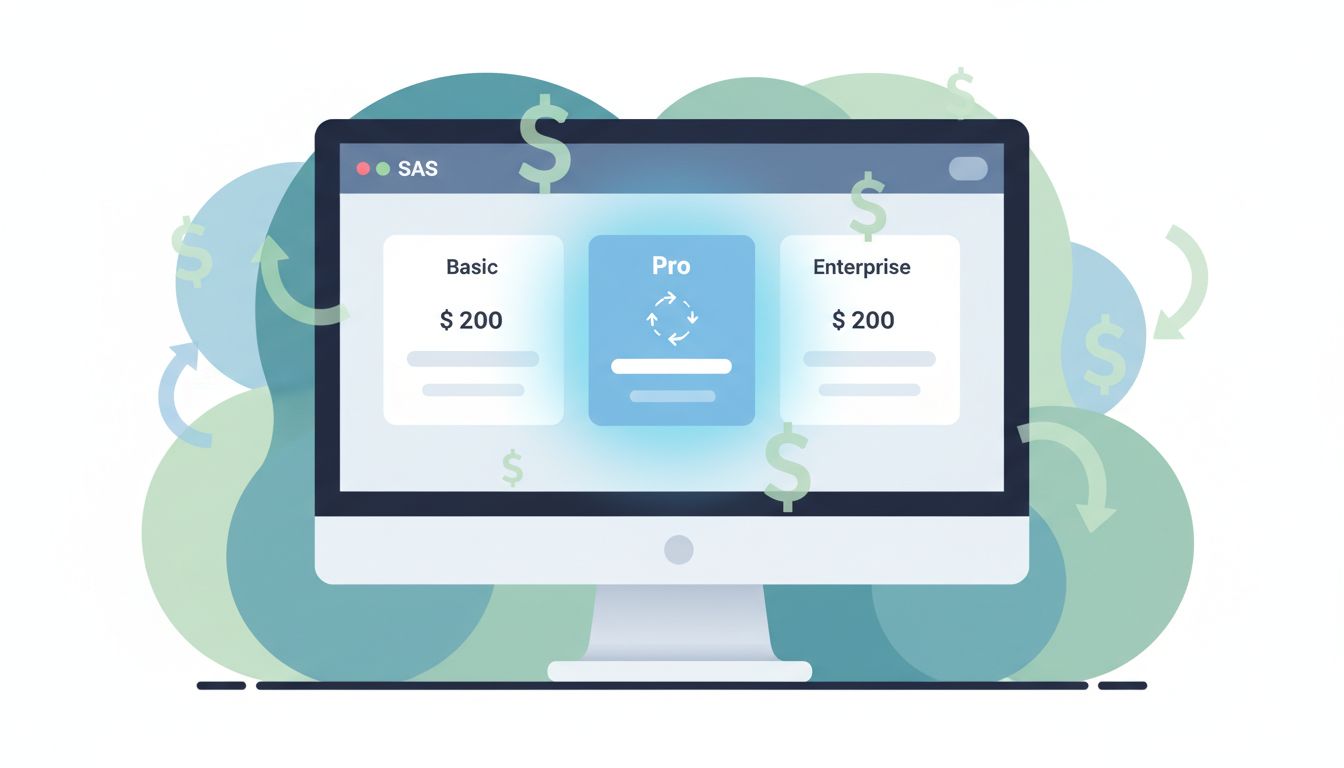
The lowest subscription tier at most SaaS companies isn't designed to make money. It's designed to do something far more valuable.
Planned obsolescence in software isn't a conspiracy. It's a carefully engineered revenue strategy hiding inside your update notifications.
The real reason most digital transformations collapse has nothing to do with technology. It never did.
The best version of software you'll ever use is often the one labeled 'not ready yet.' That's not an accident.
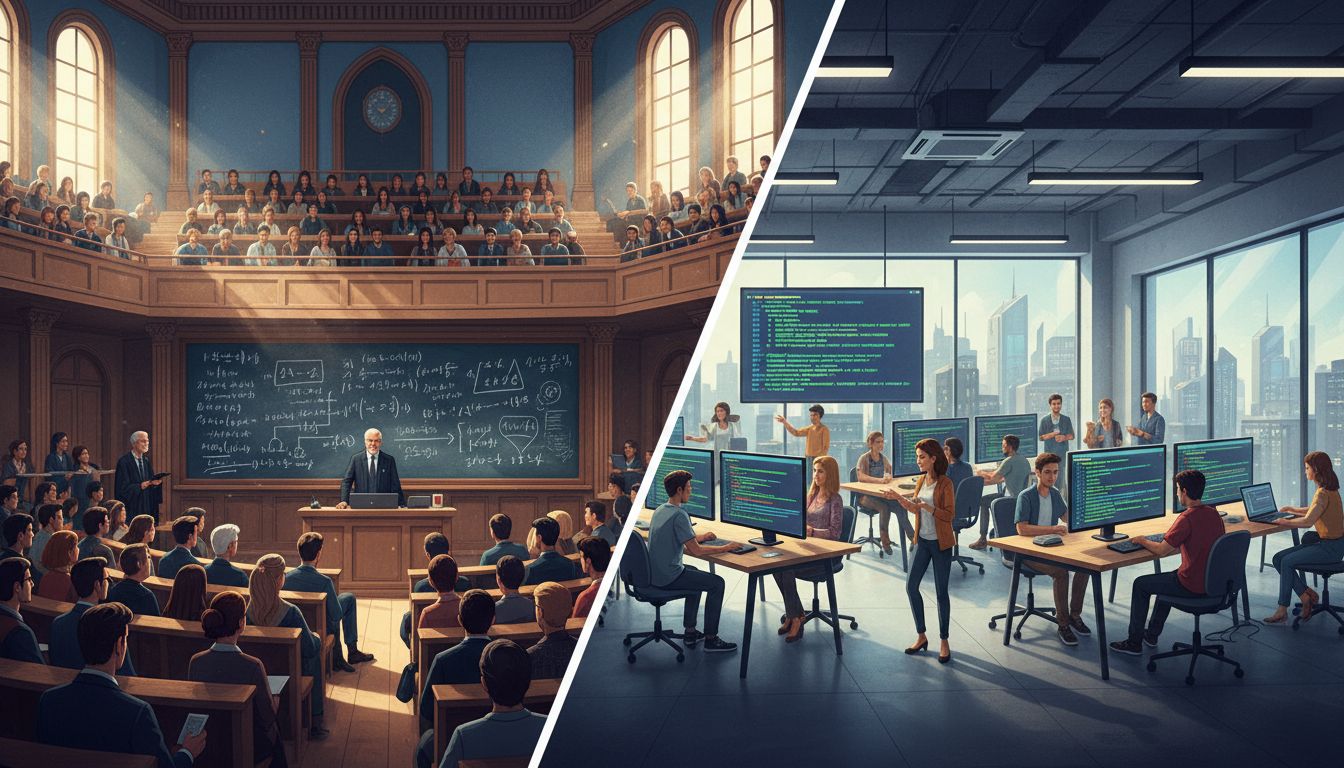
Bootcamps don't teach better code. They teach better hiring. The distinction explains everything about why CS grads keep losing.
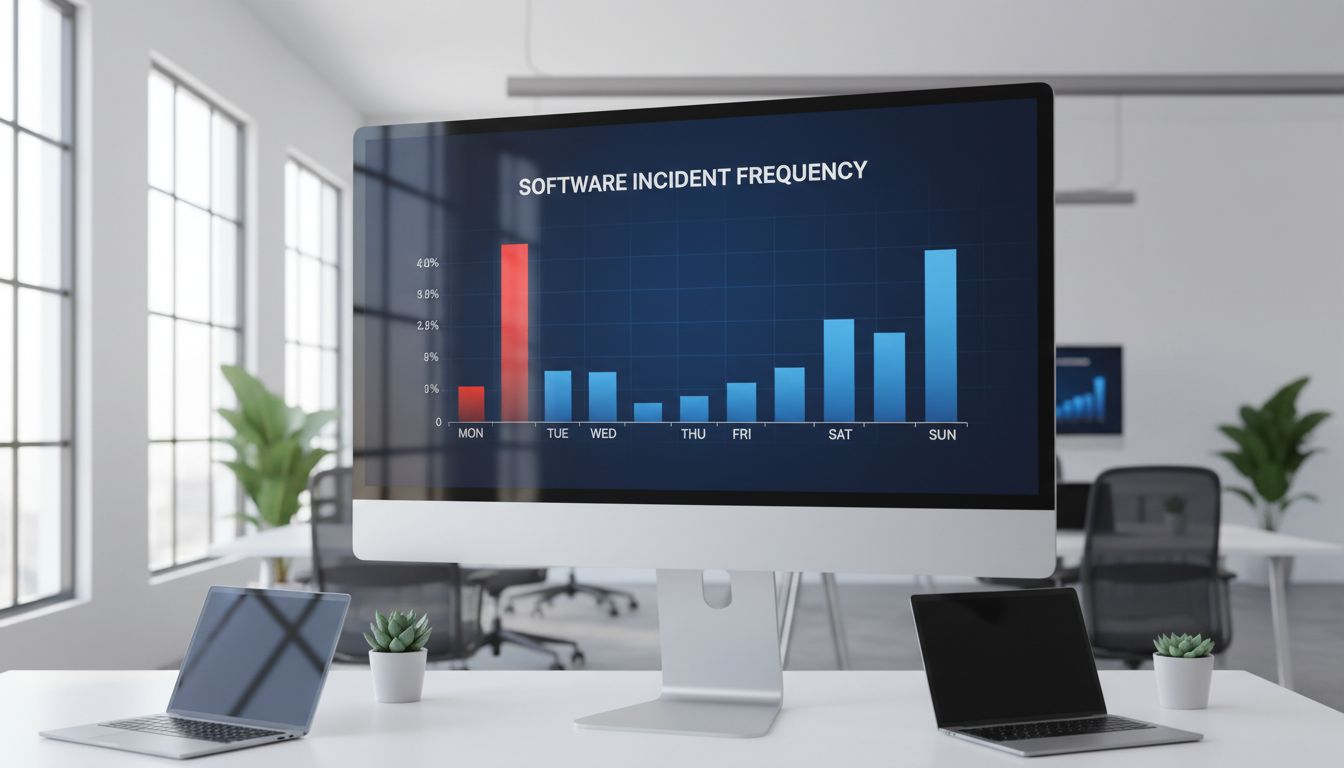
The Monday crash pattern is real, measurable, and almost entirely caused by human systems, not technical ones. Here's the economics behind it.
The conventional wisdom has the causality backwards. Here's what's actually driving both tech compensation and urban housing costs simultaneously.
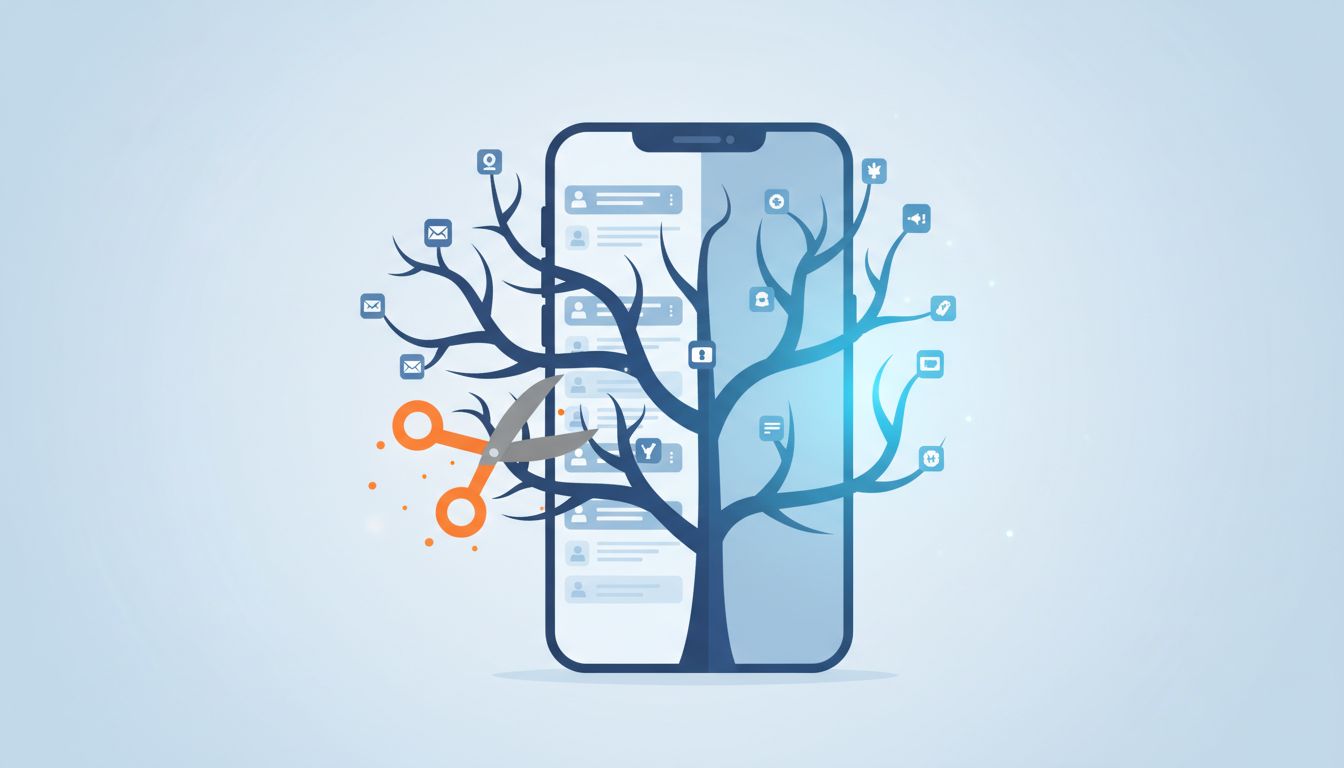
When a popular app strips out features users loved, it looks like a mistake. It rarely is. Here's the cold economic logic behind deliberate subtraction.
The graveyard of promising startups swallowed by Google, Meta, and Microsoft reveals a pattern that has nothing to do with incompetence.
Subscriptions aren't just a pricing change. They're a fundamental restructuring of who owns the relationship between software and user.
Paying a $400K engineer to write a three-line script sounds absurd. It's actually one of tech's smartest competitive moves.
Passive sensors, machine learning, and years of behavioral data mean your phone may detect illness before your body sends you a single symptom.
The economics of 'free' software are counterintuitive and brutal. Building an app that charges nothing up front costs far more than one that doesn't.
Why Apple chose Space Gray over silver, and how color choices worth billions happen in windowless conference rooms.
Join thousands of readers who get our weekly breakdown of the most important stories in technology.
Free forever. Unsubscribe anytime.