
Tech Economics
The Cheapest Cloud Option Almost Never Is
A mid-size SaaS company picked the lowest sticker price and spent the next 18 months paying for it. The real cost was never on the pricing page.

Marcus Webb covers Big Tech strategy and platform economics. A veteran technology journalist with over 15 years of experience, Marcus specializes in explaining the competitive dynamics and strategic thinking behind the moves of the world's largest technology companies.
A mid-size SaaS company picked the lowest sticker price and spent the next 18 months paying for it. The real cost was never on the pricing page.

Picking the almost-cheapest cloud tier feels prudent. It isn't. The real costs accumulate in the gap between what you chose and what you actually needed.
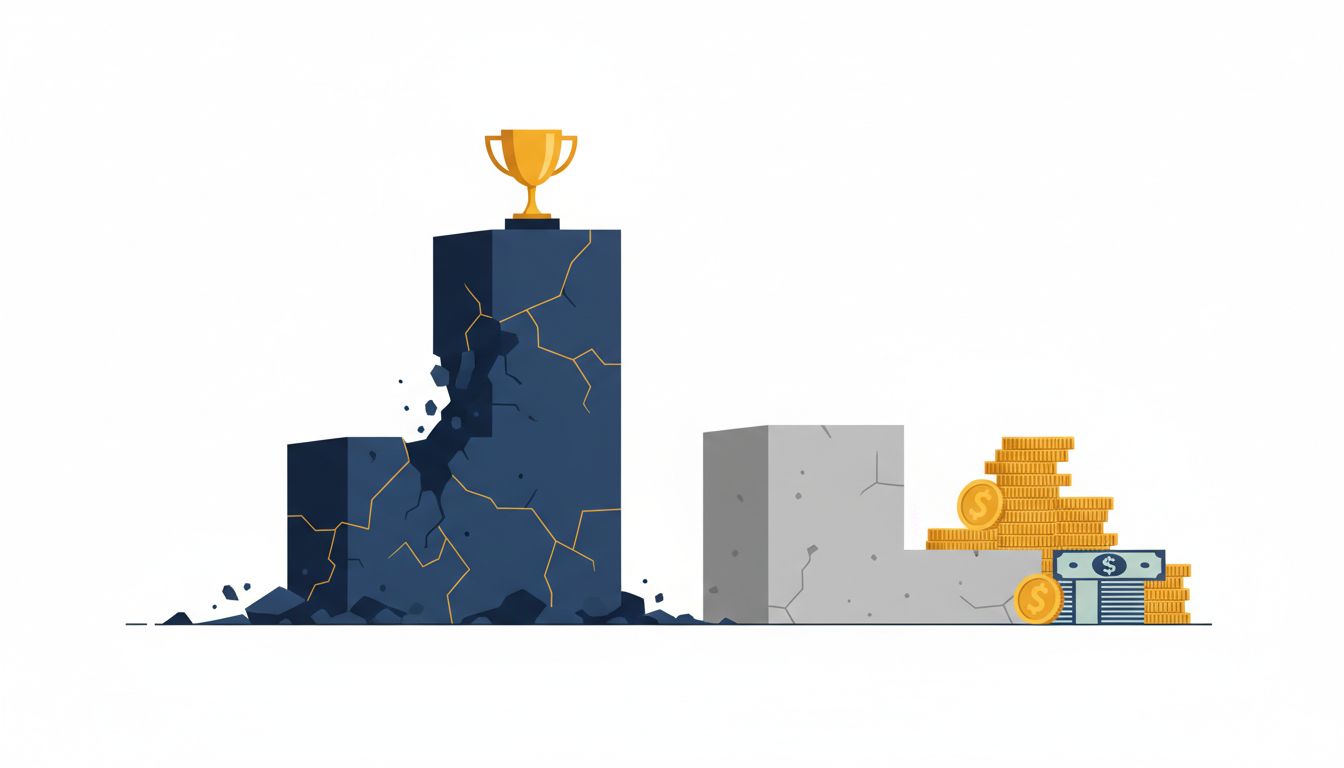
AMD spent years as Intel's underdog. Then it figured out that second place, managed correctly, is a more profitable position than first.
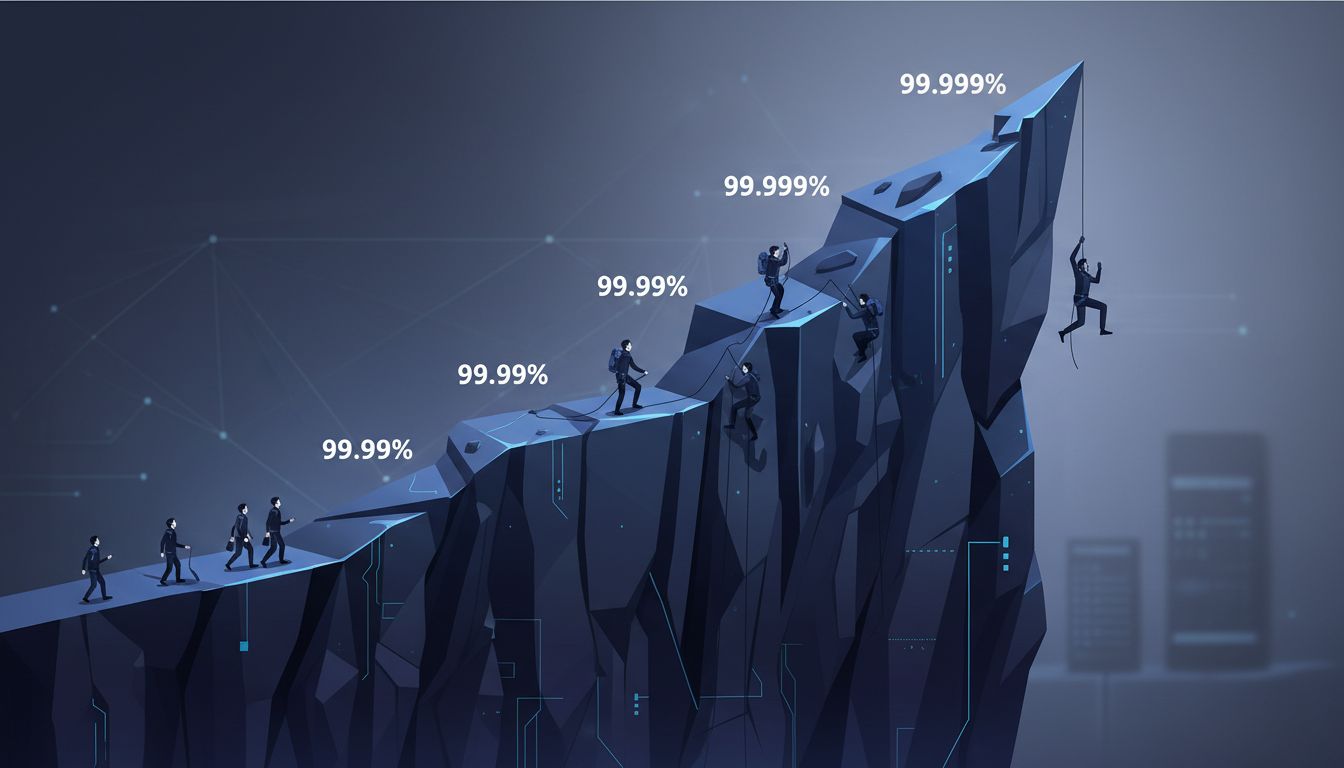
99.999% availability sounds like a feature. It's actually a financial commitment that can dwarf the cost of the software it's protecting.

Market leaders carry burdens that #2 companies never have to bear. That asymmetry quietly determines who actually makes money.
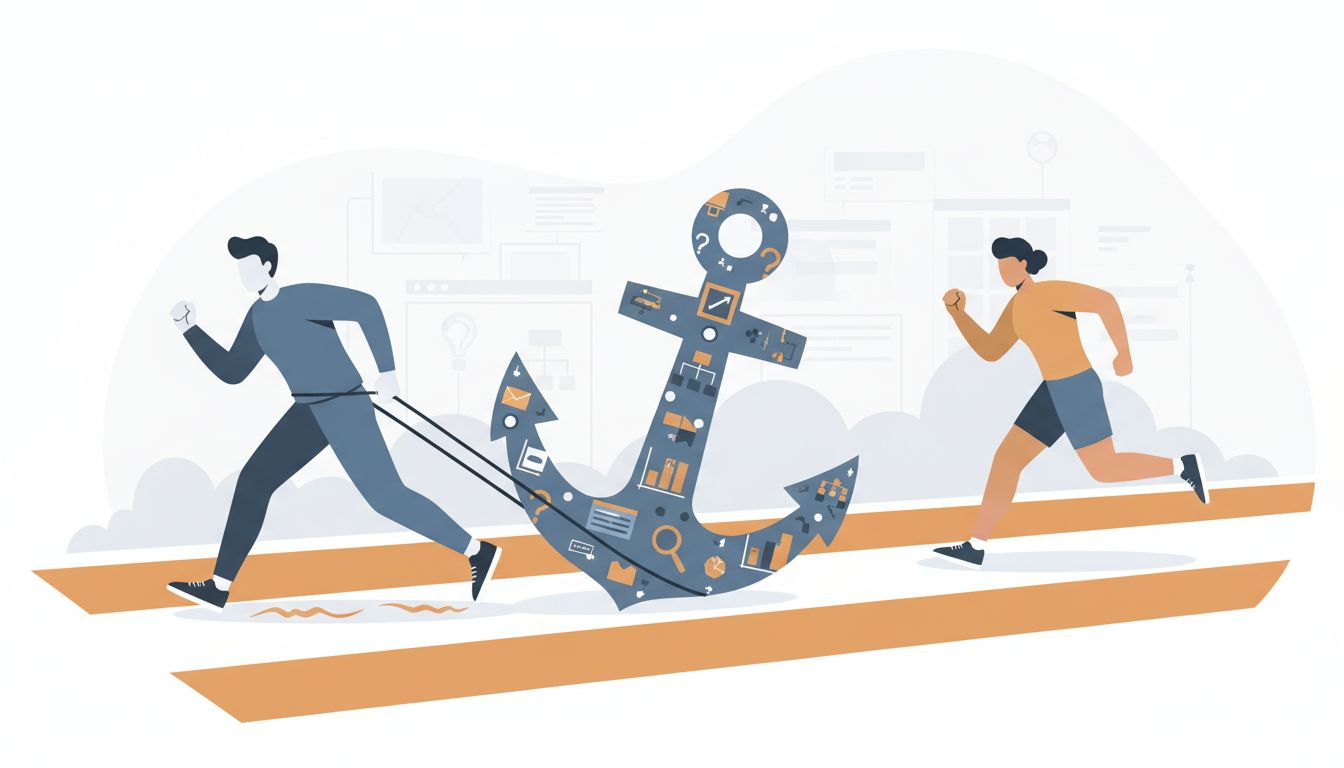
Being first to market with the best product is a trap. The companies that profit most from a new market are rarely the ones who built it.
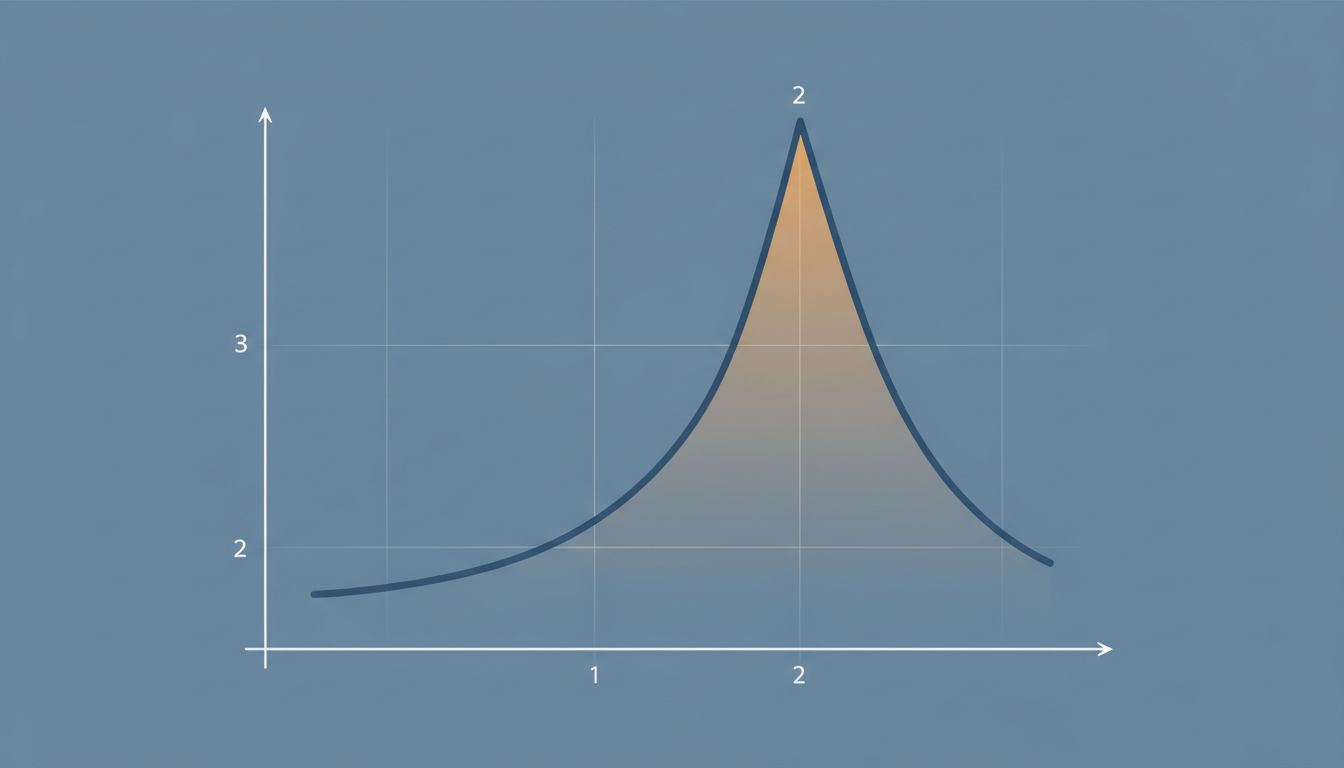
Winning a tech market is expensive. The company that finishes second often gets the economics without the burden.

Your for loop looks like three lines of code. Inside the CPU, it's a cascade of predictions, pipeline stages, and memory fetches happening in parallel.

Routers face packet collisions millions of times per second. The solution is older, simpler, and more elegant than most engineers realize.

A column deletion looks like cleanup. It can behave like a controlled demolition that nobody planned for.
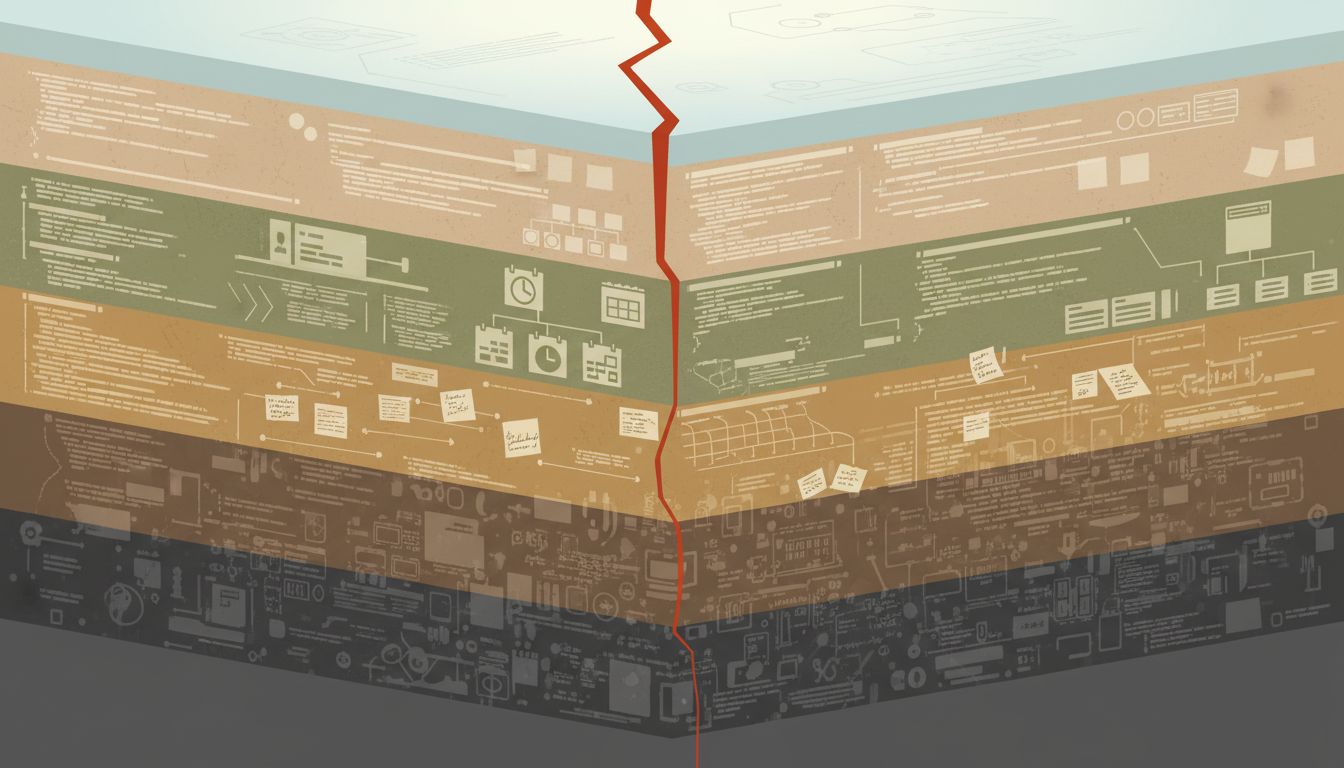
Software bugs don't appear randomly. They're fossils of past decisions, pressures, and constraints that the person removing them almost never witnessed.

When a single dependency owns a critical function in your stack, its vendor doesn't compete on price anymore. They negotiate on necessity.

The most damaging software problems never make it into any tracker. They exist in a blind spot created by the systems engineers build to find them.

Microsoft Money was profitable, well-reviewed, and steadily growing. Then Microsoft killed it. The story explains more about corporate strategy than any failure case ever could.

Price positioning in cloud computing is brutal and precise. Being second-cheapest is almost always the worst place to stand.

Adding features is how teams show progress. Removing them is how teams show judgment. The second one is much harder.

The code that's easiest to understand is also the easiest to throw away. That's not a bug in the philosophy. It's the whole point.

Market share and profit margin move in opposite directions. The runner-up position isn't a consolation prize — it's often the most strategically enviable seat in the house.
Join thousands of readers who get our weekly breakdown of the most important stories in technology.
Free forever. Unsubscribe anytime.