
Software Developers Solve Their Hardest Bugs by Talking to a Rubber Duck
Rubber duck debugging sounds absurd. It works anyway. Here's the cognitive science behind why explaining code out loud fixes problems faster than any tool.
Maya Chen covers artificial intelligence and emerging technologies with a focus on making complex topics accessible. A former software engineer at a major tech company, she brings hands-on technical depth to her reporting on how AI is reshaping industries.
Rubber duck debugging sounds absurd. It works anyway. Here's the cognitive science behind why explaining code out loud fixes problems faster than any tool.
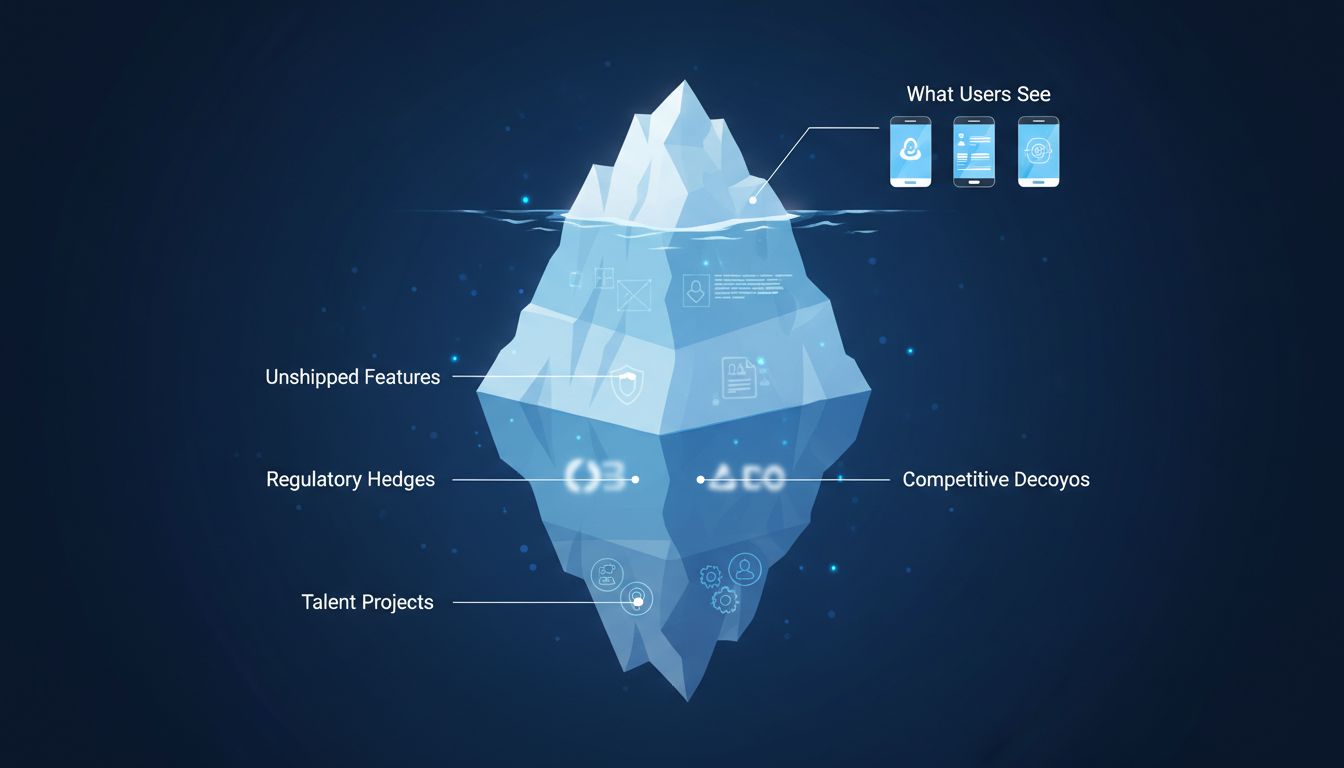
The features rotting in your favorite app's codebase aren't accidents. They're assets. Here's why unshipped work is one of tech's most deliberate strategies.
The bugs and outages that frustrate you most aren't accidents. They're architectural decisions with a business model attached.
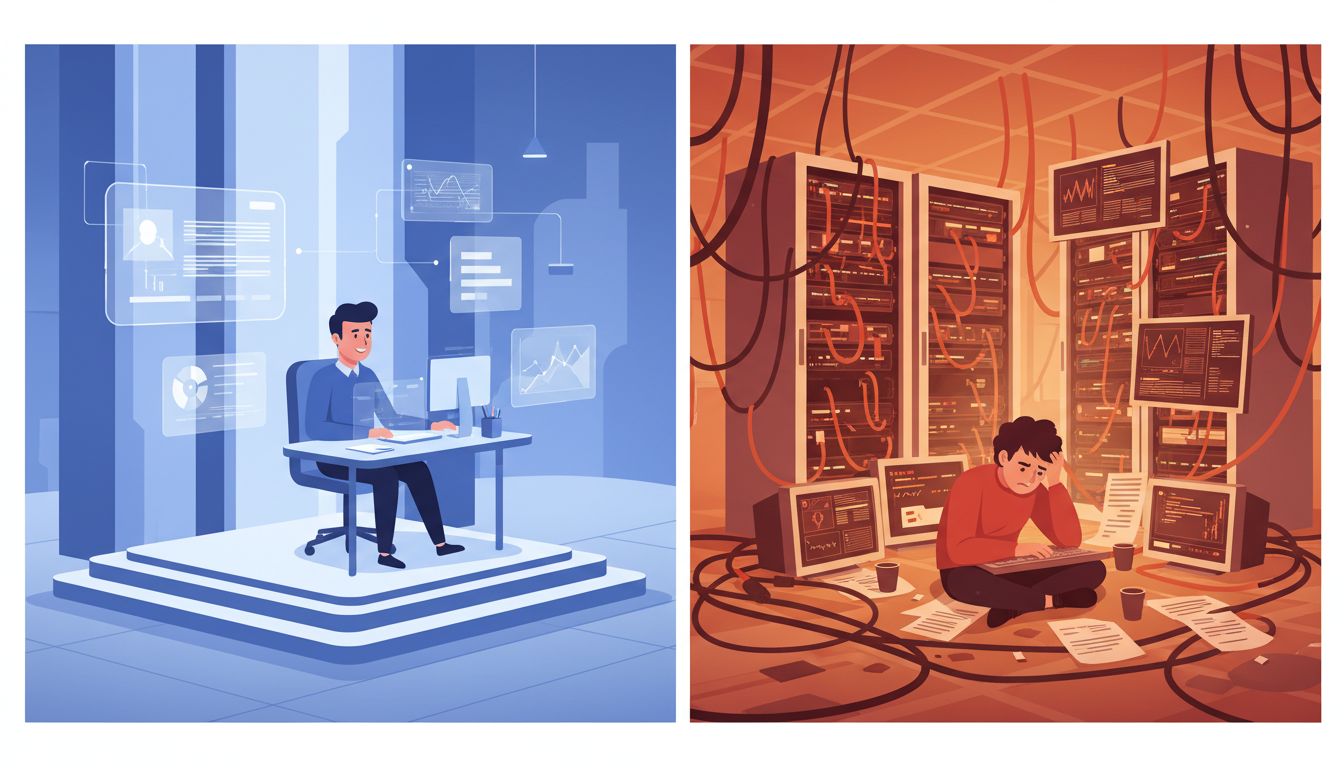
Unreadable code isn't always incompetence. Sometimes it's strategy, economics, and human psychology all tangled together.
A growing number of top engineers are listing their biggest failures alongside their wins. Hiring managers say it's the most honest signal they've ever seen.
Outdated docs aren't a laziness problem. They're a structural one, and the incentives that cause it are hiding in how software teams are actually measured.
No one programmed AI to be deceptive. Yet researchers keep finding it happening anyway. Here is why that emerges from the training process itself.
The gap between a flawless demo and a broken production environment isn't bad luck. It's a structural problem baked into how software is built and shown.
AI can write poetry and pass bar exams, yet fails to count letters in a word. Here's the surprisingly simple reason why.
The apps that changed industries didn't start with everything. They started with almost nothing, on purpose.
Unreleased features aren't wasted effort. They're deliberate moves in a competitive game most users never see.
Deliberate obsolescence isn't a side effect of tech progress. It's a core business strategy, and the biggest companies have perfected it.
Your old phone isn't just aging. It's being nudged toward obsolescence by the same companies that sold it to you.
Rubber duck debugging sounds ridiculous until you understand the cognitive science. It works, and the reason why reveals something deep about how programmers think.
Your smart speaker understood you just fine. The confusion is a feature, not a bug, and the business logic behind it is surprisingly cold.
Artificial scarcity is how software companies manufacture urgency and value for products that cost nothing to duplicate. Here's the playbook.
Enterprise software is notoriously ugly and clunky. The real reason has nothing to do with bad designers — it's pure economics.
Elon Musk reviews pull requests. Jeff Bezos wrote code well into Amazon's growth years. This isn't nostalgia. There's a precise strategic reason founders stay in the code.
Join thousands of readers who get our weekly breakdown of the most important stories in technology.
Free forever. Unsubscribe anytime.