
Why a 2009 ThinkPad Running Linux Feels Faster Than Your Brand New Laptop
It's not nostalgia. The hardware hasn't improved. The software around it has quietly gotten heavier in ways that raw specs don't capture.
Maya Chen covers artificial intelligence and emerging technologies with a focus on making complex topics accessible. A former software engineer at a major tech company, she brings hands-on technical depth to her reporting on how AI is reshaping industries.
It's not nostalgia. The hardware hasn't improved. The software around it has quietly gotten heavier in ways that raw specs don't capture.
Tech companies run thousands of experiments on users every day. The uncomfortable truth is that 'better' usually means 'more profitable,' not 'more useful.'
Feeding an AI model more data doesn't always improve it. Sometimes it actively degrades performance. Here's why that's not a bug but a structural property of how these systems work.
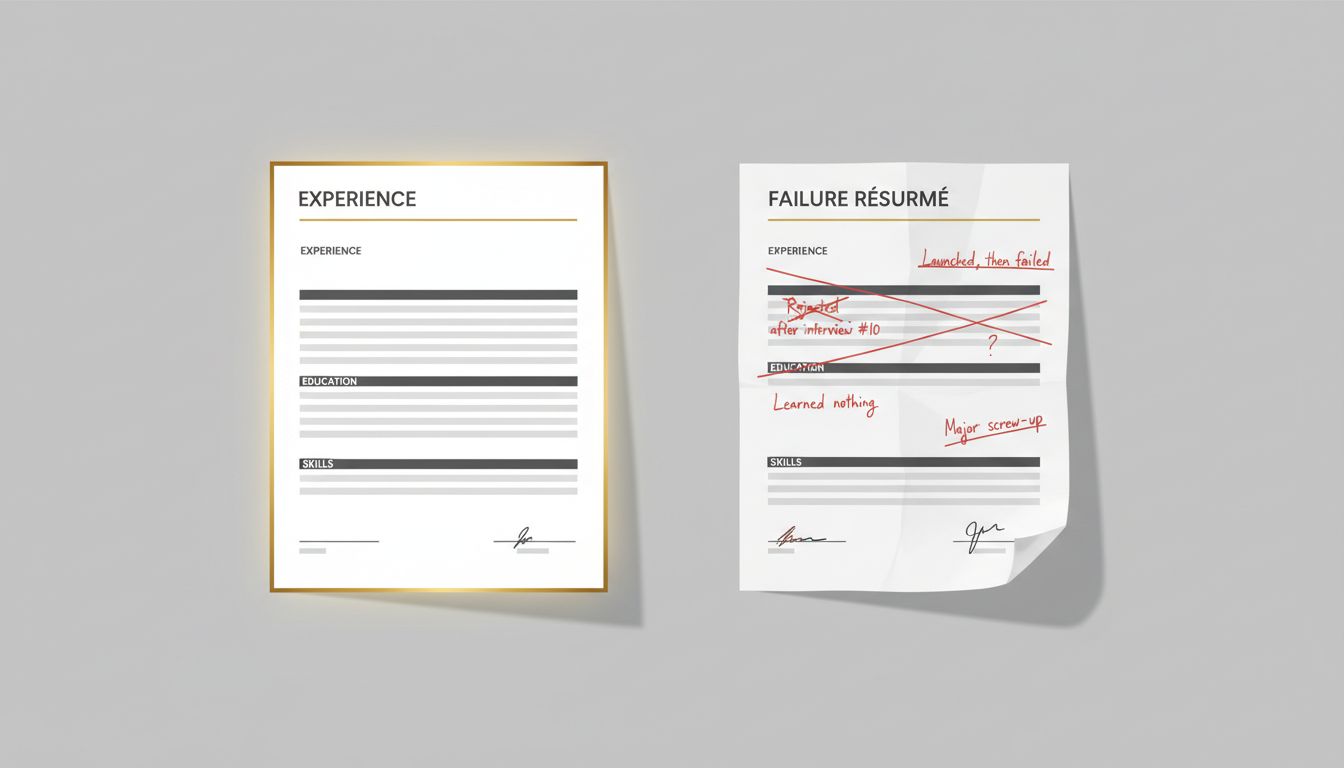
Some of the most selective tech companies now ask candidates to document their biggest failures. Here's why the practice works, and what it actually reveals.
The physical location of cloud servers isn't just about latency. It's a real-time economic sensor grid that predicts market shifts weeks in advance.
The best developers don't comment code for their colleagues. They comment it for a future version of themselves, and that distinction changes everything.
A confusing API isn't an accident. It's often a calculated filter designed to attract exactly the right developers and lock them in for good.
Millions of dollars in engineering time goes into software features users will never see. The reasons are more strategic than you'd think.
Designed obsolescence in software is more deliberate than you think, and the business logic behind it is hiding in plain sight.
The 10x developer myth is mostly fiction. But the engineers who study it carefully are extracting something real and useful from it.
Adding more engineers should mean fewer bugs. Instead, bug counts climb. The reason has nothing to do with skill and everything to do with math.
Dark launches let tech giants run live experiments on massive user bases silently. Here's exactly how it works and why you've already been a test subject.
The real cost of a bug isn't the fix itself. It's everything that has to stop, reverse, and restart around it.
The best tech leaders deliberately make their most important meetings as dull as possible. The reason reveals a lot about how good decisions actually get made.
Shipping broken software isn't incompetence. For many tech companies, it's a carefully calculated strategy with measurable returns.
AI benchmarks are supposed to measure intelligence. Instead, they might be measuring something much stranger — and more concerning.
Defensive coding isn't paranoia. It's the invisible architecture that separates software that survives from software that collapses.
The features that make power users loyal are often invisible to beginners. That's not an accident — it's a calculated onboarding strategy worth billions.
Join thousands of readers who get our weekly breakdown of the most important stories in technology.
Free forever. Unsubscribe anytime.