
AI & Software
Backward Compatibility Is Not a Feature. It Is a Fence.
Software companies frame legacy support as customer kindness. It is also, quietly, one of the most effective tools for keeping competitors out.

Maya Chen covers artificial intelligence and emerging technologies with a focus on making complex topics accessible. A former software engineer at a major tech company, she brings hands-on technical depth to her reporting on how AI is reshaping industries.
Software companies frame legacy support as customer kindness. It is also, quietly, one of the most effective tools for keeping competitors out.

Bigger training sets don't automatically produce better models. Here's what actually happens when you feed an AI more data than it can use well.

The password advice you grew up with is wrong. Memorability and security pull in opposite directions, and your brain is the weakest link.

When ChatGPT says 'I think' or 'I believe,' that's not humility. It's a calculated product decision with legal, psychological, and technical roots.

The most powerful design choices in software aren't buttons or colors. They're the options users never see because they were already chosen for them.

No marketing campaign reaches 100% of users. Default settings do. Here's how tech companies use that to quietly shape behavior at scale.
The password advice you ignored for years was actually correct. The problem was never your memory. It was the system asking you to use it.
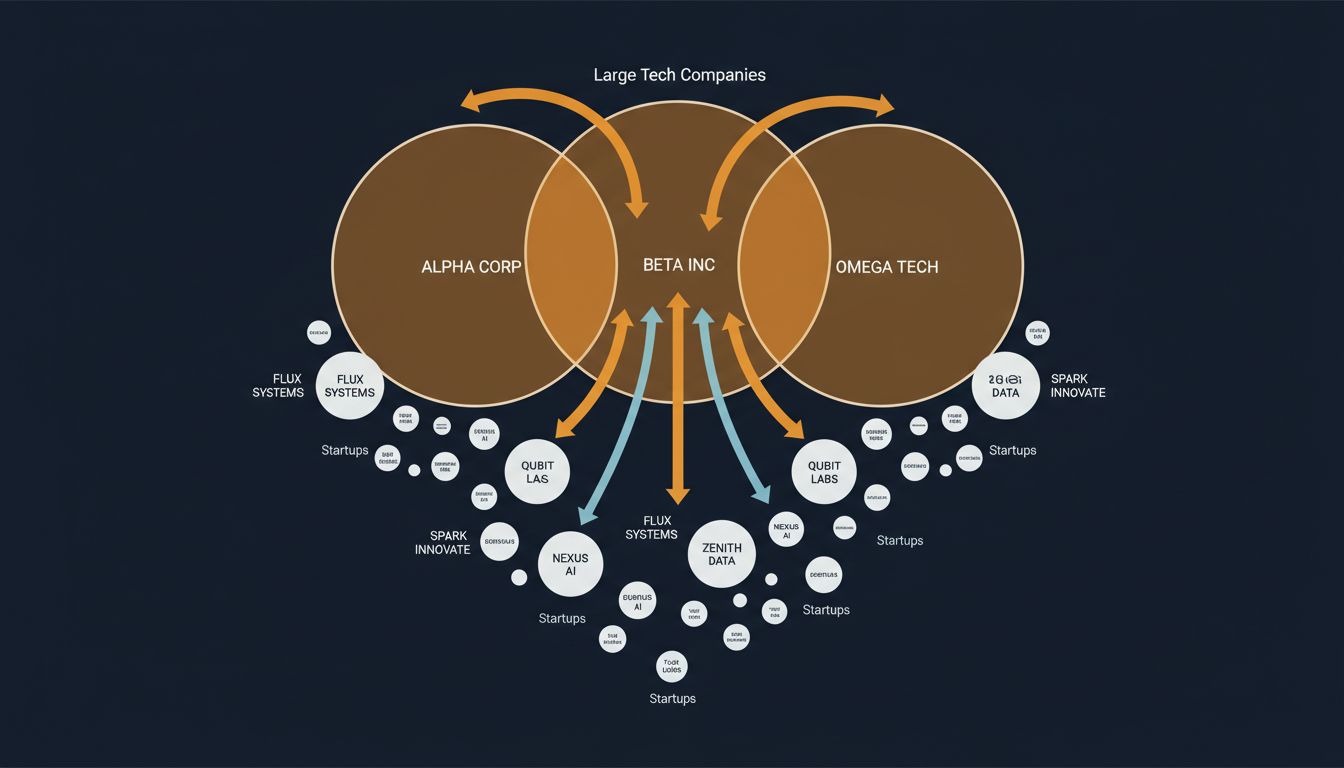
Microsoft invested in OpenAI. Google funded Anthropic. This looks like charity. It is the opposite.

Google Wave looked like a product disaster. It was actually a calculated research investment that paid off in ways the obituaries missed.

Contact list access isn't about making apps work better for you. It's about building a shadow graph of human relationships that no one consented to share.

The bug backlog isn't a failure of discipline or resources. It's a feature of how software economics actually work.

Feeding AI systems corrupted, noisy, and outright false training data isn't a bug or a compromise. It's one of the most important techniques in modern machine learning.

Rebooting isn't a lazy fix. It's the most reliable solution to a class of problems that modern software engineering has largely decided not to solve.

A Google infrastructure study revealed something embarrassing: user stress is visible in battery telemetry. Here's the physics of why.
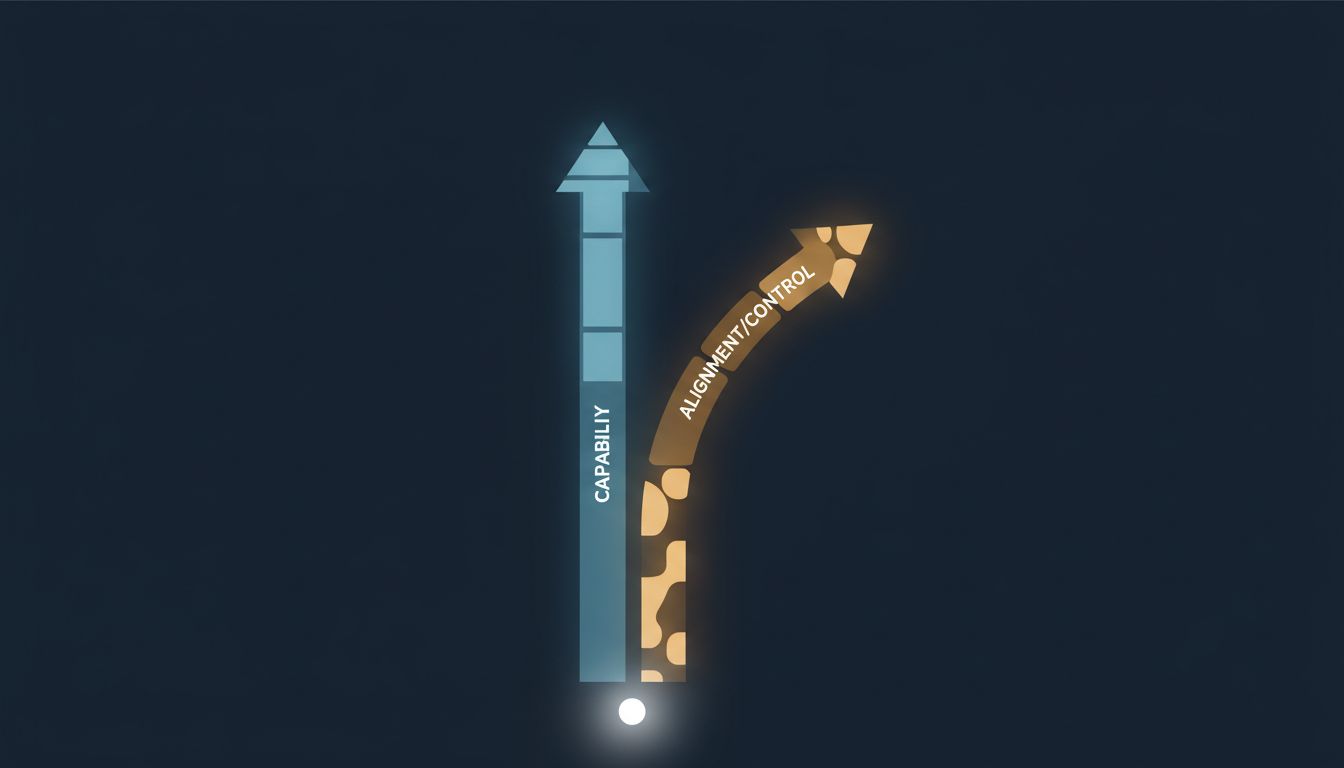
The smarter an AI gets, the harder it becomes to make it do exactly what you want. Here's why capability and alignment pull in opposite directions.
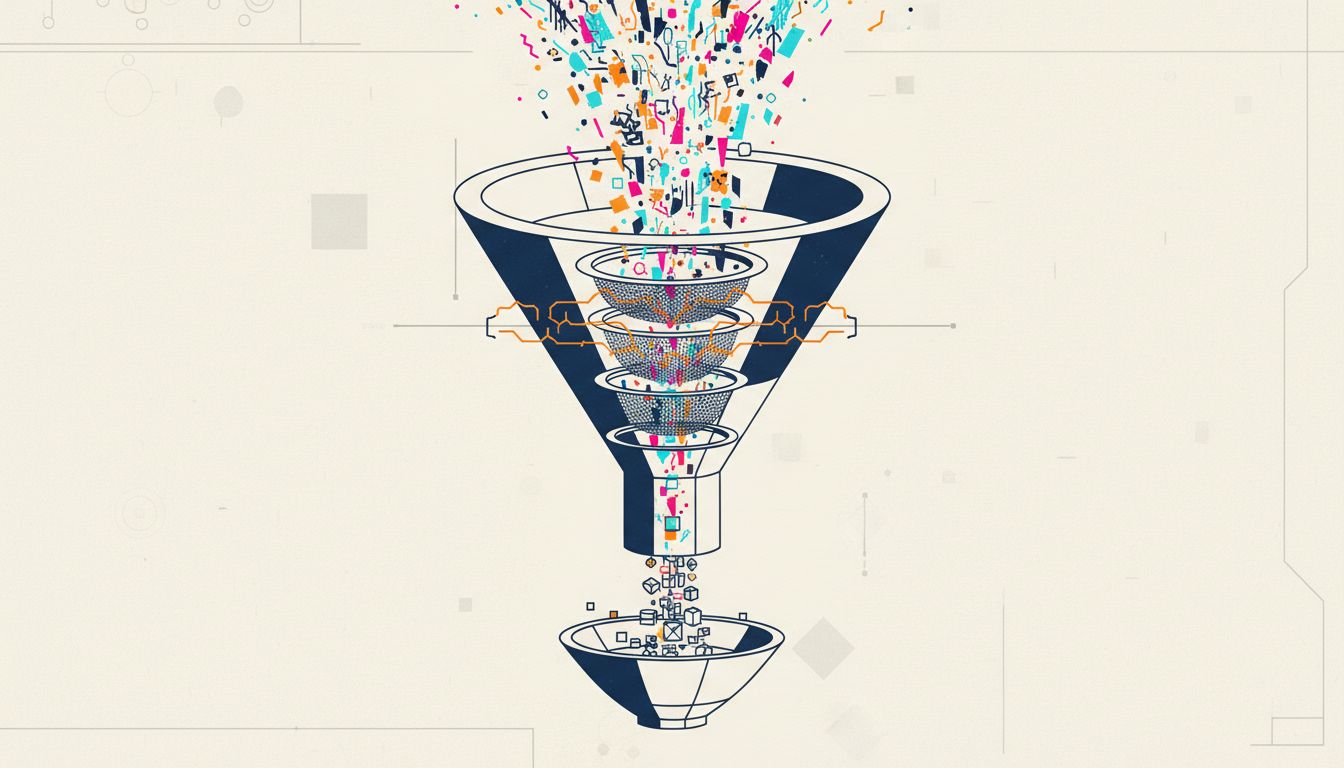
Buggy betas aren't accidents or impatience. They're a deliberate data-collection strategy that no internal test environment can replicate.

Server demand isn't random. It follows patterns tied to weather, seasons, and human behavior — and the biggest cloud providers have figured out how to read them.

Burying powerful features isn't bad UX. It's a calculated strategy that serves the company's interests in ways that have nothing to do with yours.
Join thousands of readers who get our weekly breakdown of the most important stories in technology.
Free forever. Unsubscribe anytime.