
Digital Productivity
The Ghost Meeting That Haunts Every Sprint
A software team at a mid-size SaaS company kept missing sprints. The bottleneck wasn't technical. It was a recurring meeting nobody had permission to cancel.

Priya Sharma is a productivity expert and technology writer who helps people work smarter with the tools they already have. A former product manager, she understands both the design thinking behind digital tools and the real-world workflows that make them useful.
A software team at a mid-size SaaS company kept missing sprints. The bottleneck wasn't technical. It was a recurring meeting nobody had permission to cancel.

A prompt that works perfectly today can silently break after a model update. Here's what happened to one team who found out the hard way, and how to build prompts that survive.
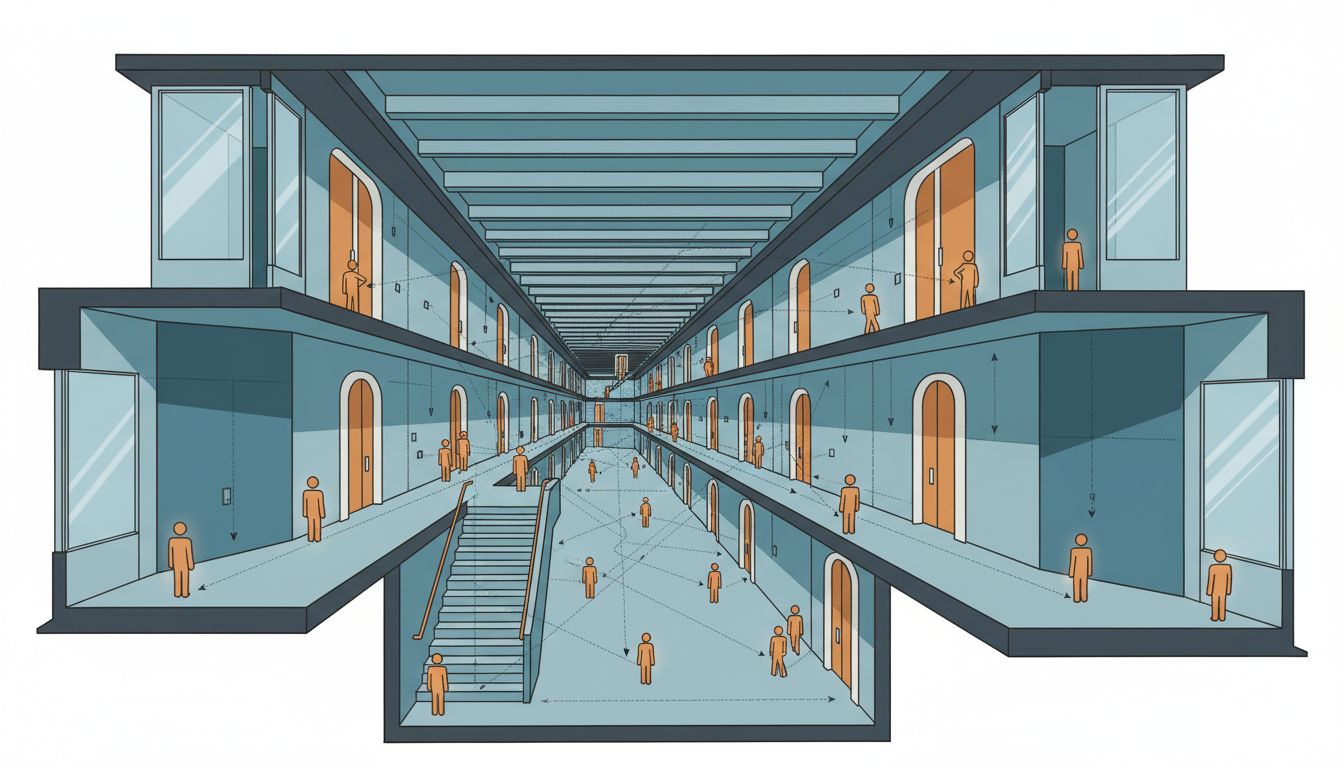
Bell Labs produced more transformative science than almost any institution in history. The secret wasn't scheduling focus time. It was something more structural.
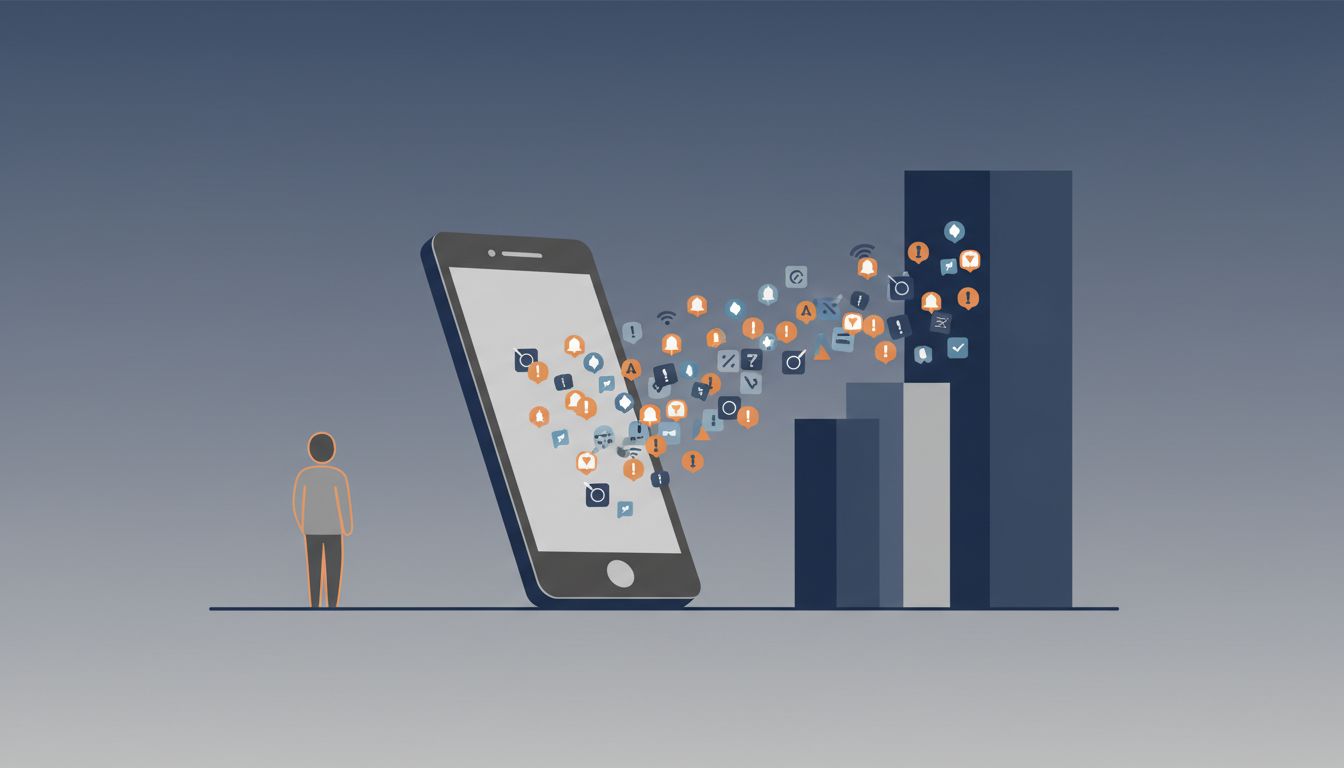
App developers optimize notifications to maximize engagement, not your focus. Here's what one company's internal audit revealed about who those defaults actually serve.
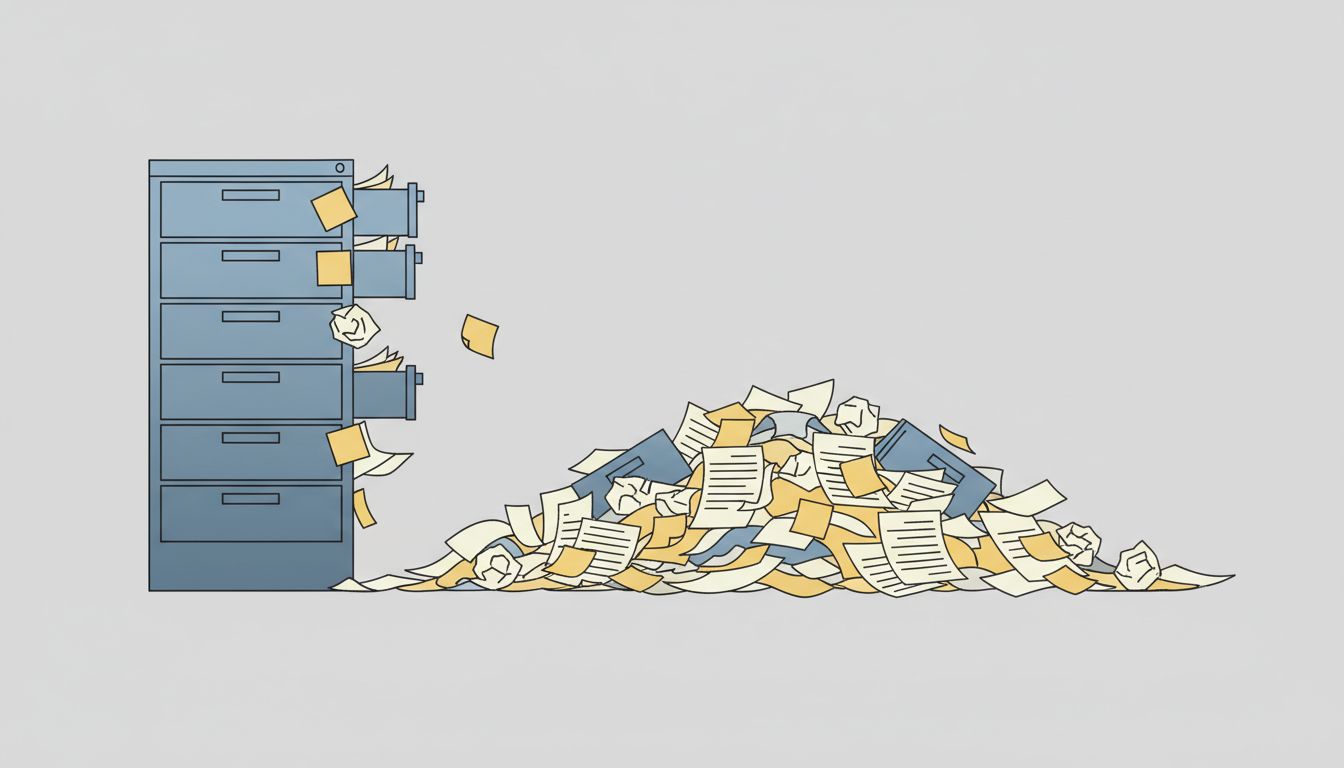
Most knowledge management systems fail for the same reason: they're built around capture, not retrieval. Here's what actually works.

Every time you switch tasks, you pay a cognitive tax. The research on how much you pay — and how long it lasts — is worse than most people realize.
Your favorite tool just got acquired. Here's how to read the signals, protect your workflow, and decide when to stay versus when to leave.

Tasks completed, hours logged, inbox at zero — these feel like productivity. They're often its opposite. Here's what to measure instead.
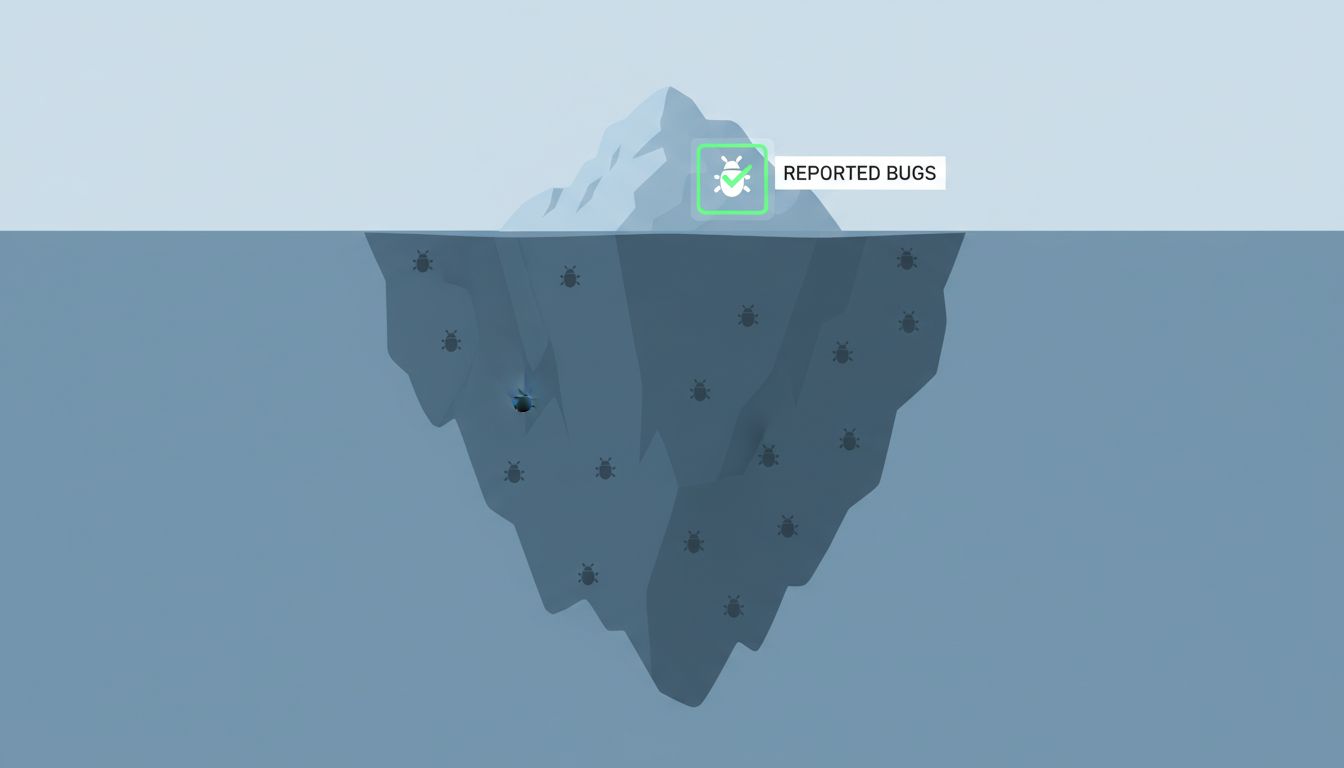
Most software bugs are never reported. They're silently absorbed by users who just stop doing the thing that broke. That silence is costing you more than you think.

You opened that document to write. Forty minutes later, you've answered six messages, skimmed a report, and started a new tab. Here's what's really happening.
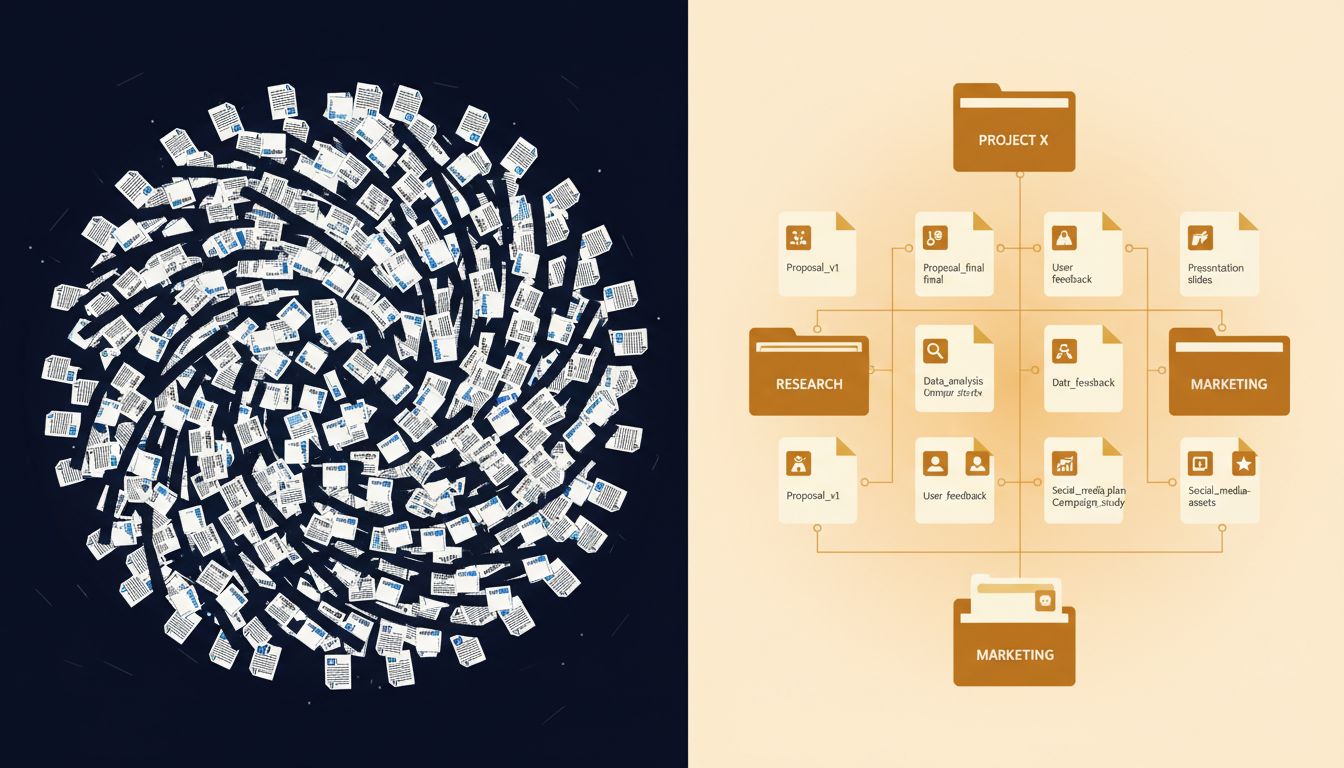
Your file naming habits aren't just an organizational quirk. They expose your mental model for how information works and whether future-you can find anything.
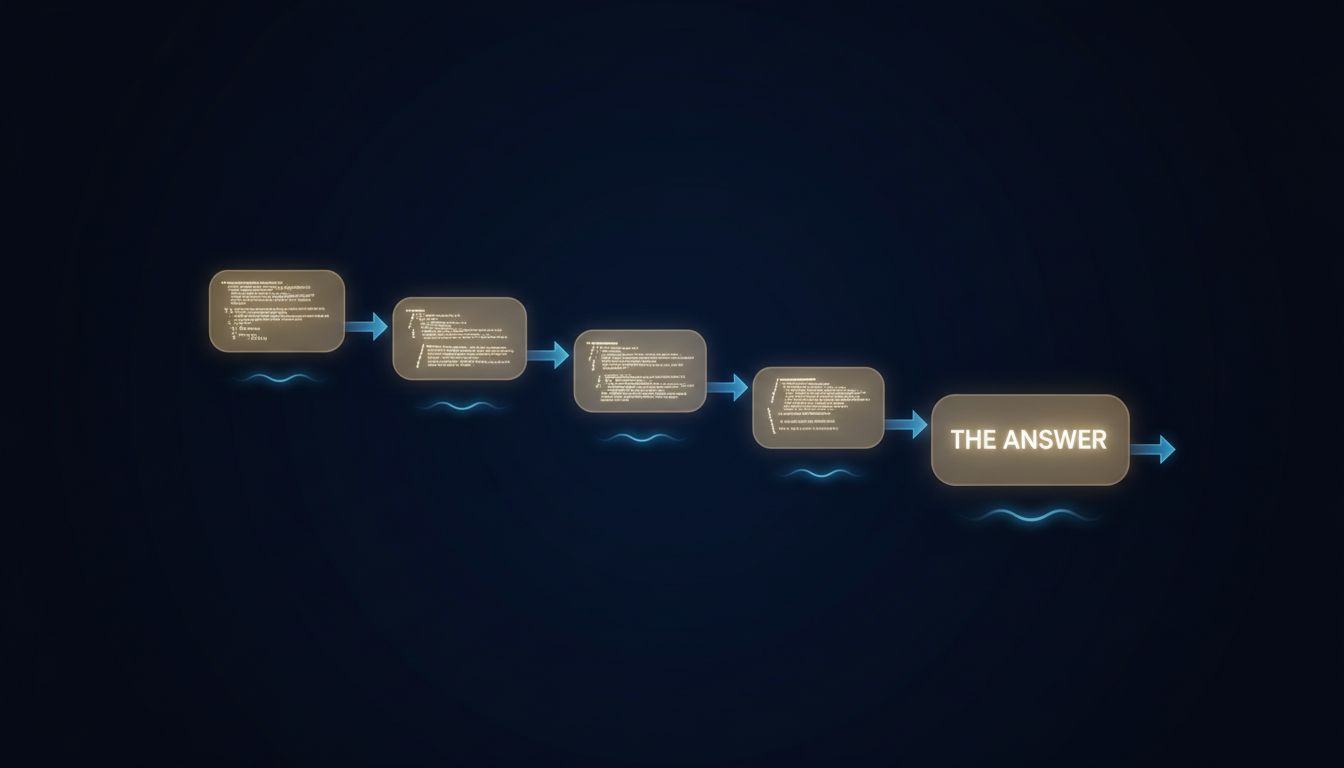
A look at what actually happens inside 'chain-of-thought' prompting, and why the answer matters for how you use these tools.

The person who knows how to talk to your AI model may matter more than the person who built it. Here's why that shift is already happening.

Your calendar isn't broken. You are. Here's why deep work keeps losing to shallow tasks, and how to stop letting it happen.
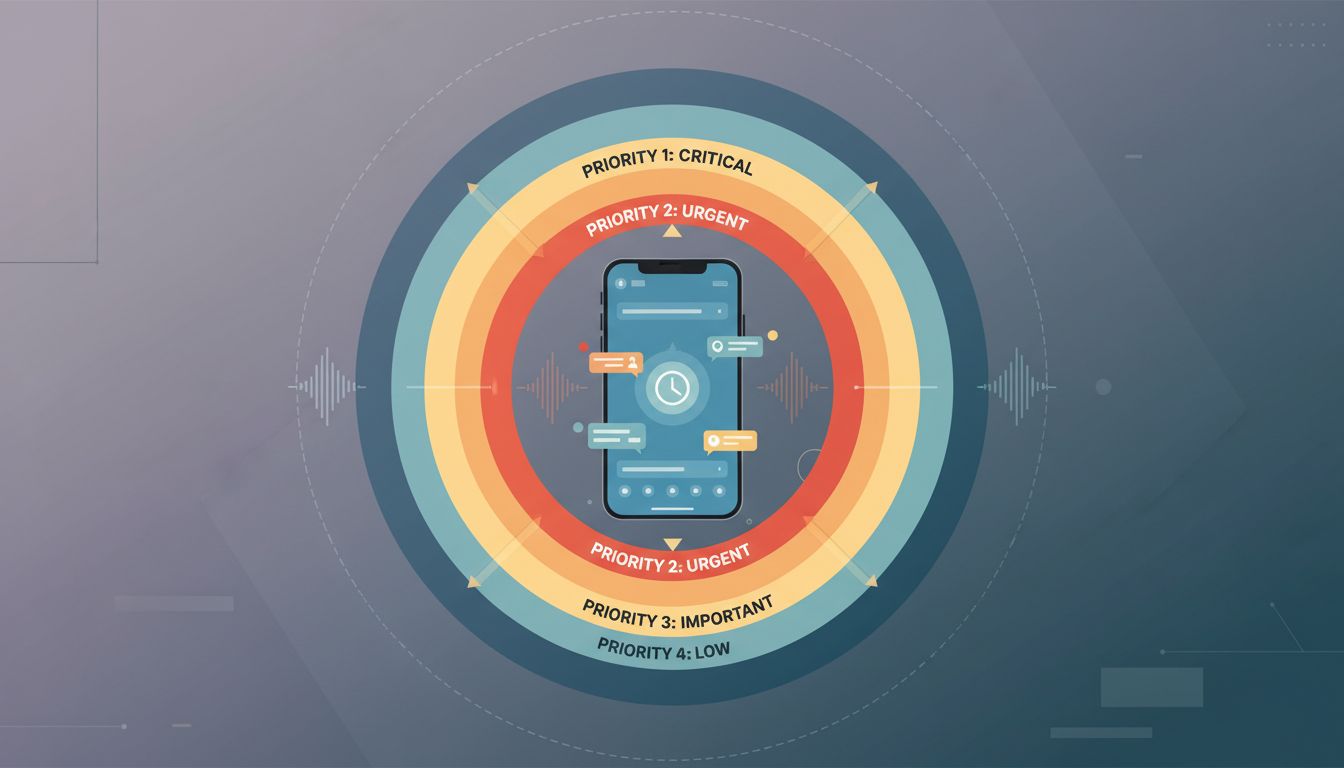
Notification systems were built by engagement teams with different goals than yours. Here's how to reclaim them.
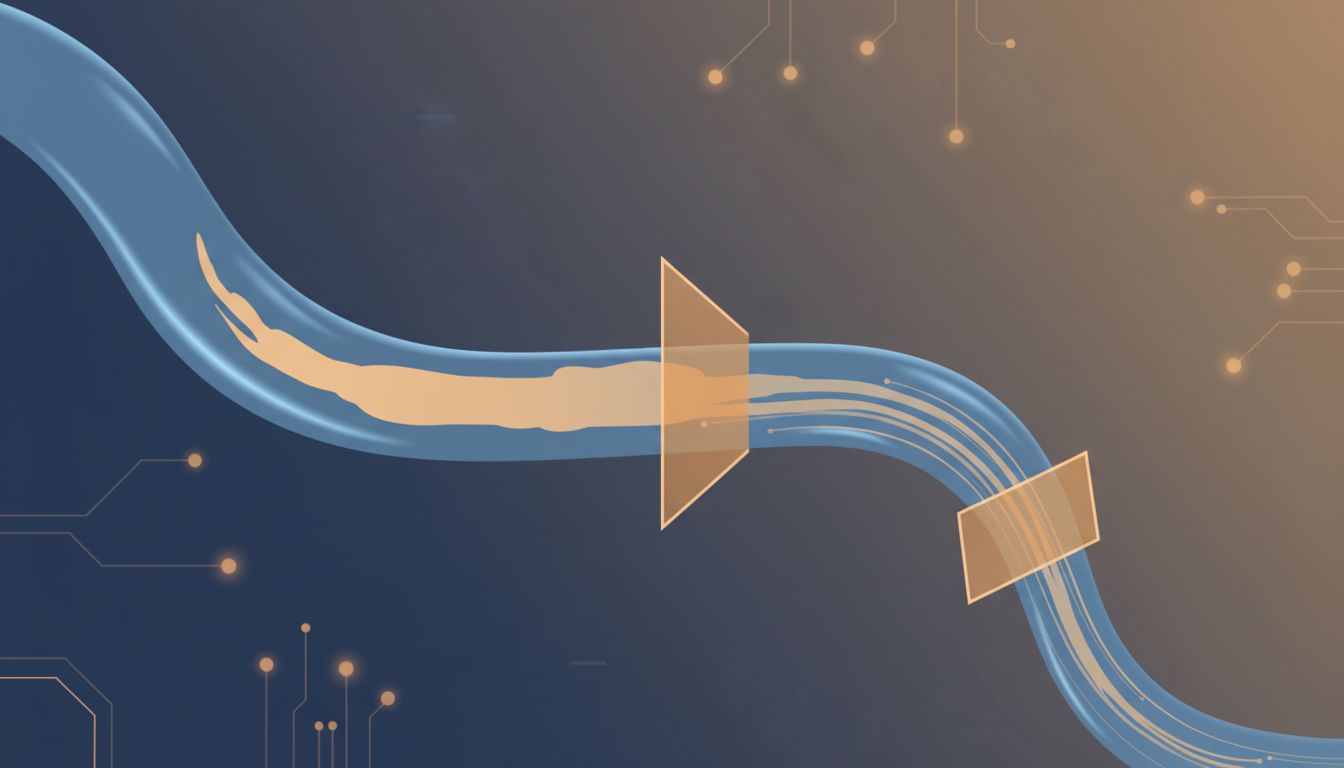
Task-switching feels efficient. Your brain experiences it as something closer to a small crash. Here's what's actually going on.
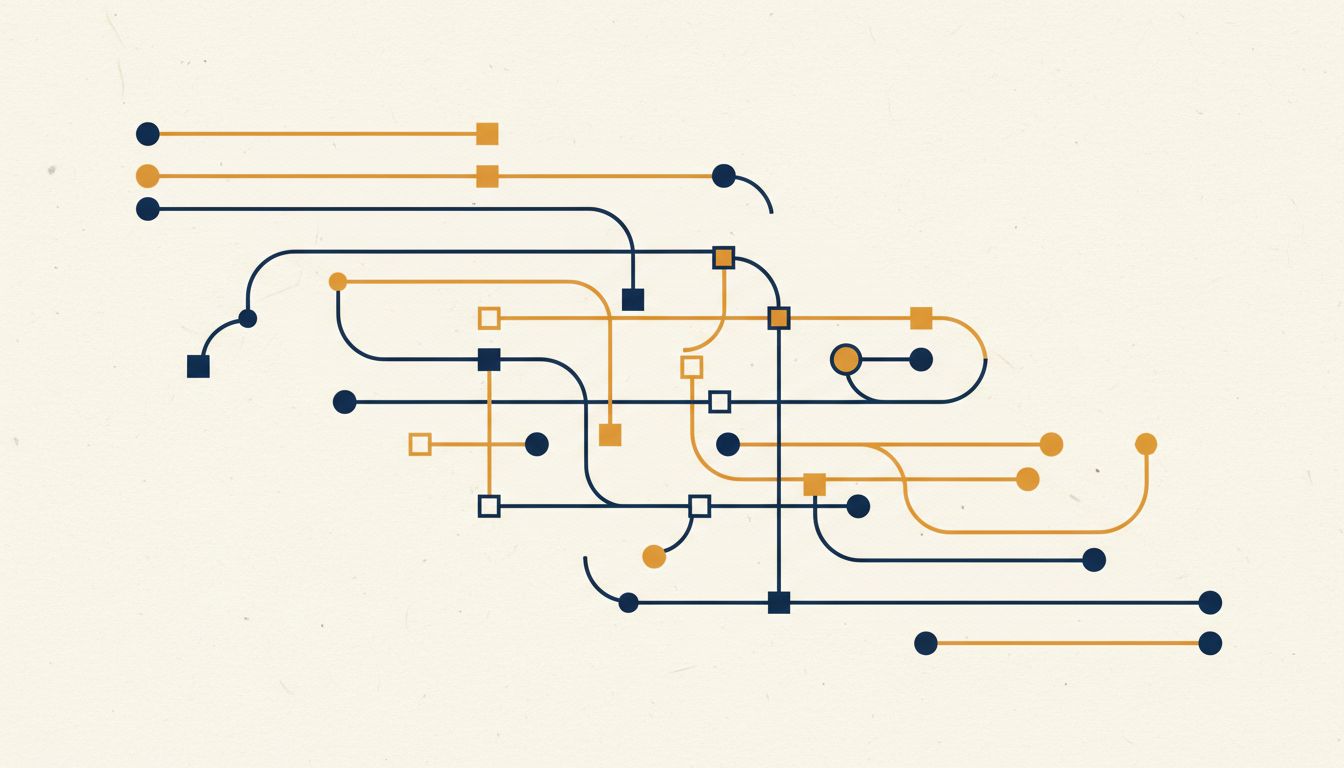
Git and its cousins do store your work, but that's the least interesting thing they do. Here's what version control is actually for.

A software team spent weeks feeding their model richer data and watched accuracy drop. Here's what went wrong and what it reveals about how LLMs actually process information.
Join thousands of readers who get our weekly breakdown of the most important stories in technology.
Free forever. Unsubscribe anytime.