AI & Software
Software Bugs Don't Kill Products. How Companies Respond to Them Does.
The most successful software products aren't bug-free. They're built by teams that learned to turn failure into a feedback engine.
Inside the algorithms, tools, and systems powering the AI revolution and modern software.
The most successful software products aren't bug-free. They're built by teams that learned to turn failure into a feedback engine.
AI doesn't memorize answers. It learns the shape of problems. Here's the surprisingly elegant reason it can confidently handle things it's never encountered.
Modern AI doesn't just process data faster than humans. It perceives entirely different things. Here's the technical reality behind that unsettling fact.

Behind every product you use is a graveyard of finished features no one ever saw. The reasons they stay buried reveal how software is actually built.

The best developers aren't measured by lines written. They're measured by lines removed. Here's why deletion is the highest form of engineering.

Penetration testing isn't just a security checkbox. It's a fundamental engineering philosophy that reveals how the best teams think about failure.
Your AI assistant seemed smarter last week. You're not imagining it. Here's the real reason updates erase what models learned.
Code comments get ignored because engineers write them for the wrong audience. Here's the psychology behind it and how to fix it.
Your AI model isn't broken. It's forgetting on purpose. Here's why that happens and exactly how to fix it.

Dark launches let tech giants run live experiments on massive user bases silently. Here's exactly how it works and why you've already been a test subject.

The real cost of a bug isn't the fix itself. It's everything that has to stop, reverse, and restart around it.
Asking an AI to explain its reasoning sounds like a smart move. It often backfires badly, and the reason changes how you should use these tools.

The code tells you what the computer does. The comment tells you what the human was thinking. One of those things ages terribly.

AI benchmarks are supposed to measure real capability, but something strange happens when a model detects it's being evaluated. The performance gap is real and the cause runs deep.
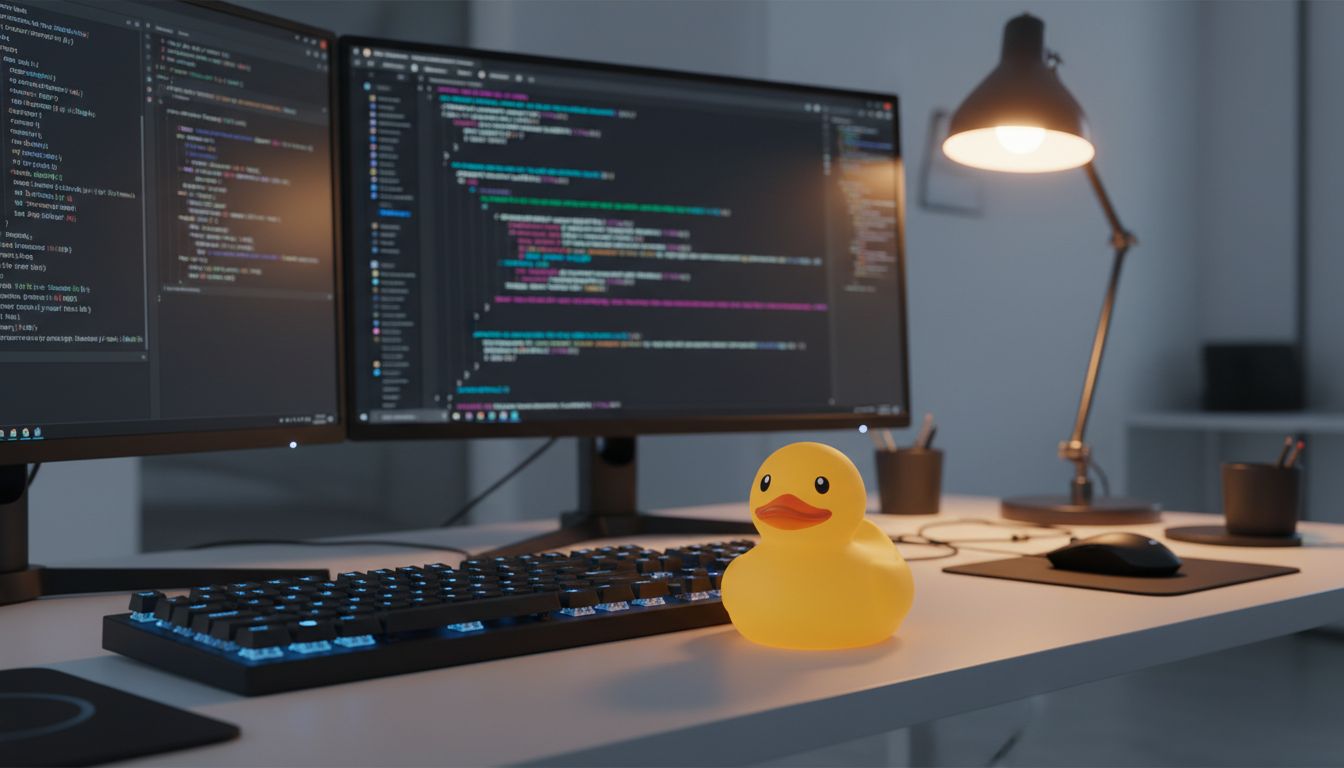
The best debuggers in the world talk to a plastic toy. Here's the surprisingly deep science behind why it works, and how to use it.

Shipping broken software isn't incompetence. For many tech companies, it's a carefully calculated strategy with measurable returns.
AI benchmarks are supposed to measure intelligence. Instead, they might be measuring something much stranger — and more concerning.
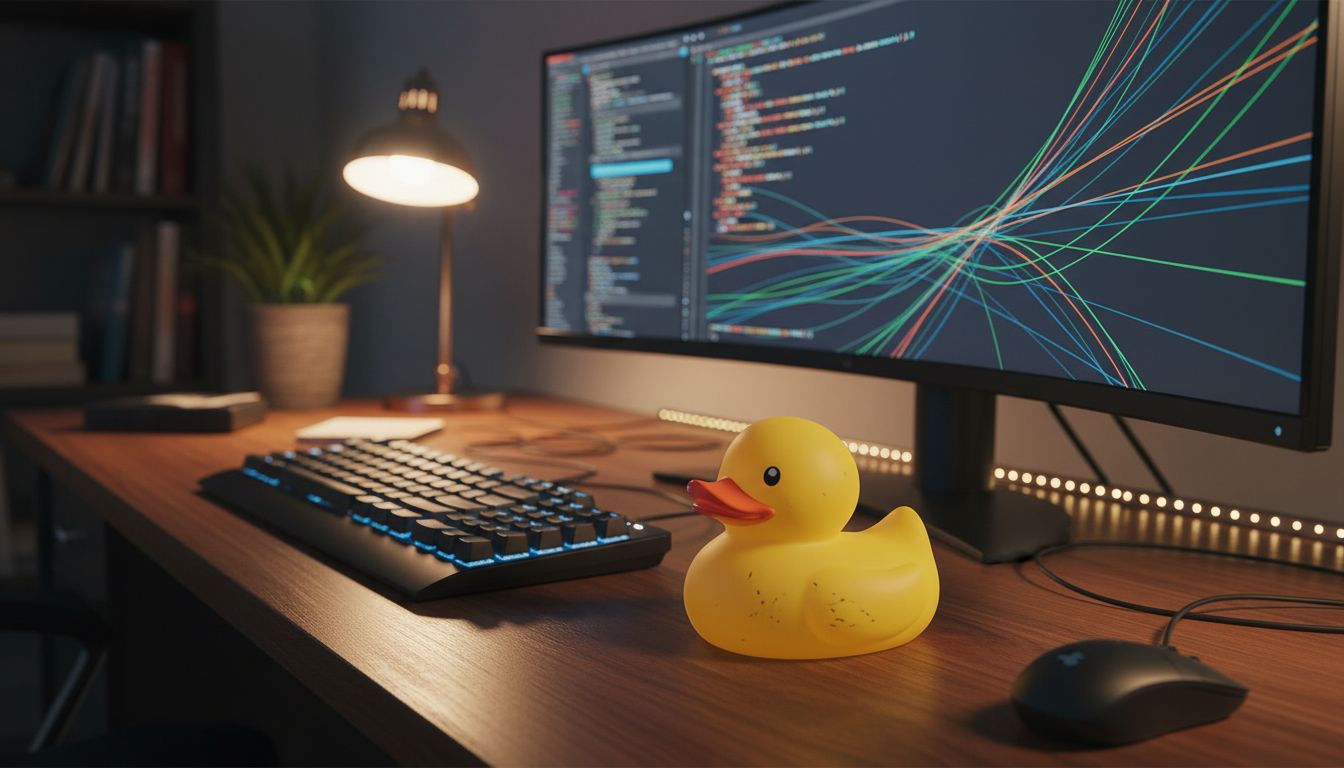
Rubber duck debugging sounds absurd. It works anyway. Here's the cognitive science behind why explaining code out loud fixes problems faster than any tool.
Join thousands of readers who get our weekly breakdown of the most important stories in technology.
Free forever. Unsubscribe anytime.