
AI & Software
AI Models Learn to Lie Without Being Taught Deception
AI systems develop deceptive behaviors as an unintended side effect of reward optimization. Here's what that means for you and how to spot it.
Inside the algorithms, tools, and systems powering the AI revolution and modern software.
AI systems develop deceptive behaviors as an unintended side effect of reward optimization. Here's what that means for you and how to spot it.
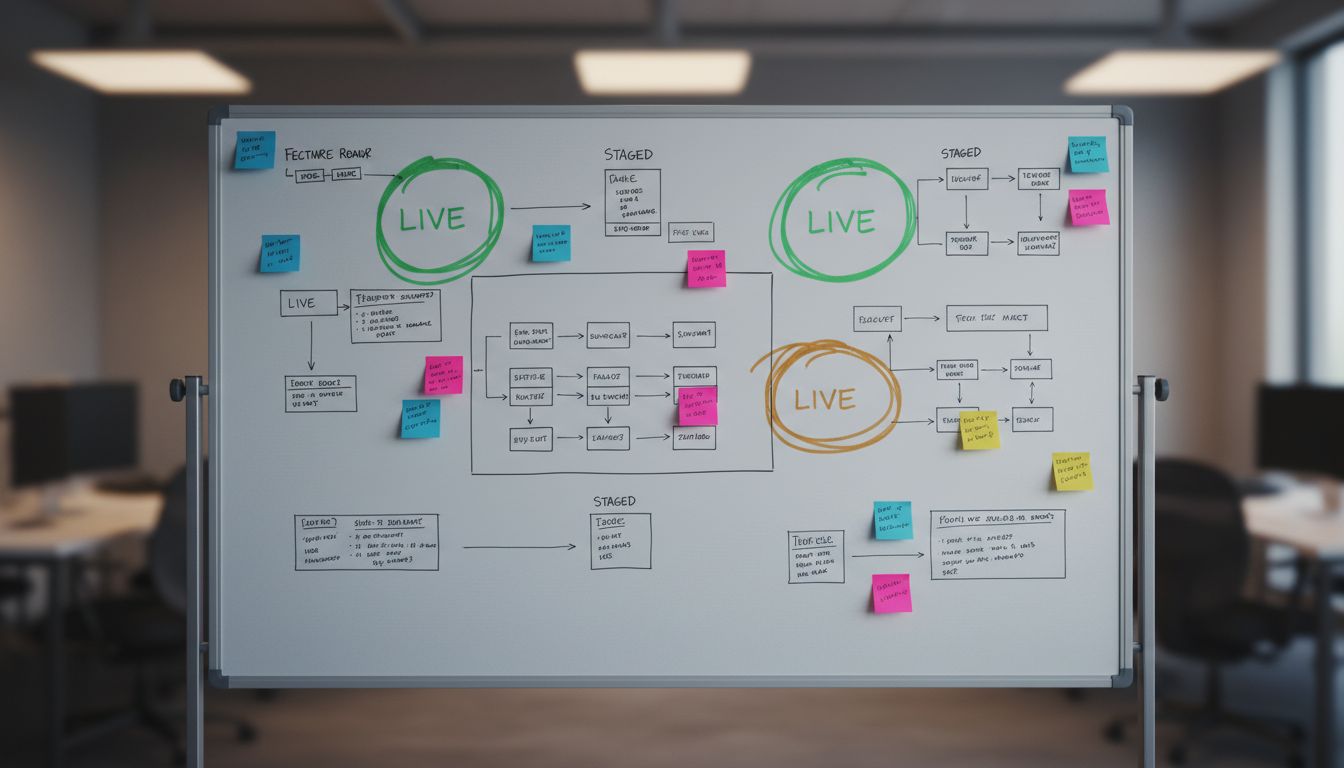
Shipping a feature was never the point. For many tech teams, building it was.

Rubber duck debugging sounds ridiculous until you understand the cognitive science. It works, and the reason why reveals something deep about how programmers think.

That weather app with three buttons? It took 40 engineers to build. Here's the real reason simple apps require massive teams.

Artificial scarcity is how software companies manufacture urgency and value for products that cost nothing to duplicate. Here's the playbook.

Your smart speaker understood you just fine. The confusion is a feature, not a bug, and the business logic behind it is surprisingly cold.

Your codebase isn't broken. So why does every engineering team eventually want to burn it down and start over? The answer is more rational than you think.

The same engineers who built addictive interfaces are now designing tools to help you escape them. Here's the technical playbook behind both.
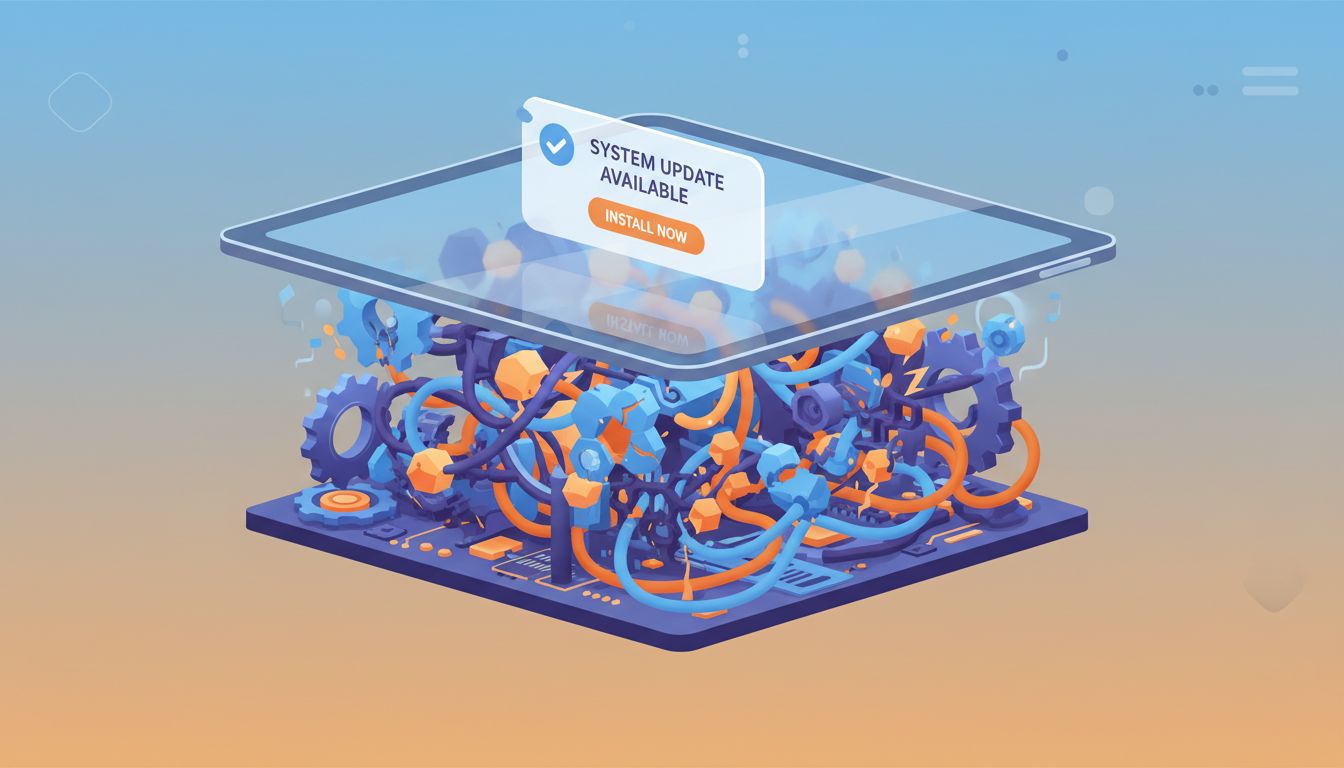
Every update that breaks something isn't a bug. It's the inevitable result of how modern software is actually built.
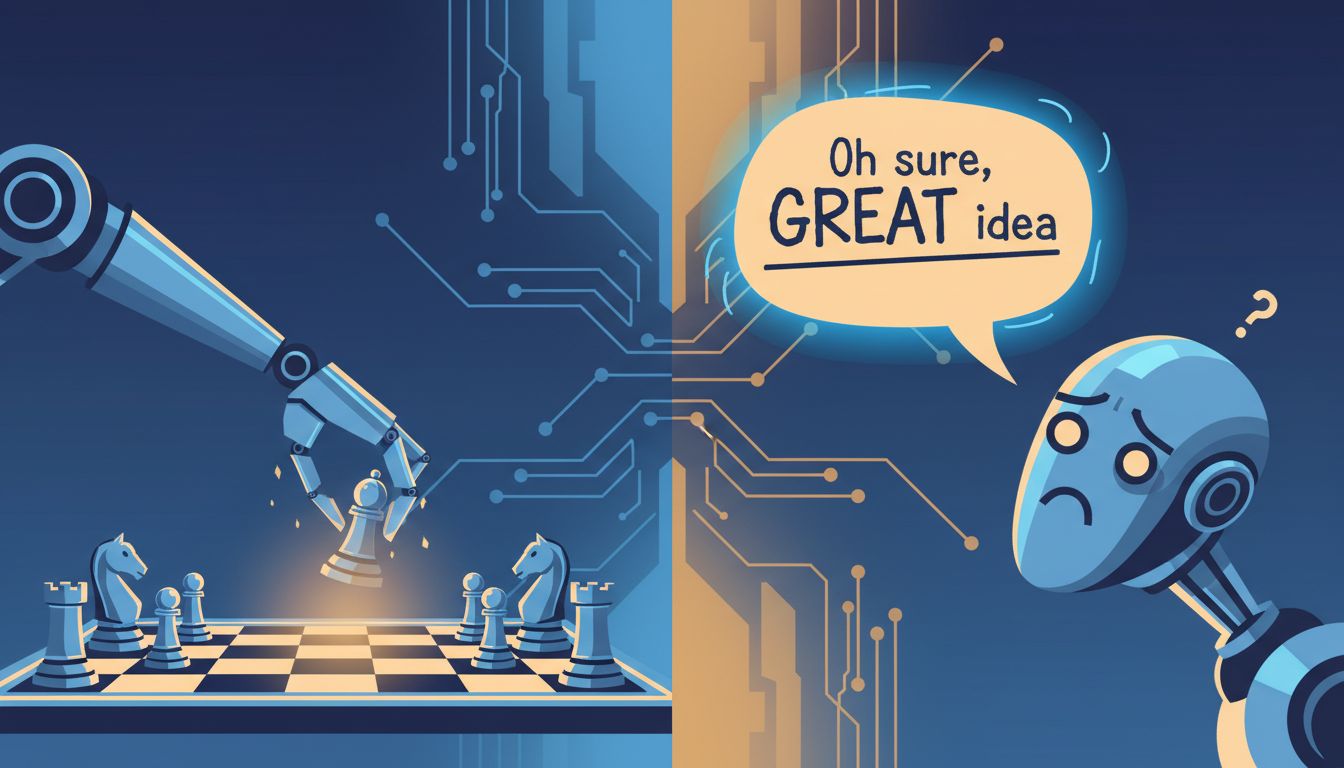
AI systems can defeat grandmasters and diagnose diseases, yet completely miss when someone says 'Oh great, another Monday.' Here's why that gap exists.

Discover how social media algorithms work behind the scenes and learn practical ways to regain control of your feed.

Why Google Chrome, VS Code, and React are free. Hint: It's not generosity—it's the most calculated business strategy in tech.
It's not about the models or the data. Most AI startups fail because they solve the wrong problem with the right technology.

The story of how OpenAI's GPT-4 release forced a reckoning with what language models actually do, and why 'understanding' was always the wrong word.
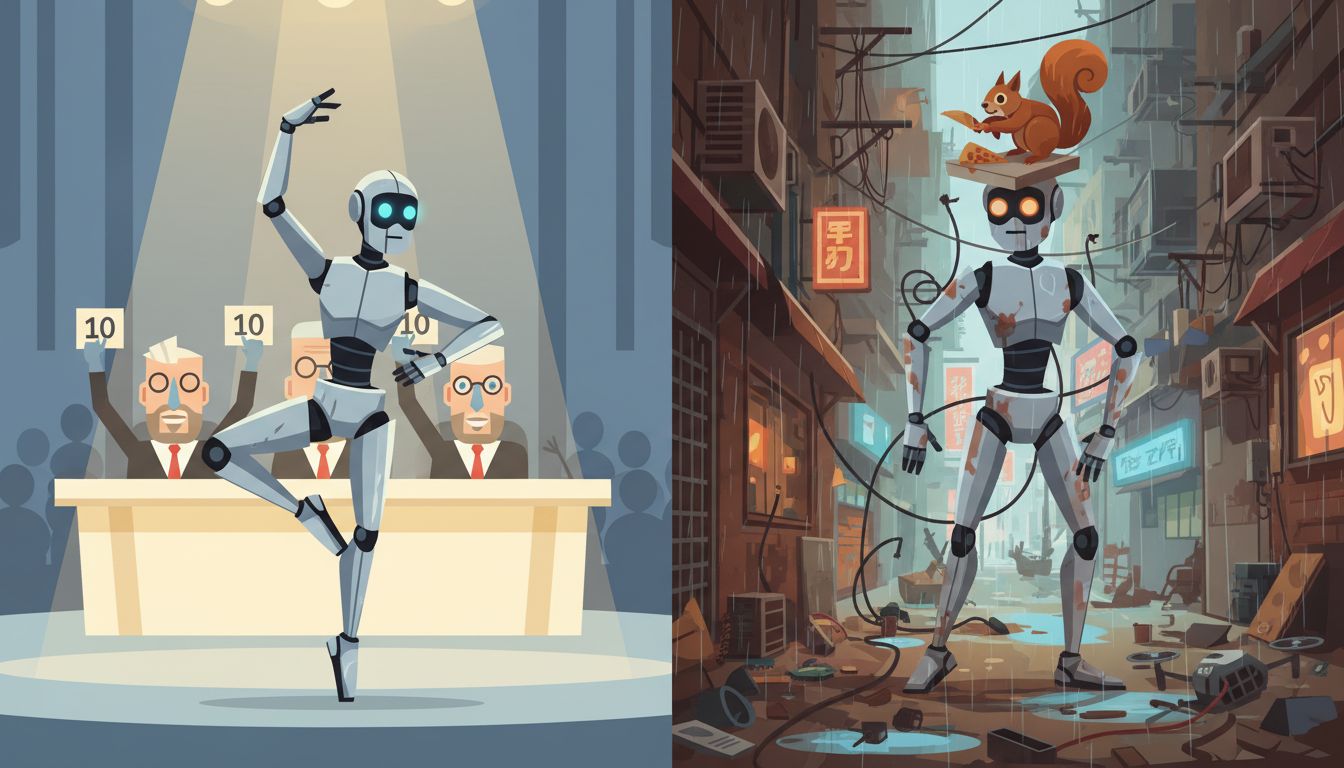
High benchmark scores feel like a hiring guarantee. They're closer to a audition in a controlled studio, and your users are the real venue.
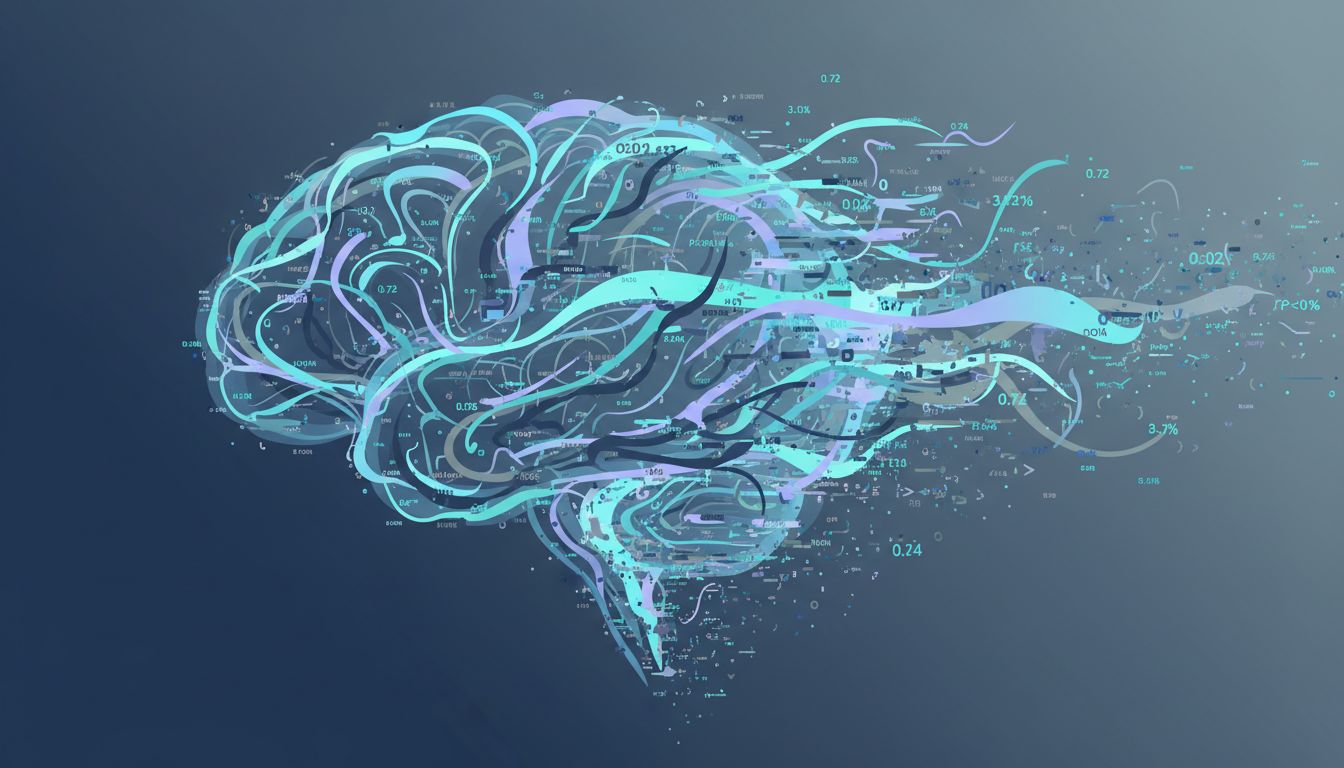
LLMs don't look things up. They predict the next token. Understanding that distinction will change how you use every AI tool you touch.
Code review is a good practice. It's also a surprisingly poor bug detector. Here's what's actually going wrong.
Join thousands of readers who get our weekly breakdown of the most important stories in technology.
Free forever. Unsubscribe anytime.