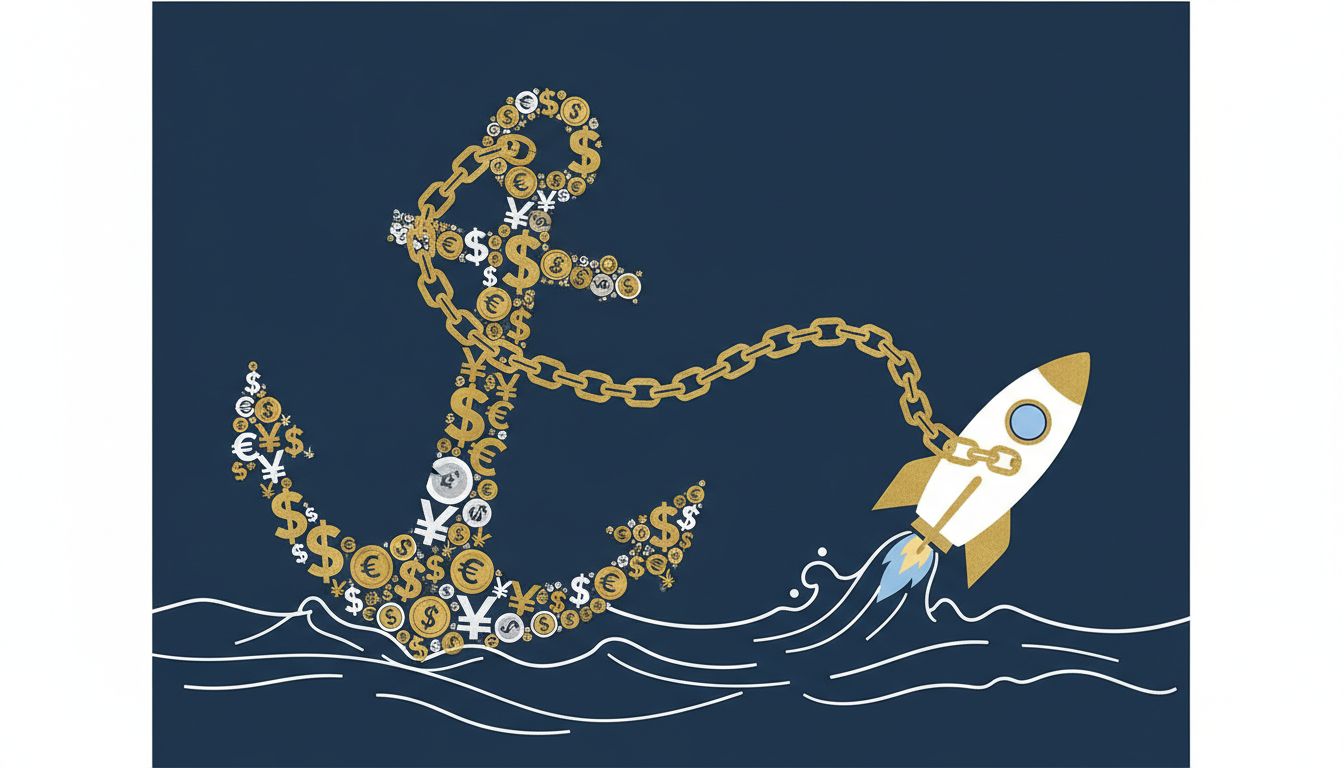
Tech Founders Who Pay Themselves $1 Aren't Being Humble. They're Playing a Different Game Entirely.
The $1 salary isn't a sacrifice. It's a calculated power move that reshapes investor trust, team loyalty, and equity leverage all at once.
The playbooks, pivots, and decisions behind building and scaling startups.
The $1 salary isn't a sacrifice. It's a calculated power move that reshapes investor trust, team loyalty, and equity leverage all at once.
The best startup founders aren't finding gaps in existing markets. They're inventing the market itself, then building the map everyone else follows.
Strategic partnerships aren't networking fluff. For early-stage companies, they're a way to compress a decade of capability-building into months.
Quirky, misspelled startup names aren't accidents or ego trips. There's a deliberate, counterintuitive logic behind them that most founders never talk about.
The conventional wisdom says hire believers. The founders who actually win say hire the person most likely to tell you you're wrong.
Founders chasing 'sexy' markets fight over crowded tables. The ones building quietly in boring industries are cashing out first.
The most dangerous thing a startup can do is take established players seriously. Here's why deliberate ignorance is a competitive weapon.
The 'scratch your own itch' advice dominates startup culture. The data tells a completely different story.
The best co-founder relationships aren't built on shared vision. They're built on productive friction, and the data backs it up.
Strategic naivety isn't a bug in early-stage startups. It's the most powerful weapon founders have against incumbents who know too much.
That doomed product launch wasn't a mistake. It was a calculated move, and once you see the pattern, you'll never read a product announcement the same way again.
Blue ocean sounds great until you realize nobody is swimming there because there are no fish. Here's why smart founders pick fights instead.
Failed features aren't accidents. They're calculated moves that reveal how the smartest tech companies actually compete.
The founders who ship 'good enough' products on purpose aren't cutting corners. They're playing a completely different game than you think.
Failure isn't a bug in the product launch playbook. For the smartest tech companies, it's the whole point.
Counterintuitive naming isn't a mistake. It's a deliberate filter that separates the committed from the casual, and billion-dollar companies built their brands on it.
The best startup founders aren't better at analyzing data. They're better at knowing which data to throw in the trash.
The buggy beta isn't a mistake. It's a carefully engineered data extraction tool disguised as an apology.
Join thousands of readers who get our weekly breakdown of the most important stories in technology.
Free forever. Unsubscribe anytime.