
Startup Strategy
The Startup That Ran on a Spreadsheet Longer Than Anyone Admits
Before the database, the dashboard, or the data team, there was a Google Sheet. And for many successful startups, it held up longer than you'd expect.
The playbooks, pivots, and decisions behind building and scaling startups.
Before the database, the dashboard, or the data team, there was a Google Sheet. And for many successful startups, it held up longer than you'd expect.

Better products lose to inferior ones all the time. The difference is almost never quality. It's who had a path to the customer.

Founders obsess over not hiring sales too soon. The opposite mistake kills just as many companies, just more slowly and with better excuses.

Figma spent years iterating on a product almost nobody used. Then they stopped. Here's what that decision actually looked like.

The customers who saved you in year one are often the ones constraining you in year three. That loyalty runs both ways, and it's costing you.

Being first is overrated. The companies that dominate markets are rarely the ones that invented them. Founders just can't admit that.

Zenefits hired like a 5,000-person company when it had 500 employees. The wreckage was instructive.

Stripe's early growth nearly destroyed the company. The lesson isn't about bad customers. It's about what happens when you say yes to everyone.

Everyone celebrates the first customer. The second one is the only signal that actually tells you something useful.

Pricing below your costs doesn't buy you time. It just makes you fail slowly, then suddenly, with a customer base you can't actually serve.

Raising money before you have leverage feels like progress. It's usually the opposite. Here's what it actually costs you.

Early adopters save your startup. They also, if you're not careful, define it in ways that make scaling nearly impossible.
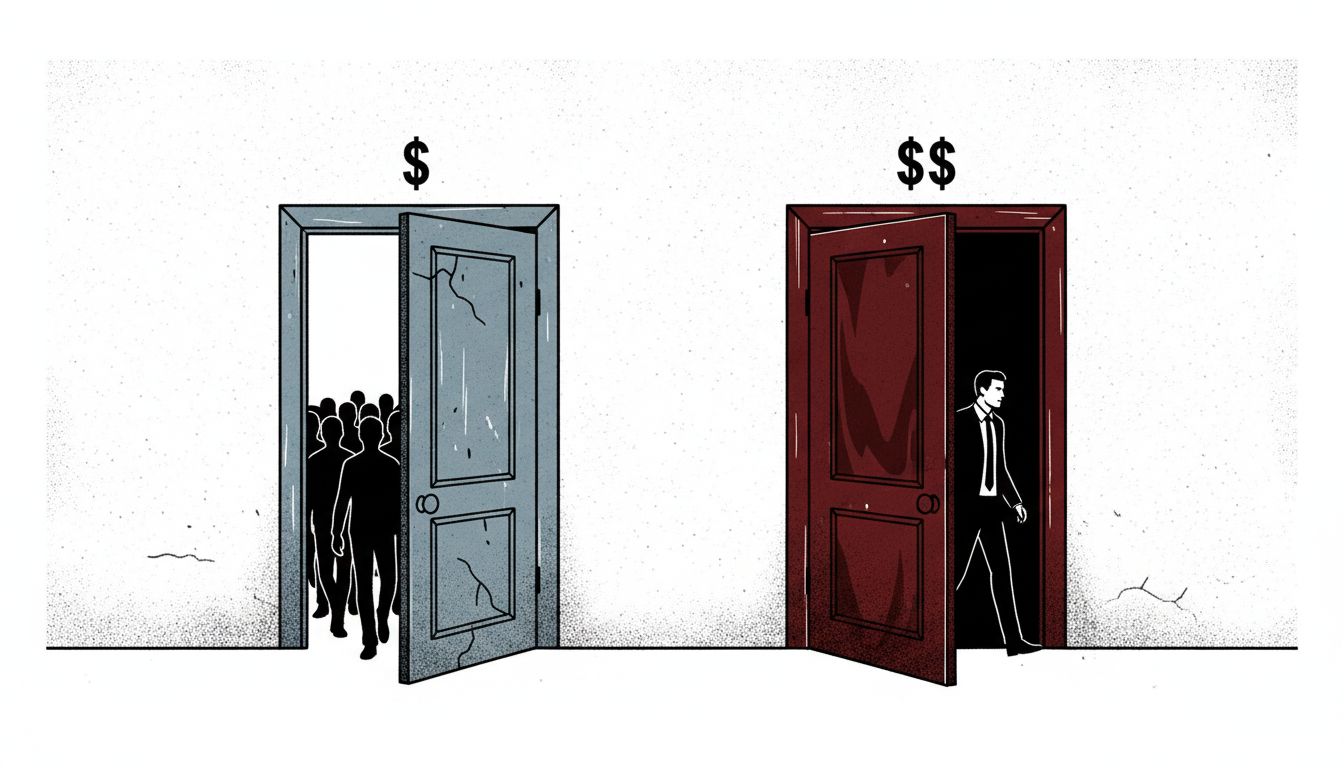
Discounting your way to early traction feels like progress. It's usually the first step toward building a business that can't survive.

The customers who save your startup in year one are often the ones who quietly strangle it in year three. Here's why.

Success teaches the wrong lessons. The habits that got you through your first company are often exactly what will sink your second.

Most founders set prices by asking 'what's fair?' The actual question is different, and getting it wrong quietly kills companies.

Three of tech's biggest companies nearly collapsed serving customers who were never going to make them successful. The pattern is more common than founders admit.

Most founders treat market focus as a constraint to overcome. The ones who win treat it as a weapon.
Join thousands of readers who get our weekly breakdown of the most important stories in technology.
Free forever. Unsubscribe anytime.