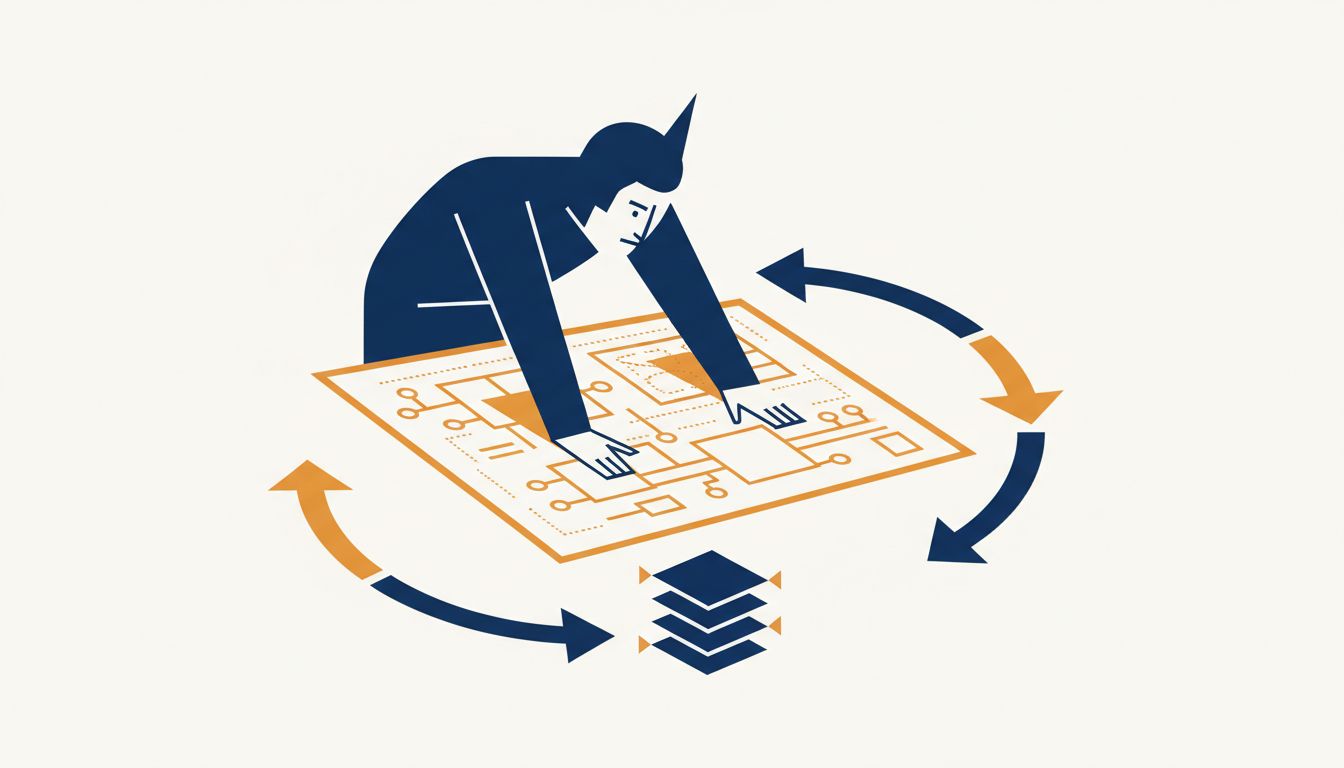
Startup Strategy
Your Worst Early Customer Is Your Best First Hire
The customer who pushed back hardest, demanded the most, and nearly broke your team often has exactly the instincts your early team needs.
The playbooks, pivots, and decisions behind building and scaling startups.
The customer who pushed back hardest, demanded the most, and nearly broke your team often has exactly the instincts your early team needs.
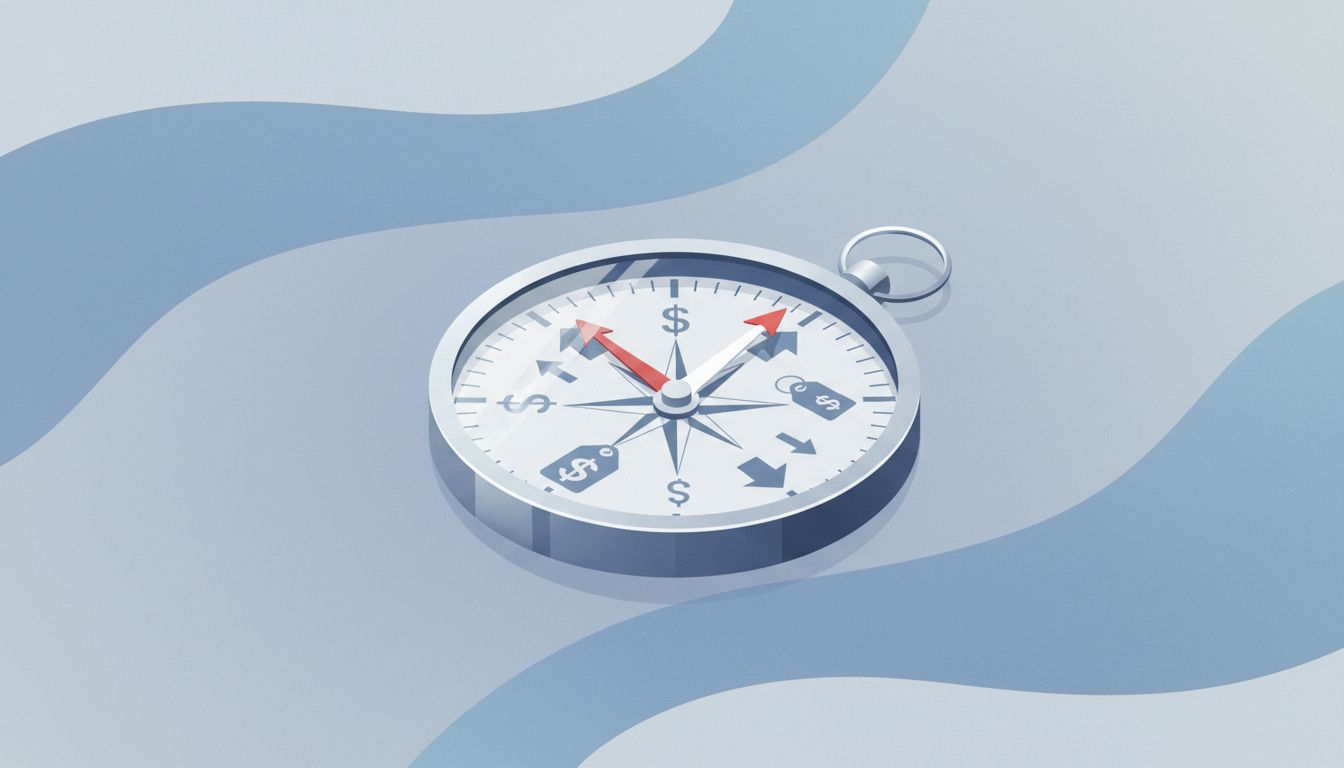
Almost every startup misprices its first product. Here's why that's survivable, what the real mistakes look like, and when bad pricing actually kills you.

The users who push back hardest on your product are often the ones who understand it most clearly. Slack's growth story is a case study in learning to tell the difference.
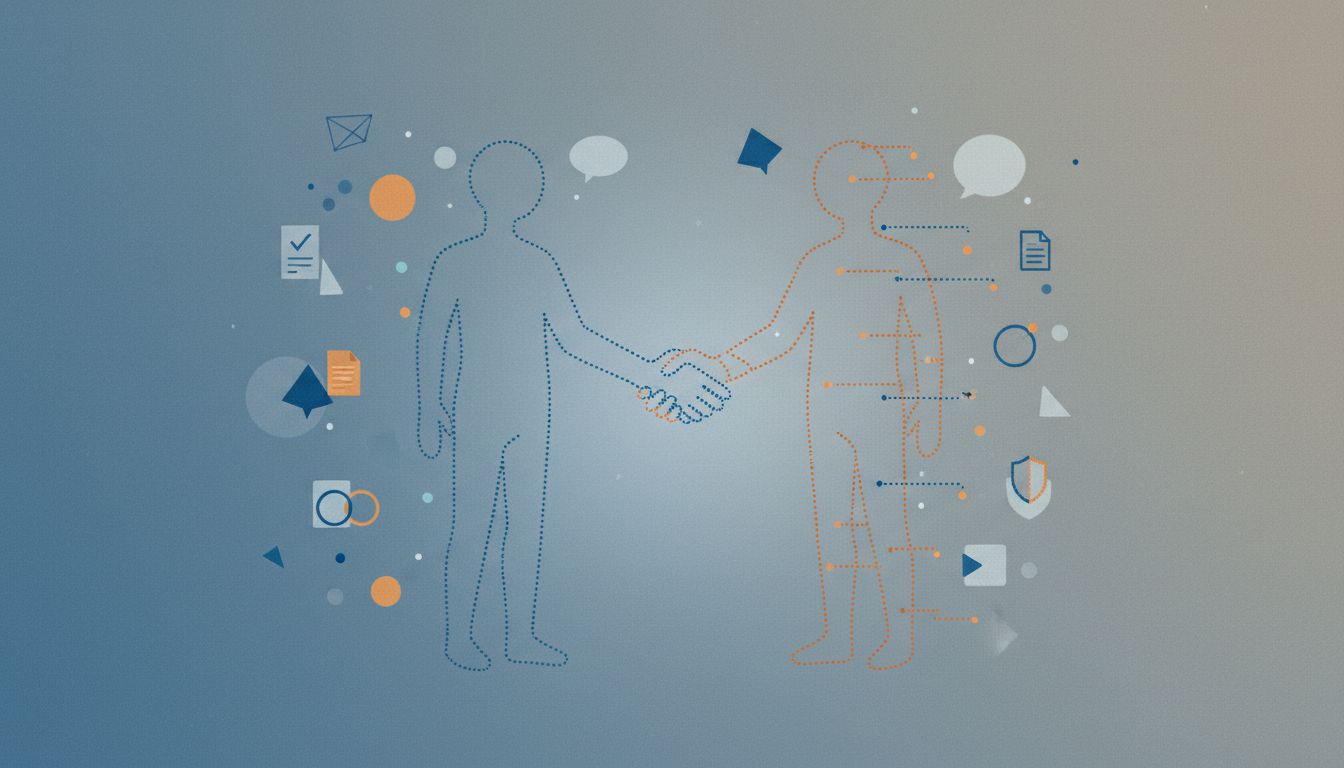
Before you ship anything, customers are buying something. Most founders don't know what it is, which is why so many early deals fall apart.

Being first sounds like an advantage. The history of tech says otherwise. Here's what actually separates pioneers from the companies that bury them.
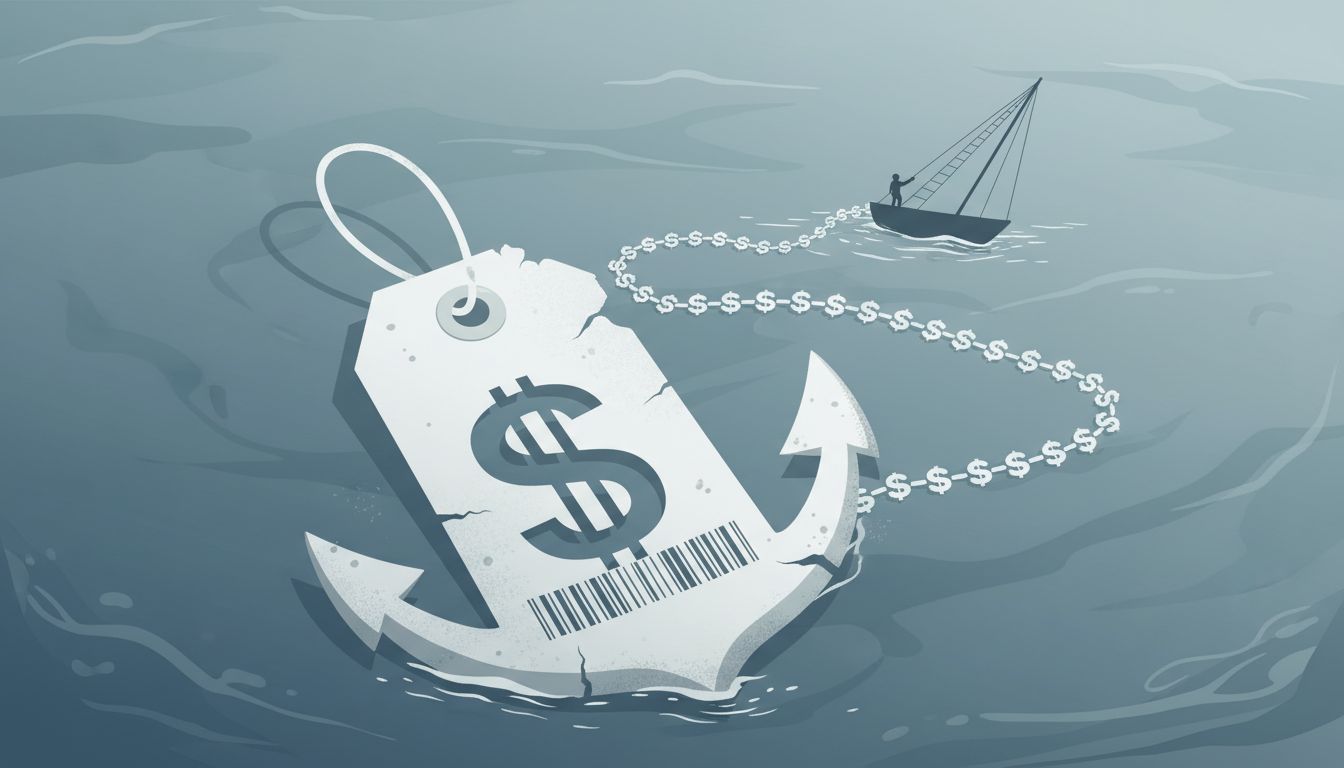
Pricing isn't just a revenue decision. It's a signal that sets buyer expectations permanently. Basecamp learned this the hard way.
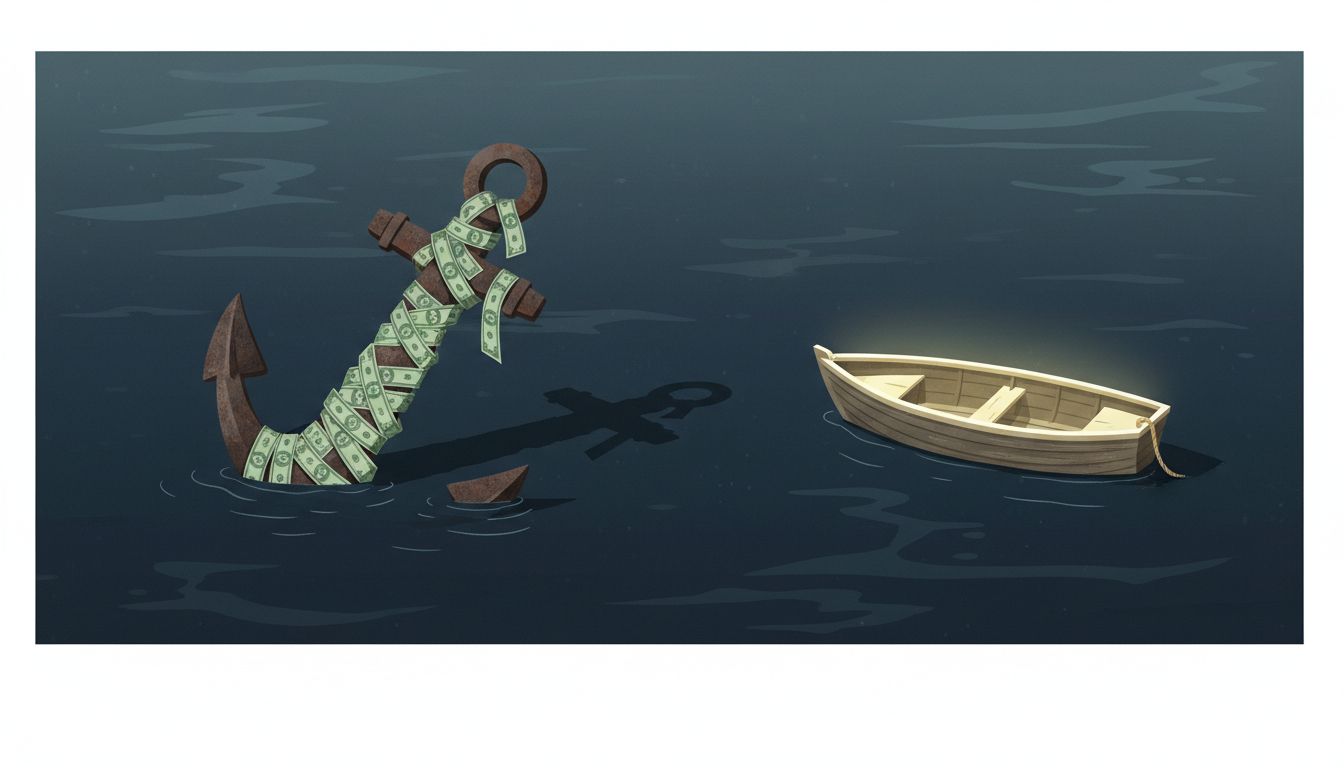
Some early revenue isn't just low-quality, it's actively corrosive. Here's how to recognize the customers who will hollow out your company before you ever find product-market fit.

Landing a customer who pays full price feels like validation. It might actually be the beginning of a slow drift away from everything you were building toward.

The startups that look dangerously slow in year two are often the ones running laps around everyone in year five. Here's why that's not an accident.
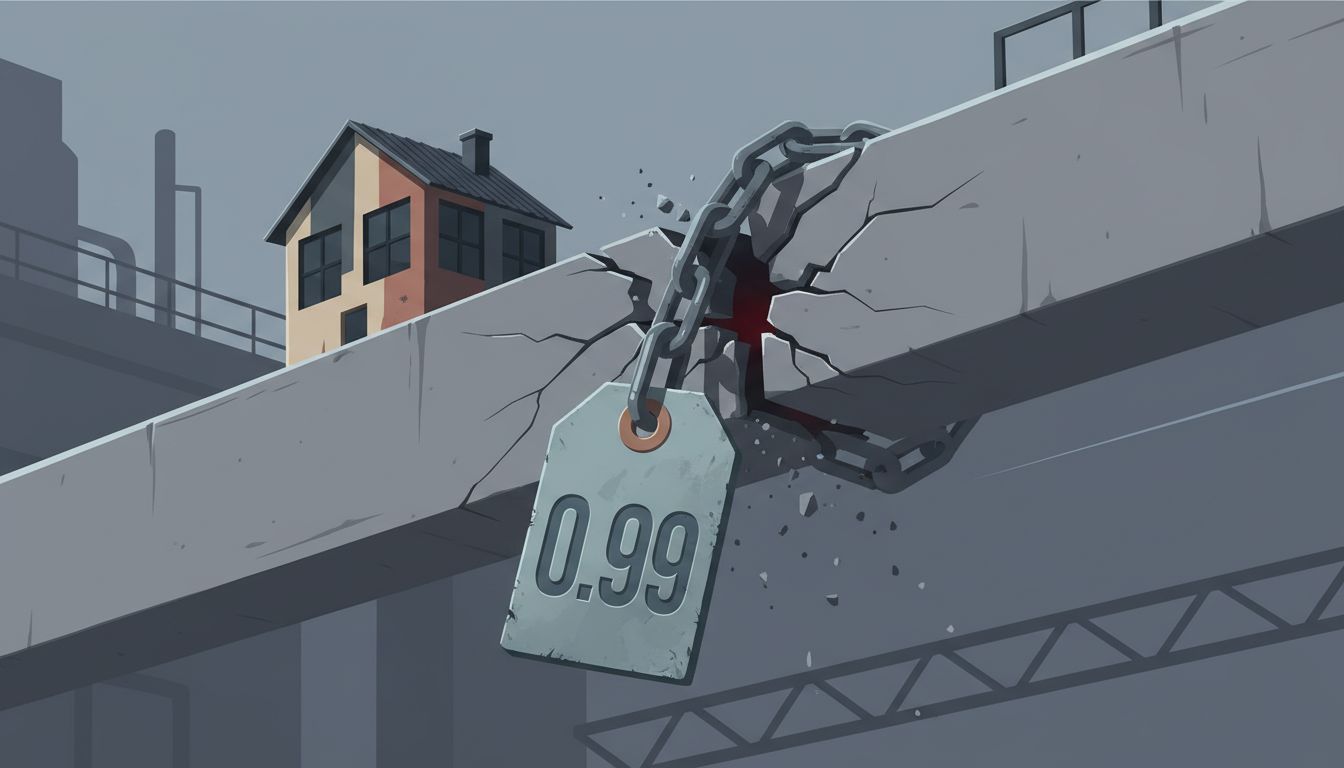
Cheap prices feel like a growth strategy. They're usually a slow bleed. Here's why underpricing is one of the most common and least discussed ways startups fail.

Before you have a product, you're still selling something. Most founders just don't know what it is.
Founders cut prices to remove friction, but cheap pricing often creates more doubt than it resolves. Here's the psychology that explains why.
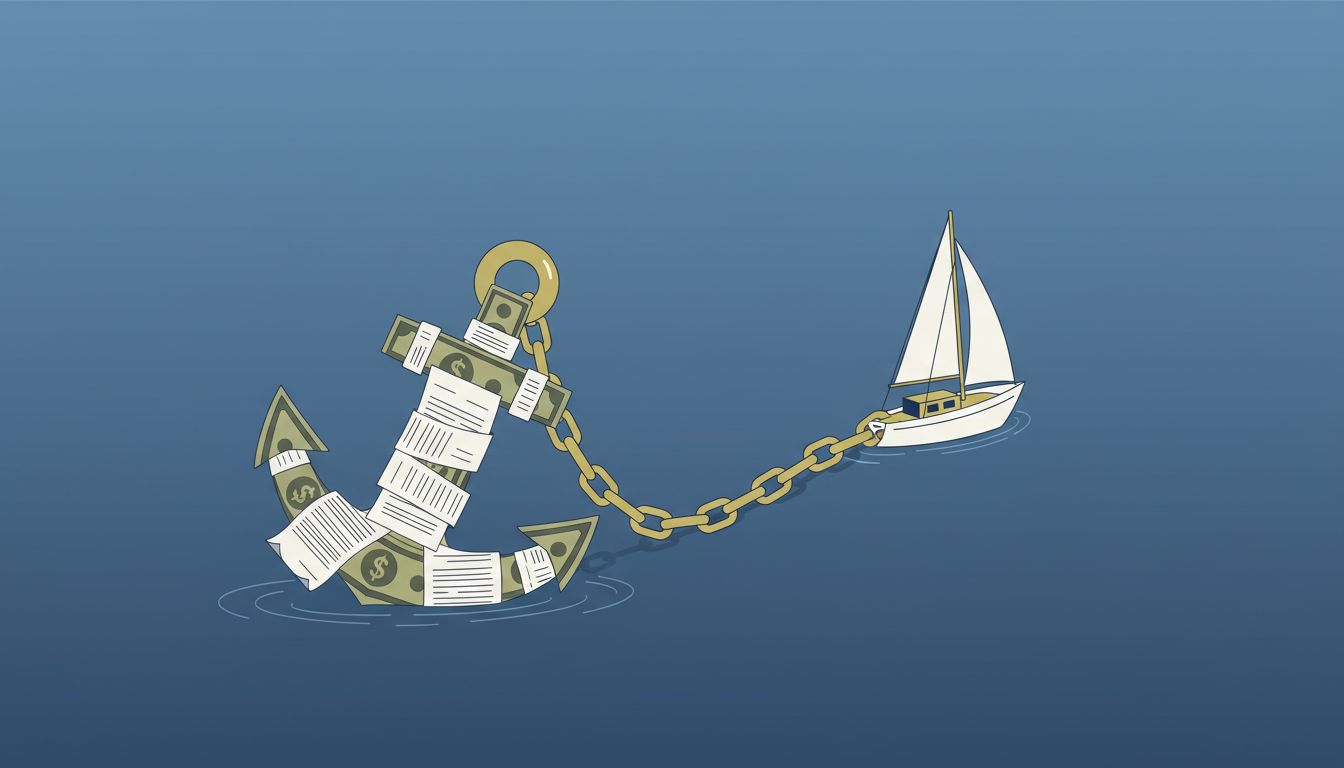
Not every customer is an asset. Some are quietly bankrupting you in ways that won't show up on your P&L until it's too late.
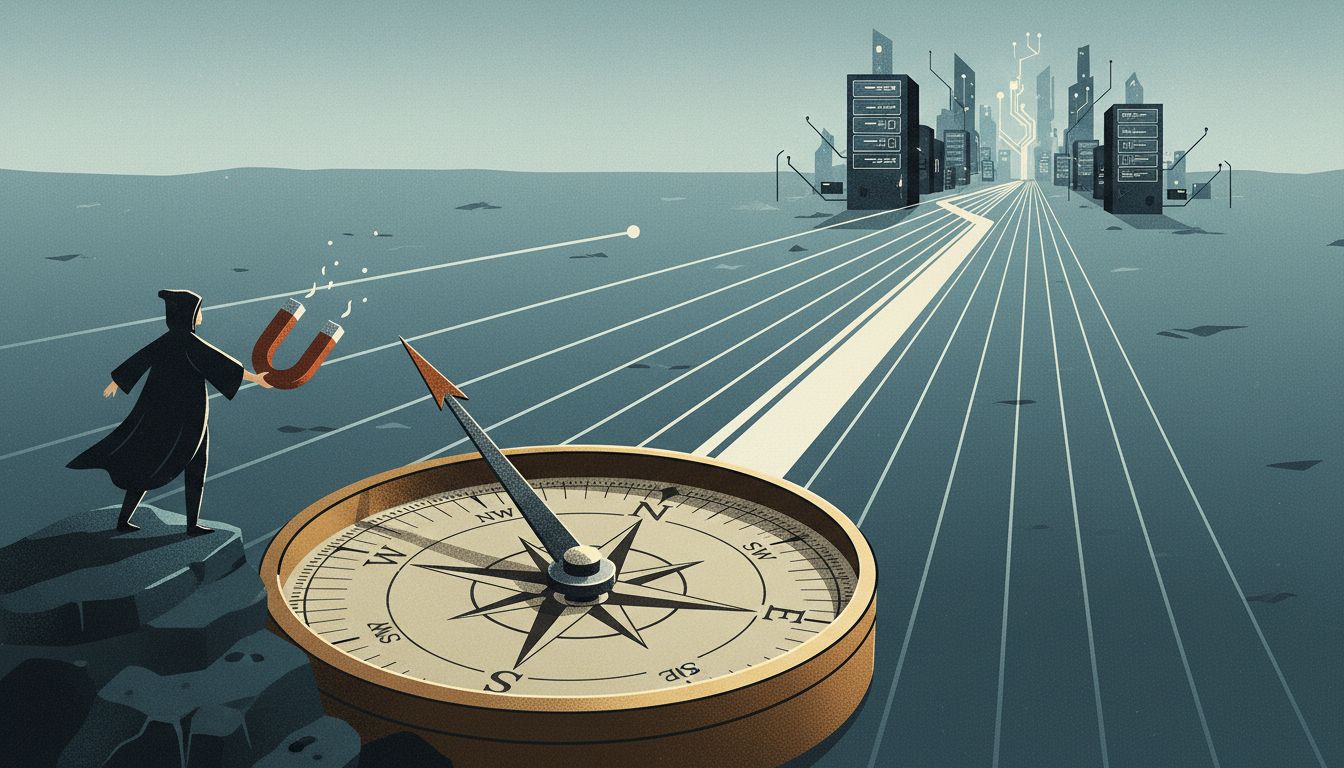
Early customers save your startup. They can also steer it into a wall. Here's how to tell which one is happening to you.

Underpricing feels safe in the early days. It isn't. The hole it digs is deeper than most founders realize, and almost no one climbs out.

The founders who could raise more, hire more, and ship more sometimes choose not to. That restraint isn't modesty. It's strategy.
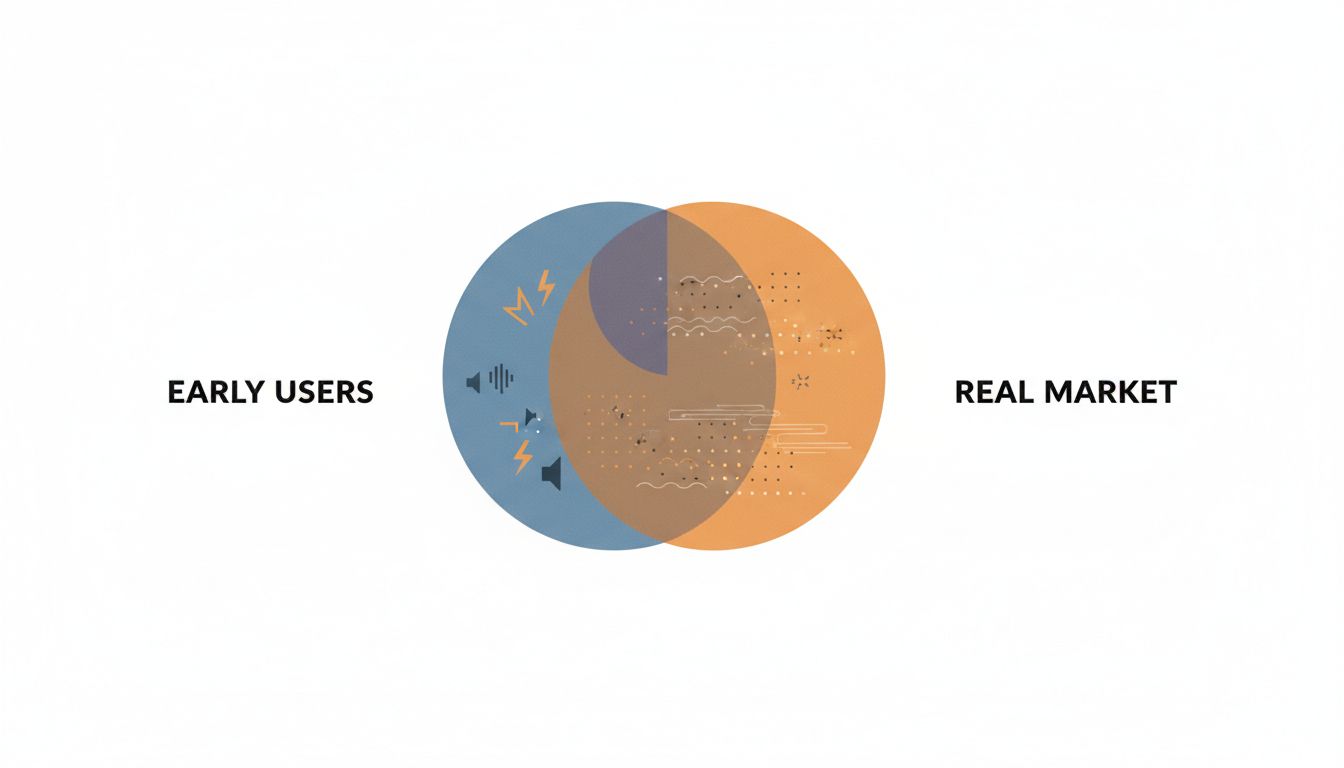
Slack, Spotify, and Airbnb all spent years serving the wrong people. Here's what that actually looked like, and how they found their way out.

Pivoting isn't a sign of confusion. For the best founders, it's what a strong vision actually produces.
Join thousands of readers who get our weekly breakdown of the most important stories in technology.
Free forever. Unsubscribe anytime.