Startup Strategy
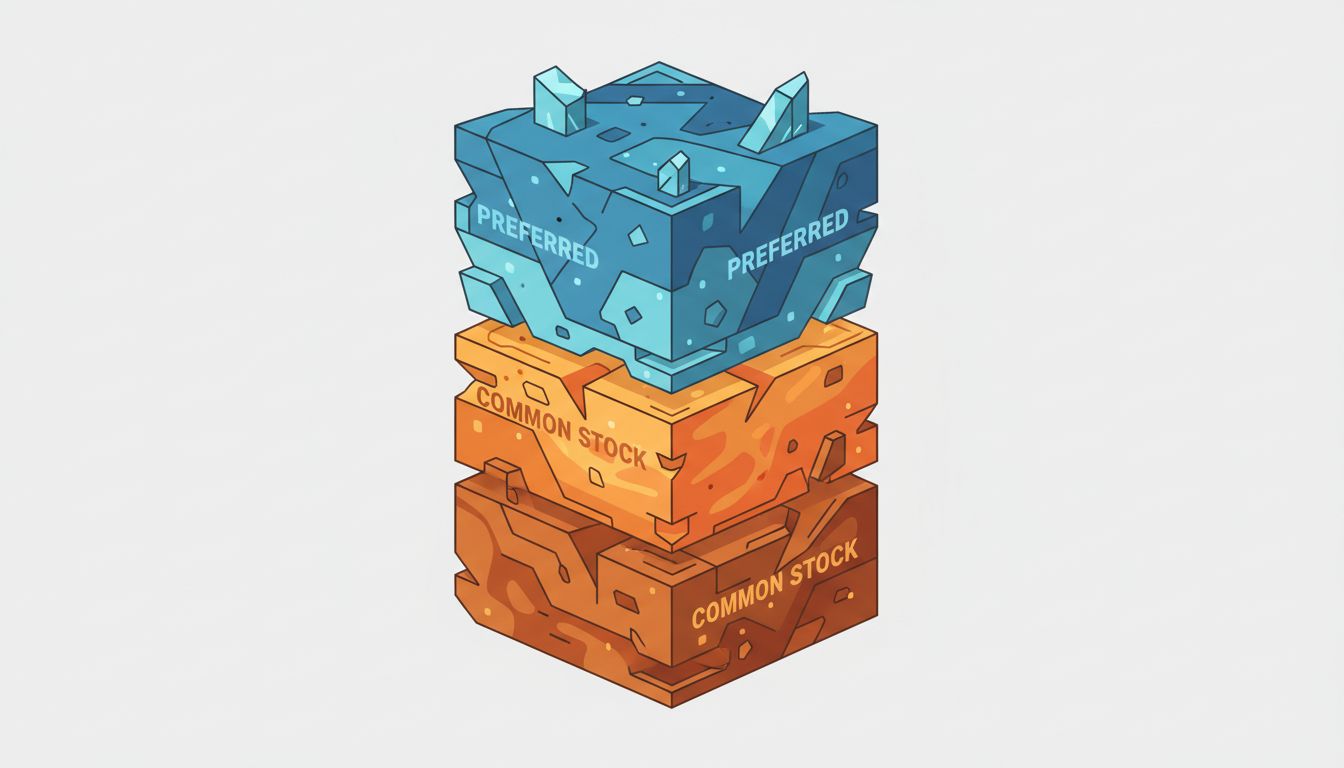
What You Actually Own After a VC Writes You a Check
Founders celebrate term sheets. Few read them carefully enough. Here's what the money actually costs you, in control, economics, and options.
The playbooks, pivots, and decisions behind building and scaling startups.
Founders celebrate term sheets. Few read them carefully enough. Here's what the money actually costs you, in control, economics, and options.

The customer who complained constantly, demanded custom features, and nearly broke your team is probably also your most vocal evangelist. That's not a coincidence.

Growth is supposed to be the goal. But some of the most durable software businesses got that way by deliberately staying small.

Every startup obsesses over scaling to hundreds of employees. The companies that survive long enough to scale got their first ten hires right.

Basecamp never took venture capital, and that constraint shaped every decision that made the company hard to compete with. Here's what the rest of us can learn from it.
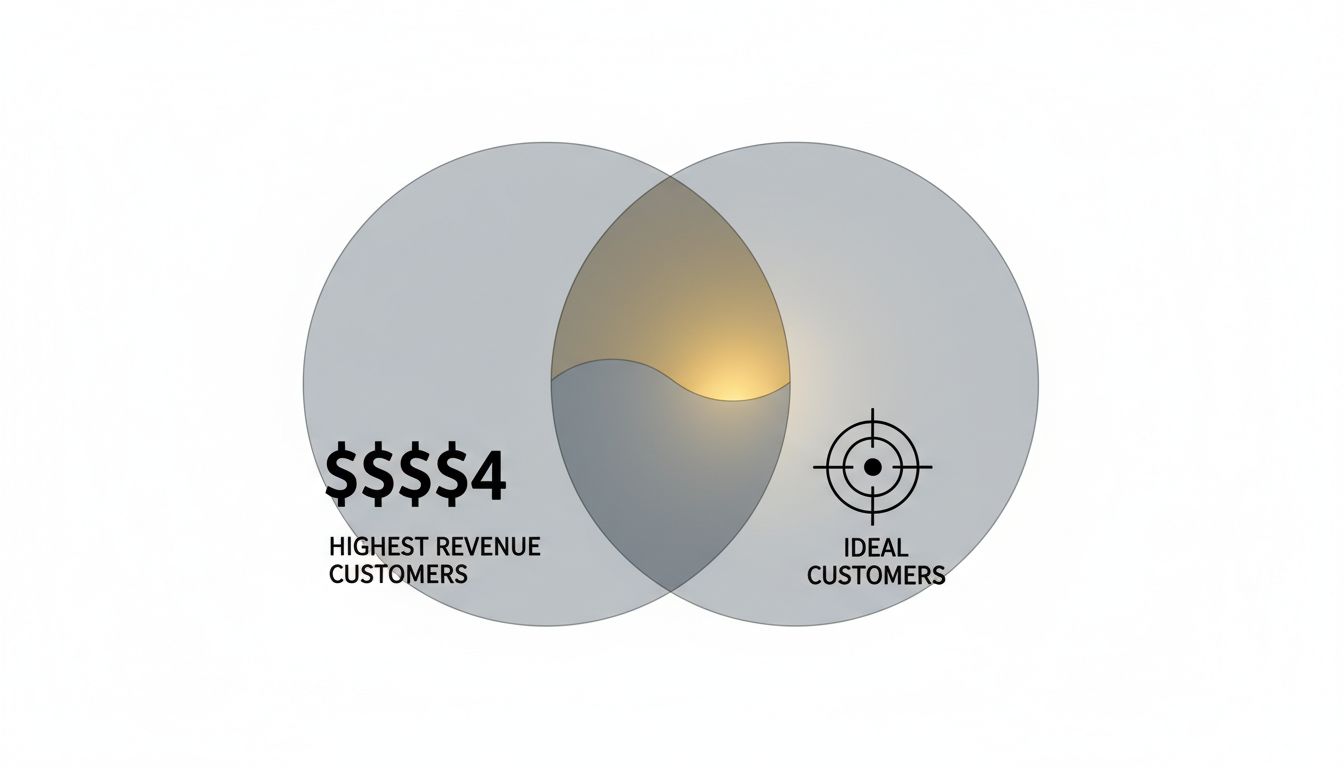
Firing a customer feels like failure. Sometimes it's the most strategic move a company can make. Here's what actually happens when you do it right.
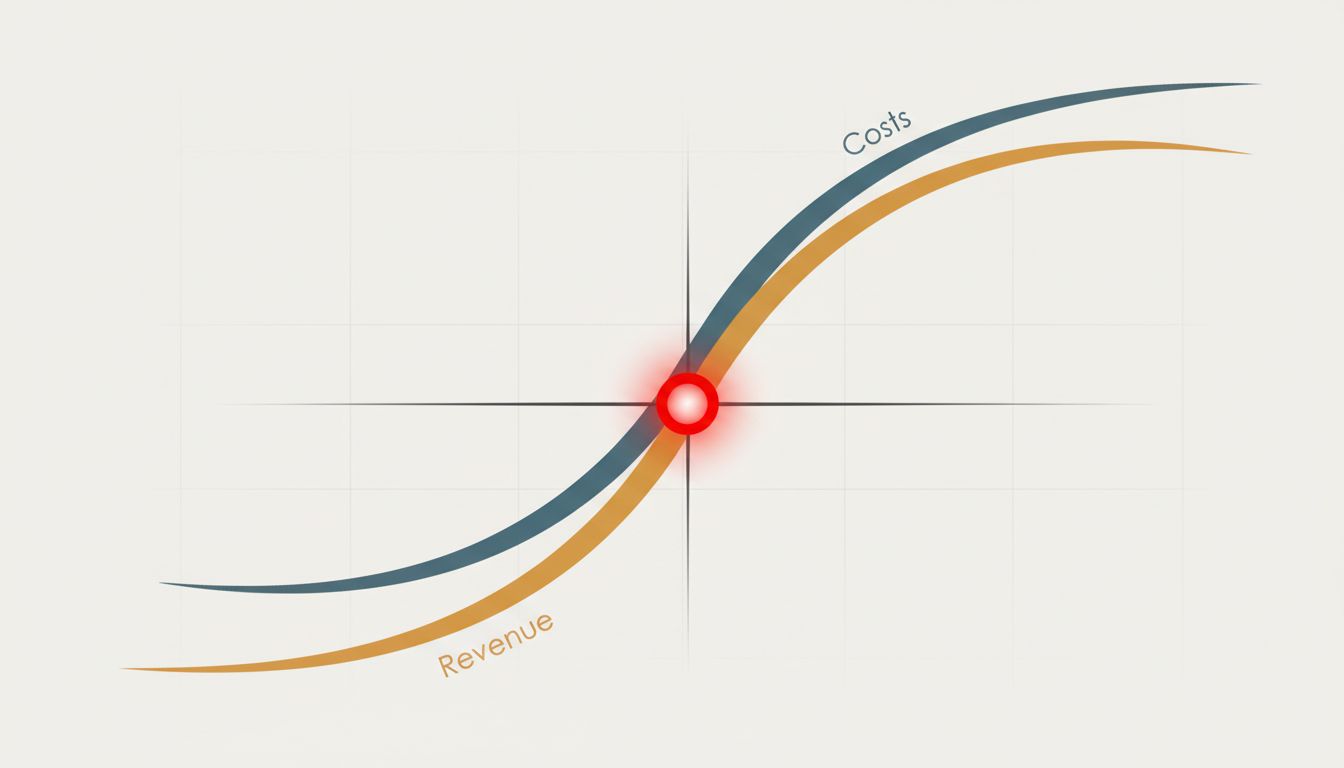
Low prices feel like traction. They're often a slow-motion disaster. Here's exactly how underselling your product sets you up to fail at scale.

Early adopters are a gift and a trap. Building your roadmap around them is one of the most common ways promising startups hit a ceiling they never see coming.

Founders obsess over how fast they're spending money. The number that actually predicts survival is different, and most teams don't track it.

Friendster launched before Facebook. Altavista before Google. Being first is a head start, not a moat. The story of how MySpace lost everything explains why.

The obsession with early customer count is one of startup culture's most persistent mistakes. Depth beats breadth, and the numbers eventually prove it.

A co-founder departure isn't just a people problem. It's a structural event that will haunt your fundraising, your governance, and your next hire if you handle it wrong.
Low prices feel like a growth hack. To serious buyers, they're a red flag. Here's why underpricing kills deals before they start.

The accounts that caused your worst all-hands meetings are often the ones still paying you five years later. Here's why that's not a coincidence.
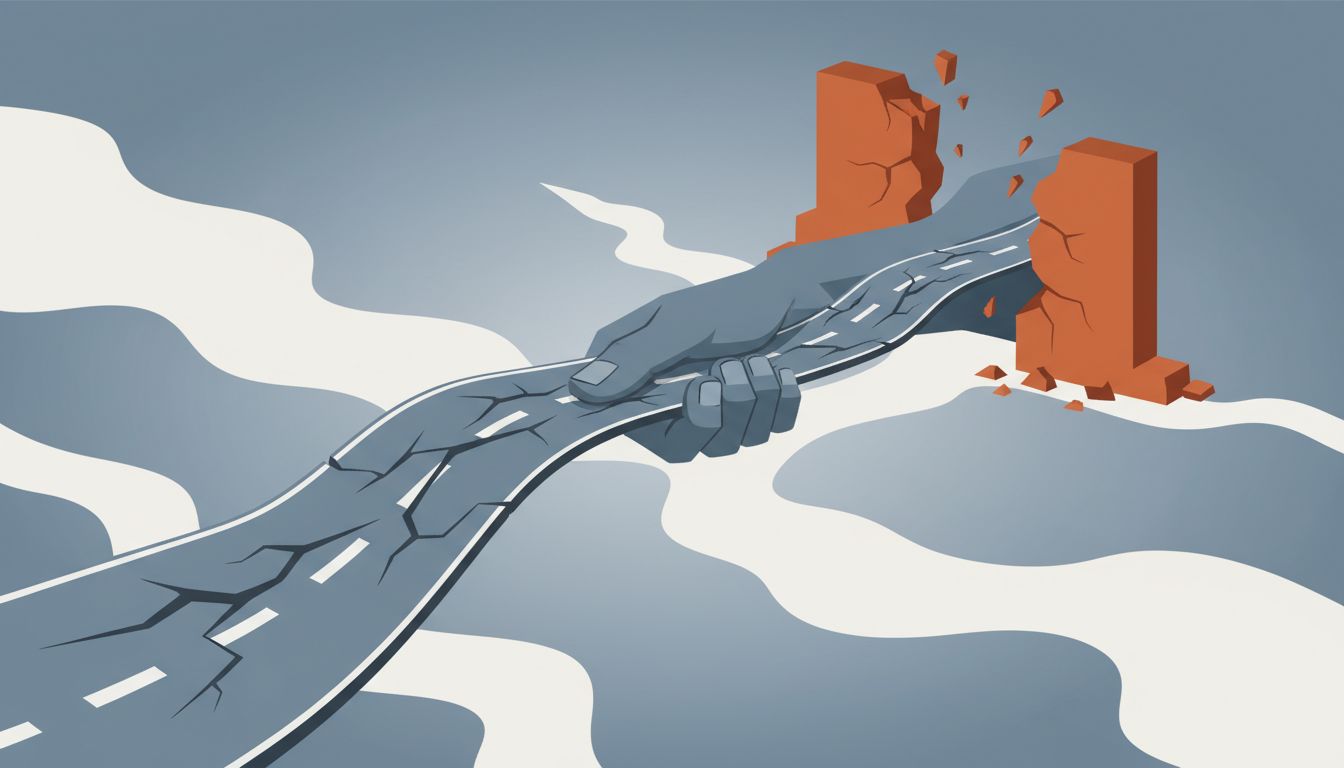
A demanding customer who bends your roadmap, exhausts your team, and pays well can still be a trap. Here's how to recognize them before they reshape your company into something nobody else wants.

Everyone obsesses over founder-market fit. The more consequential question is who the first founder brings in next, and why most get it wrong.

Most founders treat complaints as noise to be managed. They're actually the most honest signal you'll ever get about your product.

A down round isn't just a bad headline. It restructures who owns what, who has power, and who gets paid first. Here's what founders rarely understand until it's too late.
Join thousands of readers who get our weekly breakdown of the most important stories in technology.
Free forever. Unsubscribe anytime.