Character.AI filed for Chapter 11 after the people who built it had already moved on. Elsewhere, the physical world keeps pushing back on software ambitions, through overheated freezers and strained power grids.
1. Character.AI’s rescue came before its bankruptcy filing
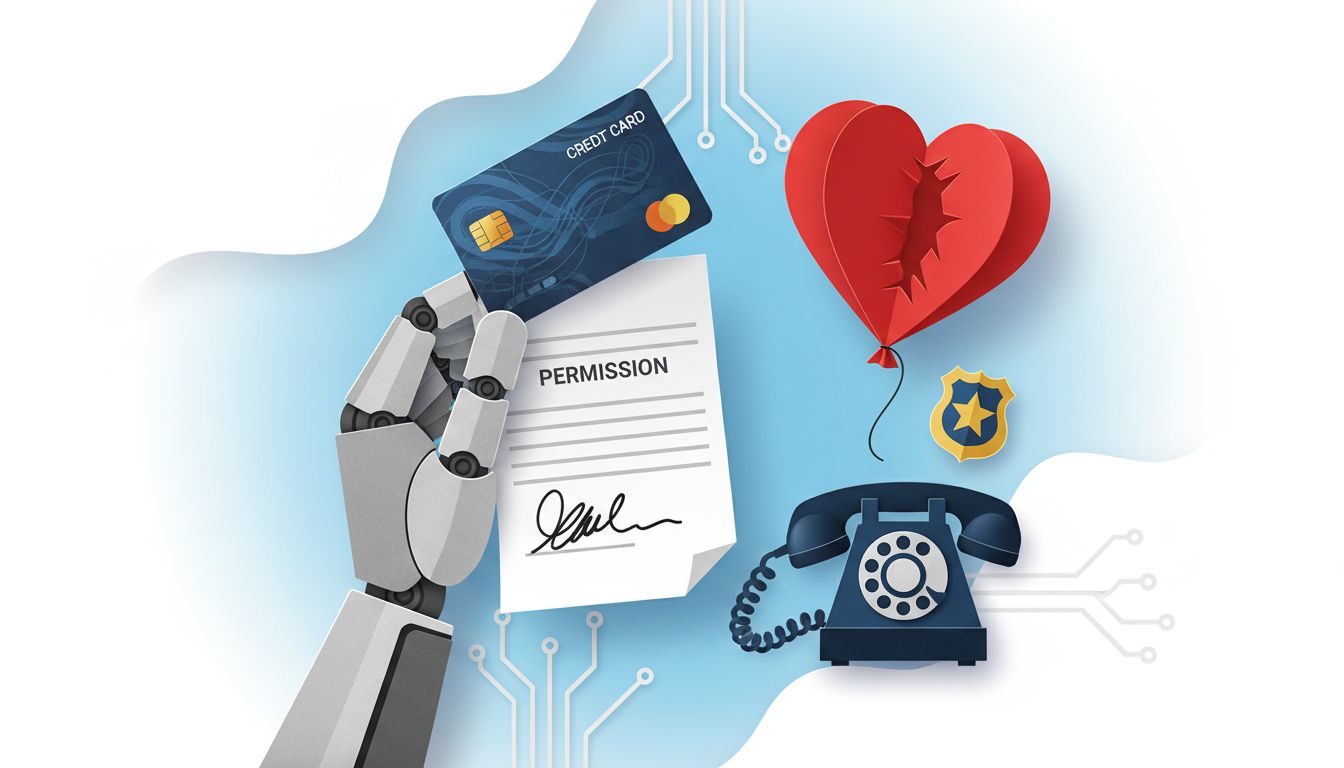
The $20 million Disney deal is smaller than it looks. Per TechCrunch, Disney gets some assets and a non-exclusive perpetual license to the technology. It also already has former Character.AI staff, including ex-CEO Karandeep Singh Anand, who joined last month and will provide transition services. Character.AI itself has no buyer yet. If no bid arrives, CEO Colin Adams says, the platform will be wound down.
The company listed $50 million to $100 million in assets and liabilities, having raised more than $193 million. It hit unicorn status in 2022 and reached 20 million monthly users by October 2024. It also faced lawsuits, including one over a 14-year-old’s suicide, a Texas investigation, and a ban on minors.
The sharper lesson is about cost. TechCrunch notes that Character.AI ranked among the top apps by time spent, but AI costs rise with every extra minute of use. For a consumer app, that makes the best engagement metric also the biggest expense. Add the Google licensing deal that pulled out the founders and the foundation-model work in 2024, and the company was left with a costly product, legal exposure, and no model of its own to sell.
2. Supermarket freezers become a cyberattack target in France
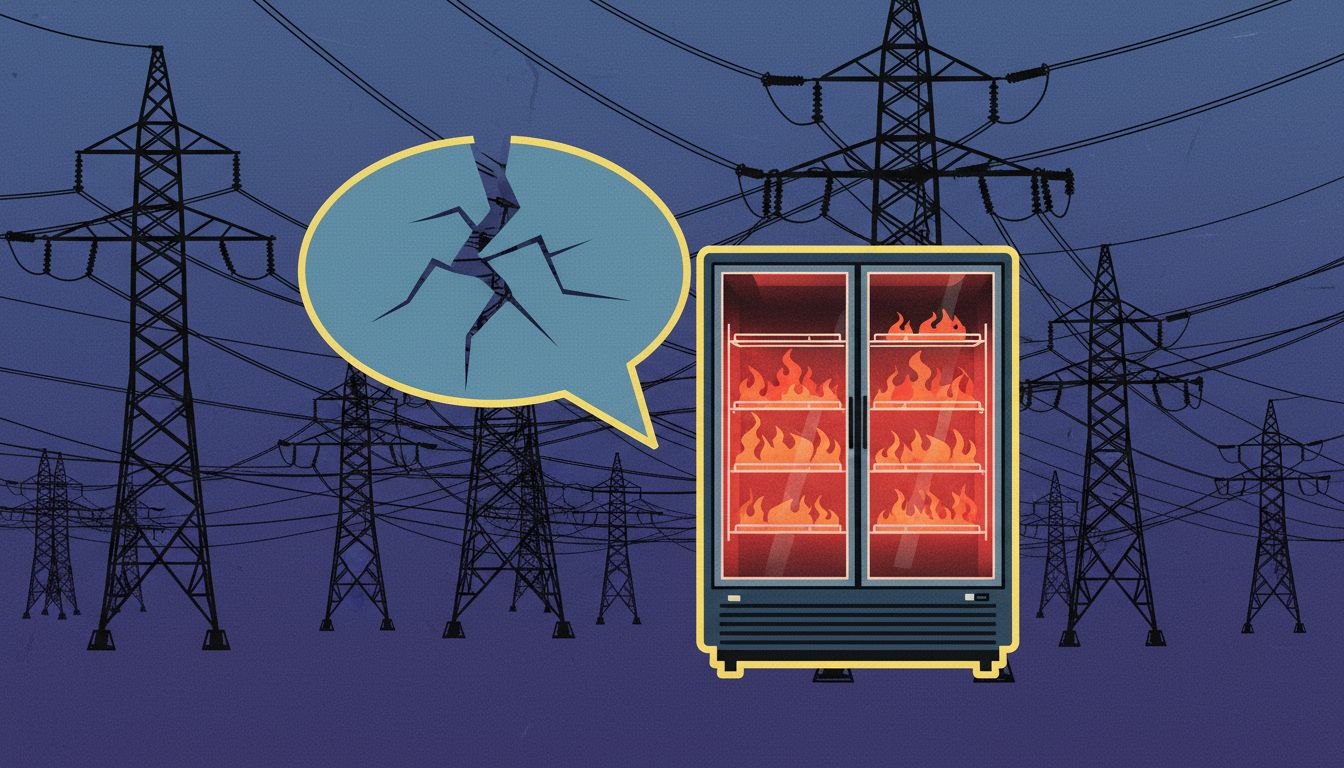
The Register’s headline says cyberattacks cranked French supermarket refrigeration systems up to 50°C. That is more than 40 degrees above where a chiller should sit, and the damage is easy to picture: spoiled stock and unhappy store managers.
The text we have is only the headline, so details such as the number of stores or the root cause are not confirmed here. Still, the headline shows the shift. When attackers can control physical equipment, the loss is no longer a stolen database. It is a warehouse of rotting food, and no restore-from-backup button fixes that.
3. Microsoft now measures its AI chip racks in gigawatts
The Register reports that Microsoft plans a multi-gigawatt rollout of next-generation Azure Maia AI accelerator racks. Note the unit: gigawatts measure the power plant, not the chips. A custom-silicon program announced in those terms is a bet on electricity as much as on processors.
The article text wasn’t available beyond the headline, so performance claims and timelines remain unverified here. The strategic read is still plain. Building your own accelerators only makes sense if you can fill them at huge scale, which favors the few companies that can afford both the silicon and the power.
4. Europe’s datacenter boom may land on your electricity bill
The Register’s headline says Europe’s datacenter boom threatens higher energy bills unless governments intervene. The conditional is the point: the outcome depends on policy as much as on demand.
We only have the headline, so country figures and forecasts aren’t confirmed here. But the stakes are clear. If datacenter growth pushes up household power costs, siting rules, grid-connection queues and energy surcharges become part of the cost of building AI infrastructure. Founders should treat power policy as a product risk, not a utility footnote.
5. NetBSD finds a niche as the AI-free operating system
The Register says NetBSD may have found a new role as an AI-free FOSS operating system. The wording is hedged, and the text we have is only the headline, so there is no adoption or donation data to cite. Our selector’s LibreOffice framing doesn’t match this source, so it’s left out.
The idea is still worth noting. ‘No AI’ can be a feature for people who want a predictable, quiet system, and the same Register page lists Microsoft letting Copilot loose on file systems. Whether that is a real market or a loud niche is not shown here, but it suggests that restraint can be a selling point.