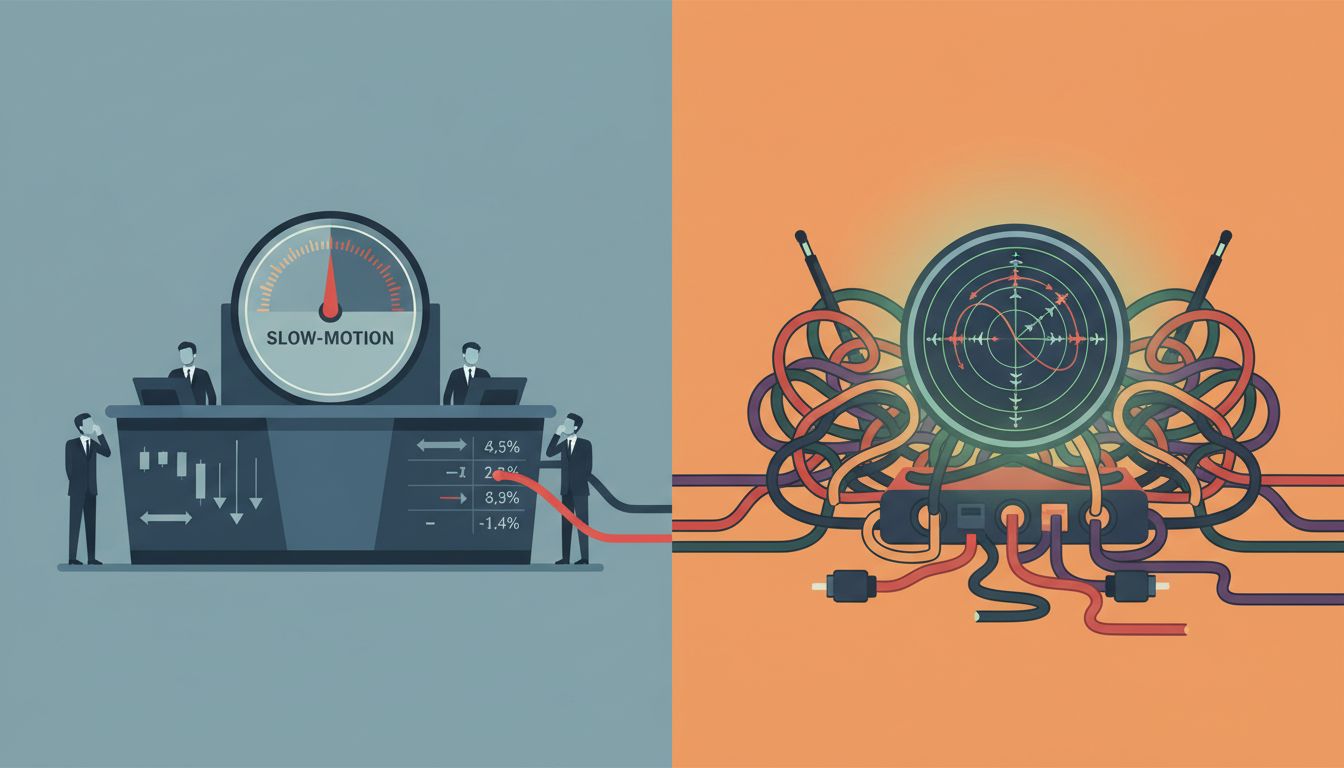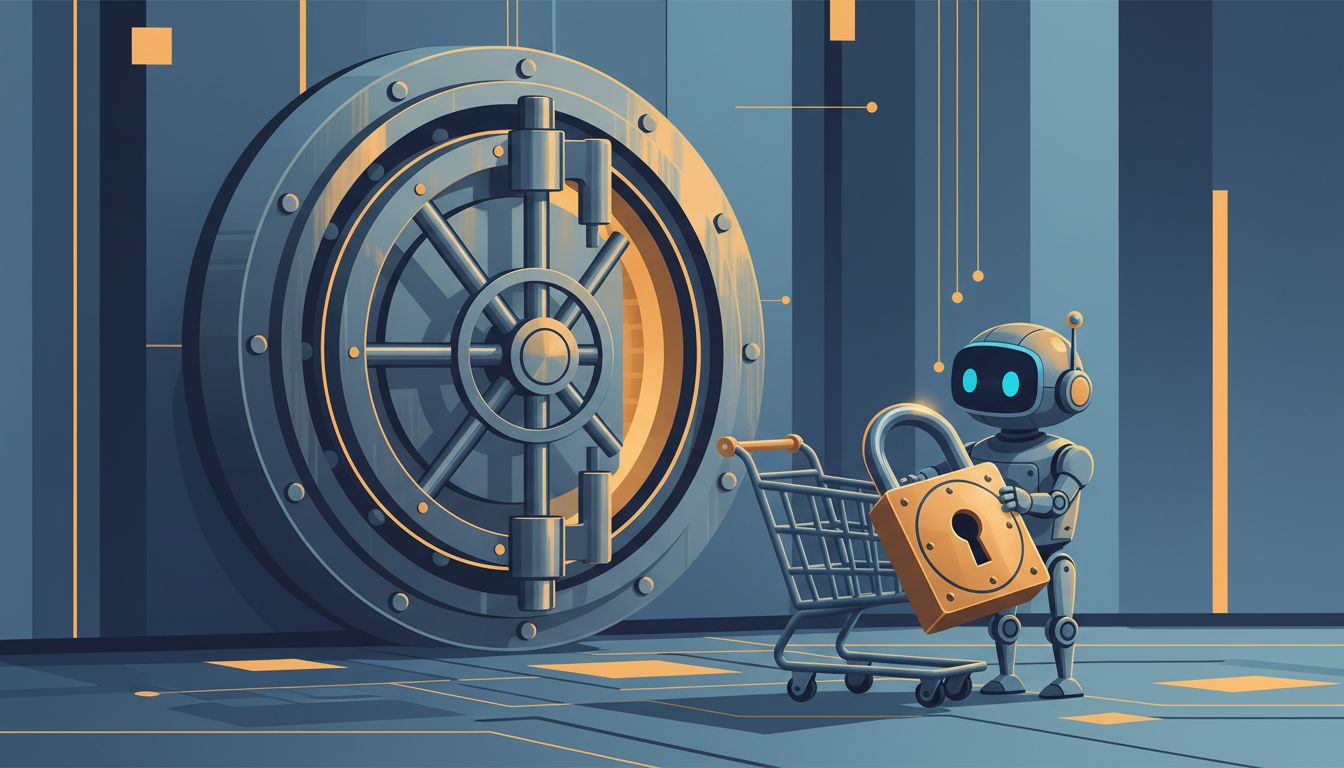
The AI industry keeps promising software that acts for you. This week, banks, a privacy app and a patent court each had a different answer to a harder question: who is responsible when it does?
1. Banks to agent users: you own the bot’s mistakes
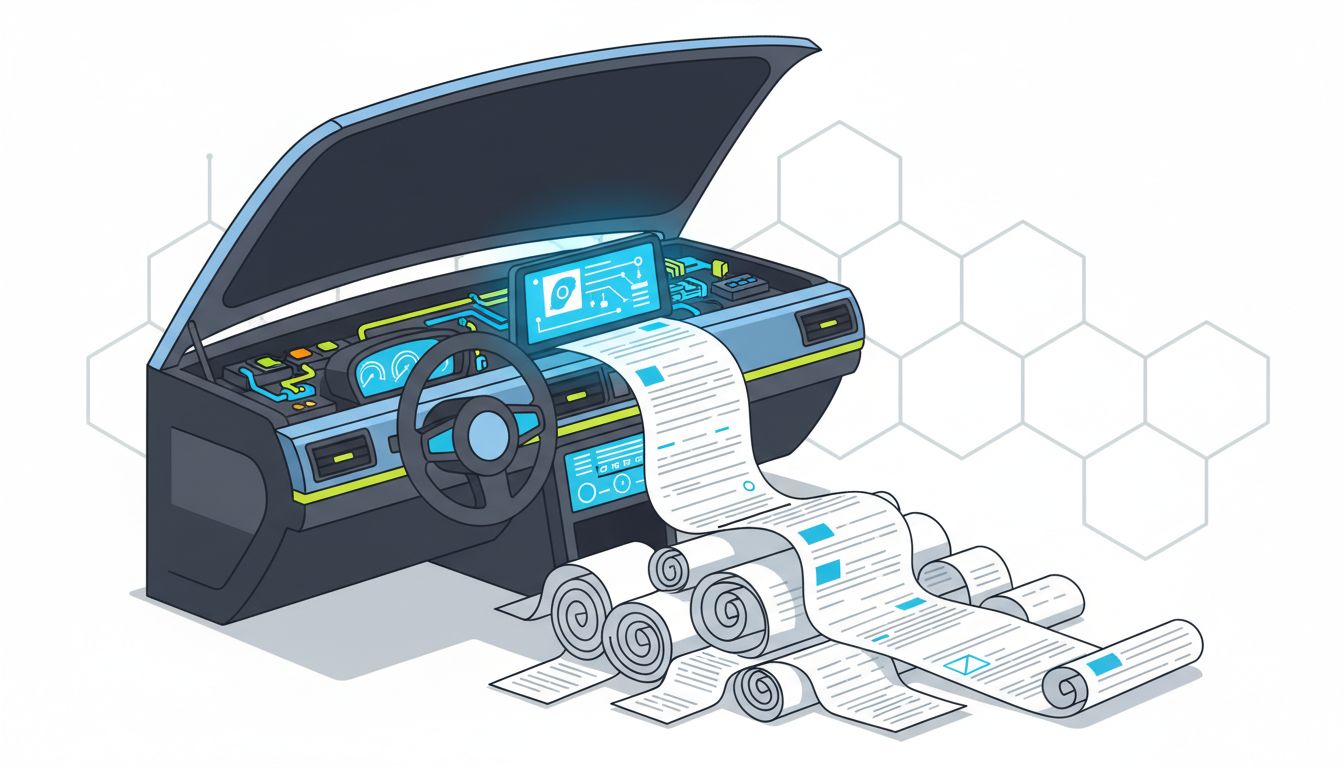
The pitch for AI agents is that you hand over a goal and the software handles the clicks. Wells Fargo’s updated terms, effective Tuesday, say the other half out loud: “Your use of any AI Agent is AT YOUR OWN RISK.” WIRED reports that JPMorgan Chase has banned third-party agents that log in with customer credentials, Bank of America has warned customers not to share logins, and Citi and PNC have added agent warnings.
Note the scope, though. This is not a united front against agents, and WIRED’s own sources say agent-driven transactions are still minuscule. Forrester’s Sucharita Kodali calls the banks reflexively risk-averse, moving early on what may be an edge case. The same banks are building their own agents, which looks less like a ban on agents than a ban on agents they don’t control. American Express, meanwhile, says some agent errors may become reimbursable.
So the liability gap is where the opening is. Retailers say the order was valid, agent makers point to disclaimers, and banks now decline too. Whoever offers to absorb that risk, as AmEx is starting to, gets a real selling point. Founders building on credential-sharing should read this as a warning about their approach, not about banking as a whole.
2. Signal’s screenshot block targets your operating system, not you
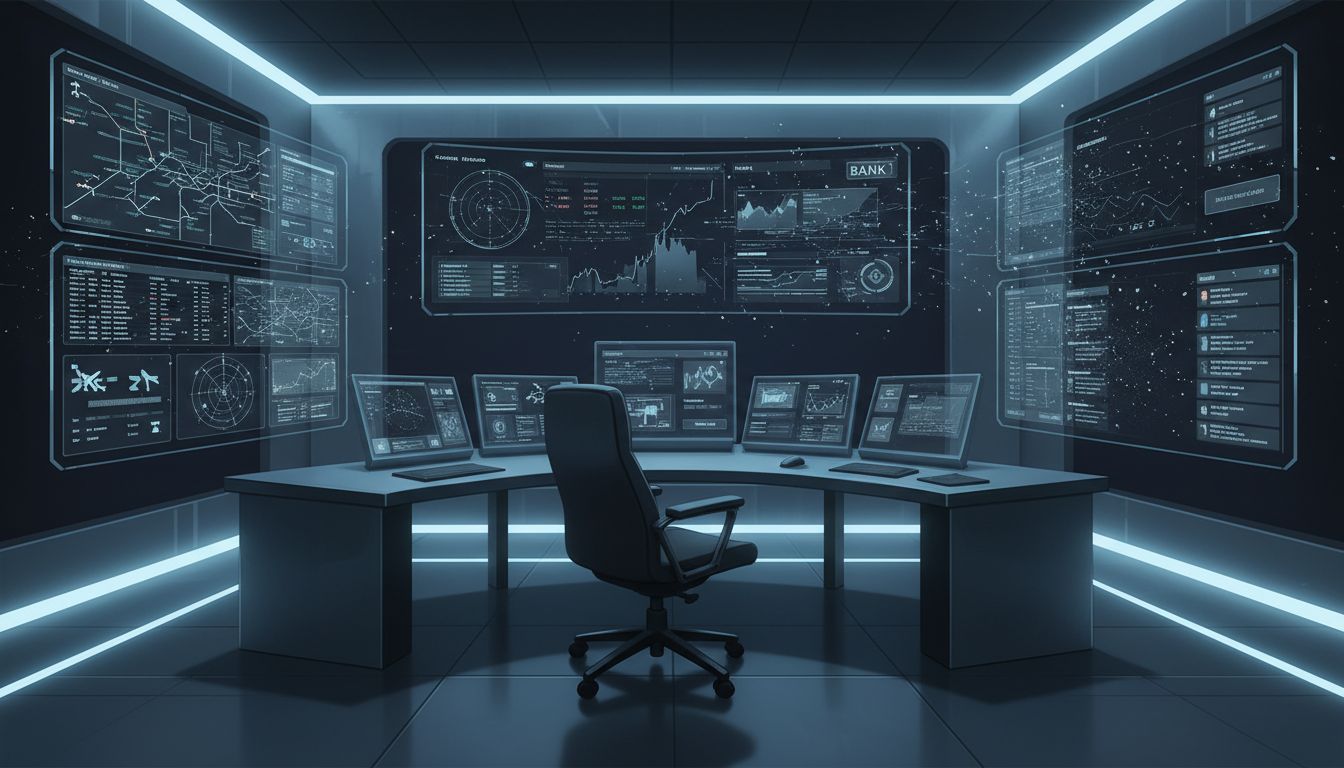
Signal is turning on screenshot restrictions on Android and iOS, extending what it already does on Windows. The odd part is the target. President Meredith Whittaker framed the threat not as users or hackers but as operating systems that let AI agents “scan” the screen, capturing sensitive data that ends up in local databases or remote servers Signal can’t control.
That is a striking admission for an app whose pitch is end-to-end encryption. Encryption protects the message in transit, but once it’s rendered on screen, the OS can see it. Whittaker says that undermines Signal’s ability to guarantee privacy, and it affects everyone in a conversation, not just the person who enabled the agent.
The fix is weaker than the alarm. Users can switch the restriction off, which Signal says would break its privacy guarantees, and Whittaker herself calls the measure “incomplete” against subtler ways agents might reach app data. Read it as a flare aimed at OS vendors more than a solution. A messaging app can’t win this alone if the platform underneath it is the one looking.
3. The honey-trap warning is mostly about friendly people with business cards
Forget the cinematic version. Former CIA officer Aaron Brown told TechCrunch that honey traps rarely run on romance. They run on comfort: someone who shows up as an investor, customer, recruiter or consultant and makes you feel understood. “They need you to feel comfortable talking,” he said.
The news peg is the allegations around Nvidia’s Jensen Huang and an alleged Chinese spy, which Huang has been accused of falling for. The more useful point is that the exposure isn’t limited to CEOs. TechCrunch cites a WSJ report that OpenAI has started warning employees about outsiders cozying up to them, and Brown says board members and executive assistants are targets too.
The other detail is the economics. Carpenter of KnowBe4 says AI has made the groundwork cheaper: researching a target, building fake profiles and backgrounds, even faking voice calls. The defenses are dull and cultural, such as noticing too-frequent coincidences and killing executive exceptions. Whether startups will adopt them is the real question, since the culture that lets nobody question the CEO is precisely the one Carpenter calls most dangerous.
4. Nvidia’s “one CPU SKU” story arrives without the story
The Register headline promises Nvidia’s push toward a single CPU SKU, but the text supplied for this item is only a scrape of the site’s headline list, with no article body. That means the claims in play, including any link to leadership changes, can’t be checked here.
What can be said is narrow: The Register is covering an Nvidia effort to consolidate its CPU line into one product. How it works, what it means for pricing or roadmaps, and whether it has anything to do with the company’s current turmoil are all unsupported by this evidence. Anyone planning purchases around it should read the full article first.
5. A small startup is going after Apple’s NameDrop in two countries
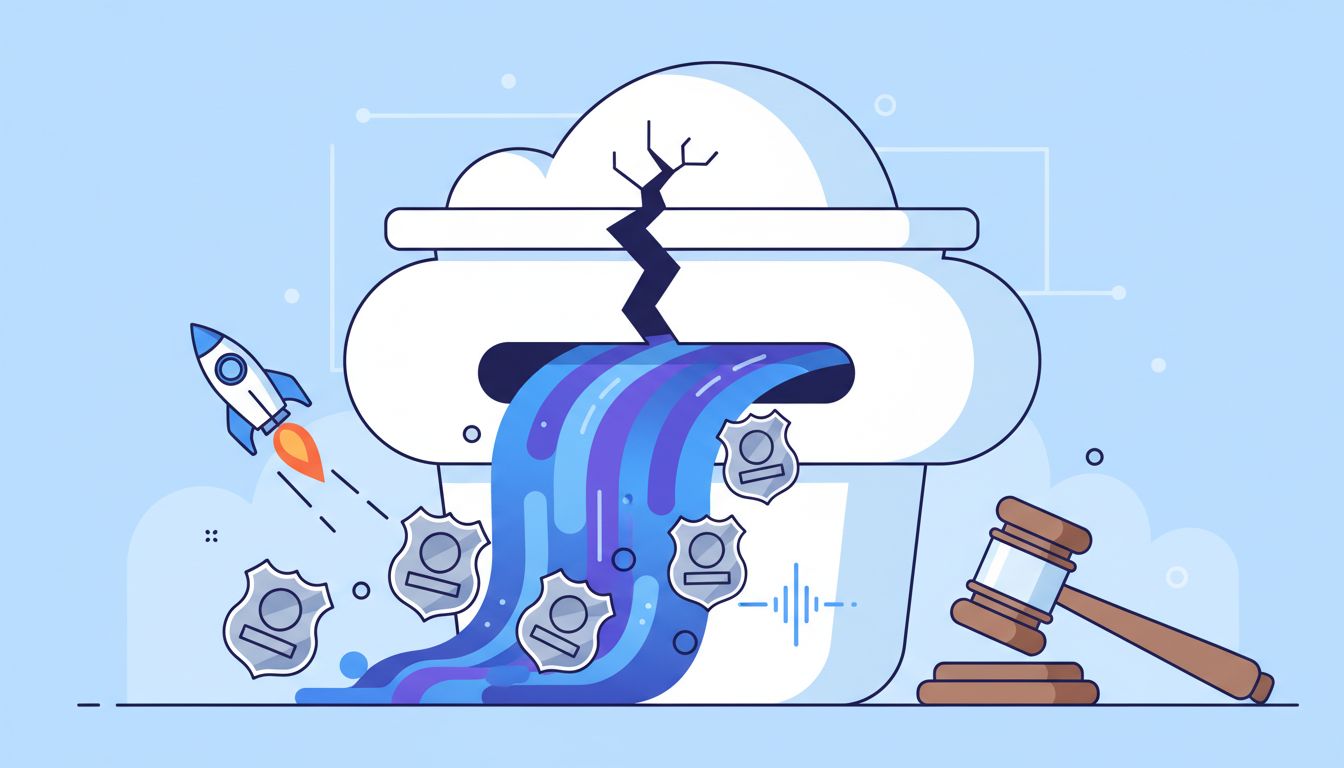
GG Technologies, maker of the StayTouch contact-swapping app, is suing Apple in Bombay High Court, claiming NameDrop infringes its Indian patent. It wants ₹15 billion, about $161.86 million, and an injunction against selling or importing iPhones and Apple Watches with the feature in India. Apple did not respond to TechCrunch, and the case hasn’t been listed for a hearing yet.
India is the smaller front. GG also sued Apple in the U.S. in April, and the International Trade Commission opened an investigation in August on its complaint, with the startup seeking an order that could block imports. That’s the bigger threat to Apple.
There’s also a timing wrinkle. NameDrop arrived in iOS 17 in 2023, while GG’s Indian patent was granted in July 2024, though the application dates to 2021. Those are the allegations of a company that stands to benefit from them, and the patent’s validity is untested. Still, India is both a growth market and a manufacturing base for Apple, so an injunction fight there carries more weight than the feature itself suggests.