The AI chip fight is increasingly about who makes the hardware easy to use, and Amazon just spent a fortune on that. Elsewhere, the security stories share a theme: the work around the code is getting automated faster than the safeguards.
1. Amazon pays billions for the thing that makes Nvidia hard to leave
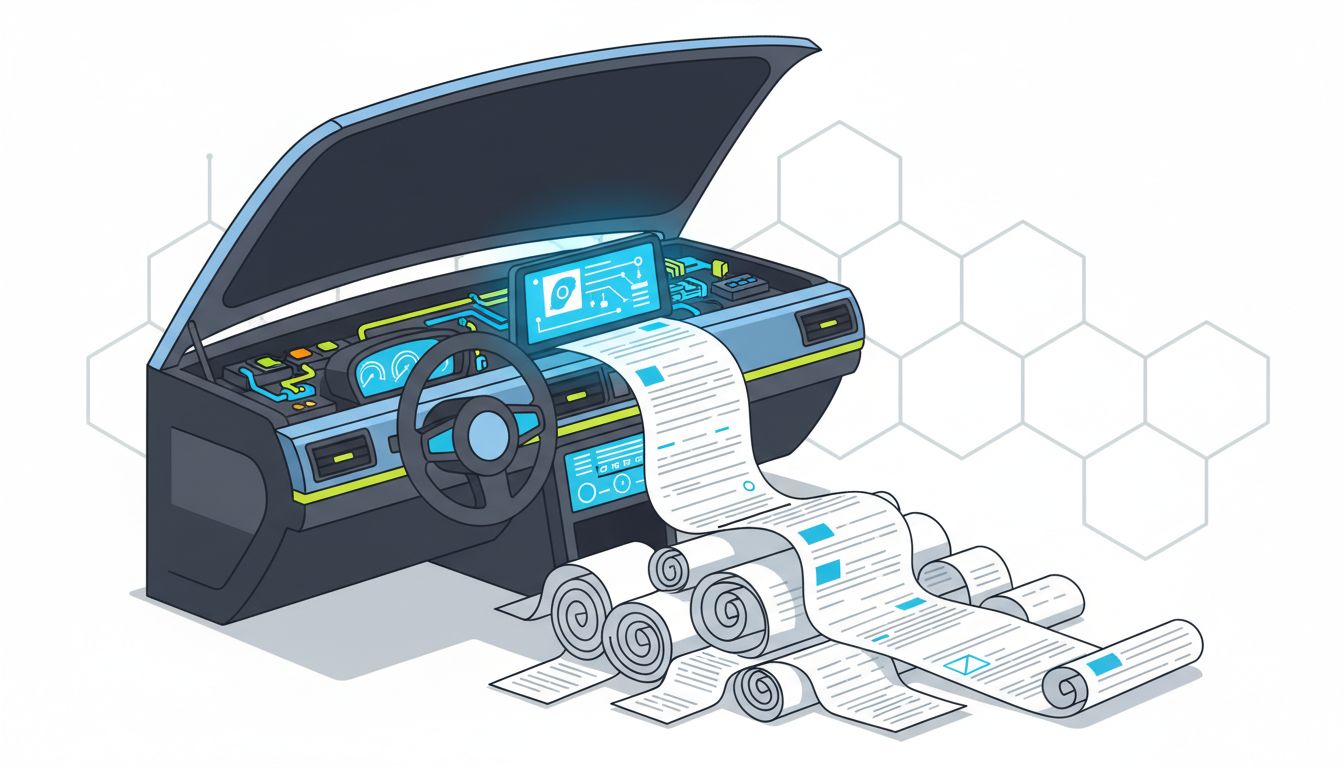
Amazon isn’t buying Decart for its flashy world models. TechCrunch reports Amazon doesn’t want them. It wants the Decart Optimization Stack, software that helps AI models run efficiently on Nvidia, Amazon and Google hardware. Bloomberg puts the price at $7.5 billion, and Amazon is also taking the founders and their research team.
Nvidia’s lead has always been more than silicon. It is the years of tuning and tooling that make switching painful. Amazon is preparing to sell Trainium chips to outside customers, so a tool that makes workloads run well on them goes straight at that pain. Amazon says it has worked with Decart on Trainium since 2025.
Other bidders suggest the price wasn’t just Amazon’s enthusiasm. TechCrunch says Anthropic reportedly tried to buy Decart at a similar price, and Nvidia, which invested in its $300 million round, was rumored as a buyer. Nvidia may have been tempted to buy the tool that eases customers’ exit.
The catch is that one acquisition doesn’t erase Nvidia’s near-monopoly. It tests whether optimization software can narrow the gap, and the evidence will be customers actually moving workloads.
2. Huang is back at Nvidia, but his biggest-customer problem isn’t
Jensen Huang got his CEO job back on Monday. The same day, Semafor reported that Megaspeed would be added to the Commerce Department’s Entity List. The Register’s headline says the US blacklisted it, while TechCrunch, citing Semafor’s anonymous sources, says the company appears headed for the list.
Megaspeed was led for more than two years by Alice Huang, the woman at the center of the scandal. Huang has admitted to an affair with her, and TechCrunch describes the matter as alleged Chinese espionage. The Singapore-based company was one of Nvidia’s biggest chip customers. US and Singapore authorities are probing whether it illegally sent Nvidia chips to China, and it denies wrongdoing.
Ars Technica says Huang’s allies enlisted Trump and Vance to pressure the board into taking him back. That is the real tension. The board’s reasons for ousting him are not publicly settled, yet his return came through political pressure. Meanwhile, the export-control questions about a major customer are heading in the opposite direction, toward restrictions.
Our reading is that these are separate tracks. Reinstatement doesn’t resolve Megaspeed, and anyone depending on Nvidia now has two things to watch: who is in charge, and how the investigations into its customer end.
The Register · Ars Technica · TechCrunch
3. Attackers’ AI agents are finding zero-days, and patching can’t keep up
Amazon says hackers’ AI agents found and exploited a zero-day with little human input. According to Ars Technica’s summary, the Cairn AI framework is proving useful to both attackers and defenders. We only have headlines and an excerpt for this story, so the technical details remain unclear.
The same day, Cisco and OpenAI pitched eBPF kernel plugins as a way out of the so-called patchpocalypse. The pitch implies patching alone is no longer enough, and that defenders want controls that can be deployed faster than a full fix.
That is a vendor pitch, not proof it works. But the problem it targets is plain: if discovery gets cheap, patch queues become the bottleneck.
4. Claude Ship lets an AI agent approve the code that Claude writes
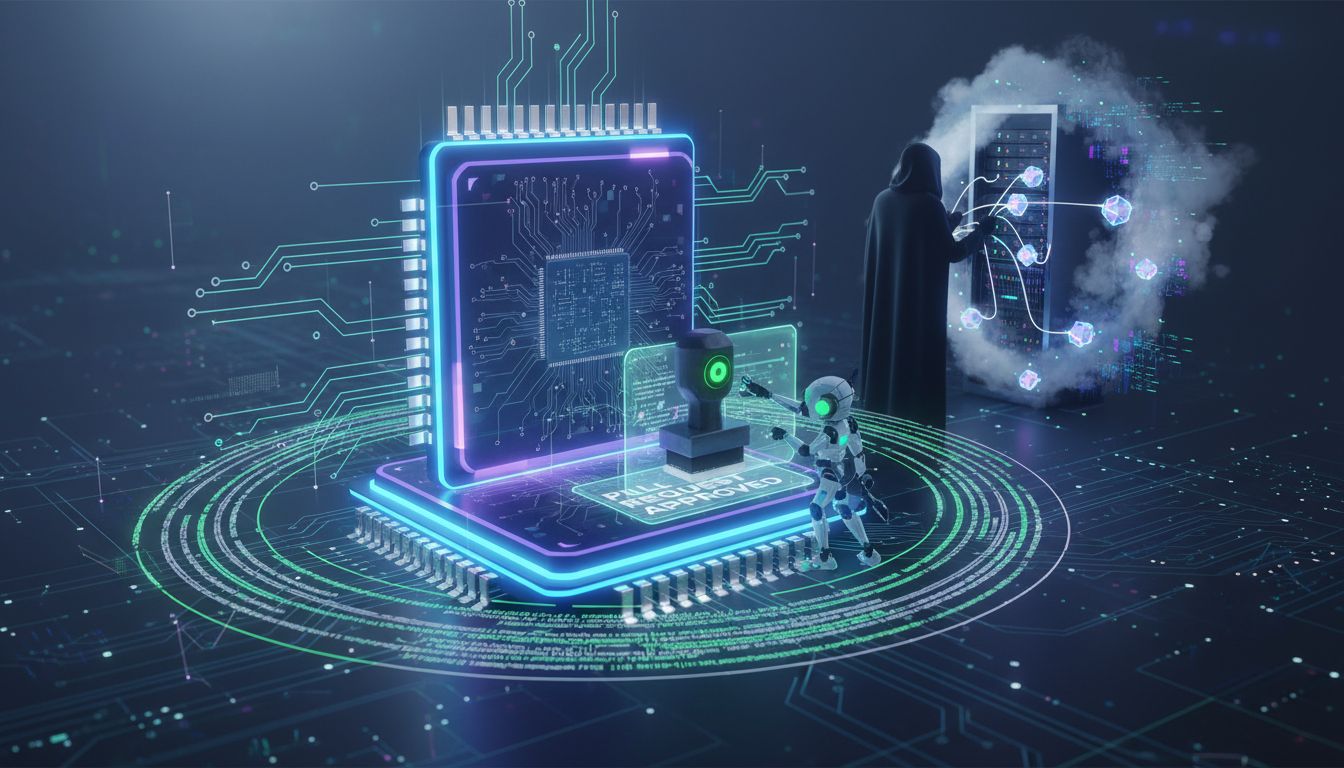
Reviewing code with AI is ordinary now. Anthropic’s Claude Ship goes further: its Claude Approvals agent can approve changes automatically under a policy the team writes, in natural language, as a file in the repository. It can draw on Code Review findings or Anthropic’s own classifiers.
Anthropic’s rationale is blunt. Agents write so much code that review is the bottleneck, and on the Claude Code team, it says, Claude writes most of the code. A companion agent, PR Steward, fixes failing CI checks and merge conflicts, then comments on what it changed and how to roll it back.
The safeguards are sensible. Approvals starts in observe-only mode, can be limited to one repository, has monthly spending caps, and can escalate changes to humans. Approvals and PR Steward are in beta for Team and Enterprise plans on GitHub.
The open issue is what a review means when the author and reviewer come from the same vendor. If a bad change gets through, the sources don’t say who is accountable. Teams should settle that in writing before they turn approvals on.
5. The European Commission says an AI-assisted attack stole personal data
The European Commission has confirmed that personal data was stolen in a cyberattack the Register describes as AI-assisted. The available text is only that headline, so the scope, method and affected systems remain unknown.
Even so, the confirmation matters. An institution with serious security resources is attributing at least part of a breach to AI assistance. The key questions are what the AI actually did and whether it sped up the attack or just made it easier to mount.