
Every knowledge worker has had some version of this experience. You’ve got three weeks to finish something important. You spend the first two and a half weeks circling it, thinking about it, moving it around your to-do list. Then, with 48 hours left, you sit down and actually do it. The work that comes out is often good. Sometimes it’s your best.
The standard explanation is procrastination, and the standard fix is better time management, more discipline, an earlier start. That explanation is wrong, or at least incomplete. The real reason you’re productive under deadline has almost nothing to do with motivation and almost everything to do with how your brain handles decisions.
Deadlines Don’t Add Energy. They Remove Options.
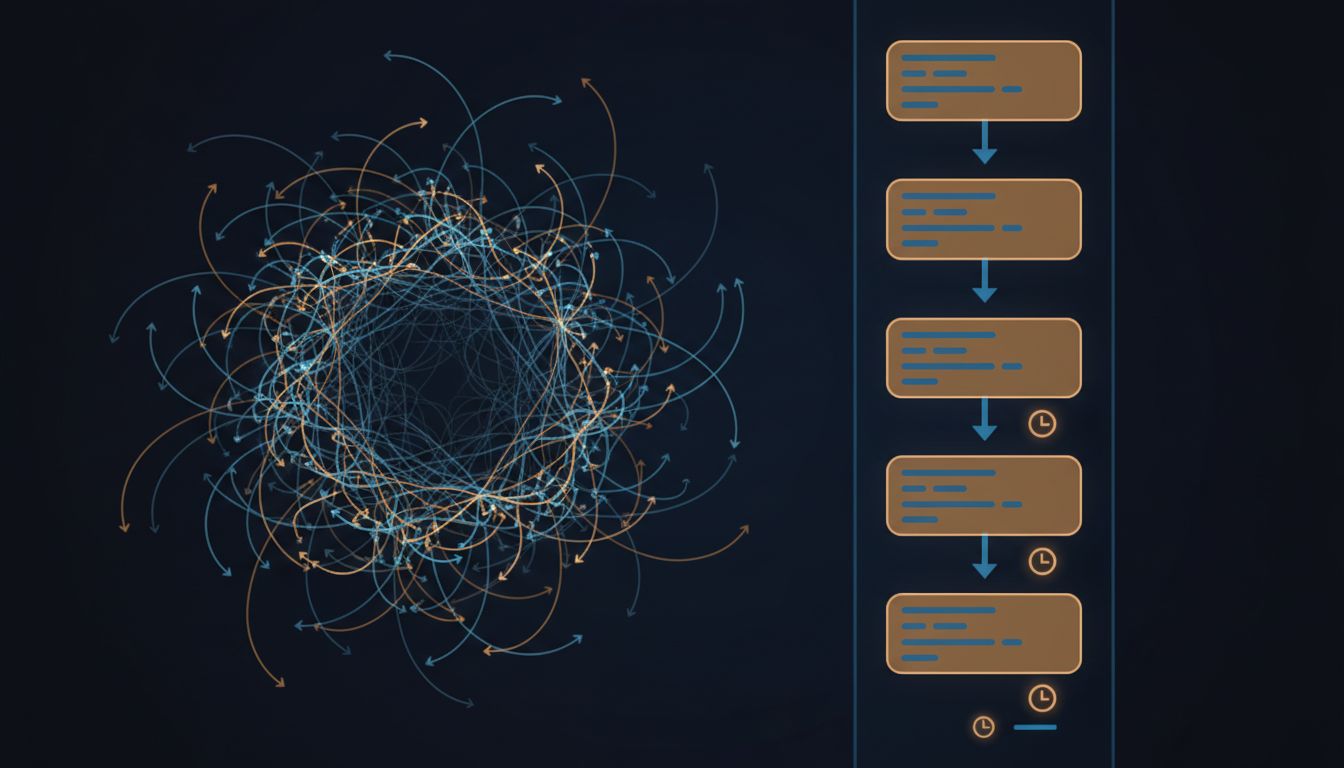
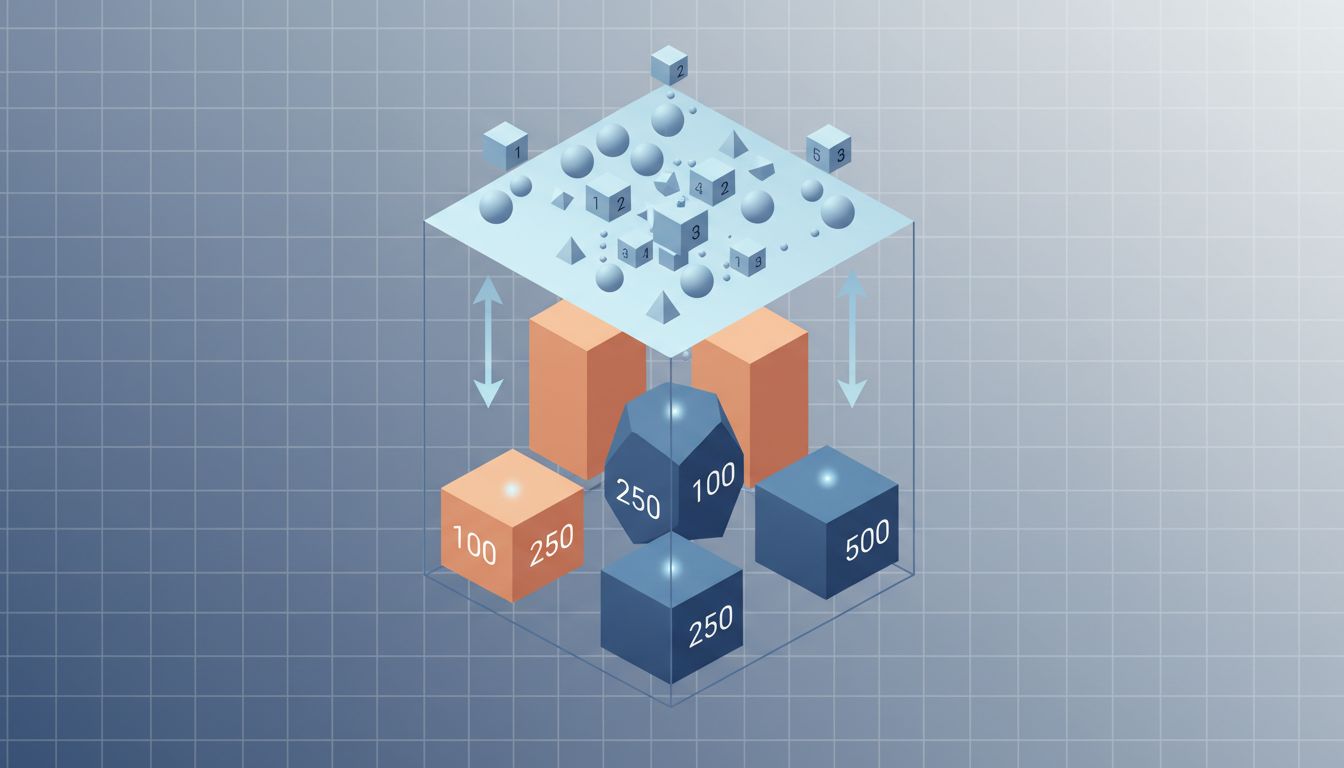
When you sit down to write something, design something, or build something with weeks to spare, you face an enormous number of open decisions. Should the structure be A or B? Should you research more first? Is this the right framing? Should you wait for that one piece of feedback before proceeding? Every one of those decisions draws from the same cognitive budget you use for the actual work.
Psychologists call this decision fatigue, and the research behind it is solid. The more choices you make in a given period, the worse your judgment becomes on subsequent choices. This is why judges grant parole more often in the morning than late afternoon (a finding from a 2011 study by Danziger, Levav, and Avnaim-Pesso published in PNAS). It’s also why Barack Obama famously wore only gray or blue suits during his presidency, explicitly to preserve mental bandwidth for harder decisions.
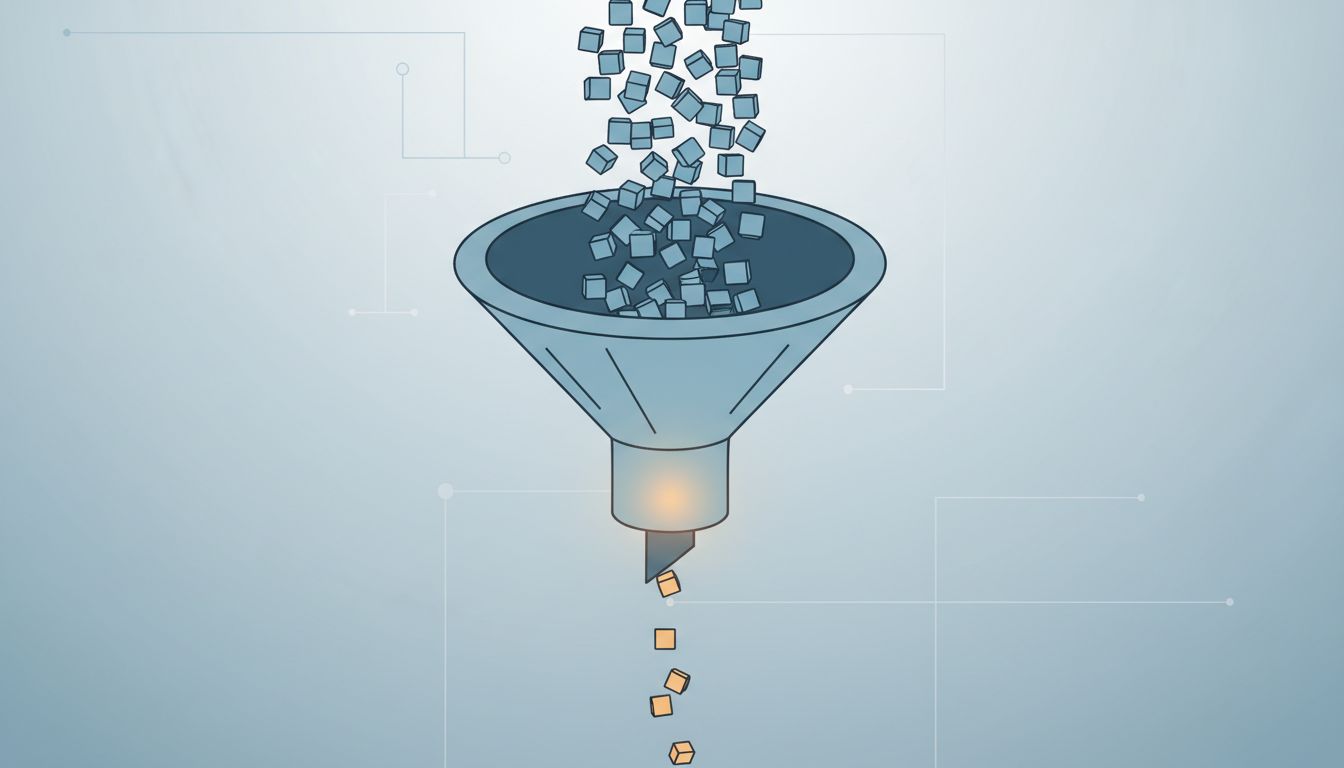
A deadline compresses your option space. With two hours left, you can’t restructure the whole thing. You can’t wait for more information. You can’t revisit the framing. The decision tree collapses, and suddenly you can just work. The deadline isn’t energizing you. It’s doing your decision-making for you.
The Planning Horizon Problem
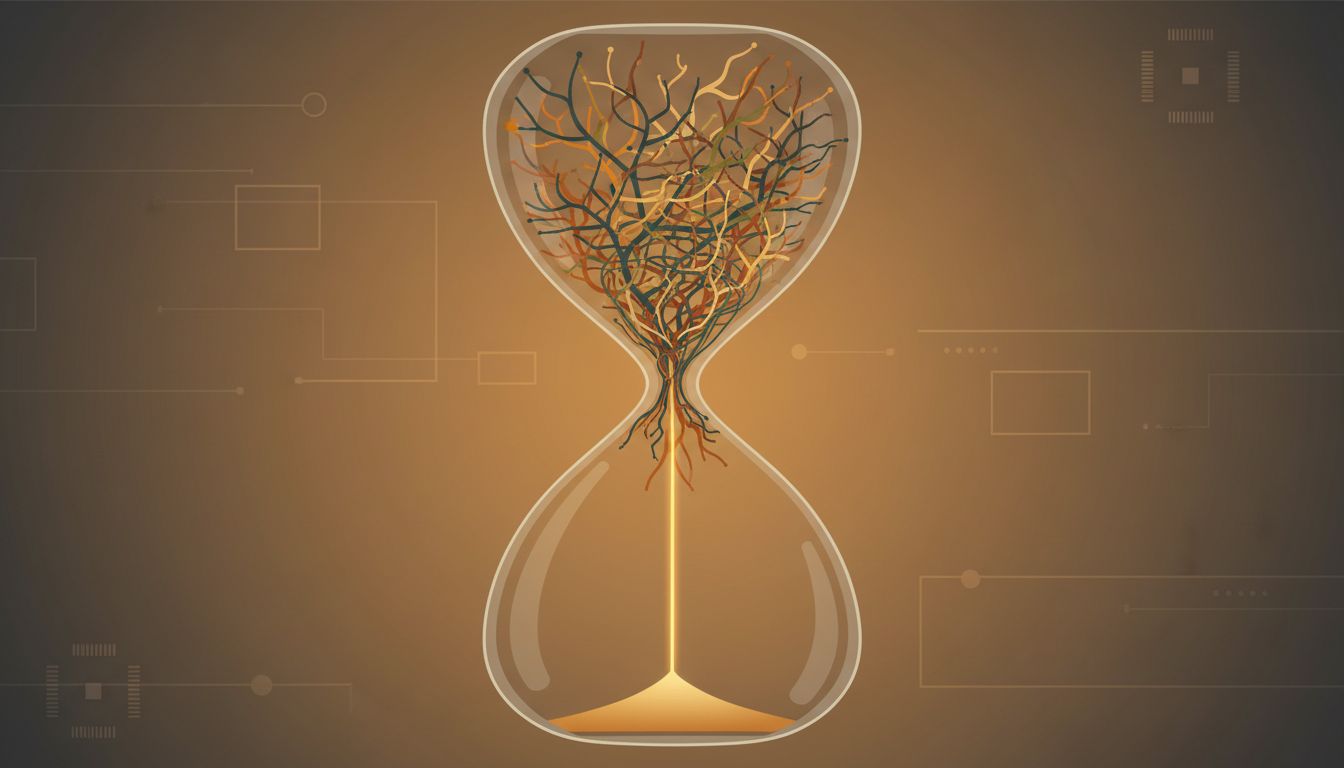
There’s a related issue that rarely gets named directly. When your deadline is far away, your brain treats the task as a planning problem, not an execution problem. You think about how you’ll approach it, what you’ll need, how it fits with other things. This feels productive. It isn’t.
Planning mode and execution mode use your attention differently. Planning is expansive and open-ended. Execution is narrow and sequential. The mistake most people make is staying in planning mode far longer than necessary because planning feels like progress without the discomfort of actually producing something that can be judged.
This is the same dynamic explored in the research on shorter cognitive work bursts: the brain doesn’t sustain deep execution for long periods. What you’re doing in those early weeks isn’t resting and preparing. You’re often just deferring the discomfort of commitment.
Why the Last-Minute Work Feels Different
When you’re up against a deadline, something else changes besides your decision load. Your perfectionism has nowhere to live. The version you submit with an hour to spare can’t be agonized over. It gets finished, sent, and evaluated on its actual merits rather than the imagined merits of a hypothetical better version you never started.
This is worth sitting with. A lot of the “improvement” you imagine doing during those extra weeks never happens. What actually happens is that you carry a vague sense of incompletion, make a few notes, and eventually do the work in a sprint anyway. The early availability of time doesn’t produce a better output. It mostly produces more anxiety.
The people who seem consistently productive without constant deadline pressure have usually learned to manufacture the constraints that deadlines create. They commit to a specific, narrow version of a task before starting. They set artificial time limits that force decisions. They submit drafts early, not to be efficient, but to end the planning phase and get real feedback instead of imagined feedback.
How to Stop Waiting for Deadlines to Do This For You
The practical shift here is learning to create constraint before the external deadline does it for you. This isn’t about faking urgency. It’s about understanding what deadlines actually provide and replicating that on demand.
Start by scoping down before you start. If you’re writing a report, decide in advance that the structure is fixed, the length is fixed, and the research phase ends at a specific time. You’re not limiting the quality of the work. You’re limiting the decision surface. That’s what gives you the mental room to actually execute.
Set time boxes that are shorter than comfortable. If you think a task needs two hours, try 90 minutes. The constraint forces you into execution mode faster than an open afternoon ever will. You’ll be surprised how often the 90-minute version is better, not worse, because it couldn’t accommodate second-guessing.
Treat your first draft as a decision, not a draft. The moment you have words or a structure on paper, you’ve collapsed the option space the same way a deadline does. The sooner you get to that first rough version, the sooner you can stop planning and start improving something real.
Finally, get comfortable submitting things you’d normally revise one more time. Not because the revision wouldn’t help, but because you need data on what “good enough” actually looks like for your work. Most people are terrible at estimating how much their last-round revisions improve the final product. The deadline forces you to find out. You can learn to do that voluntarily.
The Deadline Isn’t the Problem
If you’ve been frustrated by your own last-minute habits, the solution probably isn’t more discipline or an earlier start. It’s understanding that what the deadline gives you (a collapsed decision space, a forced transition from planning to execution, permission to stop second-guessing) is something you can generate yourself with the right constraints.
The work you do in those final hours isn’t a fluke. It’s you, operating with exactly the focus and clarity you’re capable of, finally freed from the overhead of infinite options. Build that environment earlier and you don’t have to wait for the deadline to find out what you can do.