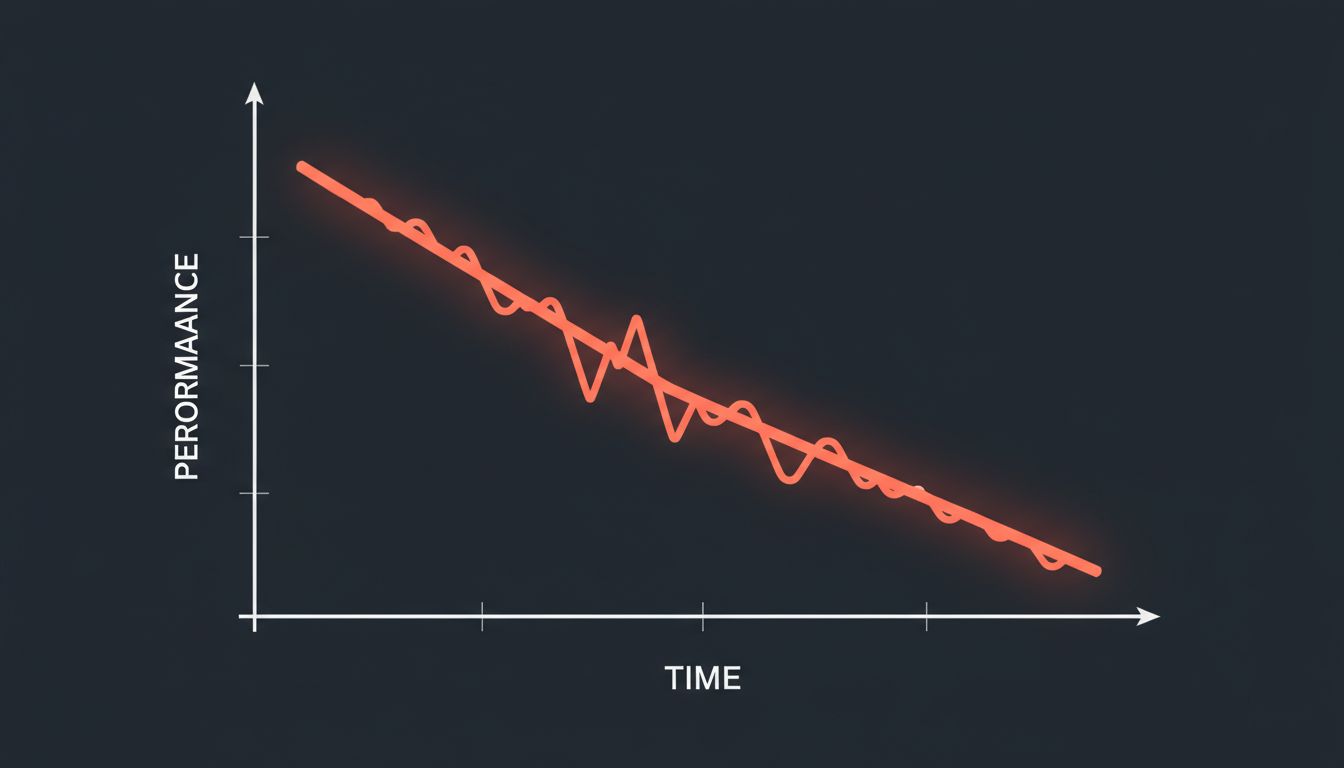
Adding a feature has a clear narrative arc: someone identifies a need, engineers build a thing, product ships it, everyone applauds. Deleting a feature has no such arc. It has complaints, rollbacks, angry forum posts, and a nagging sense that you’ve destroyed something someone cared about. That asymmetry is why software bloats, why products get slower over time, and why codebases become weight-bearing structures that nobody dares touch.
Here is why removing a feature is genuinely harder than building one, point by point.
1. You Built It, So You Trust It
The engineers who built a feature have the most knowledge about how it works and the least objectivity about whether it should exist. That’s not a character flaw. It’s how expertise forms. You spent weeks on the implementation, you debugged it at 2am, you remember the edge case that almost broke the whole thing. That investment creates a cognitive anchor that makes removal feel like a loss, even when the usage data says almost nobody uses it.
This is textbook sunk cost reasoning, and it infects product decisions more than people admit. A team will maintain a rarely-used feature for years because it was expensive to build, not because it’s valuable to keep. The cost of original development is already paid. The real question is forward-looking: what does this feature cost us to maintain, test, document, and route around when we refactor? That’s the number that matters, and it rarely gets calculated honestly.
2. Vocal Users Are Not Representative Users
When Google killed Google Reader in 2013, the internet revolted. Petitions, think-pieces, genuine grief. Google killed it anyway, and it turned out that the outrage was concentrated among a small group of power users who happened to be the most vocal people on the internet. The product had been declining for years and the engineering cost of keeping it alive was real.
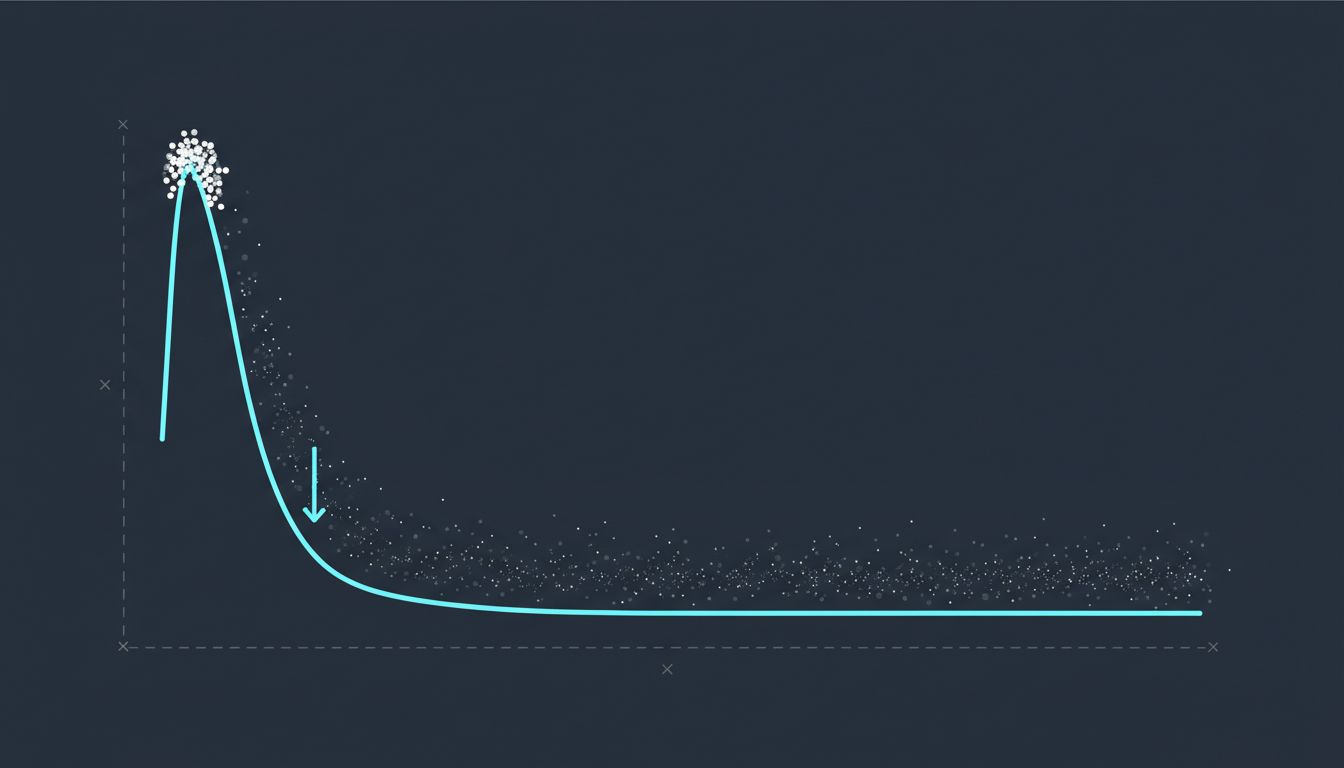
This pattern repeats constantly. The users who complain loudest about a removed feature are rarely representative of your actual user base. They’re the ones who built workflows around your edge cases, who found your feature through obscure documentation, who post in forums. Most users never notice a feature was removed because they never used it. Treating forum outrage as a reliable signal leads to products that serve their most extreme users at the expense of everyone else.
3. The Codebase Has Memory
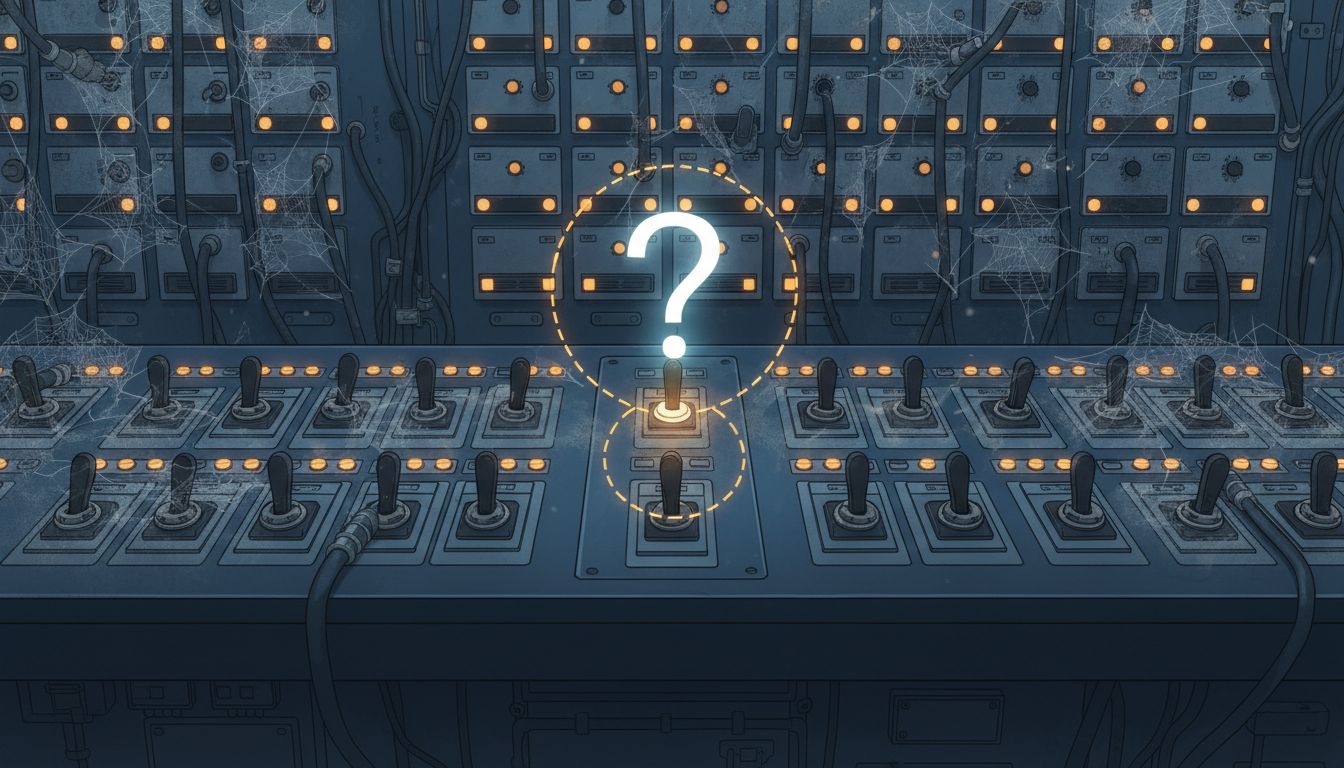
A feature that’s been live for two years isn’t just a UI element. It’s a set of database columns, API endpoints, event handlers, conditional branches, and test cases, all of which have grown tendrils into adjacent systems. When someone proposed removing that feature, the real question isn’t “can we hide the button?” It’s “can we safely remove everything downstream of that button without breaking something we haven’t mapped yet?”
This is where feature removal becomes genuine systems work. You need to trace every call path, audit every dependency, often run dual-write periods where the old and new paths coexist. The code doesn’t forget. If you shipped an API endpoint that external partners integrated against, removing that feature is now a breaking change with contractual implications. The decision that looks simple from product’s perspective is actually a multi-quarter engineering project.
4. There’s No Metric That Proves Absence Is Better
You can A/B test a new feature. You cannot A/B test the cognitive load your interface imposes on users who have to read and parse ten features they’ll never use. That cost is real, documented in UX research, and nearly impossible to attribute to any specific feature. When users say a product “feels complicated,” they’re reporting the accumulated weight of every feature that stayed too long. But you can’t point to a dashboard and say “this dropdown we added in 2021 costs us three seconds of comprehension every time a new user hits the settings page.”
The absence of a clean measurement creates a vacuum that defenders of the status quo happily fill. “We can’t prove removing it helps” becomes the default position, and the feature stays. Product teams that take simplicity seriously have to be willing to make judgment calls where the data is incomplete, which is a harder position to defend in a meeting than a graph.
5. Organizational Credit Flows One Direction
Shipping features gets people promoted. Removing features, even when it’s the right call, generates friction and rarely shows up in a performance review as a win. This isn’t cynicism, it’s an incentive structure that’s almost universal across software organizations. The result is systematic accumulation. Every product cycle adds, almost nothing subtracts, and the maintenance burden compounds quietly until the codebase becomes genuinely difficult to work in.
The companies that handle this well tend to treat deletion explicitly as a product discipline, not just a side effect of prioritization. They set targets for what they’ll remove each quarter, assign owners to sunset work the way they assign owners to new features, and recognize the engineers who do the unglamorous work of cleaning up. Without those structural interventions, the incentive gap wins and the product grows in one direction forever.
6. The Right Decision Is Often Made Too Late
Most features that eventually get removed should have been removed much earlier. The pattern is usually the same: usage is low from launch, the team acknowledges this but other priorities crowd it out, the feature ages into the codebase, and by the time someone finally commits to removing it the work required is three times what it would have been a year earlier. The decision delay compounds the cost.
The honest intervention is setting removal criteria at launch, not after. What usage threshold will trigger a review? What’s the timeline? If you can’t answer those questions when a feature ships, you’re building in debt from day one. This is why some teams have started writing deprecation plans alongside launch plans, treating the end-of-life path as a first-class design consideration rather than an afterthought. It sounds bureaucratic until you’ve spent a quarter untangling a feature that should have been cut two years ago.
Adding is easy to celebrate because it’s visible and concrete. Removal is harder to celebrate because the best outcome is that nobody notices. That invisibility is exactly why it requires more discipline, more honesty about data, and more organizational courage than almost any other call you’ll make.