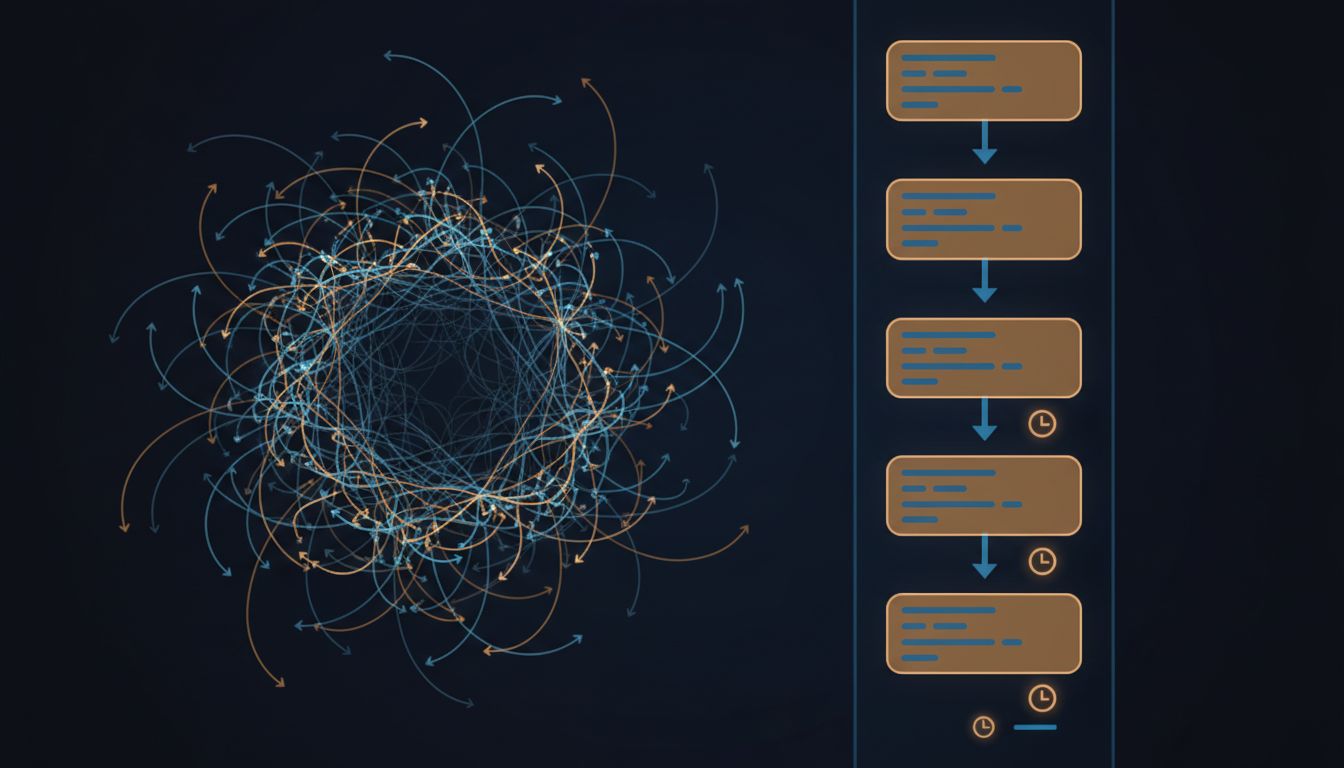
Here is a pattern you have probably noticed without naming it: the most productive person in your office does not have the most elaborate setup. They are not running five project management tools in parallel, they have not memorized every keyboard shortcut in every application, and they are not upgrading to the newest productivity app every time one trends on social media. They have a short list of tools, and they know them deeply. That is not an accident.
Digital minimalists ignore most tech trends on purpose and outperform everyone who doesn’t, and the mechanism behind that outperformance is worth understanding clearly, because it runs counter to almost everything the productivity software industry tells you.
The Feature Trap Is Real and It Is Costing You Hours
Every major software product ships with more features than its core users ever touch. That is by design. Software companies build for acquisition (getting you to sign up) as much as they build for retention (keeping you productive). The result is that most tools you use are carrying enormous feature weight that serves someone else’s use case, not yours.
When you decide to “master” a complex tool, you are implicitly signing up to learn features you will never need, navigate menus built for edge cases, and spend cognitive energy on interface decisions rather than actual work. Multitasking apps are scientifically designed to make you fail, and many productivity tools are structured the same way: they create the feeling of work while reducing the output of it.
The power user who has memorized 200 keyboard shortcuts across eight applications is not more productive. They are more practiced at using complicated tools. Those are different things.
What Digital Minimalism Actually Looks Like in Practice
Digital minimalism, applied to productivity, is not about deprivation. It is about intentional selection. The framework is simple:
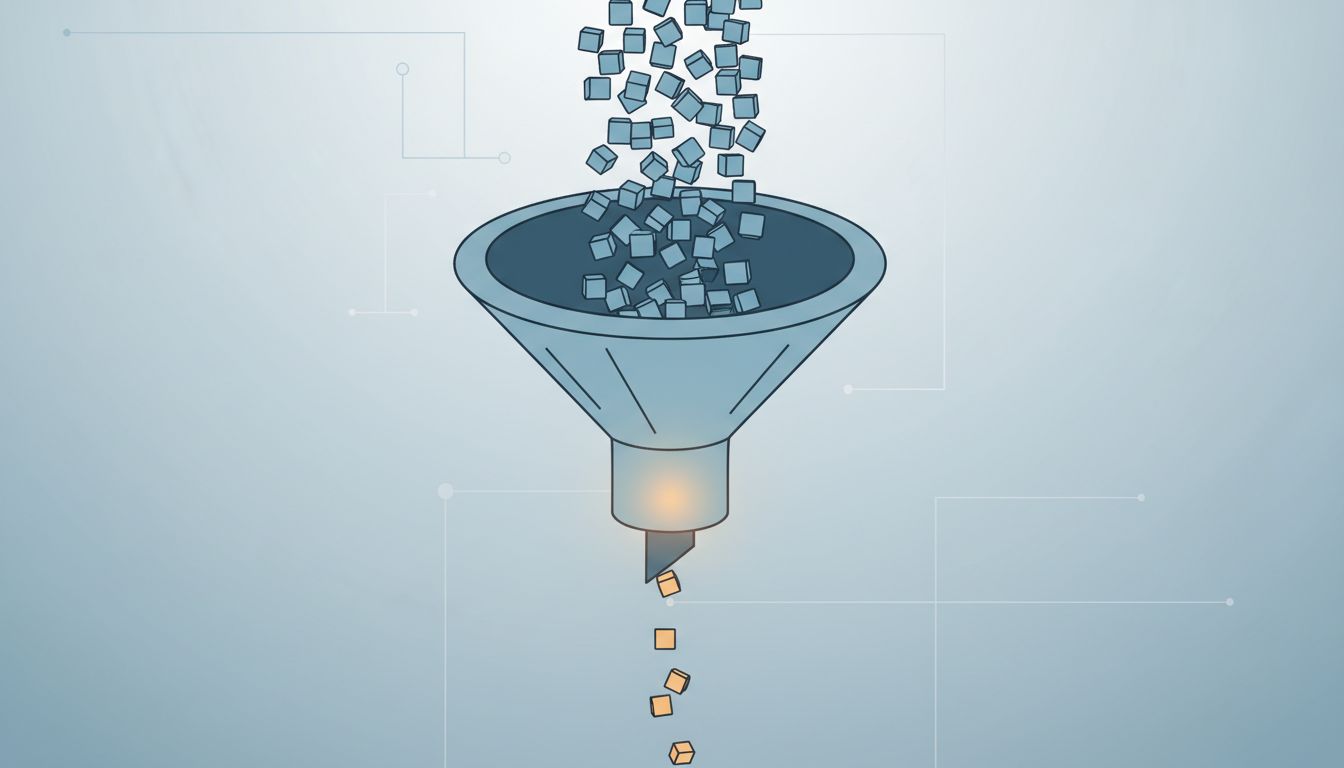
Step 1: Audit what you actually use. For one week, track which tools you open and which tasks they complete. Not which tools you have installed. Which tools did real work. Most people discover they rely on three to five tools for 90 percent of their output.
Step 2: Get ruthless about the rest. Anything that did not show up in that audit is a candidate for removal. This is harder than it sounds because we attach identity and aspiration to tools. You bought that project management subscription because you wanted to be organized. Canceling it feels like giving up on that version of yourself. Do it anyway.
Step 3: Go deep on what remains. Once you have a short list, learn those tools at a level that genuinely saves you time. Not every feature, but the features that apply to your specific workflow. This is where the real productivity gains live.
Step 4: Build a review cadence. Every quarter, run the audit again. Tools that were useful six months ago may not be now. The most productive teams delete half their digital tools every quarter and report that the cull itself is clarifying, not just the reduced tool count afterward.
Why Your Brain Prefers Fewer, Deeper Tools
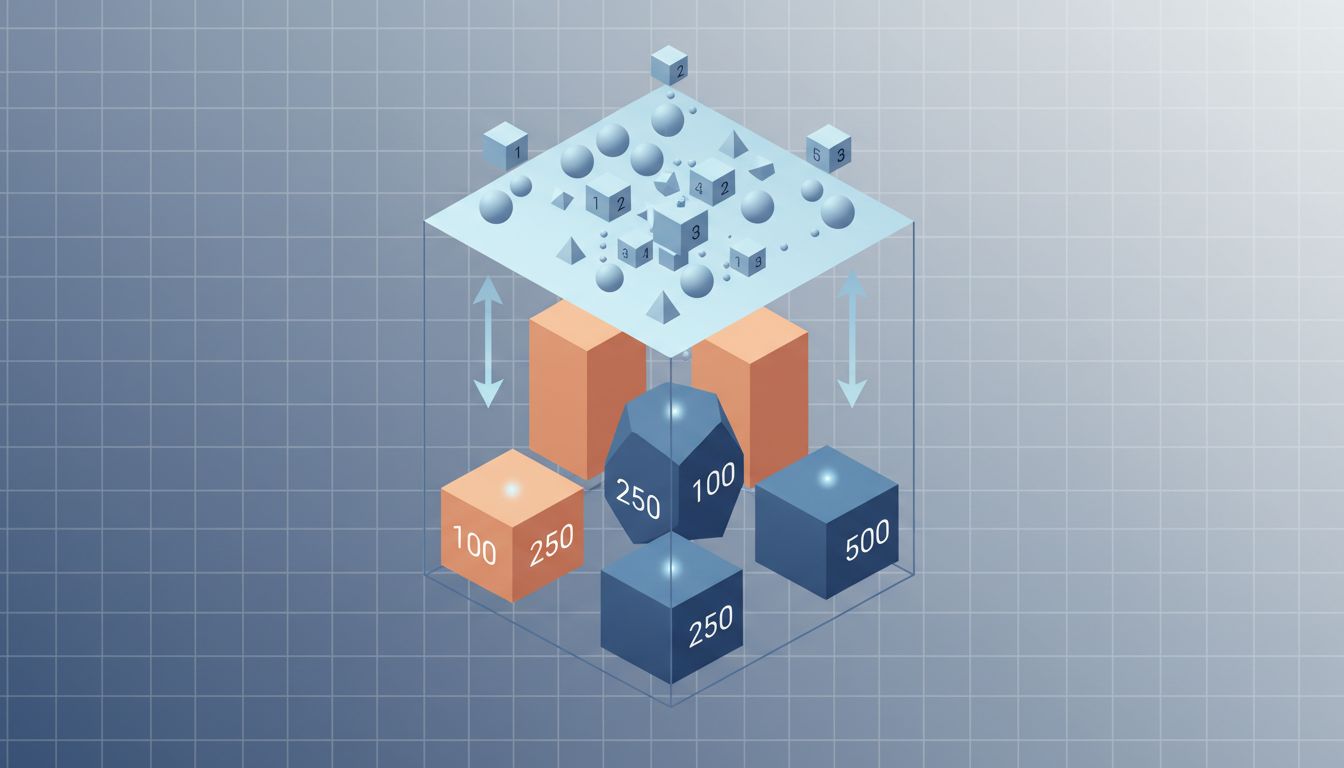
There is a cognitive science reason this works. Every tool you use creates what researchers call a “mental model,” a map your brain holds of how the tool works, where things live, and what is possible. Maintaining mental models takes energy. When you switch between tools, you are not just switching windows, you are switching mental models, which involves a real cognitive cost.
When you reduce your tool count, you reduce the number of mental models your brain has to maintain. The models you do keep become stronger and more automatic over time. You stop thinking about the tool and start thinking about the work. That is the goal.
This is related to why your brain does its best problem-solving during idle moments. Your brain solves hard problems during software updates because it has no other choice, and a digital minimalist’s workflow creates more of those naturally idle moments because the tools themselves demand less navigation and decision-making.
The Counterintuitive Math of Tool Mastery
Here is where the numbers get interesting. Say you have a choice between using one tool at 90 percent proficiency or five tools at 30 percent proficiency each. Intuitively, five tools at 30 percent feels like more capability. You are covering more ground. But in practice, 30 percent proficiency means you are constantly hitting the ceiling of what you know. You spend time searching for how to do things. You use workarounds. You switch to a different tool when this one does not immediately cooperate.
Ninety percent proficiency on a single tool means you move fast. You are rarely blocked. The tool disappears into the background and the work comes forward.
There is also a compounding effect. When you go deep on fewer tools, you start noticing how those tools can stretch further than you expected. A good note-taking app can often replace a separate task manager. A well-configured email client can eliminate the need for a dedicated scheduling tool. Minimalism creates creative constraints, and constraints often reveal solutions that complexity was hiding.
How to Start Your Minimalist Audit Today
You do not need a perfect system before you begin. Here is the smallest possible version of this process:
Open your phone’s settings and look at your storage. Sort by apps you have not opened in 30 days. Delete three of them right now, before you finish reading this article. Not the ones you might use someday. The ones you have not touched in a month.
Then open your browser’s extensions or plugins and do the same thing. Extensions are especially sneaky because they run in the background, slowing your browser and fragmenting your attention, even when you are not actively using them.
Finally, look at your project management stack. If you are tracking tasks in more than two places, you are not more organized. You are maintaining two competing sources of truth, which means you trust neither of them fully.
The goal is not a perfectly sparse setup by next week. The goal is a directional shift toward depth over breadth, repeated consistently over time. The power users who have memorized every feature of every tool often cannot tell you what they actually completed last week. The minimalists usually can.
That gap is the whole argument.